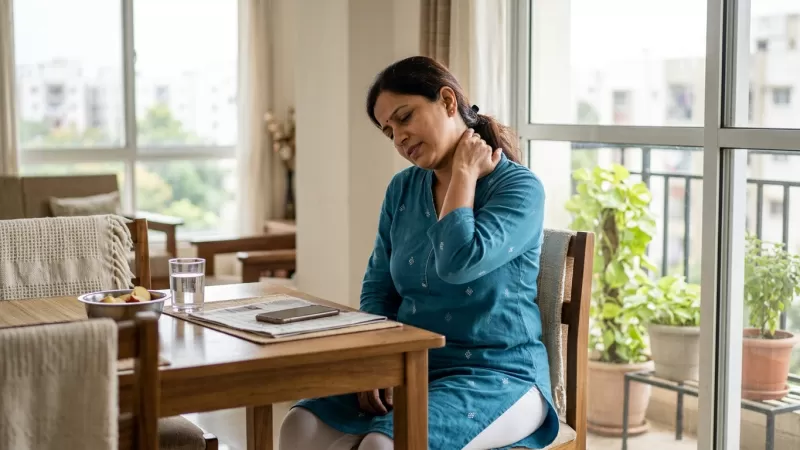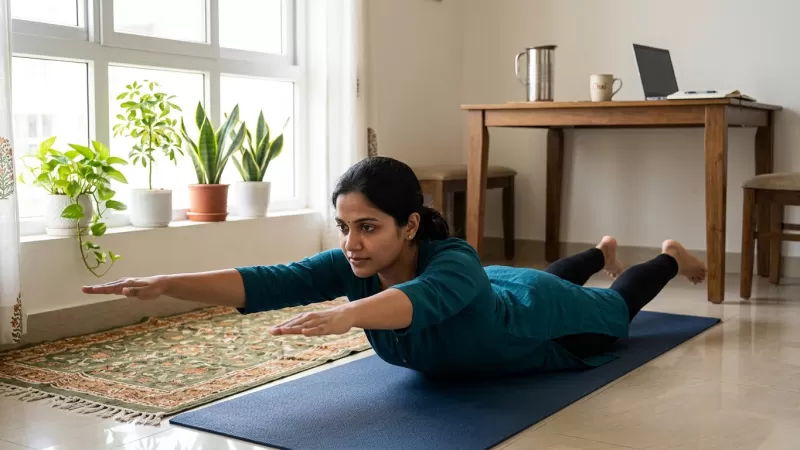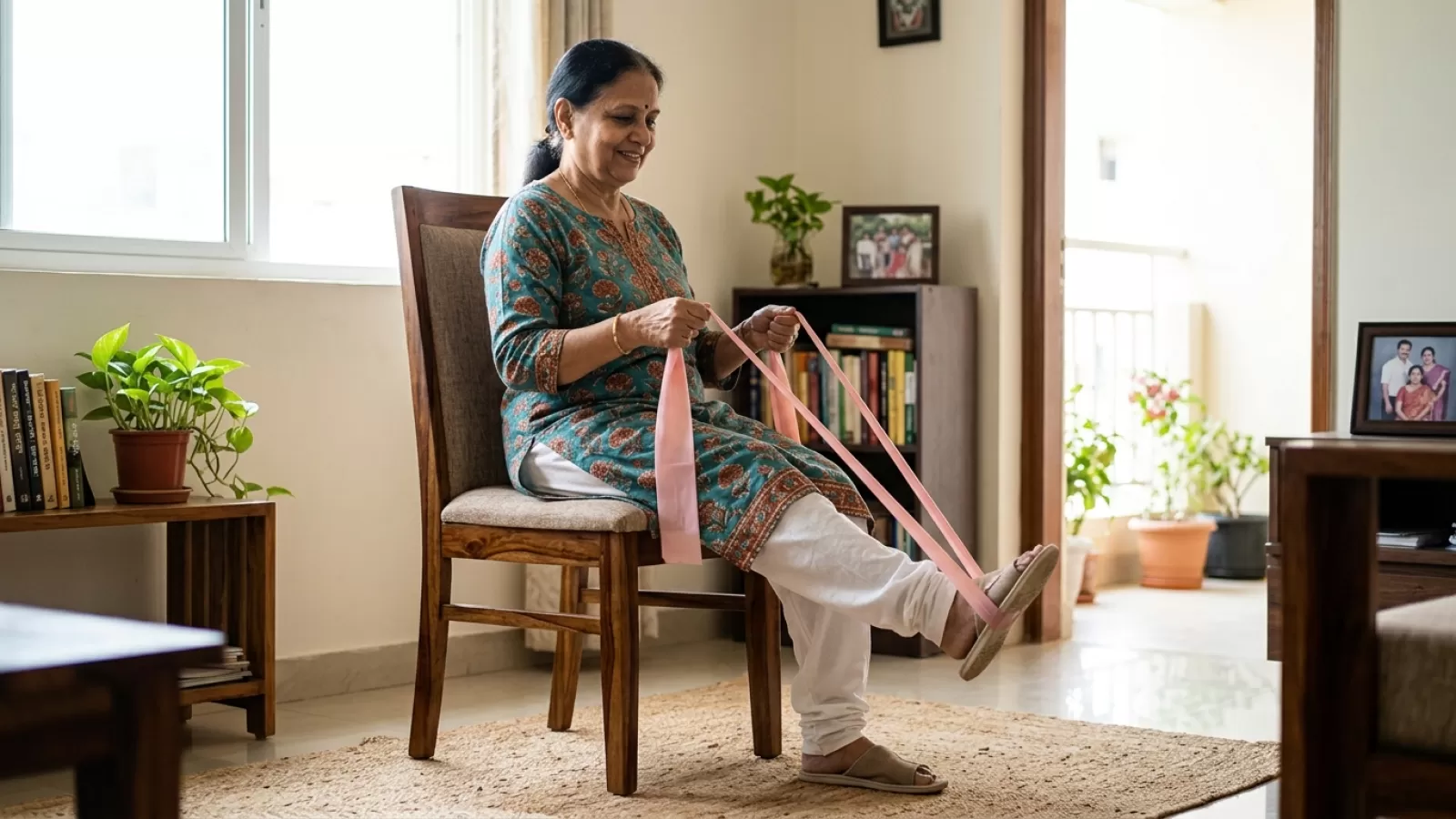
In many Indian homes, it’s not uncommon to see a senior family member quietly withdraw from daily movement once getting up and down from the floor becomes difficult. The old patterns of sitting cross-legged on the carpet for poha or doing simple stretches on a mat start fading away, replaced by long hours in a chair, often in front of the TV or near the kitchen window. These days, chair exercises for Indian seniors at home are quietly becoming a practical bridge—helping many maintain strength and independence even when floor exercises are no longer comfortable.
For families where a parent or grandparent finds it tough to kneel, squat, or get off the ground, gentle exercises using a sturdy chair can make all the difference. The aim isn’t to compete with younger people’s routines or gym workouts, but to keep the body moving in ways that genuinely matter for daily life—from getting up to answer the door, to walking to the kitchen for chai, or even managing the stairs during a power cut.
Why Many Indian Seniors Stop Exercising When Floor Movements Become Difficult
For a lot of Indian seniors, the moment it becomes hard to lower oneself onto a mat or floor, activity levels drop sharply. In joint families or during festivals, elders who once sat easily on the floor for a meal or to lead evening prayers often start choosing a chair at the edge of the room, quietly excusing themselves from movement-heavy rituals. The tricky part is, this gradual shift can happen so silently that nobody realizes how much strength and flexibility is being lost—until simple acts, like standing up from a chair or taking a few steps without support, start feeling like a challenge.
Many homes, especially where space is tight or furniture is basic, don’t have the setup or the mindset for formal exercise. There’s a long-held belief that only young or fit people need to “work out,” and once you cross a certain age, rest is somehow safer. But the reality is, the less you move, the more you lose. In fact, physiotherapists who work with older adults often find that Indian seniors’ biggest loss of independence comes after a period when they stopped moving because getting down to the floor became too hard, not just because of age alone.
What Makes Floor Exercise Difficult for Indian Elders
Several factors combine to make floor exercises tough for many seniors in India. First, knee and back pain are common, especially for those who have spent decades sitting cross-legged or squatting—whether for eating, working, or using Indian-style toilets. Years of carrying groceries, running after children, or managing household chores add up. Sometimes, arthritis or old injuries play a role, but often it’s just the body’s natural wear and tear.
Then there are practical hurdles. In cities, flats with limited space mean there’s often nowhere to safely spread a mat. In older homes, uneven floors, clutter, or family members moving around can make floor exercises feel like a risky proposition. And after a fall (or a near-miss), seniors may become understandably cautious. Even weather plays a part—during humid summers, getting up and down from the floor can seem even harder because joints feel stiffer and sweat makes everything slippery.
Everyday Signs That Movement Has Quietly Slowed Down
- Difficulty rising from a chair without support: Many seniors start using their arms or nearby furniture to push themselves up, often with a small sigh or complaint about “stiffness.”
- Choosing to stay seated during family activities: Whether it’s a board game on the floor or folding clothes on a low stool, elders may start saying “no, you carry on” more often.
- Longer time spent sitting in one spot: Hours pass in the same chair, with movement mostly limited to mealtimes or bathroom breaks.
- More frequent complaints of joint pain or tiredness: Instead of feeling refreshed after rest, seniors often mention that their knees or back hurt more after sitting for too long.
- Loss of confidence during power cuts or stairs: When the lift is out or it’s dark, seniors who used to manage independently may now ask for help or avoid moving altogether.
Everyday Actions That Make Chair Exercises Work for Indian Elders
- Choose the right chair: In most Indian homes, a sturdy dining chair without wheels or arms works best. The seat should allow feet to rest flat on the floor, with knees at a right angle. Avoid plastic chairs that wobble or sofa seats that are too soft.
- Start with gentle movements: Simple leg extensions, seated marches, or ankle circles can be done while waiting for chai or watching TV. Even 5–10 repetitions, a few times a day, are a strong start for the elderly.
- Use a routine that fits into the day: Many families find that linking exercises to a daily ritual—like after breakfast or before evening tea—helps make them a habit, rather than a chore.
- Involve family in gentle reminders: A grandchild or spouse can join in or encourage the exercise session, making it less formal and more like a shared activity. This can make a "senior chair workout India" routine feel less like an obligation.
- Listen to the body but avoid complete rest: If pain increases, ease off, but don’t give up entirely. Adjust the movement, or try upper-body actions on the chair if legs are sore. If pain is persistent or new, a doctor’s advice is wise.
How Chair-Based Exercise Fits Into Indian Family Life
On a typical afternoon, when the house is quiet and the kitchen smells faintly of tadka from lunch, you might see an elder sitting near the window, gently lifting their heels or tapping their toes. Sometimes a family member puts on a favorite old song, and the senior does a few seated arm circles or slow marches in time with the beat. These are not formal workouts. Yet, in many homes across India, these "gentle exercises Indian elderly chair" routines are quietly weaving themselves into the fabric of daily life—often with better results than forgotten health club memberships.
There’s an unspoken understanding in many families that movement is not about doing something extraordinary, but about making everyday tasks easier. When a senior discovers that, after two weeks of chair exercises, getting up from the chair for evening snacks is less effort, or carrying a thali to the dining table feels steadier, the impact is felt by everyone.
When It’s Time to Ask for Extra Help
If a senior feels persistent pain, dizziness, or is unable to do even simple chair exercises without discomfort, it’s sensible to check with a doctor or physiotherapist. Sometimes, an underlying condition needs attention before new movements are added. In many Indian homes, gentle encouragement from family helps, but professional support is sometimes needed—especially after a fall, surgery, or sudden loss of mobility.
Common Questions
It’s natural to have a few doubts or worries before starting a new habit, especially when it comes to movement and aging. Here are some of the questions families in India often ask about chair exercises for seniors, with practical insights from everyday homes.
What are the safest chair exercises for Indian seniors with limited mobility or joint pain?
For seniors with joint pain or limited mobility, movements like seated marches, gentle knee extensions, and ankle circles are usually safest. In a Chennai home, for example, an elderly parent might start by lifting one leg at a time while sitting for morning news, or slowly rotating ankles to ease stiffness. Using a sturdy chair and moving at a comfortable pace, without forcing any joint, makes chair exercises Indian seniors at home safer and more effective. If any pain worsens or new symptoms appear, it’s a good idea to check with a doctor.
How many minutes of chair exercise daily is sufficient for Indian seniors to maintain meaningful physical function?
In many Indian households, seniors benefit from 15–20 minutes of chair-based movement each day, though even 10 minutes spread throughout the day can help. A senior in Pune might do five minutes after breakfast and a few more before dinner, fitting it around routines like newspaper reading or TV time. Consistency matters more than the total time—regular movement keeps joints and muscles active, even if it’s broken up into smaller sessions.
Can chair exercises for Indian seniors genuinely prevent the physical decline that accompanies reduced activity in later years?
Yes, regular chair exercises Indian seniors at home practice can absolutely slow or prevent physical decline due to inactivity. In many homes, seniors who start gentle exercises after a period of inactivity often notice improved ease with daily tasks—like standing up, walking to the bathroom, or carrying a cup of chai. Staying active in any form helps maintain leg strength, balance, and confidence, which are key to independence as we age.
Which chair exercises most specifically support the joint health and muscle function that Indian seniors need most?
Movements that target the thighs, hips, and lower legs—such as seated leg extensions, gentle squats using the chair for support, and ankle pumps—directly help with joint mobility and muscle strength. For example, a senior in a Delhi flat may practice standing up and sitting down from the chair several times, holding a table for balance if needed. These movements mimic the actions needed for getting out of bed, climbing stairs, or using the bathroom, making them highly relevant for daily life.
How does a family encourage an elderly Indian parent to do daily chair exercises when the parent is resistant to the idea of formal exercise?
Many Indian elders are hesitant about anything called “exercise.” In a household in Jaipur, for instance, a daughter might suggest doing a few arm raises or leg movements together while chatting over chai, making it feel less like a task and more like a shared moment. Linking gentle exercises Indian elderly chair routines to favorite songs, TV shows, or after-meal times also helps. Gentle encouragement, patience, and joining in as a family, instead of insisting or nagging, usually works best.