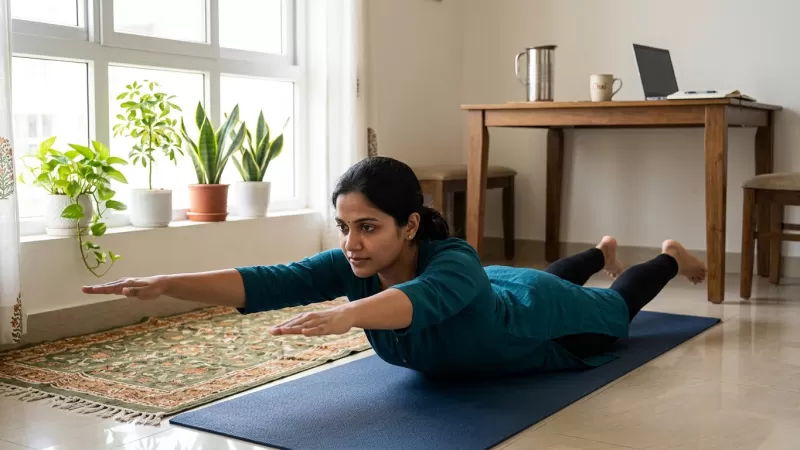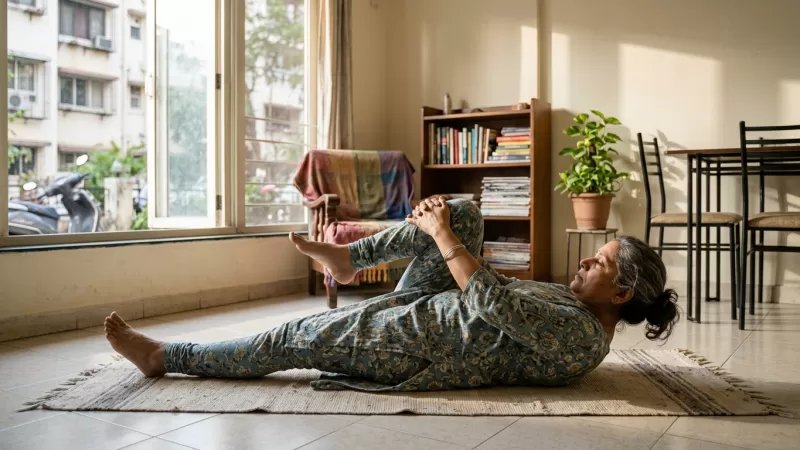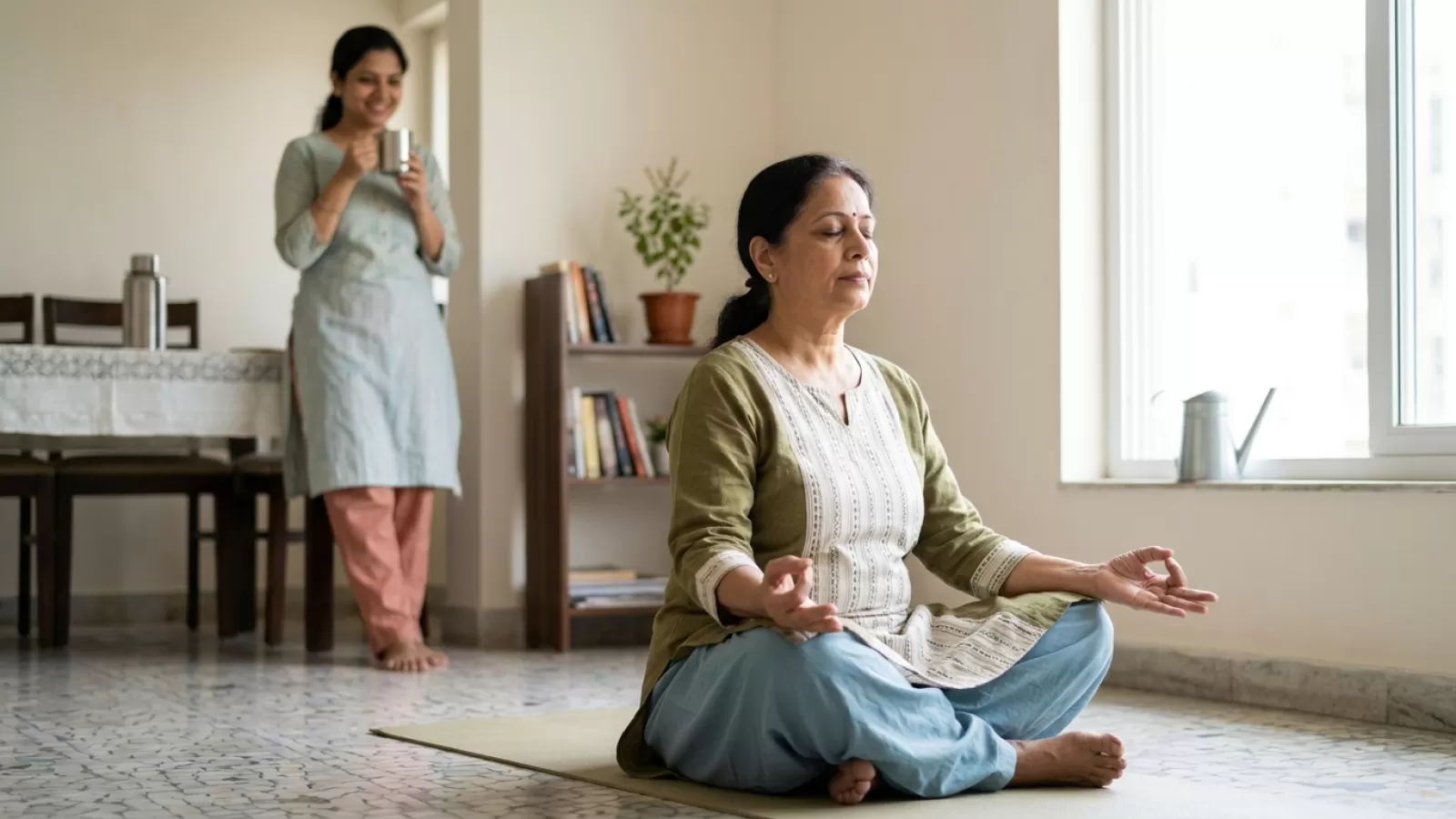
On a humid April morning, as sunlight filters through the kitchen window, the quiet struggle of an elderly family member climbing stairs is easy to miss. In many Indian homes, moments like these—shortness of breath after a simple walk or stiffness when reaching for a high shelf—tend to get brushed aside. But gentle breathing exercises Indian seniors at home, along with easy flexibility movements, can quietly change how daily routines feel.
Many elderly adults discover that breathing and flexibility, which seemed like background abilities in their forties and fifties, suddenly matter much more. The good part? You don’t need a yoga mat, a special room, or a coach. These gentle habits can begin right in your living room, on that old wooden chair, or even during a pause after chai. Often, just a few weeks of regular practice brings more comfort to everyday life.
Why Breathing and Flexibility Decline Is So Common in Indian Families
Across generations in Indian families, it’s usual to notice seniors moving slower or needing to catch their breath more often. In many homes, the rhythm of life changes after retirement. The daily walks to the market, the hustle of managing kids, or the rush to catch the morning bus become less frequent. With less daily movement, both breathing capacity and flexibility tend to fade quietly over time.
Joint family setups sometimes mean there’s always someone to help with chores, so seniors may lift and bend less. In urban apartments, space is often tight, making it easy to skip stretching or movement. During summer, the heat can discourage even the most active among us from regular walks. Over months and years, these small shifts add up. Breathing deeply feels a bit harder, and movements like bending to tie shoelaces or reaching for a pot in the kitchen become more challenging. Most people don’t notice the decline until something routine—like climbing stairs for pooja or standing for long while making chapatis—feels surprisingly tough.
How Age, Lifestyle, and Daily Patterns Affect Seniors’ Breathing and Flexibility
The tricky part is, these changes rarely happen overnight. A working professional commuting in Bengaluru might spend decades sitting at a desk, only to find in retirement that his back and hips are stiff. Seniors who spent years cooking, cleaning, and managing the household may have done plenty of movement, but not the kind that keeps joints loose or lungs strong.
Fitness coaches who train working adults often find that most movement in Indian homes comes from daily tasks, not planned exercise. That said, these daily chores rarely include slow, deep breathing or focused stretching. Add in health conditions like high blood pressure or diabetes, and many elderly adults become even more cautious—sometimes avoiding movement altogether for fear of pain or injury. Cultural habits matter too. In many families, there’s a sense that rest is safer than activity as we age. But gentle exercises elderly Indian adults breathing and stretching can actually support independence and comfort, even in the presence of mild aches or stiffness.
Everyday Signs That Breathing and Flexibility Are Slipping Away
- Getting breathless faster: Climbing one flight of stairs, walking to the gate, or even chatting while moving around the kitchen leaves you panting sooner than before.
- Stiffness after sitting or sleeping: Mornings bring a sense of tightness in your back, hips, or shoulders, making the first few steps or stretches uncomfortable.
- Small routine struggles: Buttoning a kurta, pulling on socks, or squatting to pick up something from the floor becomes awkward or requires support.
- Reduced confidence in movement: A subtle fear of tripping, wobbling, or losing balance creeps in, so you avoid certain chores or outings.
- Fatigue after physical tasks: Simple chores like sweeping, folding laundry, or even preparing a big meal leave you unusually tired or short of breath.
Simple Daily Actions to Support Indian Seniors’ Breathing and Flexibility
- Chair-based breathing exercises: Three times a week, sit upright on a sturdy chair. Place one hand on your chest, the other on your belly. Breathe in slowly through your nose, feeling the belly (not just the chest) rise. Exhale gently through pursed lips. Repeat for 5–10 breaths. This is one of the easiest breathing exercises Indian seniors at home can begin.
- Gentle neck and shoulder rolls: After chai or before breakfast, softly roll your shoulders back and forth, then rotate your neck side to side. This keeps upper body joints loose and helps reduce stiffness from prolonged sitting.
- Seated forward bends: Sitting on a chair, gently bend forward to reach towards your toes. Even if your hands only go to your knees, this stretches your lower back and hamstrings—a vital flexibility exercise for Indian elderly who spend time seated.
- Hip and ankle rotations: While watching TV, rotate each ankle in circles, then do the same with your hips by gently moving your knees side to side (feet flat on the floor). These movements support balance and make getting up from low seating, like a floor mat during pooja, easier.
- Breath-coordinated movement: Try synchronizing slow arm raises with deep inhales and lowering arms with slow exhales. This habit, done for a few minutes, builds both breathing and flexibility, supporting senior breathing and flexibility India-style without needing special clothes or equipment.
From Kitchen to Balcony: Everyday Patterns in Indian Senior Life
A kitchen in Nagpur at 6am: The fan is on low, birds are calling, and the smell of ginger chai rises as an elderly woman stands by the stove. She pauses before reaching into the overhead cabinet, feeling the familiar tightness in her shoulder. On other days, after weeks of gentle shoulder rolls and daily deep breathing, she notices she can stretch that little bit further—lifting the tea tin without wincing.
Across cities and towns, many families have quietly discovered that these simple routines fit into daily life without fuss. Some seniors do their breathing exercises after their morning walk, while others fit in flexibility movements before their evening TV serials. Even during power cuts or humid afternoons, these habits don’t need electricity or equipment. Over time, they make small tasks—like folding bedsheets with a grandchild, or sitting cross-legged during a festival—feel less daunting.
When Home Practices Need a Doctor’s Input
Most gentle exercises elderly Indian adults breathing or stretching are safe for those without major health issues. But, if breathlessness is sudden or severe, or if joint pain is sharp and persistent, it’s wise to check with a doctor. Seniors with heart conditions, recent surgeries, or balance problems should always discuss new exercises with their healthcare provider. In many families, a quick phone call to the family doctor can clear doubts and prevent worries later on.
Common Questions
Many Indian households wonder how to begin breathing exercises and flexibility routines for elders, or when a professional opinion is needed. Let’s walk through some practical answers, using everyday scenarios that might sound familiar in your own family.
What breathing and flexibility exercises are most appropriate and beneficial for Indian seniors?
For most Indian seniors, chair-based breathing exercises and gentle seated stretches are both safe and effective. For example, practicing slow belly breathing while sitting in a sturdy chair, shoulder and neck rolls, gentle forward bends, and ankle circles are common choices. These routines can be done in small spaces—like the corner of a living room or even on a balcony. Many families find that doing these exercises after morning chai or before dinner fits best into the day’s rhythm.
How does declining breathing capacity affect the daily physical function of Indian elderly adults and how early should it be addressed?
Declining breathing capacity often shows up as breathlessness during simple activities—climbing stairs, sweeping the floor, or even chatting while walking. In Indian homes, elders may stop participating in family outings or avoid chores due to this. Addressing it early, even before major problems appear, helps maintain independence and makes routines like shopping or playing with grandchildren far more comfortable. It’s never too soon to start gentle breathing exercises Indian seniors at home can do.
Can simple daily breathing exercises meaningfully improve lung capacity in Indian seniors who have not exercised in years?
Yes, most Indian seniors—even those who haven’t exercised in years—notice real improvements with simple, regular breathing exercises. For example, an elderly parent who begins slow, deep breathing three times a week often finds climbing stairs or walking to the market gets easier within a month. The key is to start gently and be consistent. If breathlessness is severe or sudden, always check with a doctor first.
Which flexibility exercises are most important for maintaining the range of motion that Indian seniors need for everyday activities?
Hip and shoulder movements are especially helpful for Indian seniors. Gentle shoulder rolls, seated forward bends, and hip rotations help with tasks like dressing, reaching for overhead shelves, or sitting cross-legged on the floor. Ankle circles support balance, which is important for moving around safely at home. Many families find that adding these movements to daily routines, even for five minutes, makes a noticeable difference in comfort over time.
When do breathing or flexibility problems in an Indian senior indicate conditions that need medical assessment before home exercises begin?
If an elderly adult experiences sudden or severe breathlessness, chest pain, dizziness, or sharp joint pain, it’s wise to consult a doctor before starting any new exercise. In Indian homes, this may come up after an illness, a fall, or a new diagnosis. When in doubt, ask your family doctor—sometimes, a quick checkup or a phone call provides peace of mind and clears up any worries about starting gentle routines at home.