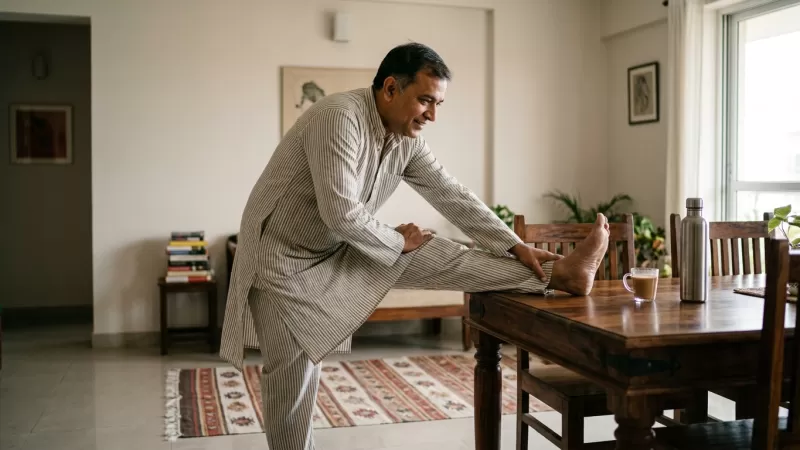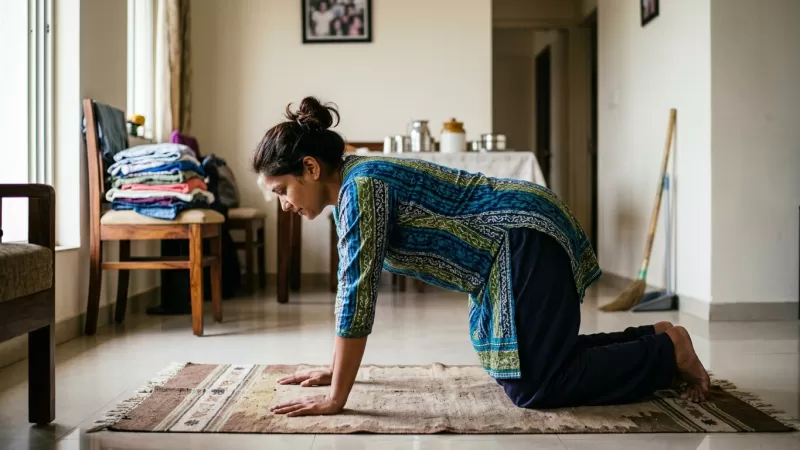
Many people start a new exercise or movement routine at home with a burst of energy, only to feel bored after a few weeks. You've probably noticed how quickly a once-fresh set of morning stretches or evening walks can start to feel like a chore. Sometimes, it's not a lack of motivation or time—it's simply that doing the exact same thing every day gets dull. And when boredom creeps in, it's easy to skip a day, then another, until the whole routine quietly disappears.
Why Boredom Happens with Repeated Home Routines
The way most of us live—inside homes or apartments, juggling work calls, household chores, and family needs—means our movement often gets squeezed into short, predictable slots. Maybe you do ten rounds of arm circles while the dal simmers, or take a few laps on your terrace in the evening. Over time, these movements become so familiar that your mind starts to wander or your body just goes through the motions.
This is normal. In fact, our brains are wired to tune out repetitive things, even helpful ones. The tricky part is, once something feels boring, it's hard to stay consistent. You might start skipping those stretches or walks, not out of laziness, but because you simply want something different.
So, it's not your fault if you feel restless with your current activity. Many families quietly deal with this, especially when outside options are limited or routines feel forced.
Small Tweaks That Keep Things Fresh
Here's some good news: You don't have to double your exercise time or learn complicated moves to make things interesting. Sometimes, the smallest change is enough to wake your mind up and keep your body guessing.
- Change your route: If you walk inside your house, try a new path—maybe circle the dining table one day, then the balcony the next.
- Reverse your sequence: If you usually do neck rolls, then shoulder shrugs, then toe touches, try reversing the order. It's surprising how this tiny change can make your body pay more attention.
- Alter your speed: Do your movements slowly one day, quickly the next. Slowing down can actually make simple actions feel more challenging and interesting.
The point isn't to make things harder, just a little different.
Household Chores: Movement in Disguise
Most Indian homes already have plenty of movement built in, but we rarely notice it. Sweeping, mopping (pocha), washing clothes by hand, or even watering plants—these aren't just chores, they're opportunities for movement. But if you do them the same way every time, even chores can get boring.
Try switching hands when you sweep, or put on music and match your movements to the rhythm while you mop. If you usually fold clothes sitting down, try standing or even squatting sometimes. It's not about burning more calories—it's just about refreshing your body and mind.
Many seniors find that small variations in chores, like doing them at a different time of day, can make the work feel new again. That said, don't force yourself; if you're tired, it's okay to stick with the familiar.
Using Everyday Objects for Variety
You don't need fancy equipment to add a twist to your routine. Most homes have plenty of safe, everyday objects you can use to liven things up.
- Use a towel for stretches: Hold it between your hands and try gentle side stretches.
- Lift a water bottle: Use it as a light weight for simple bicep curls or overhead presses (just make sure the cap is tight!).
- Step up on a sturdy stool: If you have a safe, flat stool or step at home, stepping up and down a few times can wake up sleepy leg muscles.
Always check that objects are safe and stable before you use them, especially if you live with children or seniors. It’s better to keep things simple and safe.
Adding a Dash of Fun: Music, TV, and Family
Sometimes, the real boredom is in the silence. In many homes, you might find that putting on a favourite old song while you move changes the entire mood. Some families even do a few stretches together during TV ad breaks or in the kitchen while waiting for the cooker whistle.
You could try:
- Marching in place or doing side steps to the beat of a song.
- Doing simple stretches as a family after dinner—nothing serious, just reaching for the ceiling or touching toes.
- Turning a boring wait (like heating milk) into a quick movement break.
Children often join in if it looks fun. But even if you're alone, a little music or TV in the background can keep things from feeling too routine.
Timing Tricks: When and Where Matters
Another way to break the monotony is by shifting your activity to a different time or place. If you always stretch right after waking up, try doing it in the evening instead, or during a work-from-home lunch break. Some people find that a change in lighting or even the weather (like a cooler morning breeze during winter) can make the same movement feel new.
Sometimes, simply moving to a different room or facing a new direction can make things interesting. On days when it’s raining and you can’t go outside, you could try walking in the corridor or doing movements near a window.
This isn't about being rigid with schedules. It's about giving yourself permission to adjust based on your mood and energy that day.
Celebrating Small Wins, Not Perfection
It’s easy to feel guilty if you miss a day or two, or if your routine isn’t as exciting as you hoped. But many people forget—consistency isn’t about doing things perfectly, it’s about coming back to your routine, even after a break.
If you try a variation and it doesn’t feel right, that’s okay. You can always switch back. The point is to keep moving, not to impress anyone. In many Indian families, quiet, steady effort works better over time than sudden, over-enthusiastic changes.
Some days, just taking a few deep breaths and doing a gentle stretch counts as a win. Truly.
Listening to Your Body and Mind
There are times when no amount of variety makes movement appealing. You might be tired from festival preparations, fasting, or a long workday. On those days, it's perfectly fine to rest or do something very light. Forcing yourself often backfires—instead, try to treat movement like a gentle companion, not a punishment.
It's also normal to feel confused about what counts as enough. If you're moving a little every day, varying your actions, and not feeling overly sore or exhausted, you're probably on the right track. Listening to your own energy and mood is as important as any official guideline.
And remember, even the most dedicated people get bored sometimes. The key is to notice it, make a small change, and keep going—one day at a time.