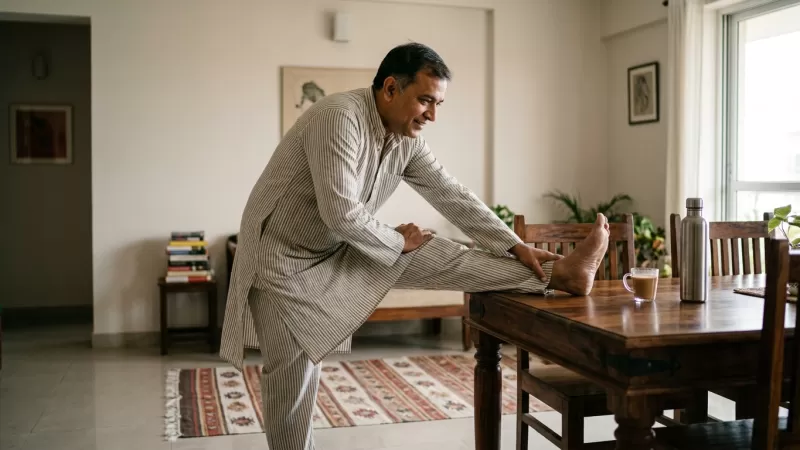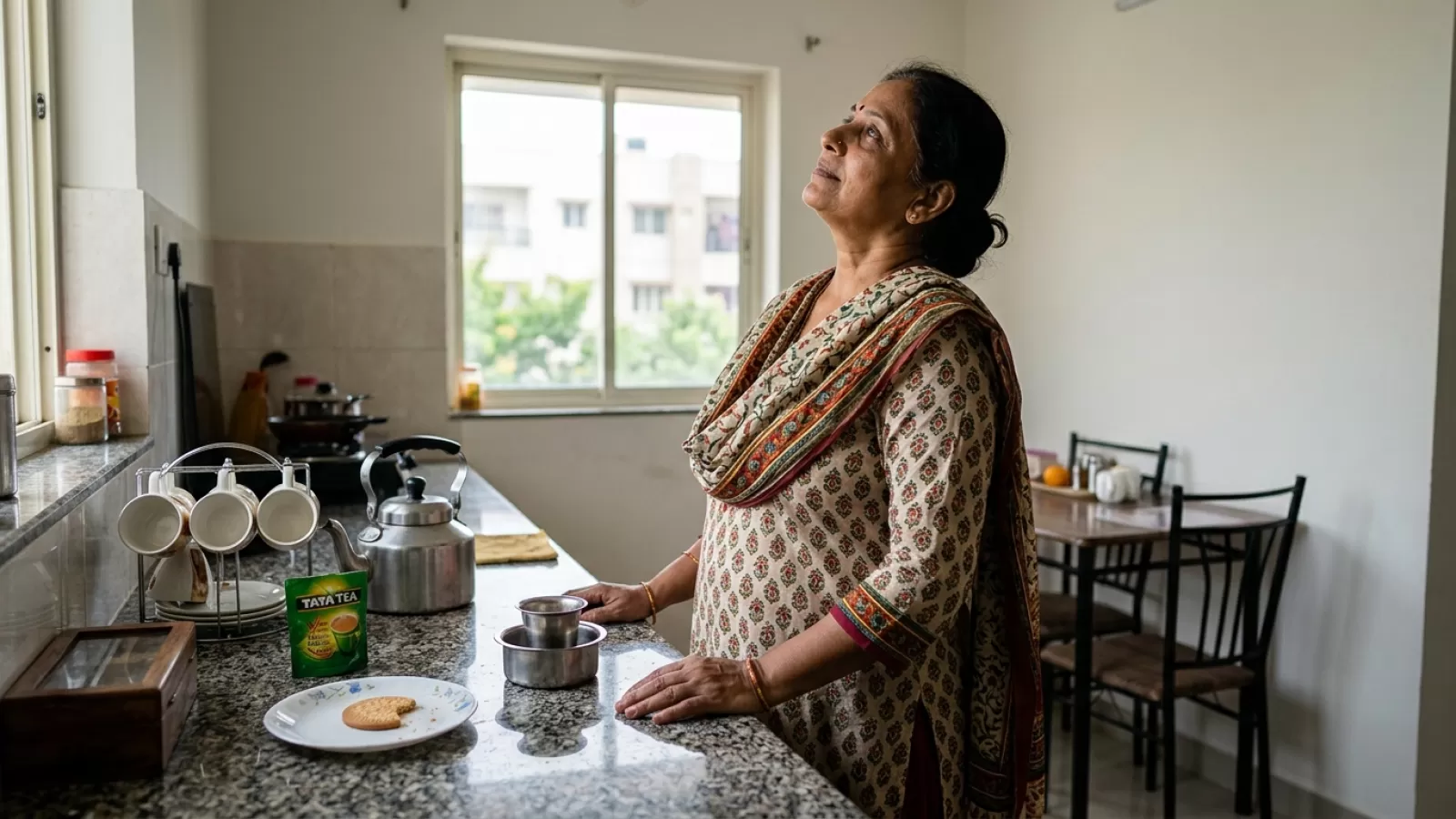
Most people in India, whether you’re running a busy household, working long hours at a desk, or enjoying retirement, have noticed a certain heaviness or tightness creeping into the body. After a day filled with quick chores, endless phone calls, or simply sitting for too long, the joints—especially around the neck, back, or knees—can start to feel stiff. It’s a quiet discomfort, not always painful, but it can make simple movements feel sluggish. You've probably noticed your shoulders rising toward your ears as you chop vegetables, or your knees feeling locked after a long drive or evening in front of the TV. This kind of everyday stiffness tends to sneak up on us, especially in modern Indian homes where movement often takes a back seat to busy routines. Stretching is one of those gentle, sensible habits that can help ease this tension. It doesn’t require fancy equipment or much time, and you can start right in your bedroom, living room, or even the kitchen while waiting for the dal to simmer.
Why Do We Feel Stiff, Really?
Stiffness isn’t only for athletes or people with health issues. In many families, the causes are much simpler: sitting cross-legged for long stretches, standing for hours during festival preparations, or even sleeping in the same position on a mattress that’s seen better days. Our daily routines often ask the same muscles and joints to work over and over, while others barely get used.
With age, our joints naturally lose some flexibility. But these days, stiffness isn’t just about growing older. More young people, especially those working from home, talk about waking up with tight hips or a stiff lower back. It’s partly because we don’t move as much between tasks as our parents or grandparents did. Even household chores, which seem physical, often involve repetitive motions that tighten certain parts of the body.
The good news is, most day-to-day stiffness can be eased with gentle stretching. It’s not about touching your toes or doing acrobatics, but about inviting some movement back into areas that have gone quiet from disuse. Small, regular stretches can help your body remember what free movement feels like.
How Gentle Stretching Helps
Stretching isn’t magic, but it does have its place in an ordinary routine. When you stretch, you’re not only loosening tight muscles but also encouraging your joints to move through their natural range. This helps keep them from getting "rusty," so to speak.
Stretching also wakes up your circulation. After sitting for long hours at the office or on the sofa, a few easy stretches can send fresh blood to areas that have been stuck in the same position. This can make you feel lighter, and sometimes even a little refreshed.
The trick is to keep things slow and soft. No need to push until it hurts or strain yourself. In fact, in many homes, people find that gentle, regular stretching works better than anything dramatic. You might not notice huge changes in a day, but over weeks, the body often feels more open and less sluggish.
When Should You Stretch?
There’s no single best time for everyone, but certain moments fit naturally into daily life. For many people, mornings are a good time—after waking up, when the body is naturally a bit tight. A few minutes before or after your tea, even while the water boils, can be enough to loosen up.
Others prefer to stretch in the evening, after the main rush of the day has passed. This is especially true for seniors or those who feel stiff after sitting through long TV serials or reading. Right before bed can also help, easing tension and sometimes supporting better sleep.
That said, sometimes the best stretch is the one you do when you notice stiffness building up—maybe during a break from laptop work, or after carrying heavy bags of groceries. You don’t need to wait for a perfect time. Just a few minutes here and there can make a difference.
Simple Stretches You Can Start With
There are plenty of stretches out there, but the simplest ones often fit best into everyday Indian routines. Here are a few you can try, almost anywhere:
- Neck Rolls: Gently drop your chin toward your chest, then roll your head slowly from side to side. Great for releasing tension built up during long phone calls or chopping vegetables.
- Shoulder Shrugs: Lift your shoulders up toward your ears, hold for a second, and then relax them down. Useful after carrying laundry or sitting at the computer.
- Seated Spinal Twist: While sitting (on a chair or the floor), gently twist your upper body to one side, holding the back of the chair or your knee for support. Repeat on the other side. This is helpful after long hours of sitting.
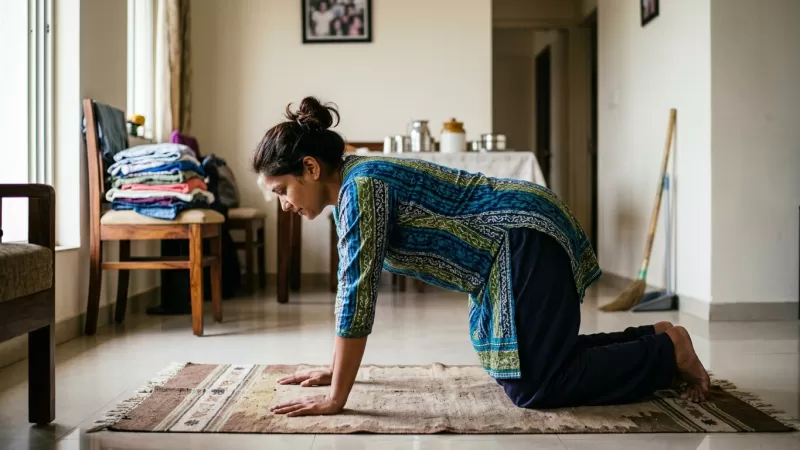
- Cat-Cow Stretch: On your hands and knees (or even sitting, if that’s easier), arch and round your back slowly, moving with your breath. Good for waking up the spine first thing in the morning.
- Standing Calf Stretch: Stand facing a wall, place your hands on the wall, and step one foot back. Keep your heel down and feel the stretch in your calf. Handy after wearing chappals all day or standing in the kitchen.
Most stretches can be held for 10–20 seconds, repeated a couple of times. The key is to move slowly, breathe calmly, and never force anything. If something feels wrong or painful, it’s best to stop and rest.
Tips to Make Stretching a Habit
The real challenge isn’t finding stretches, but remembering to do them. Life gets busy, and it’s easy to put off self-care when there are so many demands at home and work. Here are a few ways to gently weave stretching into your day:
- Pair stretches with daily habits—like stretching your arms while waiting for your tea, or doing a shoulder roll before folding clothes.
- Keep it short and simple; even two minutes is better than nothing.
- Use reminders—some people hang a dupatta or towel in a visible spot as a visual cue to stretch.
- Invite family members to join in; sometimes stretching together can make it more enjoyable and less of a chore.
Don’t be hard on yourself if you miss a day or feel too tired sometimes. Most families quietly deal with this. The important thing is to come back to it when you can.
Common Hurdles and How to Gently Overcome Them
Let’s be honest: even with the best intentions, it’s easy for new habits to fall away. Some days you might simply forget, or feel like there’s just no time between all the cooking, cleaning, and work. For some, the idea of stretching feels a bit silly, or even uncomfortable at first.
One practical way to get past this is to link stretching with something you already do daily. You might try a quick neck stretch right after brushing your teeth, or stretch your legs before you settle down for your evening news. The less you have to think about it, the easier it becomes.
And if you ever feel awkward or unsure whether you’re "doing it right," remember: the main goal is gentle movement, not perfection. There’s no need to copy anyone else. Your body knows its own limits and preferences.
Adapting to Indian Seasons and Lifestyles
Indian weather and routines can affect how our bodies feel. For example, in winter—especially in North India—stiffness is more common in the mornings. Wrapping yourself in a shawl and doing a few stretches before stepping into household work can help. In the humid summer, you might prefer to stretch in the early morning or late evening when it’s cooler.
During festivals or family gatherings, there’s often extra work and less time for self-care. It’s okay if you miss a few days. You can gently return to your routine once things settle down. Stretching doesn’t need rigid discipline to be helpful; it just needs to be a small, regular part of your life.
For those living in joint families or small apartments, privacy or space can be an issue. Even then, many stretches can be done on your bed or in a quiet corner. The goal isn’t a perfect routine, but simply making movement easier for yourself, bit by bit.
A Few Final Thoughts
Most people won’t become super flexible overnight, and that’s completely fine. The aim here isn’t to compete with anyone or do difficult yoga poses, but to gently reduce the stiffness that comes from daily life in Indian homes. If you can move a little more comfortably, reach up to a kitchen shelf with less strain, or simply feel lighter in your body, that’s a real win.
As with most things, consistency matters more than intensity. Even gentle efforts, spread over weeks and months, tend to add up. And while it may sometimes feel like just another thing on your long list, stretching is a quiet act of care that supports you in all your other roles—whether you’re managing a home, working, or enjoying your later years.
So, the next time you feel a little stiff while waiting for the pressure cooker to whistle, or after a long video call, try a simple stretch or two. Your body will usually thank you for it, even if it takes a while to notice the change.