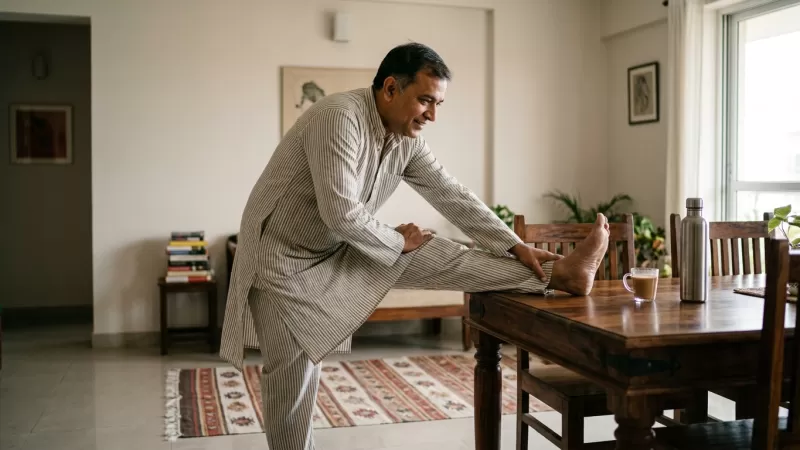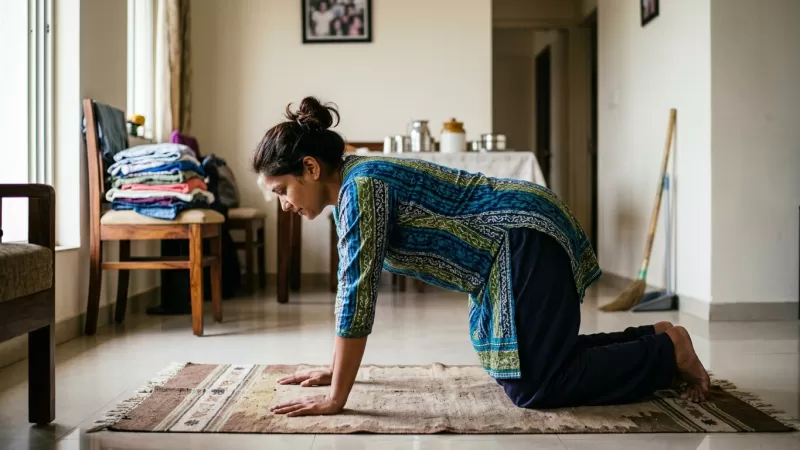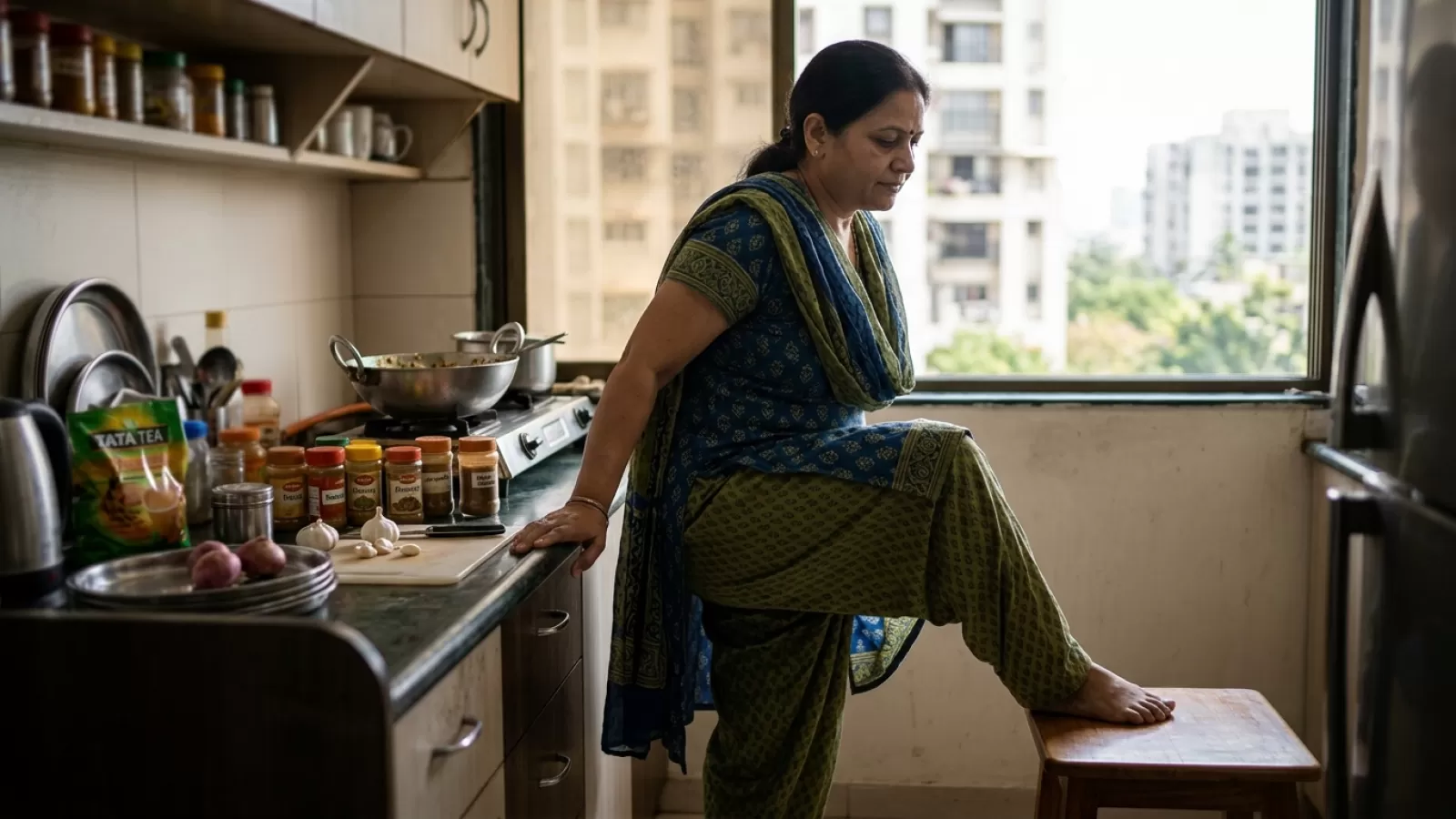
Some mornings, just getting out of bed feels like a chore. Your body might feel stiff, your limbs heavy, and the usual stretch to turn off the alarm seems harder than it should. On days like these, the idea of jumping into a hard workout or even a brisk walk can feel slightly out of reach. This isn’t unusual—especially in Indian homes where busy routines, late nights, and daily pressures often leave us feeling drained. Still, you might wish for that familiar sense of lightness and flexibility, the kind that makes daily chores or even sitting cross-legged on the floor comfortable again.
Why Does the Body Feel So Heavy Sometimes?
It’s a question many quietly wonder about. There are days when your legs feel like they’re made of lead or your back is simply unwilling to cooperate. This sluggishness tends to show up after stressful weeks, long travel, or a run of late-night dinners (which, let’s admit, happens more often during festival season or family gatherings).
There isn’t always a single reason. Sometimes, it’s a mix of not enough sleep, changes in the weather (hello, humid Mumbai monsoon or chilly Delhi winter), or just not moving enough the day before. Even sitting for long stretches—during online meetings, binge-watching a new series, or managing household accounts—can make joints feel stuck.
Here’s the catch: The heavier you feel, the less you want to move, and the less you move, the heavier you feel. It’s a familiar cycle in many homes. But, there’s a gentle way to nudge your body out of this rut.
Intense Exercise Isn’t Always the Answer
If you try to force yourself into a high-energy workout when you’re already feeling sluggish, you might just end up more tired—or even a bit resentful of the whole process. This is something that’s rarely said out loud, but it’s true for many people juggling work, family, and other responsibilities.
While intense exercise has its place, it isn’t always helpful when your body feels weighed down. Pushing through with heavy cardio or demanding routines can sometimes lead to burnouts, strains, or simply losing interest in exercise altogether. Especially after a busy day filled with cooking, office emails, and helping children with homework, your body might be asking for kindness, not punishment.
This is where slow movement exercises can be quietly powerful. They don’t look dramatic, but they’re supportive and surprisingly effective, especially on the days when energy is low.
The Gentle Power of Slow Movements
Slow movement exercises—think simple stretches, controlled joint rotations, or gentle yoga—allow you to check in with your body, rather than fight against it. These aren’t about burning calories or breaking records. They’re about waking up sleepy muscles and reminding your joints how it feels to move freely again.
One thing many people notice: slow movements often reveal just how tight or stiff certain areas have become. That’s not a bad thing. It’s just your body’s way of letting you know where it needs a little extra attention.
Some of the quiet benefits you might experience include:
- Lighter, easier movement during daily chores (like bending to tie shoelaces or reaching for containers on the top shelf)
- Less stiffness after long periods of sitting
- Better overall mood—because gentle movement can lift your spirits without draining your energy
Simple Slow Movement Routines for Sluggish Days
There’s no need for fancy equipment or a gym membership. Most of these movements can be done right in your living room, bedroom, or even the kitchen while waiting for the dal to simmer.
Here are a few ideas you might find helpful:
- Neck rotations: Slowly move your head in a circle, first clockwise, then anti-clockwise. This is especially helpful if you’ve been staring at screens for hours.
- Shoulder rolls: Lift your shoulders up towards your ears, then roll them back and down. Repeat a few times, especially after carrying heavy grocery bags.
- Seated forward bend: Sit on a mat or bed, stretch your legs out, and gently reach forward. Don’t force it—just go as far as you comfortably can.
- Gentle twists: While seated, slowly twist your upper body to one side, holding for a few breaths, then switch sides. This helps wake up your spine.
- Slow ankle circles: Sitting or lying down, rotate each ankle a few times. This is a small movement but makes a big difference, especially if you’re on your feet a lot.
Start with just 5–10 minutes. Some days, that’s all you need. The idea isn’t to “finish a set”—it’s to feel even a little bit looser than when you started.
When and How to Fit Slow Movements Into Your Day
Finding time can be tricky—most Indian families have busy mornings and often eat dinner late. But slow movements don’t demand a fixed slot. They can be woven into your routine quietly, without much fuss.
Some families find it easiest to do a few stretches right after waking up, before the house gets busy. Others prefer winding down in the evening, maybe while chatting with a spouse or watching the news. You might even find a moment while waiting for tea to boil or during a break from online meetings.
Here’s something you may not hear often: It’s okay if you forget some days, or only do a few movements. Slow movement is about listening to your body—not ticking off a checklist.
How Slow Movements Help with Joint Mobility and Lightness
Joints, especially knees, hips, and shoulders, tend to stiffen up with age or long periods of inactivity. In many Indian homes, sitting cross-legged on the floor for pooja or family meals isn’t as easy as it used to be. Slow, mindful movements encourage the joints to produce natural lubrication, making them feel less creaky and more reliable.
Another thing: slow movements help reconnect your mind to your body. When you move gently, you start to notice where you’re tight, where you’re relaxed, and where you might need more support. Over time, this awareness can make you feel lighter—physically and mentally.
It’s not about perfection. Even a little bit of regular movement can make daily life feel smoother, whether you’re climbing stairs or just getting up from the sofa.
Practical Tips to Keep Going (Even When Motivation Is Low)
Let’s be honest—motivation comes and goes, especially when life is busy or the weather is uncomfortable. During humid months, you might feel more sluggish, and in winter, even getting out from under the blanket can seem like a victory.
Some tricks that often help:
- Keep a mat or towel handy in the room where you spend the most time. Visual reminders work better than phone alarms.
- Pair slow movements with something enjoyable—like your favourite morning playlist or a cup of chai afterwards.
- Involve family members. Children and seniors can both benefit, and it’s often more fun together.
- Give yourself permission to do less on tough days. Even 2–3 minutes count.
One thing many quietly discover: it gets easier once you start, and sometimes, the hardest part is just beginning.
What to Watch Out For: Gentle Cautions
Slow movement is generally safe for most people, but it’s always wise to listen to your body closely. If any movement causes pain (not just a gentle stretch, but real discomfort), it’s better to stop. There’s no need to push through.
Also, some families have elders with arthritis or joint issues. In such cases, extra care is needed—let comfort guide you, and don’t hesitate to rest if things feel off. And of course, if you have a medical condition or recent injury, it’s always best to check with a trusted health professional before starting anything new.
Slow movement isn’t about testing your limits. It’s about supporting your body, especially on days when it feels heavy or stuck.
Small Steps, Quiet Progress
It’s easy to feel discouraged when your body isn’t cooperating, especially if you remember being more flexible or energetic in the past. But bodies change, routines shift, and some days simply feel heavier than others.
The good news? Even gentle, slow movements can help you feel a bit lighter, a bit more comfortable in your own skin. Over time, these small efforts add up—making it easier to sit on the floor during family gatherings, get through daily chores, or just enjoy a walk in the park.
If you’re having one of those days when everything feels like an effort, try a few slow movements. There’s no rush, no pressure, and no need for perfection. Sometimes, it’s the smallest steps that help you feel a little more like yourself again.