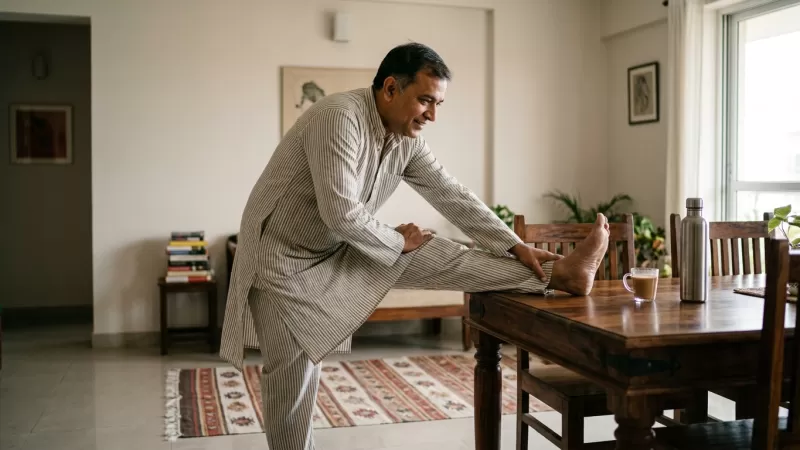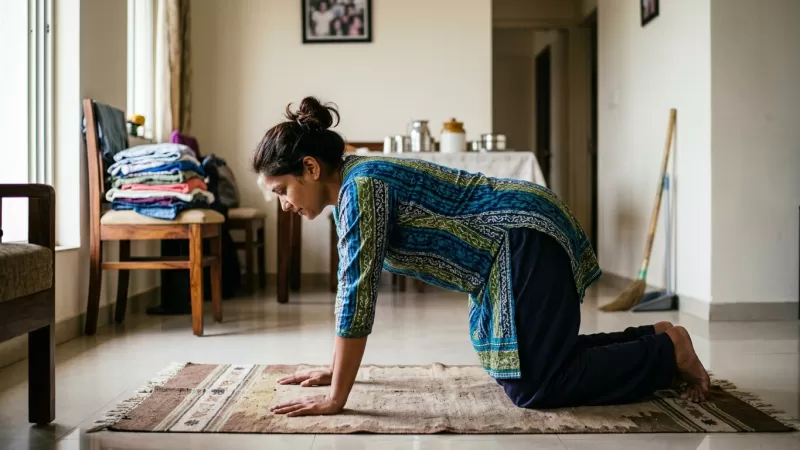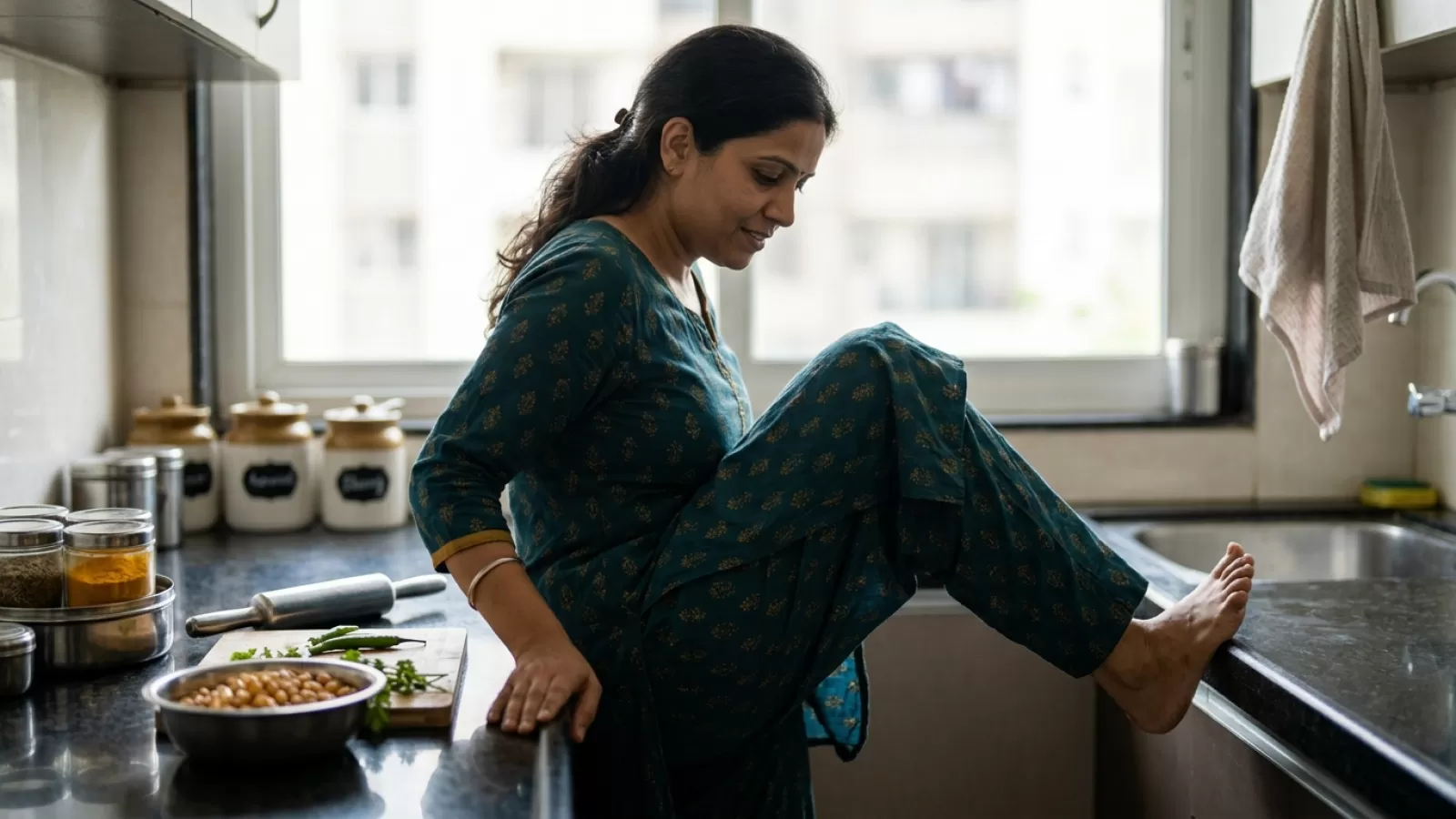
Some days, you just don't move much. Maybe it’s the monsoon keeping you indoors, or you’re working long hours from the sofa, or it’s just one of those weekends where you barely get up except for chai and meals. It happens in many Indian homes, even more since work-from-home became common. After such a day, your body might feel stiff, heavy, or even a little achy. If you’re looking to gently shake off that stillness—not with big workouts, but with easy, light moves—this guide is for you.
Why Do We Feel So Stagnant After Inactive Days?
You’re not alone if, after a day of sitting in front of the TV or on video calls, you feel almost glued to your seat. This isn’t just about laziness. Our bodies, especially as we get older or busier, need regular movement to keep joints, muscles, and even digestion running smoothly. When we sit for hours, blood flow slows down, muscles tighten, and it’s common to notice a slight swelling in the feet or ankles—especially during hot, humid seasons.
Even if you’re not doing anything physically demanding, just the lack of movement can make you feel tired in a different way. Not exhausted, but a bit dull or foggy. You’ve probably noticed: the longer you stay still, the harder it feels to get going again.
Here’s the good part—re-engaging your body doesn’t have to mean strenuous exercise. In fact, after a day of sitting around, gentle movements are much more suitable.
The Value of Light Strength Moves After Stillness
There’s a common idea that “exercise” always means sweating and pushing yourself hard. But for most Indian families, especially on days when you’ve barely moved, that’s neither appealing nor realistic. Light strength moves—think of them as small, controlled actions using your own body weight—are enough to get your blood flowing and wake up sleepy muscles.
These gentle moves help with:
- Improving circulation (less of that heavy, swollen feeling in the legs)
- Warming up stiff joints, especially in the morning or after long sitting
- Reconnecting with your body, which can help your mood and focus too
In many homes, elders and even younger adults find that just a few minutes of light activity makes it easier to carry on with evening chores, cook dinner, or even sleep better at night.
Simple Reminders—Don’t Overdo It
It’s tempting to think, “I’ve been so inactive, I need to make up for it,” but here’s the catch—jumping into heavy activity after a sedentary day often backfires. Muscles that have been resting for hours aren’t ready for sudden, intense movement, and you might end up feeling more fatigued or sore the next day.
Start small. Even 5–10 minutes of gentle moves can be enough. If you’re older, have joint pain, or just feel sluggish, it’s perfectly alright to keep things very easy. The main idea is to simply get moving, not to set any records.
Remember, there’s no need for fancy equipment or special clothes. Most light moves can be done in your living room, kitchen, or even while waiting for the dal to cook.
Gentle Moves to Try—No Equipment Needed
Below are a few light strength moves that suit most people, including seniors. They don’t require much space (a mat is optional) and you can do them in everyday clothes. If anything feels uncomfortable, just skip it—listening to your body is more important than finishing every move.
- Seated Marching: Sit on a sturdy chair with your back straight. Gently lift one knee at a time, as if marching, for about 30–60 seconds.
- Wall Push-Ups: Stand facing a wall, arms outstretched. Place your palms on the wall and gently bend your elbows, bringing your chest closer, then push back. Repeat 8–10 times.
- Shoulder Rolls: Sitting or standing, slowly roll your shoulders forward and back, 8–10 times each way.
- Toe and Heel Raises: Stand and hold a chair for support. Rise onto your toes, hold for a moment, then lower. Next, lift your toes up (heels stay on the floor). Do these 10–12 times each.
- Gentle Squats: With feet hip-width apart, lower yourself as if sitting on a low stool, then return to standing. Even a partial squat is fine. Repeat 8–10 times.
Try just two or three of these to begin. That’s often all you need to feel a bit more awake and mobile.
Making Gentle Movement a Natural Part of Your Day
It’s not always practical to set aside time for formal exercise, especially in busy Indian homes where mornings start early and evenings stretch late. The good news is, light moves can be woven into your daily routine. For example:
- Do a few wall push-ups while waiting for tea to brew
- March your legs while watching the news or your favourite serial
- Use kitchen counters for support during toe and heel raises
- Take a quick stretch break after every long WhatsApp chat or phone call
These small actions may not seem like much, but they add up—just like the little steps you take inside the house all day. The key is to stay consistent, even if you don’t hit every move every day.
Sometimes, family members might look at you curiously at first. Soon enough, though, they’ll get used to your “mini-moves,” or might even join in for a few shoulder rolls.
Listening to Your Body—Gentle Is Good Enough
One thing that’s easy to forget: gentle movement is still movement. There’s no need to compare yourself to energetic fitness routines you might see online or on TV. Many Indian families quietly deal with tiredness, stiffness, or achy joints, especially after long stretches of inactivity. It’s perfectly fine to go at your own pace. In fact, that’s the best way to build a habit you’ll actually stick with.
If you notice any pain, dizziness, or something unusual, just pause. It’s always better to rest than to push through. These moves are not meant to be challenging—they’re simply to get you moving again, a little at a time.
Don’t underestimate the value of these gentle moves. Over time, they can make daily chores easier, whether it’s sweeping, bending for laundry, or carrying bags from the market.
When Motivation Is Low—Simple Tricks That Help
It’s normal to feel unmotivated after a lazy day. Sometimes, the hardest part is just starting. There are a few tricks that can help:
- Play your favourite old Hindi songs or bhajans—music often lifts the mood
- Pick just one move at first, not the whole list
- Invite someone at home to join you—children, spouse, or even parents
- Connect movement to routine tasks (for example, shoulder rolls during water breaks)
If you miss a day, don’t worry. Most people do. The important part is to come back to it, gently, whenever you can.
One moment of movement is better than none. You’ll notice, once you start, the body often wants to keep going a bit more.
After Your Light Moves—What Next?
After a few minutes of gentle movement, it’s common to feel a mild warmth in your muscles or a little more awake. You don’t have to do anything else—just enjoy that refreshed feeling. If you have time, a few deep breaths or a gentle stretch can help you wind down.
Many people like to sip water or have a cup of light tea after moving. If it’s evening, you might return to your regular routine—cooking, chatting with family, or catching up on a TV serial—feeling just that little bit lighter.
The truth is, these small efforts tend to pay off quietly, over time. You might not notice dramatic changes, but you’ll find it easier to get up from the floor, do your daily puja, or walk to the next room without that sluggish, heavy feeling.
And that’s more than enough for most days.