Some days just slip by, don’t they? You wake up, get caught in a rush of chores, work, or family calls, and before you know it, you’re sliding into bed having barely moved. Maybe you’ve spent hours at your desk, or perhaps it’s just been one of those slow days at home. Many families quietly deal with this, especially as routines have changed in recent years. The trouble with these still days is that your body can start feeling oddly heavy and tired – not the kind of tiredness that comes from hard work, but a sense of weakness or stiffness that settles in slowly. This isn’t about feeling guilty or pushing yourself. Sometimes, what your body really needs is a gentle nudge back into motion – nothing dramatic, just a soft re-engagement. If you’re looking for ways to quietly get some strength back without exhausting yourself or needing special equipment, here are some thoughtful ideas you can try right at home.
Why Less Movement Makes Us Feel So Drained
You’d think that taking it easy would leave you feeling rested, but the opposite often happens. Sitting or lying down too much tends to make your muscles switch off, especially in your back, legs, and core. This is common for anyone – homemakers stuck with long phone calls, professionals at their laptops, or seniors reading or watching TV. The tricky part is, after a day of barely moving, even getting up to fetch a glass of water can feel like an effort.
It’s not just in your imagination. Muscles are a bit like domestic help – when they’re not needed, they quietly step away. Over time, this can lead to a cycle of more tiredness and less movement. The body just gets used to being still. And when you finally want to move, everything feels tight or weak. That said, the good news is that even the gentlest exercises can help reawaken these muscles without causing soreness or fatigue.
So, the next time you catch yourself feeling this way, remember it’s quite a normal response. Many people, especially during long, humid monsoon afternoons or after late-night family events, find themselves in the same boat.
What Gentle Strength Really Means (and Why It’s Enough)
When people hear "strength exercise," they often picture heavy weights or intense gym sessions. But gentle strength is a different thing – it’s about softly waking up the muscles you use every day: standing, reaching, bending, and walking. You don’t need fancy gear or to break into a sweat for this.
In many Indian homes, strength quietly shows up in daily tasks – kneading dough, lifting groceries, sweeping, or even wringing a wet towel. On slow days, though, you might not be doing much of that either. That’s where these quiet, effective movements come in. They tend to use your own body weight and slow, controlled motions, so there’s less chance of straining yourself.
Here’s the catch: gentle doesn’t mean pointless. A few minutes of mindful, easy exercises can help you feel more steady, support your joints, and prepare you to move more comfortably through the day. It’s like switching on the main lights after sitting in a dim room.
Simple Seated Exercises for Tired Days
Let’s be honest, there are times when even standing feels like a stretch. Maybe it’s after a poor night’s sleep, or perhaps you’re recovering from a busy spell. Seated exercises can be surprisingly useful in these moments. They don’t require balance and you can do them right on your dining chair or even your sofa.
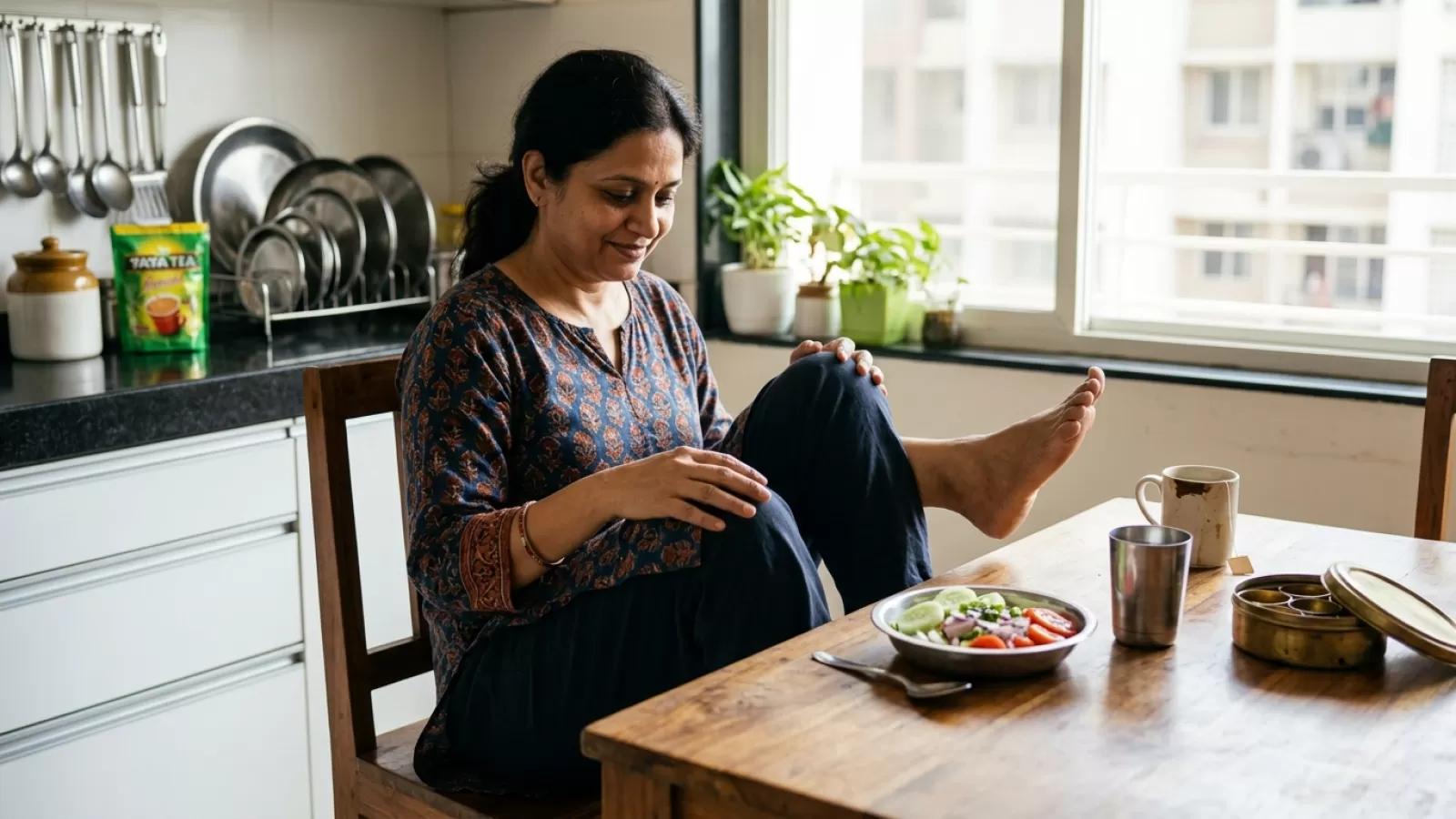
- Seated Marching: Sit up straight, feet flat on the ground. Slowly lift one knee as if you’re marching, then lower it and switch sides. Do this for 1–2 minutes. It gently wakes up your hips and thighs.
- Shoulder Rolls: Sit tall, roll your shoulders forward in a circle five times, then roll them backward. This simple action can ease stiffness, especially if you’ve been hunched over a phone or book.
- Toe and Heel Lifts: With feet flat, gently lift your toes while keeping your heels down, then switch – lift your heels while keeping your toes down. Repeat 10–15 times. This helps with ankle mobility and gets blood flowing in your lower legs.
You can do these while waiting for chai to boil or during a TV break. Even small movements like these can make a difference on otherwise sluggish days.
Standing Moves That Don’t Feel Like Exercise
Maybe you’re ready to get up but don’t want to do anything too intense. There are a few standing movements that quietly strengthen your legs, core, and back without leaving you breathless. These are especially helpful if you’ve been sitting for hours, as they also encourage better posture.
- Wall Push-Ups: Stand at arm’s length from a wall, place your palms flat, and gently bend your elbows to lean in, then push back. Repeat 10–15 times. This is much gentler than floor push-ups but still wakes up your chest and arms.
- Mini Squats: Stand with feet shoulder-width apart, and as if you’re about to sit on a low stool, gently bend your knees a little and come up again. Keep your hands on a table or chair for support if needed. Repeat 8–10 times. Don’t go too low – just enough to feel your thighs working.
- Side Leg Lifts: Hold the back of a chair for balance. Gently lift one leg to the side, keep it straight, then lower. Switch legs. Do 8–10 on each side. This strengthens the hips, which often get weak from too much sitting.
None of these movements will make you sweat, but you might notice a gentle warmth in your muscles. That’s enough.
Gentle Core Activation (No Crunches, No Strain)
The core isn’t just about the stomach muscles you see in ads. It includes the muscles around your lower back and sides, which help with balance and support. When you’re not moving much, these muscles go quiet. The good news is, you can switch them on without any fancy moves.
Try this: Sit or stand tall. Take a slow breath in, and as you breathe out, gently draw your belly button towards your spine. Hold for a few seconds, then relax. Repeat this 5–6 times. It’s called "abdominal bracing" and can be done while waiting for the cooker’s whistle or standing at the sink.
Another one: While sitting, place your hands on your thighs. Push your thighs gently into your hands and hold for a few seconds. You’ll feel a slight engagement in your stomach and legs. These small actions help your posture and can even support your back during long sitting spells.
There’s no need for crunches or planks unless you really want to. For most people, these gentle activations are more than enough to feel a bit steadier in daily life.
Stretching: The Quiet Reset for Stiffness
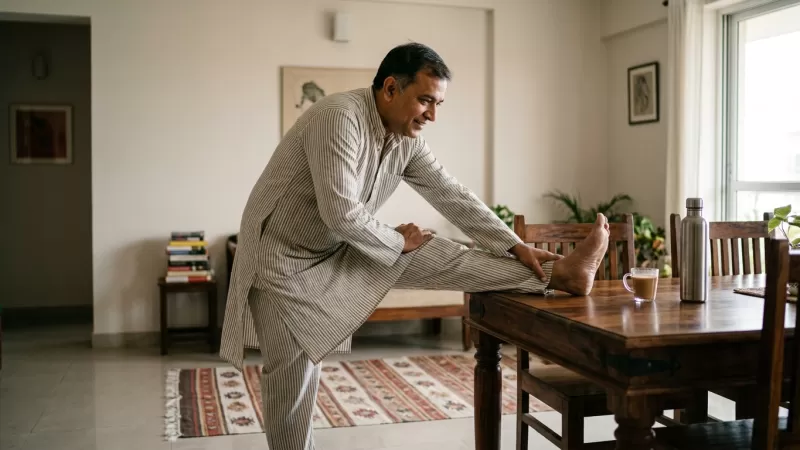
Stiffness tends to creep in after long periods of sitting, especially during summer afternoons when you might avoid moving due to the heat. Gentle stretching isn’t about touching your toes or twisting into strange shapes – it’s simply about giving your muscles a soft reminder to stay flexible.
- Neck Stretches: Drop your right ear towards your right shoulder, hold for a few seconds, then switch sides. Do this slowly, breathing gently.
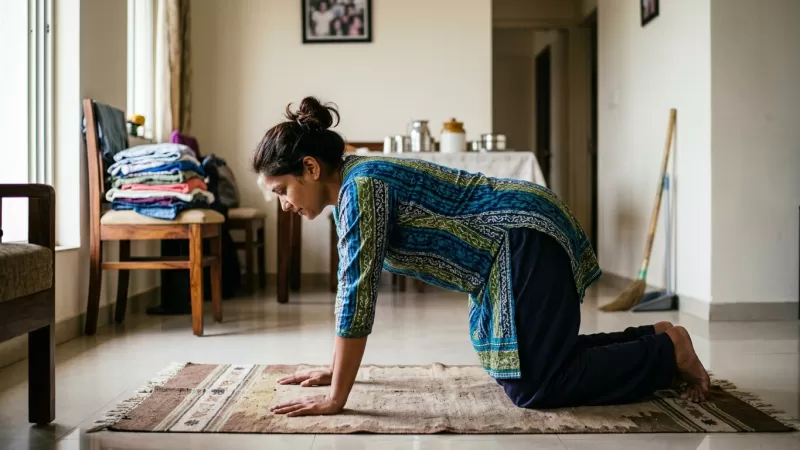
- Cat-Cow (Chair Version): Sit with feet flat, place your hands on your knees. As you breathe in, arch your back and look up a little; as you breathe out, round your back and look down. Repeat 5–6 times. This helps ease back and neck tension.
- Overhead Reach: Sitting or standing, lift both arms gently overhead as if reaching for the ceiling, then slowly lower them. Repeat a few times. This can open up the chest and shoulders after hours of slouching.
Stretching doesn’t fix everything, but on slow days, it can make you feel a little lighter and less boxed in.
How to Fit Gentle Movement into a Typical Indian Day
Finding time for any exercise can feel like a puzzle, especially when mornings are hectic and evenings are for family time or catching up on shows. The thing about gentle strength exercises is that they don’t need a fixed slot or any big preparation.
Try linking them to established routines. For example:
- Do a few seated marches while reading the newspaper.
- Try a set of wall push-ups as the pressure cooker cools down.
- Stretch your arms overhead after a long phone call.
- Do mini squats while waiting for your tea to steep.
It’s perfectly fine if you forget some days. Most people do. The key is to make these movements feel as natural as washing your hands before dinner – just something you slip into your day, not a separate chore.
And yes, some days you’ll be too tired or simply not in the mood. On those days, even one or two stretches can be enough. Be kind to yourself.
Listening to Your Body and Knowing When to Rest
Gentle strength is about listening, not forcing. If you ever feel pain, dizziness, or discomfort, it’s wise to pause and rest. Some stiffness or a mild warm feeling is normal, but nothing should hurt sharply or make you feel uneasy.
Remember, there’s no competition here. You’re not trying to outdo anyone, not even yourself from yesterday. Especially for seniors or anyone managing health conditions, the main thing is to stay comfortable and safe.
It’s also okay to take complete rest days when needed. Real life in Indian homes is full of ups and downs – festivals, family events, even power outages or water cuts can throw off your routines. That’s life. Just do what you can, when you can, and trust that these small efforts do add up over time.
Gentle Touches: How Movement Changes the Mood
There’s something quietly uplifting about moving, even for a few minutes. On days when you feel low or irritable from being too still, gentle strength work can sometimes help shift your mood. It’s not a magic solution, but you might notice a little more energy, or at least a sense that you’ve done something for yourself.
In many homes, movement is connected to daily rituals – sweeping, watering the plants, or preparing vegetables. When these slow down, so does the mind. A few simple stretches or strength moves can gently nudge you out of that fog.
Nothing fancy, nothing forced. Just a quiet way to re-engage with your body, right where you are, whenever you’re ready. Sometimes, that’s all you need to feel a bit more like yourself again.