Some evenings, in homes across India, you’ll find a parent dancing with their child while heating dal, or a senior stretching their arms above their head while waiting for the rice cooker to click. These are not formal workouts. They are, however, the quiet backbone of home movement for Indians who dislike exercise. For many, the idea of a formal routine—sets, reps, time slots—sparks stress or even guilt. But a little movement here, a stretch there, and suddenly, the body feels a bit lighter.
Formal exercise routines rarely stick for Indian adults who have tried and abandoned them. Instead, gentle movement woven into daily life often delivers more consistent benefits. This is especially true in homes where time, space, or even the idea of “working out” just doesn’t fit. And the best part? These 15 minutes of movement—not exercise—tend to feel natural, even enjoyable, once you stop calling them a workout.
Why Structured Exercise Rarely Fits Indian Household Rhythms
In many Indian families, the day starts early—with someone making chai, another packing tiffins, and a dozen small tasks pulling everyone in different directions. The idea of carving out a chunk of time for a workout can feel impossible, especially when every minute counts. For Indian adults who hate working out, this isn’t laziness; it’s a reflection of busy, overlapping priorities. Even when the intention is there, the reality is that formal routines often get sidelined by a child’s homework, a phone call from a relative, or a sudden power cut.
Gentle movement instead of workout India is a familiar pattern: walking briskly to catch the milkman, stretching arms while folding laundry, or taking the stairs because the lift is too crowded. These movements rarely get counted, yet they add up. Many adults grew up seeing their parents and grandparents move in these quiet, unfussy ways. The expectation to “exercise” in a structured sense is relatively new, and for many, it just doesn’t feel right.
In semi-urban homes, space is often shared and limited. Not everyone has a dedicated room or balcony for yoga or weights. When you’re tiptoeing around sleeping kids or squeezing between drying clothes, a 15 minutes movement not exercise India approach feels more natural and less forced.
Underlying Reasons Many Indian Adults Dislike Exercise Routines
There are genuine reasons why formal exercise has never quite fit into many Indian adults’ lives. For starters, school memories of PT classes—marching in line, being scolded for not keeping up—leave many with a lifelong aversion to anything resembling a drill. That said, there’s also the simple reality: Indian homes tend to be full of movement already, just not the kind you log in a fitness app. Fitness coaches who train working adults often find that most movement in Indian homes comes from daily tasks, not planned exercise.
The weather, too, plays a role. During humid summers, even the thought of a workout can bring on a sweat. Add to that the pressures of joint family life—where slipping away for “me-time” isn’t always easy—and it’s no surprise that Indian adults who hate working out prefer movement that doesn’t require special clothes, equipment, or explanation.
Psychologically, there’s often a feeling of being judged. The pressure to keep up with fitness trends, Instagram routines, or neighbors who jog at 6 am can make traditional exercise feel like a test you’re set up to fail. Over time, this creates a quiet resistance—not to movement, but to anything that feels too much like a routine or obligation.
Clues That Formal Workouts Aren’t Working For You
- You dread the idea of a structured workout: If the thought of setting aside time for exercise fills you with stress (or even mild panic), you’re not alone. Many Indian adults who dislike formal exercise routines have this reaction.
- Workout equipment gathers dust: The yoga mat stays rolled up, resistance bands disappear behind the sofa, and those dumbbells are mostly used to prop open doors.
- Movement happens naturally, not in a scheduled slot: You find yourself walking briskly to the bus stop, squatting to pick up toys, or stretching while waiting for the pressure cooker to release steam.
- Repeatedly starting and abandoning fitness programs: You try the latest 30-day challenge or join a gym, but within a week or two, it always feels like a chore.
- Guilt or shame after skipping workouts: Instead of feeling energized, you end up feeling disappointed in yourself. This cycle repeats every time you attempt a new routine.
Mini-Movements That Suit Real Indian Homes
- Dance in the kitchen: While waiting for your chai or sabzi to simmer, play your favorite song and sway. Two or three songs—there’s your 15 minutes movement not exercise India, and it doesn’t feel like a workout.
- Walk and talk: Take phone calls while pacing around your home or balcony. In cities like Bengaluru, working professionals often use long calls with clients to squeeze in steps between meetings, keeping movement gentle and unforced.
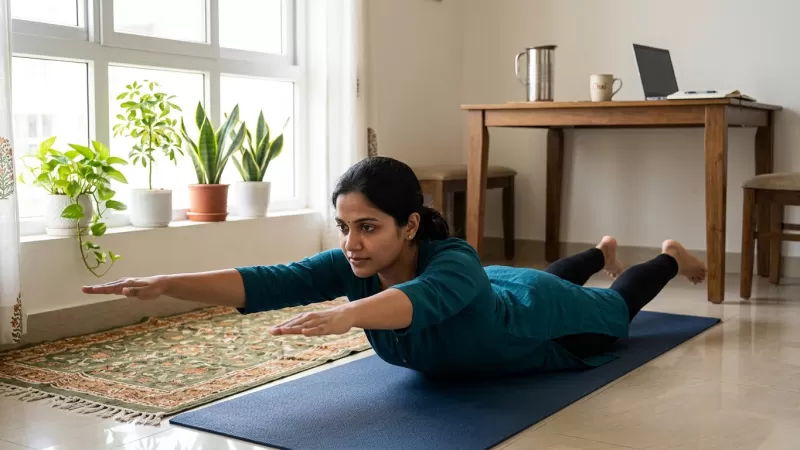
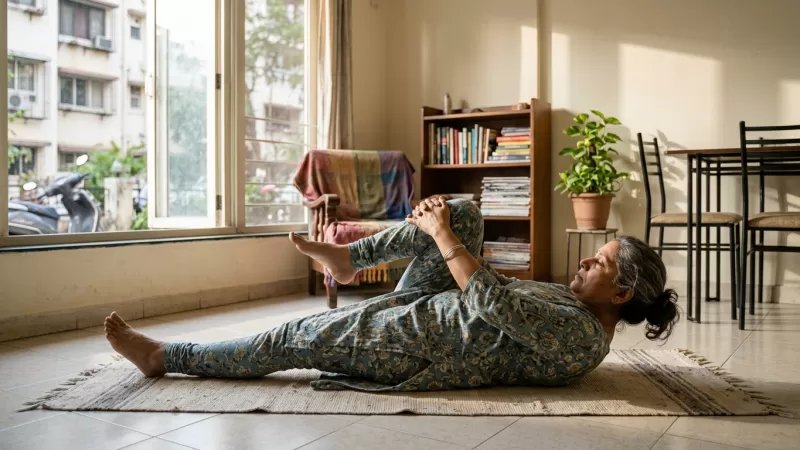
- Stretch during TV time: Instead of sinking into the sofa for the evening news, try gentle stretches or even simple leg lifts. Many families in Indian cities have quietly discovered that stretching during serials feels less like exercise and more like relaxation.
- Household chores as movement: Sweeping, mopping, watering plants, and folding laundry can all count. The key is to approach them with a bit more intention—maybe squat a little deeper or reach a bit higher.
- Climb stairs (when possible): In flats and chawls, the lift often breaks or is busy. Take the stairs at a comfortable pace. No need to rush—every step counts toward gentle movement instead of workout India.
Everyday Patterns: How Non-Exercise Movement Shows Up in Indian Life
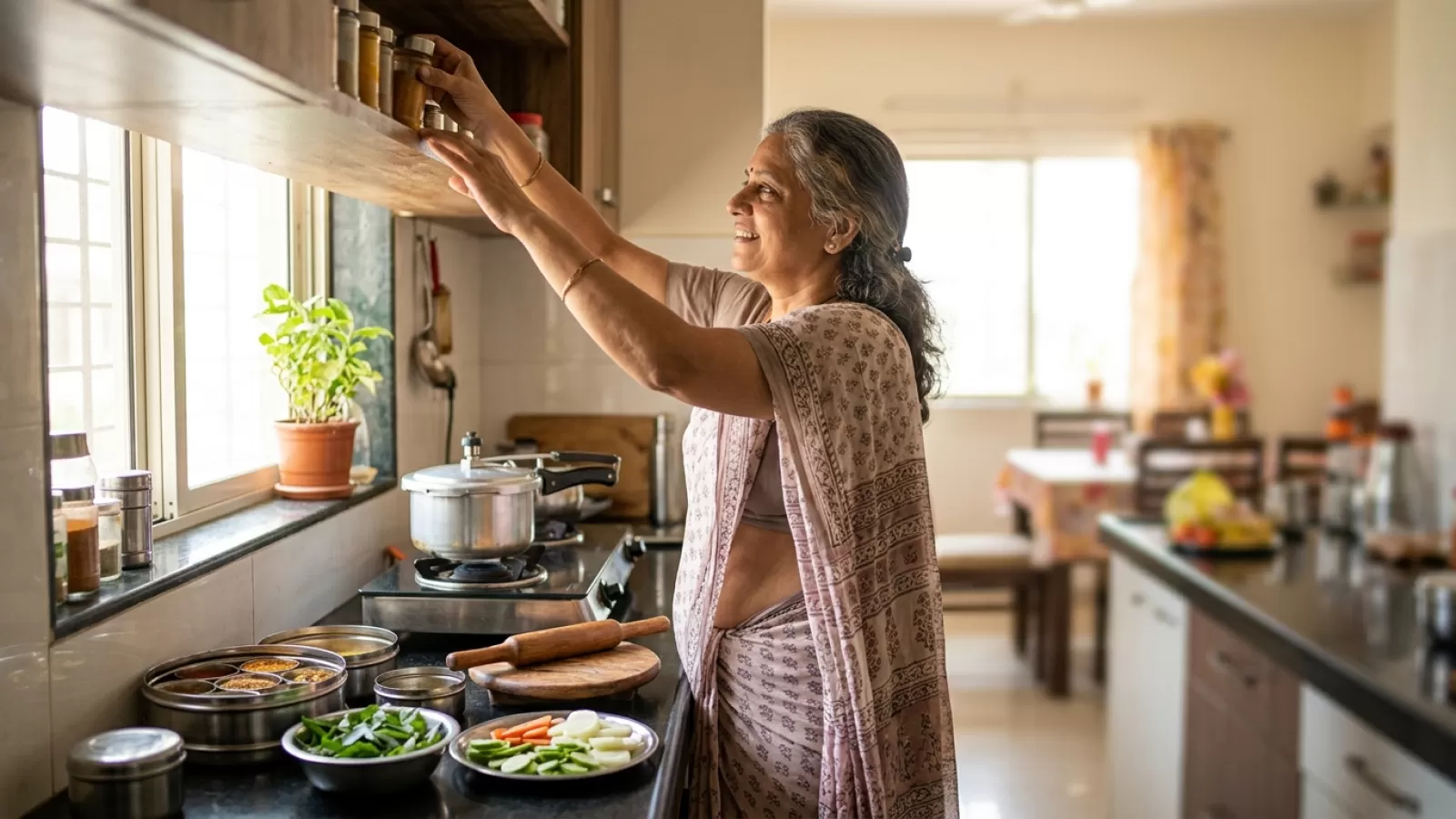
On mornings when everything runs late, you’ll find adults weaving movement into whatever they’re already doing—lunging to catch a tumbling steel dabba, stretching up to reach the top shelf, or balancing on one foot to tie a shoelace while a child clings to the other. During summer, when the power goes and the fan stops, someone might walk to the terrace, partly for air, partly for a break—and get in steps without ever meaning to.
In joint families, it’s common to see grandparents doing gentle stretches in the courtyard, not because it’s exercise time, but because their bodies crave it after long periods of sitting. Many younger adults, stuck at their WFH desks, will take a few minutes to stretch at the window or roll their shoulders between calls—just a few minutes at a time, repeated through the day.
It’s the sum of these small, casual movements that delivers the benefits—especially for Indian adults who hate working out. The tricky part is giving yourself permission to count them, even when they don’t look like “real” exercise.
When It’s Time to Get a Professional Opinion
If you notice ongoing pain, extreme tiredness, or limitations in daily movement (like difficulty getting up from a chair or walking short distances), it’s wise to speak to a doctor. Sometimes, a medical condition or injury might be at play. For most people, though, gentle movement instead of workout India is safe and effective. When in doubt, a quick check-in with a healthcare provider can offer reassurance and clarity.
Common Questions
It’s easy to feel alone if you dislike formal exercise routines, but the reality is that many Indian adults feel the same way. Movement can be woven into daily life in ways that suit your personality and schedule. Here are some answers to the most common questions about home movement for Indians who dislike exercise.
How do Indian adults who genuinely dislike formal exercise still get the physical benefits of regular movement?
In most Indian homes, the day is full of natural movement. From sweeping to sitting cross-legged on the floor and getting up, these actions keep joints and muscles engaged. The key is consistency—doing these movements daily, even for short bursts. For example, a homemaker who walks briskly around the house while tidying up or a retired uncle who stretches arms and legs during morning prayers both keep their bodies active without a formal routine. Over time, these small efforts add up, supporting flexibility, strength, and stamina.
What forms of movement work for Indian adults who find traditional exercise approaches unpleasant or unsustainable?
Gentle movement instead of workout India works best when it’s woven into routines adults already enjoy or need to do. Dancing while cooking, walking during long phone calls, stretching while watching cricket, or even playing with kids or pets are practical examples. In apartments with limited space, climbing stairs or doing light stretches in the hallway are common. The most sustainable forms are those that feel natural—not forced or scheduled, but a part of everyday life.
Is it possible to maintain genuine physical health through accumulated daily movement without ever doing anything that feels like a workout?
Yes, it is possible—especially in Indian homes where movement is part of daily chores. A professional who stands up to refill her chai every hour, a grandparent who tends to balcony plants, or a shopkeeper who walks between shelves all day may never do a “workout,” yet remain active. The secret is regular, varied movement throughout the day. Over weeks and months, this pattern supports heart health, mobility, and even mood, without needing formal exercise sessions.
How do you overcome the guilt and shame of having tried and abandoned multiple exercise programs in Indian adult life?
Many adults feel this guilt—especially after seeing social media posts about fitness challenges. The first step is to recognize that abandoning routines doesn’t mean you’re lazy or incapable; it often means the approach didn’t fit your life. Instead, notice the movement you already do: walking to the market, bending to pick up laundry, or swaying to music in the kitchen. Give yourself credit for these actions. Over time, accepting and valuing gentle movement lifts the burden of shame and builds confidence.
What type of physical activity most consistently works for Indian adults who have an established and genuine dislike of formal exercise?
The movement that fits seamlessly into daily routines is the one that lasts. For Indian adults who hate working out, activities like home chores, dancing to favorite songs, brisk housewalking, and stretching during downtime are most effective. These actions require no extra equipment or planning. In joint families, even helping grandchildren with homework on the floor, then standing up, counts. The focus is on movement that feels easy, familiar, and satisfying—not like a formal workout.