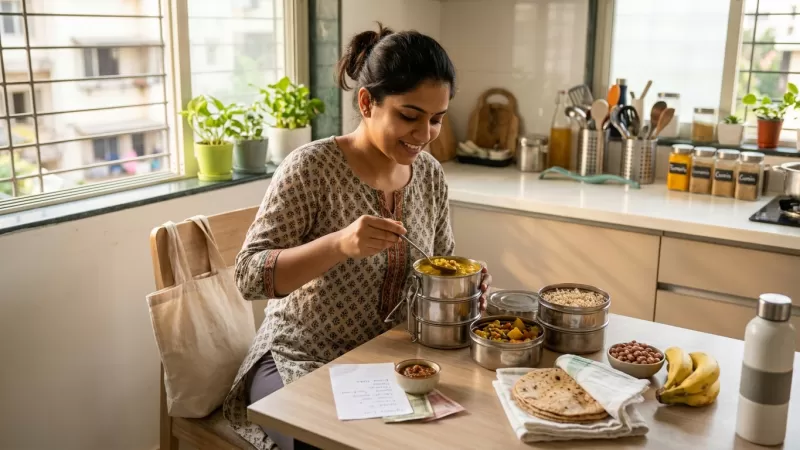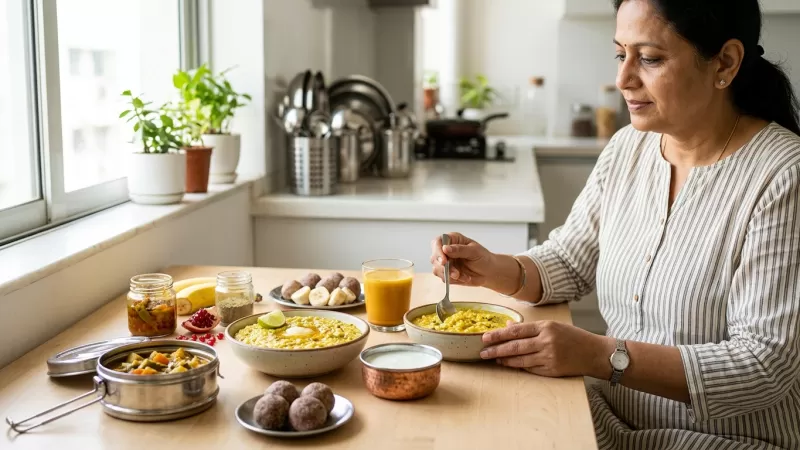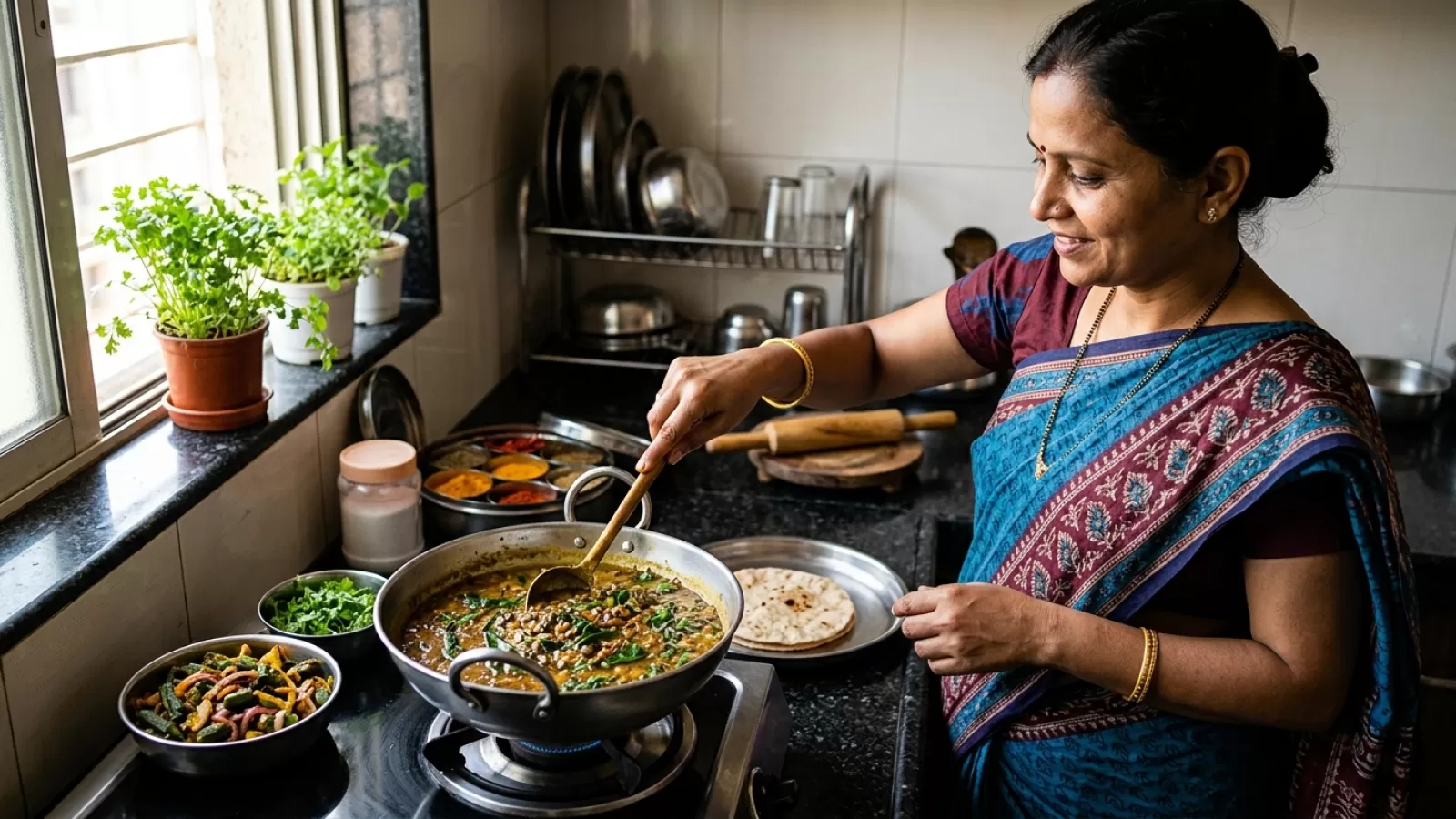
Most days, the kitchen in a typical Indian home is already buzzing before sunrise. You might hear the whistle of a pressure cooker, the sizzle of tadka, or the gentle chopping of onions and tomatoes. These familiar sounds and smells are part of the daily rhythm. Simple Indian cooking habits for healthier meals often find their place in these ordinary moments—no dramatic changes, just small shifts in what you already do.
For many families, the real trick is not changing what you cook, but how. Adding an extra handful of chopped lauki to dal, soaking chana overnight, or letting your bhindi stay a little crunchy—these are the kinds of easy healthy Indian cooking changes that quietly make your meals more nutritious. And the best part? They rarely require extra time or effort.
Why Indian Meals Tend To Lose Nutrition Without Extra Care
In most Indian homes, the pressure to get meals on the table quickly is real. Between early school buses, office calls, and household chores, shortcuts are everywhere. The pressure cooker is a hero for many, but using it for everything—especially for sabzi and dal—can sometimes make vegetables mushy or dal watery, reducing not just taste but nutritional value too.
Busy mornings mean that pre-soaking lentils or chopping vegetables the night before often gets missed. The habit of overcooking—boiling vegetables until they lose their colour, or thinning out dal to make it stretch for more people—happens more often than we admit. These small choices, repeated day after day, quietly shift the nutrition in our meals.
Healthier Indian cooking tips aren’t about skipping oil or switching to international superfoods. Often, they’re about protecting the natural taste, colour, and bite of what you already love to eat. Indian kitchen habits for better nutrition can start with simply noticing how long you cook something, or what you do before you even turn on the gas.
Why Do These Small Cooking Habits Get Overlooked?
Time is the biggest culprit. In many Indian kitchens, the morning rush feels unending. There’s a belief that longer cooking means softer, more digestible food—especially for elders and young children. But here is the catch: overcooking often means fewer vitamins and less flavour.
Family preferences also play a role. Some households like their sabzi very soft, or dal nearly soupy. Practicality wins—if the sabzi gets slightly burnt or overcooked, it’s still served, because there isn’t time to fix it. Many cooks feel pressure to avoid complaints, so the routine stays the same.
Nutritionists who work with Indian families often find that most people don’t realise how much difference a small change—like soaking, less water, or minimal cooking—can make to daily nutrition. These habits seem too basic to matter, but over years, they add up.
There’s also a sense that healthy means complicated or expensive. But easy healthy Indian cooking changes can fit right into what you already do—no fancy gadgets or imported ingredients needed.
How To Know If Your Cooking Habits Need A Small Change
- Vegetables lose their colour and texture: If your beans, carrots, or bhindi always turn dull and mushy, it’s a sign that they’re overcooked. Crunchy, bright vegetables usually hold more vitamins.
- Dal often feels thin and watery: When you add too much water to stretch dal, it can lose density and flavour. A thicker dal often means more protein and satisfaction per bowl.
- Pressure cooker is used for every dish: If you find yourself putting almost every sabzi and dal in the cooker, you might be sacrificing both taste and nutrition for speed.
- Rarely soaking pulses or grains: If you skip soaking chana, rajma, or even rice, you may notice more bloating or stomach discomfort—and less creamy texture in your cooked food.
- Sabzi cooked with very little or no visible vegetables: If your mixed sabzi is mostly potatoes or onions with few other veggies, it’s time to add variety for better nutrition.
Small Kitchen Habits That Quietly Boost Nutrition
- Soak lentils and beans the night before: This habit makes dal and chana easier to digest and improves nutrition. Even a quick 30-minute soak before cooking can help. Many Indian kitchen habits for better nutrition start with just this step.
- Cook vegetables until just tender, not soft: Try sautéing or steaming instead of always pressure-cooking. Bhindi, beans, and carrots often taste better and keep their nutrients when they’re still a little crisp.
- Add one extra vegetable to the usual dish: Stir diced lauki, palak, or carrots into dal, or toss in peas or beans with aloo sabzi. It’s an easy healthy Indian cooking change that no one complains about.
- Use just enough water for dal: Start with less water, then add more only if needed. A thicker dal feels more satisfying and packs more nutrition per serving.
- Measure oil with a spoon, not by eye: Pouring oil straight from the bottle often means using more than you think—try a small spoon instead. You might be surprised how little you need for everyday tadka.
Some families also keep cut veggies in the fridge ahead of time, making it easier to toss an extra handful into whatever’s cooking. If you’re making khichdi, try adding spinach or methi leaves—these small swaps become habits over time.
A Kitchen In Nagpur At 6am: Where These Habits Come Alive
It’s still dark outside, but the kitchen light is already on. There’s a faint smell of hing and ghee in the air as someone stirs moong dal on the stove. The dal is soaked from the night before, turning soft quickly without much boiling. A bowl of chopped doodhi and carrots waits nearby. Instead of tossing everything into the cooker, the cook adds the vegetables to the pan and covers it, letting them steam just until their colour brightens.
Chai simmers quietly on the side, and the day’s sabzi—bhindi today—is being sautéed, not boiled, so it stays green and slightly crunchy. In this kitchen, the pressure cooker is only for rice. The rest is handled with a watchful eye, a quick stir, and a taste test. No extra effort, just a gentle attention to how things are done. These are simple Indian cooking habits for healthier meals, quietly making a difference before the sun is even up.
When Small Changes Might Need Outside Support
If you’re dealing with special dietary needs—like for someone with diabetes, kidney issues, or very young children—it’s always wise to speak to a doctor or a nutritionist. Sometimes, a gentle nudge from a professional can help you spot which easy healthy Indian cooking changes matter most for your family. Otherwise, most homes can start with these everyday habits and see real benefits without needing outside help.
Common Questions
Every home kitchen has its own rhythm, and sometimes, even small tweaks can feel like a big shift. Here’s where many families pause and wonder what really matters—and what’s just extra work. Let’s look at some of the most common cooking questions Indian families ask, with answers rooted in everyday experience.
Which small Indian cooking changes make the biggest nutritional difference without changing the menu?
Soaking pulses and beans before cooking is an easy healthy Indian cooking change that improves digestibility and nutrition. Adding an extra vegetable to dal or sabzi also makes a quiet difference. Many families find that using less water in dal and not overcooking veggies—just until they’re tender—gives you more vitamins and keeps meals satisfying. These small habits fit right into your existing menu.
Does the way vegetables are cooked significantly change how nutritious they are?
Yes, the cooking method matters more than many realise. Sautéing or steaming vegetables until they’re just tender helps preserve their vitamins and colour. On the other hand, boiling or pressure-cooking for too long can reduce vitamin C and some B vitamins. In Indian homes, a quick stir-fry or steaming with minimal water makes vegetables both tastier and healthier, without extra effort.
Is pressure-cooked food less nutritious than stove-cooked food in Indian cooking?
Pressure cooking is convenient and popular in Indian kitchens, but there’s a balance. It saves time and keeps food soft, yet overcooking or using too much water can lower nutrient levels. For dals and beans, pressure cooking is helpful if you soak them first and avoid cooking for too many whistles. For sabzi, stove-top cooking usually keeps more nutrients and better texture.
How much cooking oil is actually too much in a healthy Indian home?
Most Indian dishes taste great with much less oil than we think. Using 1–2 teaspoons per sabzi or dal, measured with a spoon, is usually enough for tadka and flavour. Many families pour oil straight from the bottle, which tends to add more than needed. If your sabzi looks oily or leaves a film on your plate, try cutting back a little. Small changes here are both practical and effective.
What is the one easiest change an Indian home cook can make today to improve daily meal nutrition for the whole family?
Start soaking your dals, chana, and rajma the night before—or even just for 30 minutes before cooking. This single Indian kitchen habit for better nutrition makes food softer, easier to digest, and more nutritious. It doesn’t change your menu, just your routine. Many working professionals and homemakers notice meals taste better and feel lighter when soaking becomes a habit.