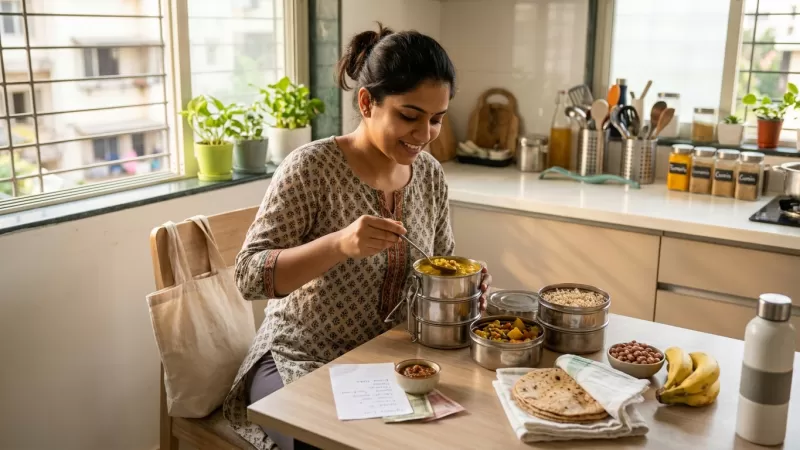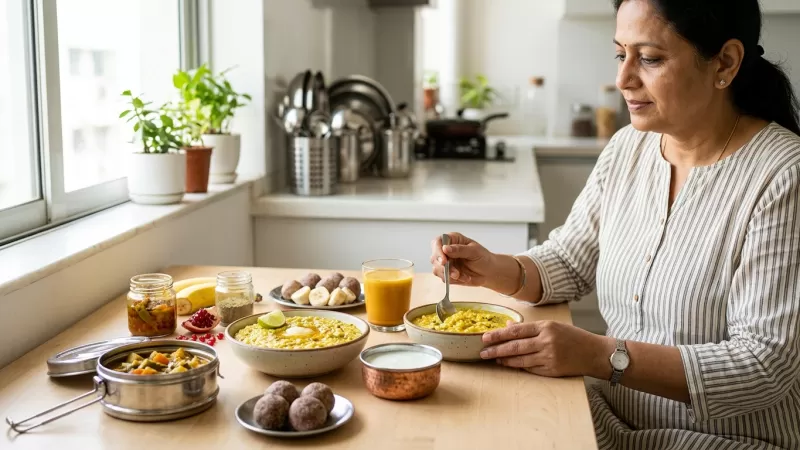
In many Indian homes, nobody quite knows when lunch will happen. Mornings often start with a rushed cup of chai, maybe a quick poha or bread, before everyone scatters — some to work, others to school, a few to early errands. That said, the tiffin packed at 8am might only get eaten at 2pm. These days, healthy Indian snack ideas for adults with a changing schedule aren’t just about taste or nutrition — they’re about survival, comfort, and knowing that you have something reliable in your bag when the day slips away from its plan.
It’s a common pattern: a working professional in Hyderabad might plan for a 3pm snack, but a meeting runs long, and suddenly it’s 5:30pm. Or a parent picking up kids from tuition classes realizes dinner will be late, and the growling stomach can’t wait. Flexible Indian snacks for daily unpredictability — roasted chana, murmura with peanuts, or even a banana tucked in a handbag — quietly save the day in these moments.
Why Indian Adults Rely On Unplanned Snacking
Most Indian adults don’t get to eat when they want. The reality is, schedules tend to change at the last minute. In many households, you might leave home before sunrise and return late after dark. Meals aren’t always hot and ready at a fixed time. Sometimes, a family lunch stretches into the afternoon because of work calls or power cuts delaying cooking. For some, especially those commuting in big cities like Mumbai or Bengaluru, mealtimes are mostly guesses.
This is where flexible Indian snacks for daily routines come in. You might keep a steel dabba of roasted makhana in your work bag, or stash some murmura in your desk drawer. The goal is not gourmet, but something that works — foods that stay fresh, travel well, and give a quick pick-me-up. Indian snacks for unpredictable days are less about perfect nutrition and more about making sure you don’t go from one meal to the next running on empty.
Household Patterns That Make Snacking Necessary
There’s usually more than one reason why healthy Indian snack ideas for adults with a changing schedule are needed. Workdays can stretch without warning. Trains might run late. Sometimes, joint family routines mean lunch is delayed for everyone if one person is missing. Or, in homes where both partners work, dinner can be at 9 or even 10pm.
Nutritionists often find that many working Indians end up eating their main meals far apart, with unpredictable gaps in between. The tricky part is, you rarely get a warning that lunch will be late or that you’ll be stuck in traffic for an hour. Hunger doesn’t wait for a convenient time. That’s why portable healthy Indian snacks — like dry fruits, roasted peanuts, or even a small barfi — become a small act of self-care. They help you avoid reaching for deep-fried samosas or canteen biscuits when you’re tired and hungry.
Clues Your Snacking Routine Isn’t Working Anymore
- You feel irritable or dizzy by late afternoon. This often happens when a planned snack window is missed and blood sugar dips.
- Your bag is full of old wrappers or half-eaten snacks. This is a sign your go-to snacks aren’t practical — maybe they spoil, leak, or crumble.
- You rely on vending machine chips, canteen samosas, or street-side biscuits more than twice a week. These choices usually happen when nothing else is handy.
- Evening meals become huge to make up for missed snacks. Many families find themselves over-eating dal, sabzi, and roti late at night, trying to fill the gap from earlier hunger.
- You skip proper meals because you’re too full of junk snacks. This can sneak up when snacking feels easier than making a meal, but leaves you tired.
Simple Snack Habits That Actually Work On Unpredictable Days
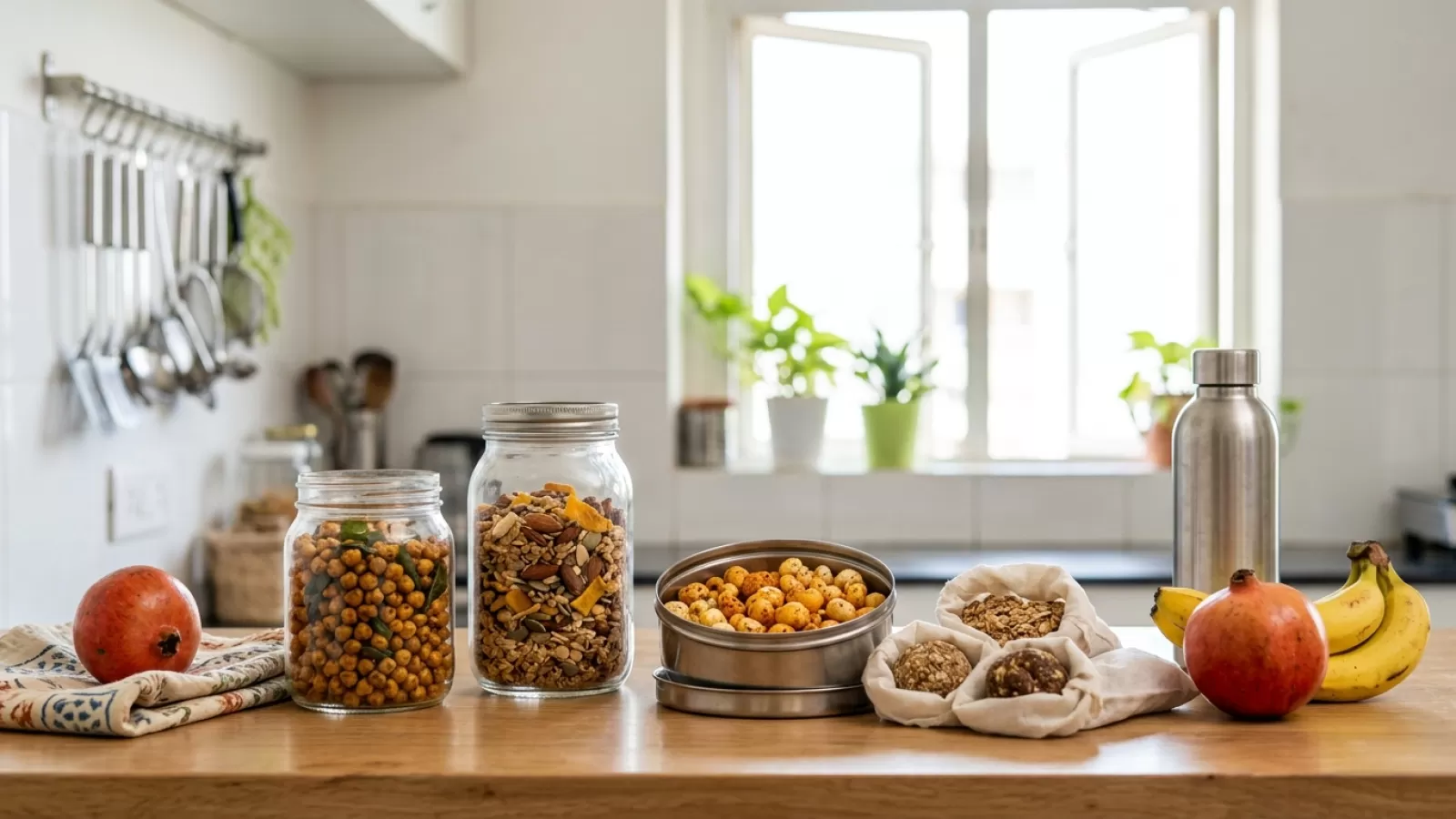
- Keep small, shelf-stable snacks everywhere. Many adults in Indian cities have a dabba of roasted chana in their work bag, a handful of almonds in the scooter, or a pack of khakra at their desk. These flexible Indian snacks for daily unpredictability don’t spoil and can be eaten in a few bites between calls.
- Choose snacks that do not need refrigeration. Roasted makhana, murmura with peanuts, dry fruit mixes, or even energy bars (without too much sugar) work well. These portable healthy Indian snacks won’t go bad, even in summer.
- Pack more than you think you’ll need. On days when your schedule changes suddenly, having two or three different options can prevent you from reaching for oily canteen food or bakery puffs. A banana or an apple is easy to grab, and if it doesn’t get eaten, it can be had at home later.
- Use containers that fit your bag and life. A small steel dabba for chana or peanuts, a zip pouch for dry fruits, or even a recycled plastic box for murmura — these are the unsung heroes in many Indian homes. They keep snacks fresh and stop everything from becoming a crumbly mess.
- Rotate snacks to avoid boredom. Change up between roasted lotus seeds, spiced puffed rice, poha chivda, or besan ladoo. Keeping things interesting makes you more likely to stick with healthy Indian snack ideas for a changing schedule rather than giving up and grabbing fried snacks.
How Healthy Snacking Looks In Real Indian Life
On most weekdays, a Bengaluru tech worker might leave home at 8am, eat breakfast on the go, and keep a steel dabba of roasted peanuts with curry leaves in their backpack. By 4pm, after three hours of back-to-back calls, that dabba is the difference between staying focused or losing all energy. Many Indian parents keep roasted chana or khakra in their bags for school runs, knowing that the gap between lunch and dinner can be long and unpredictable.
During peak summer, snacks like dahi or fruit might not survive the day without refrigeration, so people switch to dry snacks that stay crisp even in the heat. In offices, someone will always have a stash of dry fruits or murmura mixture in a drawer, quietly shared with colleagues during late meetings. These flexible Indian snacks become tiny rituals — a way to care for yourself and those around you when the day refuses to go as planned.
When To Speak With Someone About Your Snacking Habits
If you find that you’re constantly exhausted, skipping main meals because of snacking, or relying only on chips and sweets, it may help to chat with a doctor or a nutritionist. Some underlying health issues can also show up as unusual hunger or cravings. Most of the time, though, a few small adjustments to what you keep handy can make unpredictable days less stressful.
Common Questions
There’s no one-size-fits-all answer when it comes to snacking in a busy Indian household. What works for a parent juggling school runs may be different from the needs of someone sitting through long office meetings. Let’s look at some everyday questions, using the kinds of moments you’ll recognize from real Indian routines.
What are the best Indian snacks for adults whose day never goes according to plan?
Many Indian adults find that roasted chana, dry fruits (almonds, cashews, raisins), roasted peanuts, and homemade poha chivda are the most reliable snacks for unpredictable days. These snacks don’t spoil easily, fit into a small dabba, and can be eaten quickly between tasks. In joint families, it’s common to keep a box of khakra or mathri ready for anyone who walks in hungry, no matter the time.
Which Indian snack foods stay fresh in a bag or drawer for a full day without refrigeration?
Roasted makhana, peanuts with curry leaves, murmura with a few spices, and besan ladoo usually stay fresh even in humid summers. Many homes rely on these because they don’t melt, leak, or smell strong in a shared space. Keeping them in airtight dabbas or pouches helps them last even longer, so you always have something handy when plans change.
How do you avoid the vending machine or canteen snack trap when the day runs significantly longer than expected?
On days when you’re stuck late at work or waiting out a traffic jam, having your own portable healthy Indian snacks truly helps. Many people keep a steel dabba of roasted chana or a small pouch of dry fruit in their bag or desk, so when hunger strikes, the vending machine samosa is less tempting. If you forget your snacks, try to choose the simplest option — a banana or plain roasted peanuts from a local shop is often better than packaged chips.
Is it better to eat a small Indian snack between meals or wait until the next proper meal when the gap is large?
Most Indian adults find that eating a small snack like roasted chana or a handful of dry fruits helps keep them steady if the gap between meals is big. Waiting too long can lead to overeating at the next meal or feeling dizzy and tired. On days when you know dinner will be late, a light snack is usually the practical answer, as seen in many homes where people eat together at odd hours.
What portable Indian snacks give real energy without causing a blood sugar crash an hour later?
Roasted chana, mixed dry fruits, peanuts with jaggery, and khakra are popular because they release energy slowly and don’t spike your blood sugar. Many families have discovered that pairing a piece of fruit with a handful of nuts is filling without leaving you tired soon after. These healthy Indian snack ideas for a changing schedule can keep you going, whether you’re at work, running errands, or managing a busy home.