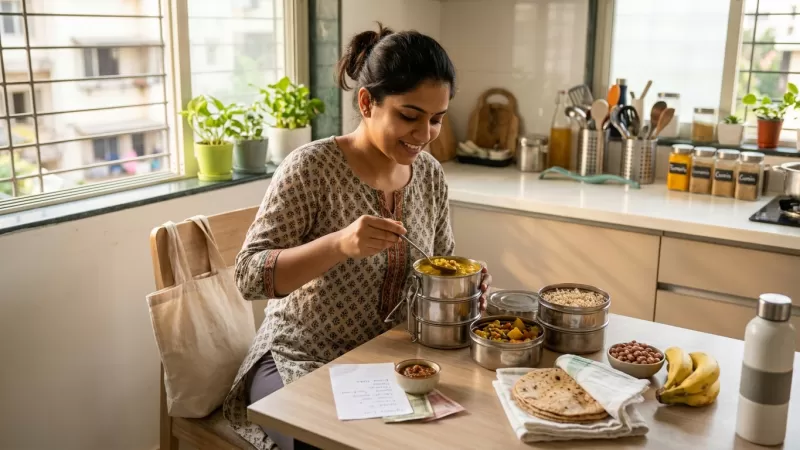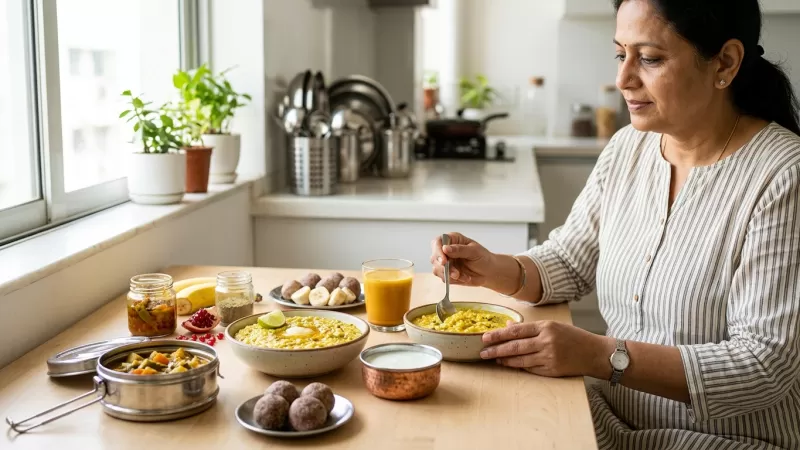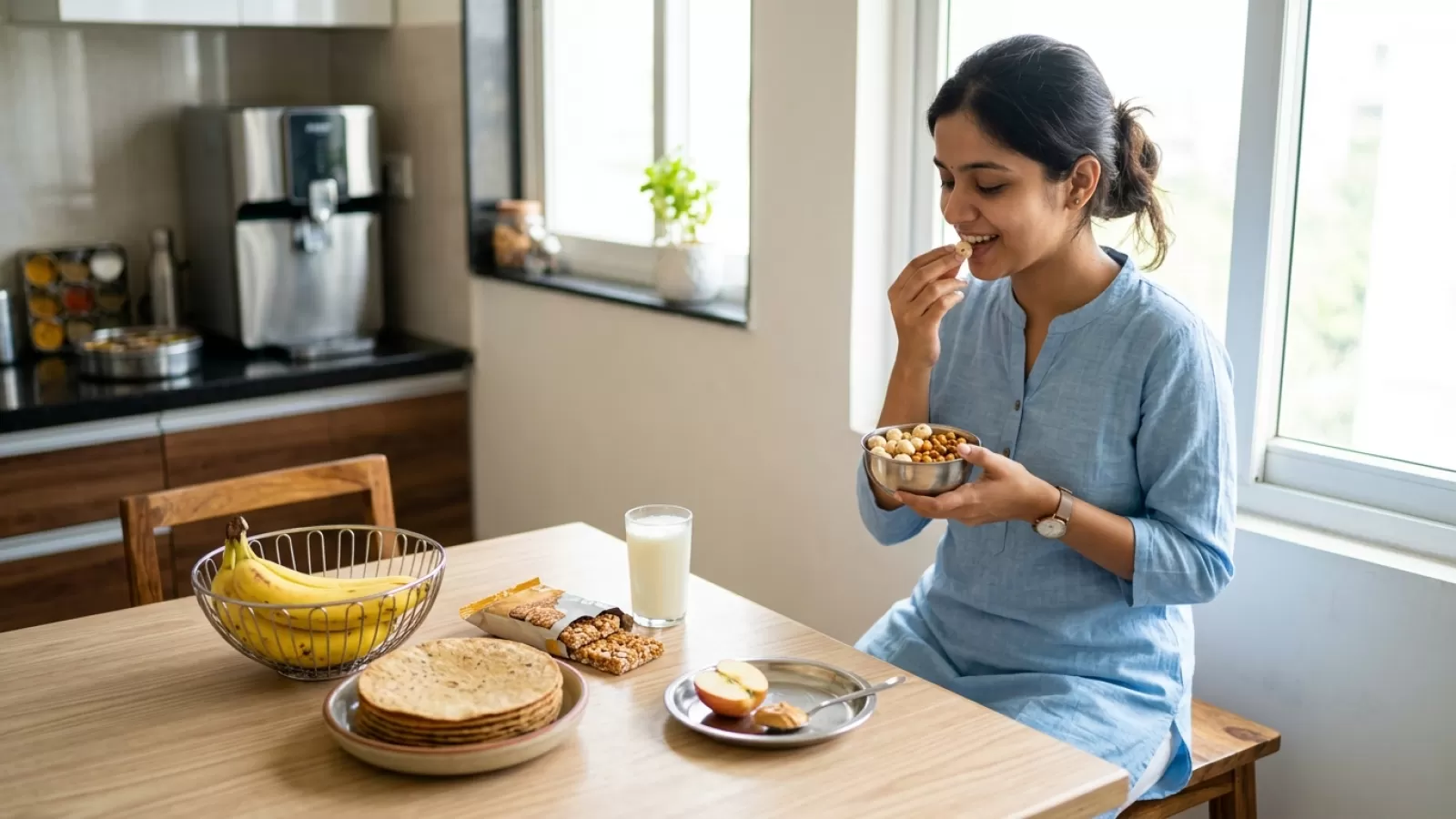
The clatter of a steel dabba opening on a late afternoon, the scent of roasted chana, and the relief of something to eat without any work—these everyday Indian moments are what make quick nutritious Indian snacks with no preparation such a quiet saviour. Sometimes, the real answer isn’t in last-minute scrambling, but in what was packed or set aside earlier, waiting for just this sort of hungry pause.
In many Indian homes, especially during those endless stretches between lunch and dinner or after a string of meetings, the real rescue comes from snacks that were made or bought with tomorrow in mind. The banana from the morning’s fruitwala, leftover chivda, a few makhanas roasted last night—all these become your fast Indian snack ideas when there’s really no time for anything else.
Why Snack Emergencies Happen So Often in Indian Homes
It’s the sort of thing that creeps up on you. You get caught up with work, a family errand runs long, or a video call stretches past 4 pm. Suddenly, you’re hungry, a little irritable, and there’s nothing ready except maybe a packet of glucose biscuits or some namkeen. Many Indian snacks ready to eat are either fried, too sweet, or just not filling. The tricky part is, you weren’t planning for this moment—it just arrived.
In joint families, someone might always be in the kitchen, but in most urban homes, adults and children both end up fending for themselves in the late afternoon. On humid summer days, the thought of standing near the stove for even two minutes feels like too much. The gap between lunch and dinner can feel endless, especially when dinner is late, as it often is after everyone’s back from work or tuition. That’s when zero effort nutritious Indian snacks make all the difference.
The Real Reasons Behind the Zero-Time Snack Problem
Most of us don’t plan for hungry moments. Indian kitchens are designed around main meals—dal, roti, sabzi, chawal, dahi. Snacks are an afterthought unless there’s a guest or a festival. Working professionals commuting in Bengaluru, for example, often skip breakfast or tea-time, thinking they’ll manage. The trouble starts when energy drops mid-task and the brain just wants sugar or fried food.
Nutritionists who see urban Indian families often find that snack times are unplanned, so people reach for whatever is handy, whether it’s a leftover samosa or packaged chips. The habit of prepping a container of roasted chana, poha chivda, or even cut fruit the day before isn’t as common as it could be. That said, once a family starts keeping one or two Indian snacks ready to eat, the switch from processed to real food gets easier.
It’s not just about time. Shared kitchens, power cuts, and the pressure to finish everything—work, homework, chores—often mean that snacks have to wait until there’s a real crisis. That’s why fast Indian snack ideas with no time are so precious: they fill the gap without creating more work or mess.
When You Know Your Snack Plan Isn’t Working
- You feel cranky or tired by late afternoon. Many families notice mood dips or energy crashes around 4-5 pm, especially on busy days.
- The only available options are biscuits or namkeen. If your shelf has more packets than containers, it’s a sign that real snacks aren’t getting enough attention.
- Lunch leftovers are always finished by 3 pm. In some homes, there’s nothing left but a bit of rice or sabzi—hardly snack material.
- Kids or elders often ask for ‘something to eat’ at odd hours. When you can’t offer anything except tea or a banana, it’s a clue.
- You keep skipping snacks and then overeat at dinner. That long gap between meals is a classic sign that zero effort nutritious Indian snacks aren’t part of your routine yet.
Small Habits That Make Zero-Prep Snacking Possible
- Keep a steel dabba of roasted chana or makhana in the living room or near the door. The presence of ready-to-eat, nutritious Indian snacks where you pass by often means you’ll actually eat them.
- Get into the habit of buying a few extra bananas, oranges, or guavas during your morning vegetable run. Fruit is a classic fast Indian snack idea for no time and needs zero preparation.
- Set aside a portion of poha chivda, murmura, or nut mix when you make or buy in bulk. Store in small containers, not just one large box, so it’s easy to grab and go.
- Use leftovers creatively. Yesterday’s sabudana khichdi or steamed moong sprouts can be packed in small dabbas and eaten cold, especially during summer.
- Reserve a shelf or drawer for Indian snacks ready to eat. It helps everyone in the family know where to look when time is short.
The best part is, you don’t have to do this perfectly. Even keeping just one zero effort nutritious Indian snack ready can make a big difference on a busy day.
Everyday Patterns: Where Zero-Prep Snacks Actually Matter
In many Indian families, the busiest hours are right after school or work. Kids come home hungry, adults are finishing up meetings, and the kitchen is in that lull before dinner prep. The fridge might have some dahi, but not much else. This is when the dabba of roasted chana or yesterday’s homemade chivda becomes the hero. It’s not fancy, but it’s filling and familiar.
For working parents, stashing a handful of makhana or a fruit in the office bag or WFH desk drawer means you don’t reach for a bar of chocolate or chips when hunger hits. On weekends, that same dabba is what tides you over when guests drop in unexpectedly or when power cuts make reheating anything impossible. Over time, many families in Indian cities have quietly discovered that planning for zero-prep snacks is less about ‘being organised’ and more about making life smoother for everyone.
When It’s Time to Seek a Little Extra Help
If you find that you’re constantly tired, hungry between meals, or unable to find even one nutritious snack you like, it might be worth chatting with a family member or even a doctor. Sometimes, frequent hunger or exhaustion can be a sign of something more. For most people, though, just changing how you approach snacking is enough to feel better during those busy stretches.
Common Questions
So many Indian families find themselves reaching for whatever is closest when time runs out. If you’ve ever wondered how to keep quick, nutritious Indian snacks with no preparation always ready, or which ones actually satisfy real hunger, you’re not alone. Let’s look at a few of the most common questions that come up in real homes.
What are the most nutritious Indian snacks that require absolutely zero preparation?
In most Indian homes, truly zero-prep snacks mean things like roasted chana, plain makhanas, unsalted peanuts, dry fruits, and fresh fruits like bananas or oranges. Dahi straight from the fridge with a pinch of salt or jeera powder is another go-to, especially during summer. Leftover homemade chivda or murmura, when stored in small boxes, also works. These snacks fill you up, don’t need a plate or heating, and are much healthier than most packaged foods.
How do you build a system so that genuinely zero-effort nutritious snacks are always available in Indian daily life?
The trick is to build a small routine around snack prep. Set aside a dabba for roasted chana or makhana every week. When you make chivda or buy dry fruits, portion them into small containers. Keep fresh fruit visible—on the dining table or near the main door. In many Indian homes, adding a “snack check” to the weekly grocery list is all it takes for this habit to stick. Over time, it becomes a natural part of the household rhythm.
Which Indian ready-to-eat foods provide real satiation rather than just momentary satisfaction?
Roasted chana, makhana, and dry fruits tend to provide lasting fullness because they have protein and healthy fats. Dahi with a little seasoning, or a bowl of leftover khichdi eaten cold, also keeps you satisfied for longer. Fruits like bananas and guavas work better than sugary treats, as the natural fiber and nutrients help avoid a quick energy crash. These options are especially helpful when you know the next meal is hours away.
How do you avoid the packaged and processed snack trap when there is genuinely no time to prepare anything?
Most families find that keeping a few Indian snacks ready to eat in visible spots makes a real difference. When you see roasted chana, fruit, or chivda on the table or in your bag, you’re less likely to reach for chips or biscuits. Try to make or buy these snacks in bulk and store them in small, handy containers. It doesn’t have to be perfect—even one or two options available can help you skip processed snacks most days.
What is the most important single ready-to-eat Indian snack to always have available for the busiest days?
Roasted chana in a steel dabba is the one snack that many Indian families return to, again and again. It’s inexpensive, filling, doesn’t spoil quickly, and needs no preparation. During crunch times—a delayed lunch, a late commute, or a power cut—having roasted chana in reach often saves the day. If you keep only one zero effort nutritious Indian snack ready, this is usually the safest and most reliable choice.