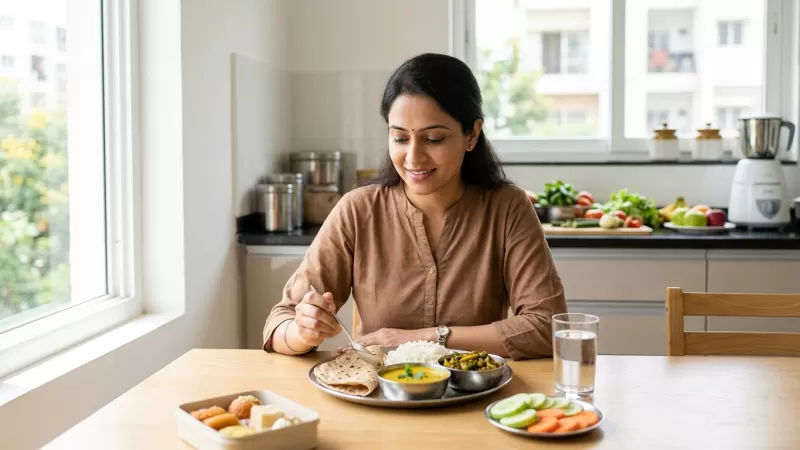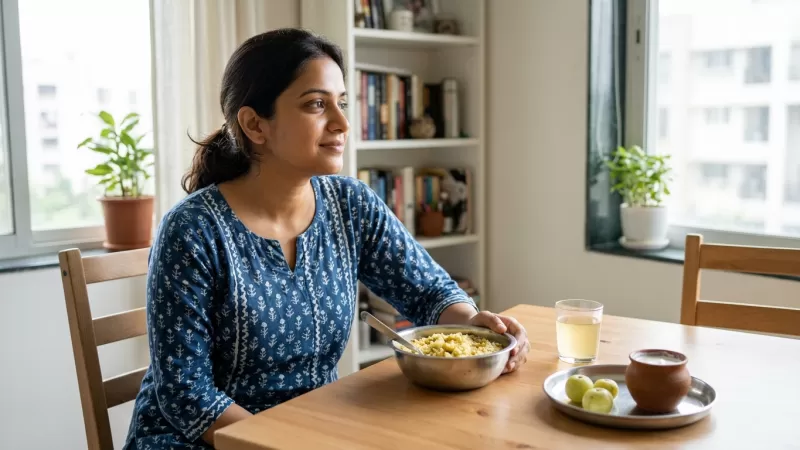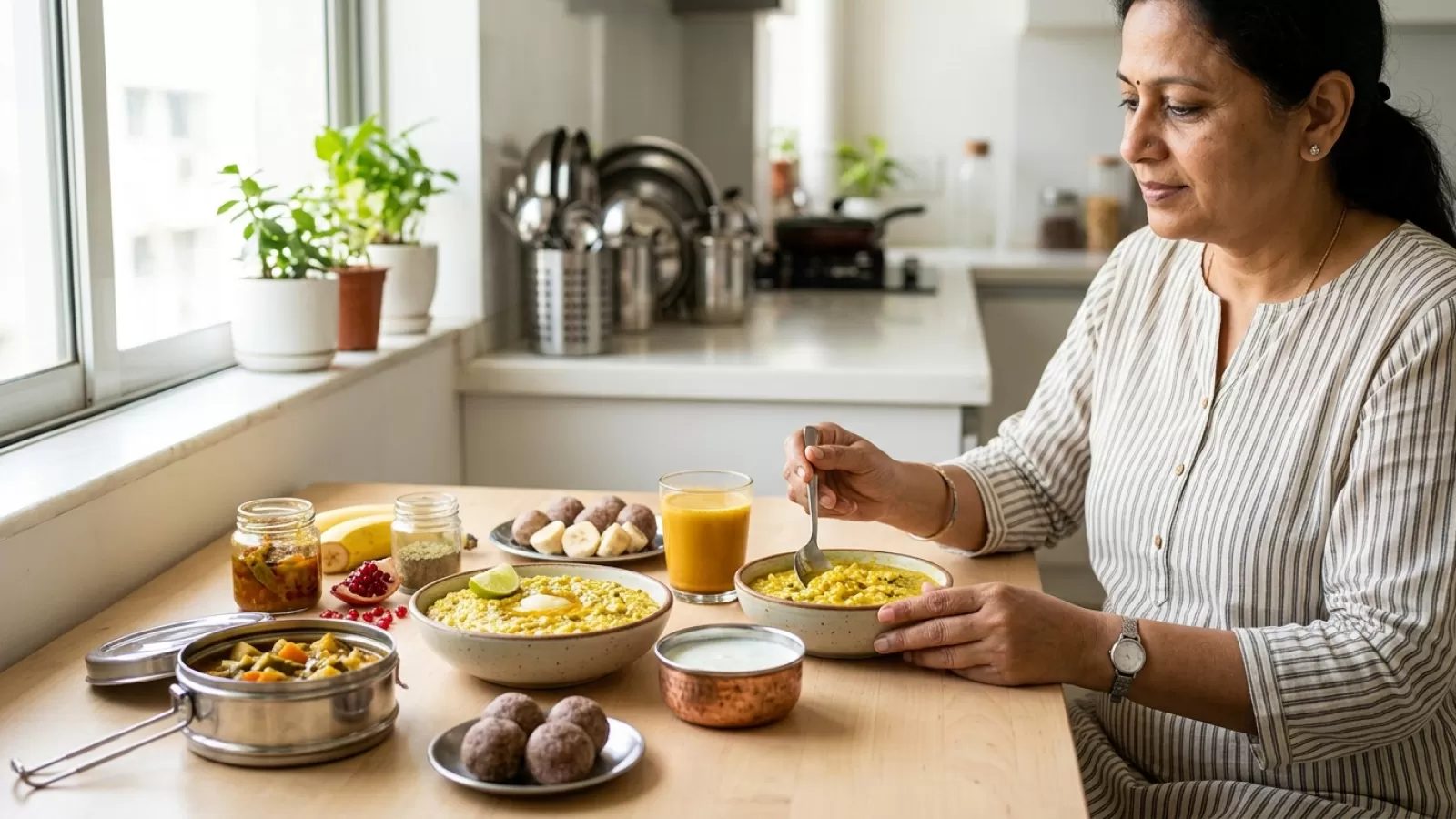
There’s a certain hush in an Indian household after days of fever or stomach trouble. The clatter of pressure cookers and the sharp smells of tadka are replaced by the gentle simmer of khichdi, the tangy steam of rasam, or the soft bubbling of moong dal. Indian recovery foods after illness aren’t just about comfort—they are a quiet return to strength, chosen carefully by generations who understood what a recovering body truly needs.
On the first day when a loved one is finally upright, the stomach still feels tender and appetite is shy. The kitchen, so used to handling spicy sabzi and roti, now shifts to gentle, nourishing meals. In many homes, this period is almost a ritual—one that helps avoid the all-too-common mistake of jumping back to normal eating too soon and paying for it with a setback.
Why Indian Households Turn to Light Recovery Foods After Sickness
After a tough spell with fever or stomach trouble, most Indian families do not rush straight back to rich curries or deep-fried treats. Food for recovery from sickness in India tends to be simple, light, and easy to digest. There is wisdom in this pattern. Illness—whether viral fever, tummy upset, or a long-drawn cold—often leaves digestion weak. The body has spent days fighting an infection, using up energy and resources. Appetite is slow to return, and heavy foods can quickly overwhelm a stomach that still feels unsettled.
In joint families, these choices are almost automatic. The elders might suggest thin moong dal, soft rice, or dahi-chawal, while younger members quietly agree, remembering their own childhood sick days. There’s also a cultural memory at work—stories of people eating spicy food too soon, only to find themselves back in bed. Many families have quietly discovered that the right post illness Indian diet can make the difference between a smooth recovery and lingering weakness.
The Body’s Need for Gentle Nourishment During Recovery
Here is the catch: even after the fever breaks or the stomach calms, the gut lining and digestive strength take time to heal. Returning to normal meals too quickly can shock the system. The tricky part is, hunger sometimes comes back before the stomach is truly ready. That’s why Indian recovery foods after illness tend to include khichdi, curd rice, thin dal, rasam, and simple sabzis. These meals are soft, not oily, and are served in small portions at first.
Dietitians who work with Indian families often find that post-illness, people crave familiar tastes but need foods that are easy on digestion. In many homes, even working professionals who are usually too busy to notice what they eat, become particular about soft rotis, boiled vegetables, or plain poha during the recovery window. The body’s energy reserves also need replenishing—hence the gentle use of ghee, the slow reintroduction of proteins, and the steady presence of rice or sabudana in meals meant for rebuilding strength Indian food after being sick.
Clues That the Body Isn’t Ready for Regular Food Yet
- Reluctance to Eat: Many people, especially after fever, feel full quickly or lose interest in food. This is a sign the gut is not yet back to normal.
- Bloated Stomach or Burping: When someone feels gassy or uncomfortable after even a mild meal, it usually means heavier foods would not be tolerated.
- Low Energy After Eating: If a recovering person feels tired, sleepy, or uneasy after a meal, the food was probably too heavy for that stage.
- Loose Motions or Acidity: A sudden return of stomach issues after introducing chapati-sabzi or outside food is a clear warning signal.
- Lingering Mild Nausea: Even the smell of regular meals may feel overwhelming. This is common after stomach illnesses and indicates the need for more days of gentle eating.
Gentle Indian Food Habits That Support Recovery
- Start With Soft, Simple Foods: Khichdi, moong dal rice, dahi-chawal, or lightly spiced sabudana are go-to options. These are easy on the stomach and give gentle energy without causing distress.
- Use Small, Frequent Meals: During the first two or three days after the fever breaks, serve small portions, even if appetite seems to return. This helps prevent overload.
- Introduce Ghee Gradually: A little ghee in khichdi or dal can help rebuild strength, but only after the stomach tolerates plain food comfortably.
- Include Light Soups and Rasam: Tomato rasam, thin dal soup, or lauki soup are easy to sip and hydrate the body. They also bring taste back without overwhelming digestion.
- Wait Before Adding Raw Foods or Heavy Spices: Raw onions, salads, and masala-heavy dishes should be avoided until at least three to five days after symptoms settle. These foods can be too harsh for a healing gut.
- Keep Hydration Gentle: Nimbu pani, coconut water, or plain water at room temperature are best. Avoid cold drinks, packaged juices, or heavy milk-based beverages early on.
Everyday Rhythms: Recovery Foods in Real Indian Life
In many Indian kitchens, the day after a child’s fever breaks or an adult returns from the hospital, the first meal is almost always a soft khichdi. The cooker hisses quietly, and the aroma is gentle—not the usual rush of spices. Someone might mash a banana or steam a piece of lauki as a side. Lunches become quieter affairs; everyone waits to see if the previous meal “sits well.” If all goes well, a little ghee or boiled potato may appear at the next meal. During these days, the kitchen is alert—one wrong food, and the cycle might start again.
A working professional commuting in Bengaluru might find themselves carrying a plain rice and dal dabba to work, even if their colleagues return to normal food. A senior in a joint family may ask for thin dahi or a little jeera in their rice to keep digestion calm. These small acts—choosing light food for recovery from sickness in India—are repeated in countless homes, quietly protecting the recovering body until true strength returns.
When It’s Time to Seek Extra Help
If gentle foods are not tolerated after several days, or if symptoms like vomiting, high fever, or severe weakness return, it’s usually a sign to check with a doctor. In many homes, elders watch for these signs closely—especially in children or seniors. Even for adults, if energy does not come back after a week of careful eating, or if stomach issues persist, a medical opinion is wise. There’s no harm in giving recovery more time, but sometimes, extra help is needed to prevent things from getting worse.
Common Questions
Questions about the right Indian recovery foods after illness come up in almost every family. Here are some practical answers based on what many Indian households actually do, and what tends to work best during those fragile days after fever or stomach trouble.
What are the best traditional Indian recovery foods for the period after fever, viral illness, or stomach problems?
Soft khichdi (preferably moong dal), plain rice with curd, thin moong dal, sabudana khichdi, and light rasam are the most common choices. Many families also rely on boiled potato, soft lauki, or mashed banana as side options. These foods are gentle, low in spice, and easy to digest. In many homes, dahi-chawal is the first solid food after a stomach upset. These meals support the body as it begins to rebuild strength without overloading the gut.
How do you know when a recovering Indian adult is ready to move from gentle recovery food back to normal meals?
Usually, appetite begins to return, and the person feels hungry at regular mealtimes. There’s no nausea, discomfort, or bloating after simple meals. In many homes, elders wait for two days of problem-free eating before slowly reintroducing chapati, sabzi, and regular dal. If energy is good and the person asks for their usual food, it’s a sign—but changes are made gradually, not all at once.
Which Indian herbs and kitchen ingredients genuinely support recovery after illness rather than simply providing comfort?
Jeera, ajwain, and fresh ginger are often used in small amounts to soothe digestion and reduce bloating. Curry leaves and turmeric (haldi) are added for their gentle support. In some homes, a pinch of hing is mixed into dal or sabzi. These common ingredients help ease the stomach and encourage gentle appetite, but do not replace the need for rest and gradual eating. Always check with a doctor if there are allergies or ongoing symptoms.
How long should light eating continue after a significant fever before returning to normal Indian eating?
Most families wait at least two to three days after the fever breaks before returning to normal food. For stomach illnesses, this period may extend to a week, especially if there was vomiting or diarrhea. The guideline in many homes is: if plain khichdi or dal-chawal is well tolerated for a couple of days, begin reintroducing regular food slowly, one dish at a time. Rushing can bring back symptoms, so patience is key.
What Indian food habits in the week after illness help prevent the prolonged weakness that sometimes follows a significant illness?
Eating small, frequent meals, adding a little ghee for energy, and including soft proteins like dal or curd are common habits. Warm liquids like thin soups or rasam help with hydration. Avoiding outside food, heavy fried snacks, and cold drinks is a quiet rule in most homes. Rest is also encouraged, even as food choices become more varied. These habits give the body time to regain strength without risking a setback.