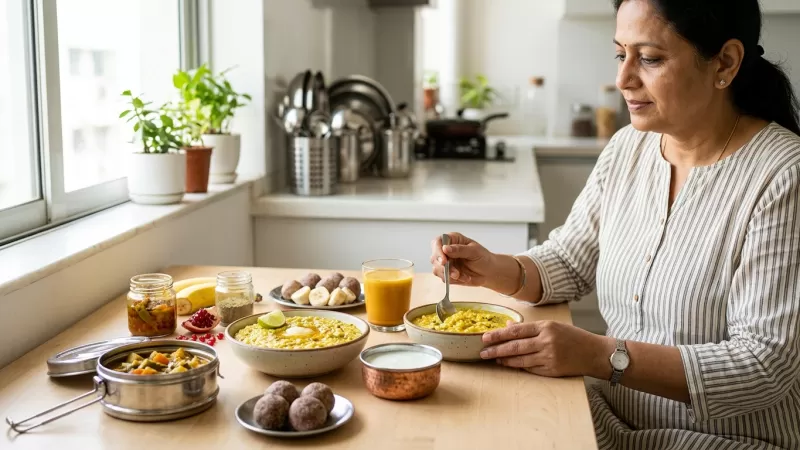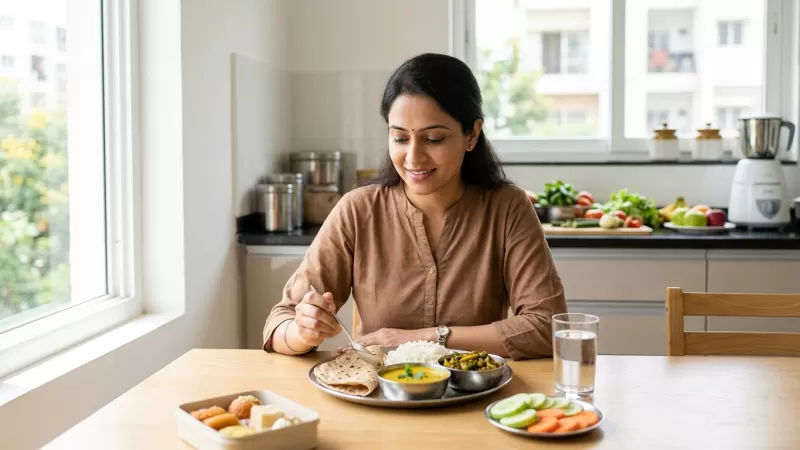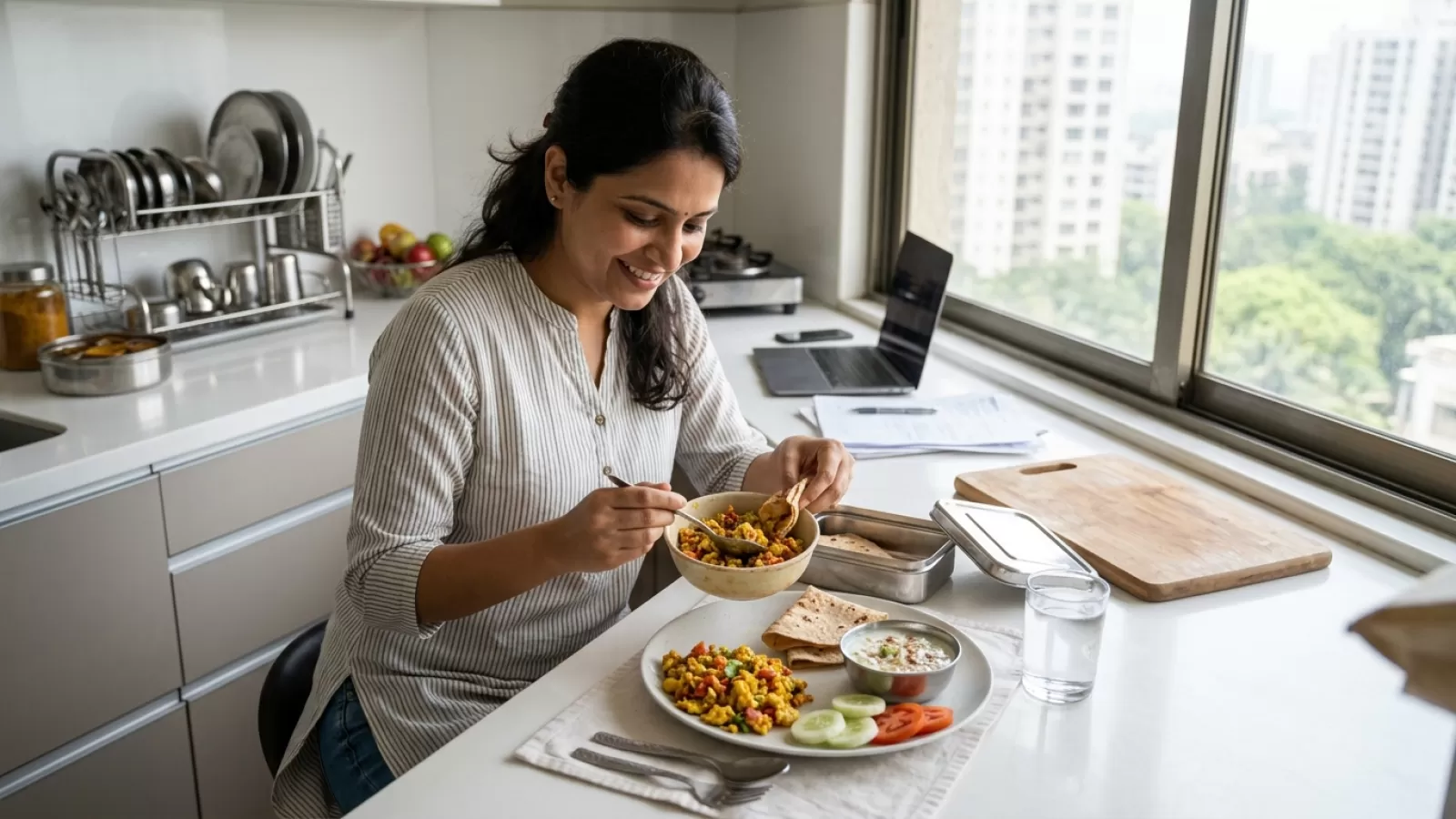
It’s almost 12:30 pm in a busy Indian home. The morning rush has barely faded, and suddenly you realise there’s no lunch ready. The cooker is silent, the fridge is not promising, and someone’s work call is about to start in half an hour. On days like these, quick Indian lunch ideas for time-pressed families become more than a convenience—they’re a lifesaver. The truth is, the fastest midday meals aren’t always about speed-cooking, but about using what’s already on hand, especially leftovers from the night before.
Many families in Indian cities quietly rely on smart habits: a box of leftover rice, a couple of rotis wrapped in a cloth, maybe some sabzi or a bowl of curd in the fridge. These are the secret ingredients that let you build a fast Indian lunch under 15 minutes—even when the clock is ticking and the doorbell rings with a courier or the child’s online class reminder beeps.
Why 10-Minute Indian Lunches Are Often Built on Leftovers
In Indian homes, lunch is rarely a lavish spread during a hectic weekday. Instead, it’s shaped by whatever is available and what can be put together swiftly. Busy mornings, late breakfasts, and the pressure to juggle work-from-home meetings or school sessions mean that the midday meal is often squeezed for time. For most, the idea of a quick Indian lunch isn’t about microwaving packaged food—it’s about repurposing last night’s dal or rice into something fresh and filling.
The fast Indian lunch under 15 minutes is a familiar reality: rolling leftover sabzi into a roti for a frankie, mixing rice with curd and a tempering, or tossing together a chaat with sprouted moong, onions, and tomatoes. These meals don’t just save time—they fit right into the unpredictable rhythm of Indian households, where a power cut or an unexpected guest can upend the best-laid plans.
Why Indian Homes Often Face the Midday Lunch Crunch
Work-from-home setups, school-from-home, and long commutes all play a part. Many Indian kitchens start with the best intentions—planning meals, prepping veggies, soaking dal. But as the morning unfolds, priorities shift. Someone needs help with homework, the milkman arrives late, or an urgent call stretches longer than expected. Suddenly, there’s no fresh lunch, just a ticking clock.
Nutritionists who visit Indian families often find that lunchtime in many homes tends to be the tightest window—just when everyone is hungry, the kitchen has the least free hands. The tricky part is, mid-mornings are often spent clearing breakfast, finishing chores, or just catching a breath. That leaves very little time before the next meal is due.
Here is the catch: most Indian households don’t keep ready-to-eat meals as a habit. Instead, they rely on pantry staples—rice, atta, besan, dahi, potatoes—and leftovers to create a quick nutritious Indian midday meal that feels cooked, not assembled.
How to Tell When the Lunch Rush Has Hit
- The fridge is opened and shut several times within five minutes, hoping something new will appear.
- Children ask “What’s for lunch?” and there’s a long pause before you answer.
- Someone tries to stretch breakfast food—like making poha with the last few spoons of leftover rice.
- There’s a scramble for dahi, chutney, or achar to make plain roti or rice more appealing.
- Lunch is eaten standing, on the kitchen counter, or during an online meeting—no plates, just bowls or even straight from the dabba.
When these moments become a pattern, it’s a sign that the midday meal is being squeezed by everything else happening at home.
Practical Shortcuts for 10-Minute Indian Lunches
- Make Leftover Rice the Hero: Mix last night’s rice with dahi, salt, and a quick tadka of mustard seeds, curry leaves, and a pinch of hing. In humid summers, this curd rice is cooling, filling, and easy on the stomach. A side of pickle or roasted papad finishes the meal.
- Frankie Rolls or Wraps: Wrap leftover sabzi (aloo, bhindi, gobi) inside a roti with onions and a smear of chutney. If there’s no sabzi, even a quick omelette or scrambled paneer rolled up works. This is a fast Indian lunch under 15 minutes that travels well for those heading out.
- Chickpea or Moong Chaat: Keep boiled chana or sprouted moong in the fridge. Toss with chopped onions, tomatoes, lemon, and masala for a quick nutritious Indian midday meal. Sprinkle sev or peanuts if available for crunch.
- Instant Poha or Upma: If there’s leftover cooked poha or upma from breakfast, add some curd or fresh chopped vegetables to make it feel new. Otherwise, dry-roast poha in a pan, add hot water, salt, and a tempering—ready in minutes.
- Besan Chilla with Quick Fillings: Besan is often a saviour. Mix with water, salt, and ajwain, pour onto a hot tawa, and fill with whatever vegetables are at hand—grated carrot, chopped spinach, or even yesterday’s aloo bhaji. Serve with dahi or simple chutney.
These options don’t just save time; they use what you already have, so nothing feels like a compromise. The key is to think in terms of building blocks—rice, roti, dahi, and one sabzi or dal.
Recognisable Patterns in Rushed Indian Lunches
On many weekdays, you’ll find someone in a Mumbai apartment quickly rolling up rotis with leftover paneer for a desk lunch. In a Bengaluru home, the lunchbox might be filled with yesterday’s sambar mixed into rice, eaten with a spoon between two meetings. Some families even keep a small bowl of boiled potatoes in the fridge, ready to mash and use for a quick sandwich or aloo paratha.
During power cuts or when the gas cylinder runs out, many turn to instant suji upma or curd rice, since these don’t need elaborate cooking. In joint families, someone often takes charge of repurposing leftovers into something everyone can eat in a hurry—sometimes by making a big bowl of khichdi and setting out dahi, achar, and papad on the table. These habits have quietly become the backbone of the quick Indian lunch ideas time-pressed families depend on.
When It’s Time to Ask for Help
If you find yourself skipping lunch regularly, feeling weak or irritable by mid-afternoon, or relying too much on packaged snacks, it may be worth discussing household routines with your family. Sometimes, it helps to ask a family member to prep extra rice or roti the night before, or to rotate who handles lunch on the busiest days. If you’re worried about nutrition or ongoing fatigue, a quick chat with your doctor can help you rule out any underlying issues.
Common Questions
Lunch can feel like the most rushed meal of the day—especially when you’re juggling work, family, and unexpected interruptions. If you’re looking for fast Indian lunch under 15 minutes and wonder how to keep it nutritious, you’re in good company. Here are some of the most common questions families ask when lunchtime sneaks up on them.
What is the fastest genuinely nutritious Indian lunch that takes under 10 minutes to make?
In most Indian homes, curd rice with a quick tadka is a winner. Take leftover rice, mix with dahi, salt, and a tempering of mustard seeds, curry leaves, and green chilli. Add chopped cucumber or grated carrot if you have the time. This quick Indian lunch idea for time-pressed days gives you carbs, protein from the curd, and cooling comfort—especially in summer. Pair with pickle or roasted papad. Fast, filling, and genuinely nourishing.
Can leftover rice or roti from the previous night become a proper quick lunch the next day?
Absolutely. Many Indian families rely on last night’s rice for fast Indian lunch under 15 minutes. Leftover rice can become fried rice with a quick toss of vegetables and spices, or curd rice with a tempering. Rotis can be stuffed with any leftover sabzi or even made into quick wraps with chutney and salad. These quick Indian lunch ideas for time-pressed days are not only practical, but prevent food waste too.
What Indian pantry staples always allow a quick nutritious meal when no fresh cooking is possible?
Some staples that save the day: rice, atta, besan, dahi, potatoes, and roasted makhana. With these, you can whip up poha, upma, besan chilla, paratha, or curd rice. Instant oats or suji (rava) are also handy for quick meals. Boiled chana or moong kept in the fridge is a bonus. These items form the backbone of quick nutritious Indian midday meals even when the fridge looks empty.
Is curd-rice or khichdi enough as a complete quick lunch for an Indian adult?
For most adults, curd rice or khichdi made with dal and rice gives a good mix of carbs, some protein, and comfort. If you can, add a small bowl of salad or some roasted peanuts for crunch and extra nutrition. In many homes, these dishes are the go-to Indian lunch when no time allows for elaborate cooking. If you have medical conditions or specific dietary needs, check with your doctor about your lunch choices.
How do you make a rushed Indian lunch feel like a proper meal rather than a corner-cutting solution?
Small touches make a difference. Even on the busiest days, set out a bowl of curd, pickle, or papad. Serve the meal on a plate, not straight from the container. If there’s a minute to spare, cut up a cucumber or slice a tomato for a quick salad. Many families find that sitting together—even briefly—helps a rushed meal feel more like a real break, not just another chore.