Somewhere between the morning rush for tiffin boxes and the late-night comfort of dal-chawal, healthy eating in India without diet rules quietly sits at the family table. In many homes, the idea of eating well India naturally has always meant a plate that balances roti, sabzi, a scoop of dahi, and maybe a little pickle on the side—no calorie apps, no protein shakes, no complicated food charts.
Yet, these days, social media and wellness trends often leave you second-guessing that same plate. You might finish a regular meal and then feel a wave of guilt just because someone online said rice is unhealthy or ghee is forbidden. That old-school confidence—seen in elders who have thrived on simple Indian food without strict rules—can sometimes seem out of reach for the younger generation.
Why So Many Indians Feel Pressured to Diet, Even When Traditional Meals Are Balanced
In the last decade, 'healthy eating India without diet' has become a confusing idea for many people. You see one article praising khichdi as the perfect health food, then another warning you against eating rice at night. The pressure to follow charts, count macros, or avoid certain foods often overshadows the wisdom right in your own kitchen. Many families now worry if their usual lunch—maybe a simple roti with bhindi sabzi and dahi—is 'good enough' compared to some western salad or smoothie bowl.
Busy mornings make it tempting to skip breakfast or reach for packaged foods. The rise of work-from-home means you might eat lunch at your desk, nibbling on chai and namkeen instead of sitting down to a full meal. City life also brings outside influences: food fads, new products, and friends trying out the latest diet plan. All these things can make traditional eating habits feel outdated, even though they've worked for generations. The tricky part is, the more you try to follow every new rule, the more anxious you feel about what’s on your plate.
Why Diet Rules Seem to Take Over, Even When They Aren’t Needed
There are a few reasons why Indian food without strict rules feels so rare these days. Social media is a big one—almost every day, a new influencer recommends cutting out rice, skipping dairy, or banning ghee. Family WhatsApp groups share articles about "superfoods" and "bad foods," making you wonder if you’re doing something wrong by eating the same things your parents did. Office lunches and school canteens are full of people comparing their food, sometimes making you feel like your regular dal-roti lunch is too plain or "not healthy enough."
Nutritionists who work with Indian families often find that younger adults worry more about food guilt than their elders. The older generation, who have eaten dal, sabzi, roti, and dahi for decades, usually don’t see the point of all these rules. They eat mindfully, portion out their meals, and rarely talk about diets. The younger crowd, on the other hand, is surrounded by information—much of it conflicting—and faces the pressure to keep up with every trend, especially in cities.
Another reason is the belief that healthy Indian food lifestyle no restrictions is too simple to work. Some people think you have to make big changes, avoid entire food groups, or buy expensive "health" products to eat well. The catch is, these habits often add stress rather than health.
Clues Your Relationship with Food Is Getting Too Complicated
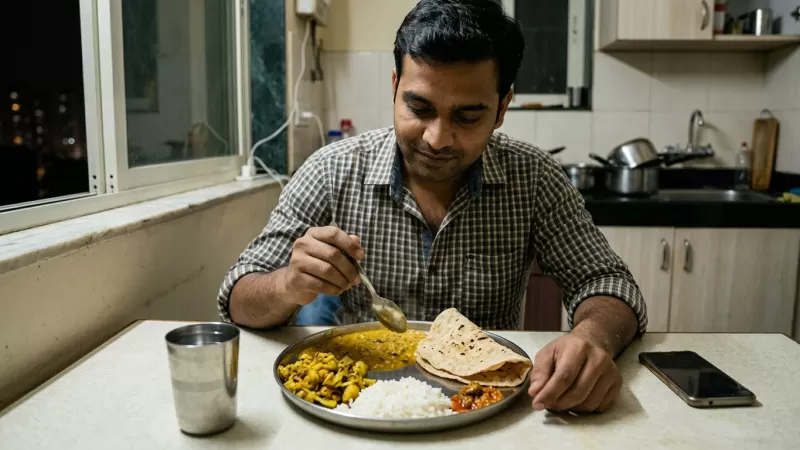
- You feel guilty after eating a typical Indian meal. Maybe you finish lunch and immediately think you should have skipped the rice or not used so much oil in the tadka.
- Food rules start to control your choices. For example, you want poha in the evening, but avoid it because you read that rice-based snacks aren't healthy.
- Meals feel less satisfying. You eat a "diet-friendly" meal but still feel hungry, or keep thinking about the foods you 'aren’t allowed' to eat.
- Family meals become stressful. Someone in the house is always talking about calories, carbs, or what not to eat, making meals tense instead of enjoyable.
- Traditional foods are avoided without clear reason. You stop eating ghee, dahi, or sabudana just because of something you heard, not because of your own experience.
Ways to Eat Healthy in India Without Diet Rules or Restrictions
- Notice what’s already working on your plate. The combination of dal, sabzi, roti, rice, and dahi has been balanced for generations. Try to see it through fresh eyes instead of looking for what’s missing.
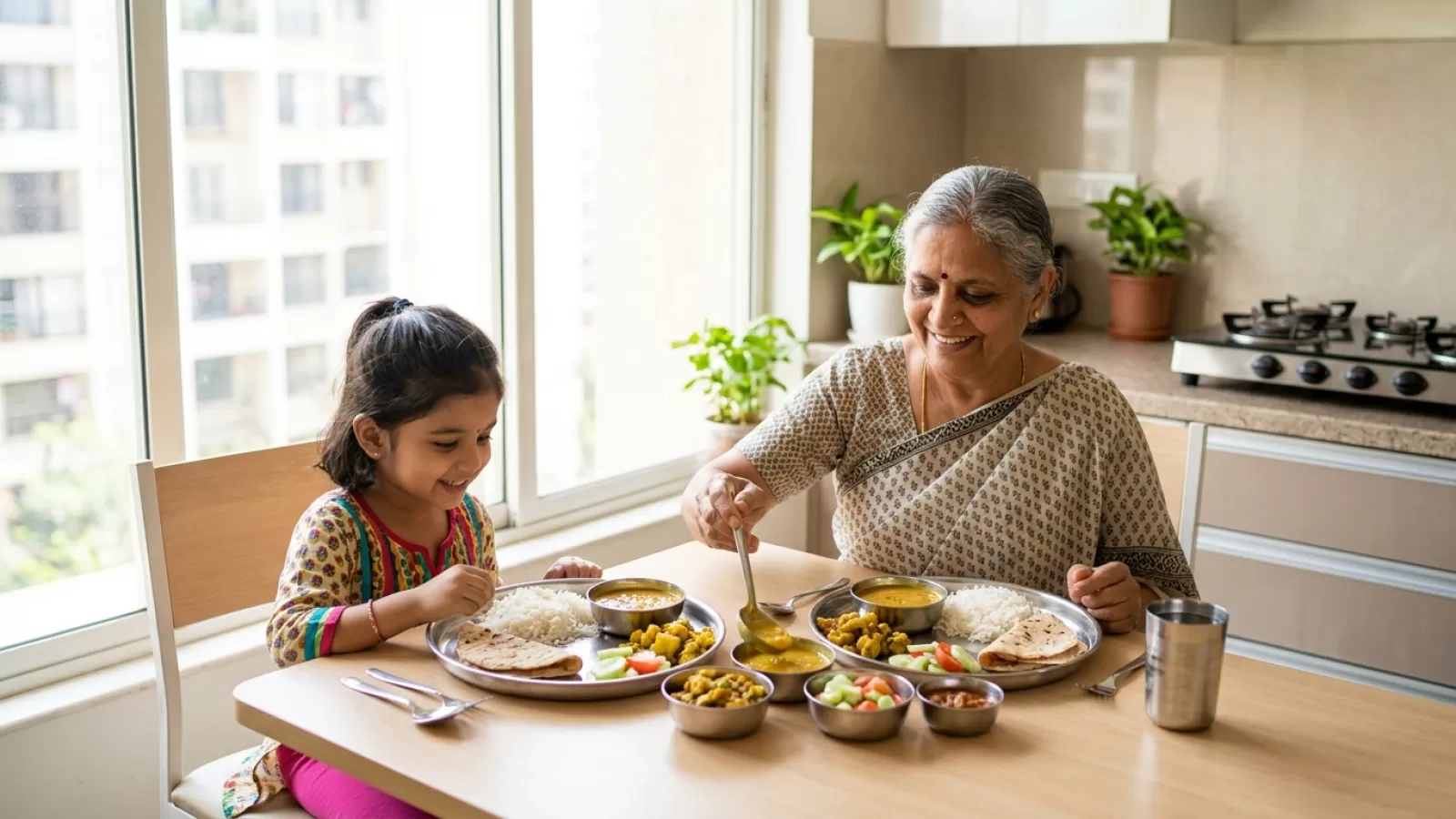
- Eat with the family, as often as possible. Meals in Indian homes are often shared, and this naturally brings variety and moderation. When you eat together, you tend to serve yourself a mix of dishes and eat more mindfully.
- Listen to your hunger and fullness. Instead of finishing everything on the plate just because you "should," pause and check in with your stomach. Many older Indians naturally stop when they’ve had enough, not when the plate is empty.
- Include local, seasonal foods. Eating well India naturally often means using what’s fresh and local—mangoes in summer, saag in winter, makhana during fasting. These foods bring both taste and nutrition, without needing any rules.
- Let go of guilt around food. When a meal is mostly dal, roti, sabzi, and a little ghee, trust that this is already a healthy Indian food lifestyle no restrictions. If you want an occasional samosa or laddoo, enjoy it, then move on—no need for extra rules or "making up for it" the next day.
Everyday Indian Routines That Naturally Support Healthy Eating
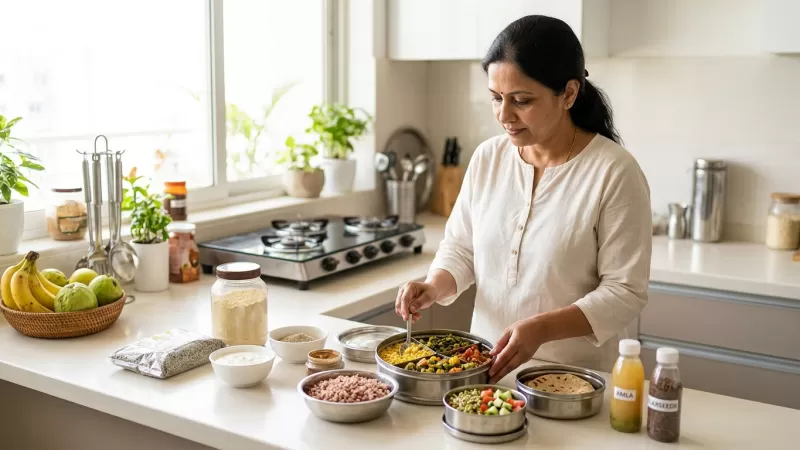
In many households, breakfast is poha or upma, sometimes with chai and fruit. Lunch is dal, roti, sabzi, and dahi. Dinner might be khichdi or rice with a simple curry—nothing fancy, nothing labeled as a "superfood." During the summer, families eat lighter meals and drink more chaas; in winter, they cook with more ghee and seasonal vegetables.
Older adults tend to eat slowly, without gadgets or screens, and often stop before they are completely full. Children naturally follow this pattern when not pressured to clean their plate or "eat more." On festival days, the family enjoys festive foods without guilt—then returns to regular meals the next day. Many families in Indian cities have quietly discovered that not making food a big deal is the most sustainable way to eat well.
When a Little Extra Support Might Be Needed
For most people, healthy eating India without diet rules works beautifully. But if you notice long-term discomfort, digestive issues, or find food anxiety taking over your daily life, it’s a good idea to check with a doctor or a qualified dietitian. Sometimes, a gentle outside perspective can help you return to a simpler, more peaceful relationship with food.
Common Questions
It’s completely normal to have doubts about whether your usual Indian meals are truly healthy. Many people wonder if they’re missing out by not following the latest diet, or if they should feel guilty about eating the foods they grew up with. Let’s look at some of the most common questions families ask—grounded in real Indian household moments.
Is it possible to be genuinely healthy in India without following any diet plan or food rules?
Absolutely. In many Indian families, people have lived long, healthy lives eating dal, roti, sabzi, and rice without ever following a strict diet. The key is variety, moderation, and eating according to your hunger. A working professional commuting in Bengaluru might eat breakfast at home, grab lunch at the office canteen, and enjoy a simple dinner with family. As long as meals include a good mix of grains, lentils, vegetables, and a little dairy or ghee, you’re already practicing healthy eating India without diet rules.
Are traditional Indian eating habits more nutritious than modern diet trends?
In many homes, traditional eating habits provide a well-rounded mix of nutrients—often without fuss or expensive ingredients. For example, dal combines plant protein with fiber, while rice or roti gives energy, and dahi aids digestion. Modern diet trends may focus on protein shakes or "superfoods," but these aren’t necessary if you’re already eating a variety of Indian food without strict rules. The family plate has always balanced taste and nutrition, quietly and effectively.
How do you stop feeling guilty about eating foods like rice or ghee that Indian families have always eaten?
Guilt often comes from outside messages, not your own experience. In a typical Indian kitchen, rice and ghee have been part of meals for generations. When you notice guilt creeping in, remind yourself of elders who have enjoyed these foods daily and lived full, energetic lives. If you’re eating well India naturally—mostly home-cooked, balanced meals—there’s little reason for guilt. Enjoy what’s on your plate, and let food be a source of comfort, not anxiety.
What does genuinely healthy Indian eating look like without any restrictions or labels?
It looks like a table full of dal, sabzi, rotis, rice, and a bowl of dahi, with seasonal fruits or vegetables and maybe something festive on special days. Healthy Indian food lifestyle no restrictions is about listening to your body, enjoying family meals, and using local ingredients. You won’t find calorie counts or banned foods—just a quiet confidence in the rhythm of everyday eating. Many families find that this approach gives both health and peace of mind.
How can Indian adults build a healthy relationship with food without obsessing over what to eat?
Start by tuning out the constant noise about food rules. In many households, adults who focus on sharing meals, cooking seasonal recipes, and eating without screens find they naturally develop a better relationship with food. If you’re not sure, try following the lead of older family members who eat mindfully, enjoy their food, and don’t let guilt or worry spoil their meals. Healthy eating India without diet often begins by trusting what your own body and home already know.
A kitchen in Nagpur at 6am: the smell of toasting jeera wafts from the kadai, while someone kneads atta for fresh rotis. The ceiling fan creaks softly in the warm dawn air. On the table, there’s leftover dal from last night, a small bowl of dahi, and a single ripe banana. No rules, no diet charts—just the quiet, steady comfort of a meal that’s nourished a family for decades.