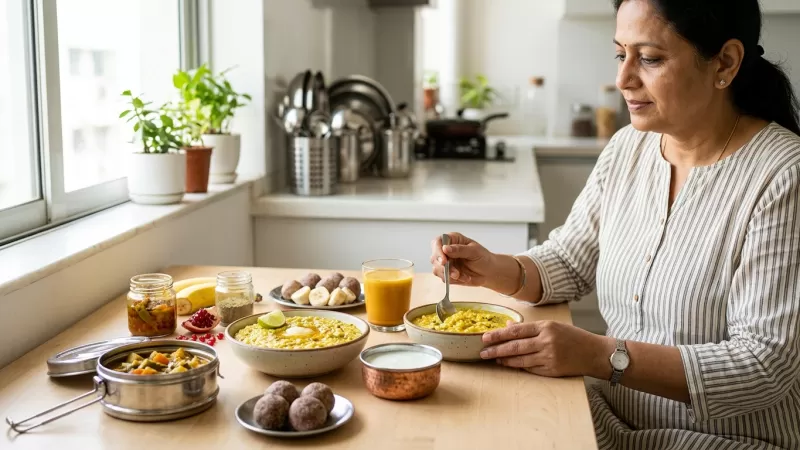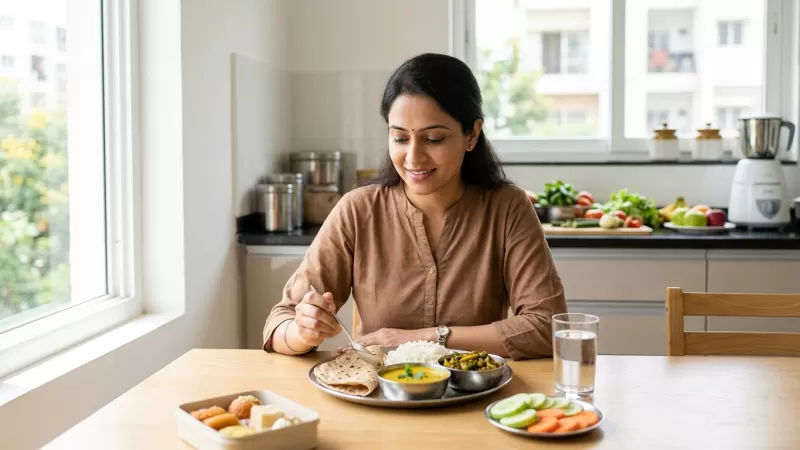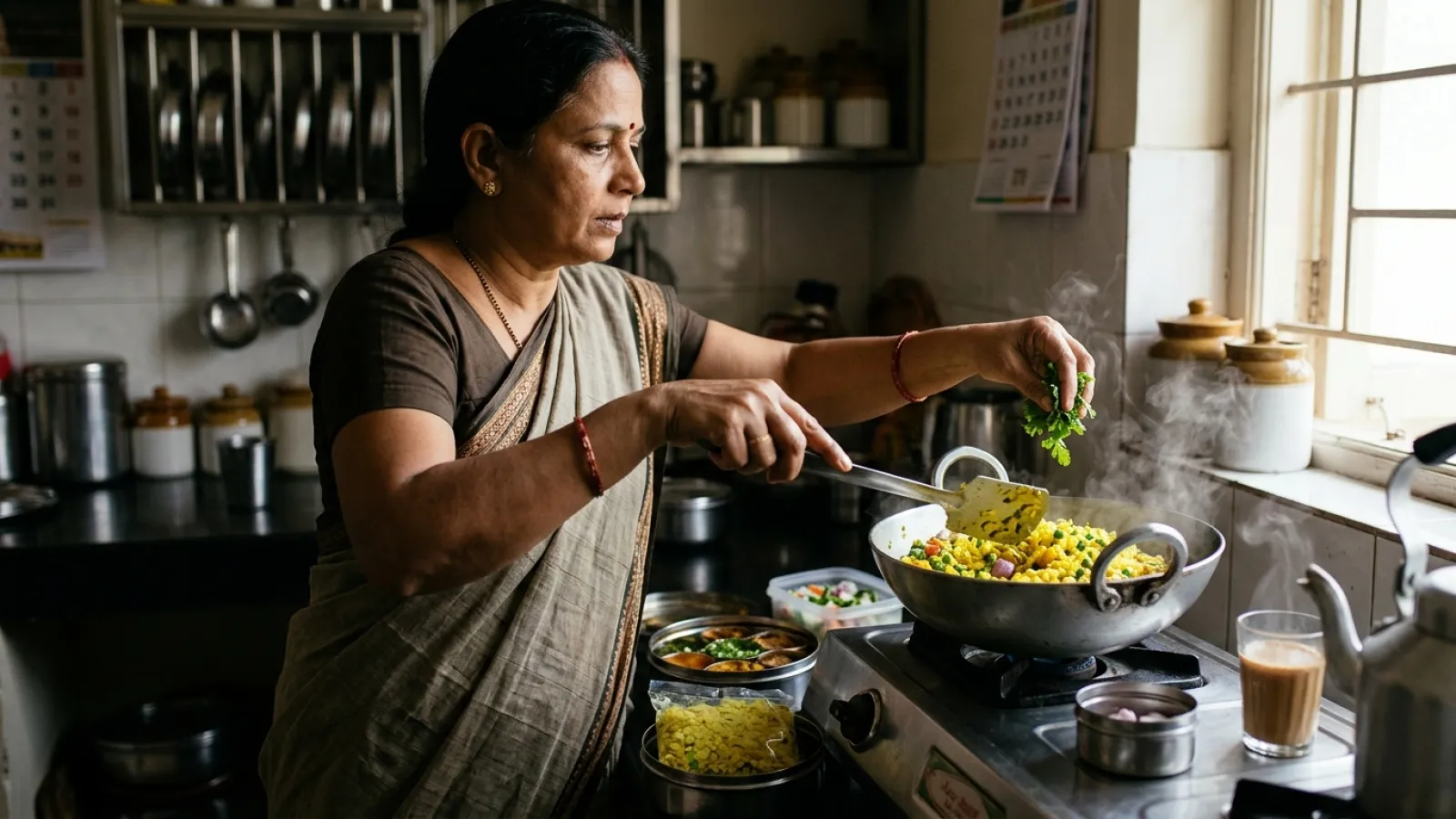
Most Indian homes know that quick Indian breakfast ideas for office mornings are not about fancy recipes—they’re about survival. The alarm rings, the geyser takes its sweet time, and before you know it, you’re standing at the kitchen counter, rolling up a leftover roti with some pickle and dahi, hoping it will keep you going until lunch. The window between waking up and leaving is smaller than it feels. Often, breakfast gets skipped, or you grab whatever is closest—usually not enough to keep you from feeling tired by 11am.
In these rushed moments, breakfast becomes less about “the most important meal” and more about what you can manage with one hand while tying shoelaces with the other. These days, especially for office-goers and commuters, quick Indian breakfast ideas for office mornings are about making the best of what’s already in your kitchen or fridge. Sometimes, it’s a steel dabba of roasted chana by the door or a small bowl of last night’s sabzi with a piece of bread. It’s rarely perfect, but it’s real, and it’s what keeps many of us going.
Why Busy Mornings Often Lead to Skipped Breakfast
In most Indian households, mornings are a blur. There’s a rush to get the kids ready, pack lunch, iron clothes, and squeeze in a cup of chai—all before the first auto or bus leaves. The idea of sitting down for a meal sometimes feels almost luxurious. So, breakfast either gets pushed aside or becomes an afterthought—a biscuit dunked in tea or a hurried spoonful of poha eaten at the kitchen sink.
For working professionals in cities like Bengaluru or Mumbai, unpredictable traffic and early meetings often mean less time for breakfast. In joint families, the kitchen is sometimes crowded, with everyone needing something different. Even with the best intentions, you might find yourself skipping breakfast more often than you’d like. Some days, the power goes out just when the bread is in the toaster, and on humid days, even heating up leftover dal feels like too much effort. That’s the reality many households face with quick Indian breakfast ideas for office mornings.
What Makes Morning Routines So Challenging?
The tricky part is that most Indian mornings are already packed. School buses honk early, office calls start before you’re fully awake, and family members might all need the bathroom at the same time. In small homes, space is limited and everyone’s trying to get ready at once. The expectation to keep everything running smoothly falls on the person managing the kitchen, often with little help. This pace leaves little room for preparing a fresh, hot breakfast daily.
Nutritionists who work with Indian families often find that even those who value a good meal end up skipping breakfast or eating very little because mornings are simply too rushed. Many people worry about leaving the gas on, running late, or forgetting their ID card—adding breakfast to the list feels overwhelming. In the summer, heat and humidity can sap your appetite, making you less likely to bother with a proper meal. So, the focus shifts from a balanced plate to something—anything—that can be eaten quickly and won’t cause a mess.
Clues Your Morning Meal Isn’t Working for You
- Hunger pangs by 10:30am. If you’re looking for snacks or tea before lunch, your breakfast probably wasn’t enough.
- Feeling tired on your commute. Many office-goers notice sluggishness or lack of focus in the first half of the workday.
- Headaches or irritability before noon. This tends to happen when you skip breakfast or eat too little.
- Relying on chai and biscuits to get through the morning. A common pattern, but not enough to keep you full or energized.
- Low energy during morning meetings. If you find yourself zoning out or yawning, your breakfast routine may need a rethink.
Small Breakfast Habits That Save Time
- Pre-pack simple options the night before. Keep a steel box of roasted makhana, chana, or peanuts near your keys or bag. On days when everything runs late, just grab and go. This is an easy Indian breakfast under 10 minutes.
- Use dinner leftovers creatively. Leftover sabzi or dal can become a no-cook Indian breakfast morning solution. Roll it inside a roti or spread it on toast with a little dahi or pickle. Many families quietly rely on this trick more often than they admit.
- Keep quick-cook staples handy. Poha, upma, or even instant dosa batter can save you on rushed mornings. Roasting the poha or chopping onions the night before shaves off precious minutes.
- Have a ‘default’ breakfast for emergencies. In many homes, it’s a banana with a handful of nuts, or just dahi with sugar and a spoonful of murmura. Not fancy, but it works as a quick Indian breakfast idea for office.
- Place breakfast items where you can see them. Keep the roasted chana, makhana, or a box of dry fruits near the shoe rack or main door. This visual cue helps you remember to eat something, even if you’re running out the door.
Everyday Indian Breakfast Patterns in Action
Many families in Indian cities have quietly discovered that no-cook Indian breakfast morning routines are sometimes the only way to manage. On mornings when the power fails or the gas cylinder finishes at the wrong time, someone might just eat a cold paratha with dahi standing at the window, watching the street wake up. Office-goers often carry a steel dabba with roasted peanuts or murmura for those days when skipping breakfast is unavoidable.
A working professional commuting in Bengaluru might unwrap a homemade thepla in the cab, while someone else on a city bus nibbles roasted chana tucked in a handkerchief. These aren’t elaborate meals, but they’re practical and often enough to keep hunger at bay until lunch. During summer, many reach for a bowl of chilled dahi with jaggery or a quick handful of makhana—cool, filling, and fuss-free. These small, real solutions say more about quick Indian breakfast ideas for office mornings than any recipe can.
When Skipping Breakfast Needs Attention
If you find yourself skipping breakfast most days and feeling unwell, unusually irritable, or faint, it may be time to pause and check in with a doctor. While many manage with a small meal, constant fatigue or dizziness isn’t something to ignore. Especially for those with health conditions or seniors at home, a conversation with a healthcare professional is always a good idea.
Common Questions
Every Indian home has its own tricks and shortcuts for the morning rush. Still, some breakfast worries come up again and again—especially when you’re balancing a busy commute, family needs, and your own hunger. Here are some questions that often pop up in kitchens and WhatsApp groups across the country.
What is the fastest Indian breakfast that actually keeps you full until lunch?
A leftover roti roll with a spoonful of dal or sabzi, wrapped up with a little dahi or chutney, is surprisingly filling and takes less than five minutes. Many commuters find that a small bowl of poha or even a handful of roasted chana with a cup of chai can last them till lunch. This kind of easy Indian breakfast under 10 minutes works well for busy office mornings because it combines carbs and protein, helping you stay full longer.
Can last night’s dinner work as tomorrow’s breakfast?
Absolutely. In many Indian homes, dinner leftovers are the quiet heroes of rushed mornings. Cold paratha with dahi, sabzi on toast, or even reheated khichdi can all stand in as a quick Indian breakfast idea for office. This is especially useful when there’s no time to cook. Just make sure the food is still fresh. Many families keep a plate covered in the fridge just for this purpose.
What to eat when there is truly no time in the morning?
Keep a steel box of roasted makhana, chana, or peanuts near the door or in your bag. On mornings when you’re really pressed, grab a handful as you leave. Some people like carrying a small box of murmura mixed with peanuts and a pinch of salt. Even dahi with a little sugar in a steel katori is better than skipping breakfast. These no-cook Indian breakfast morning options are lifesavers for last-minute days.
How do I make sure my breakfast gives me energy for the commute?
Try to include a mix of carbohydrates and protein. For example, a quick poha with peanuts, a roti roll with dal, or even bread with dahi and some chopped cucumber works well. Packing a small box of roasted chana or makhana to eat during your commute is another easy Indian breakfast under 10 minutes. This balance helps avoid the mid-morning slump that many office-goers experience.
Is skipping breakfast worse than eating something very small?
Most people find that eating even a small breakfast—like a handful of nuts or dahi with a spoonful of murmura—is better than skipping it entirely. When you skip breakfast, energy levels often drop, and you may feel tired or irritable before lunch. That said, if you’re not hungry, don’t force a heavy meal. Listen to your body, and if you notice frequent headaches or fatigue, it’s worth talking to a doctor about your routine.