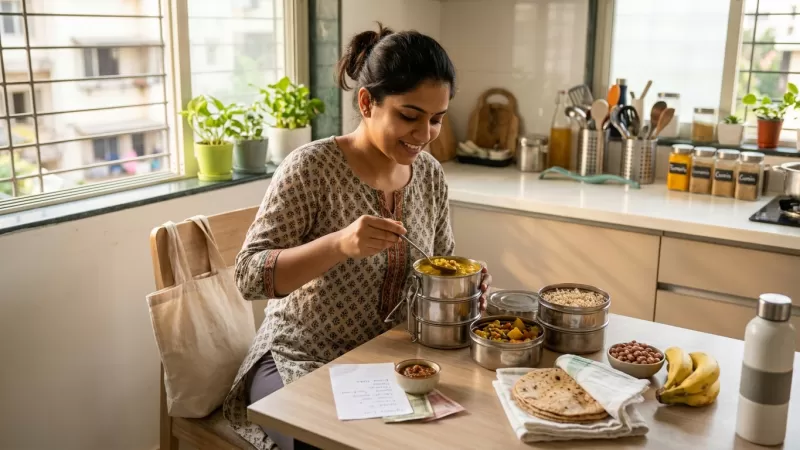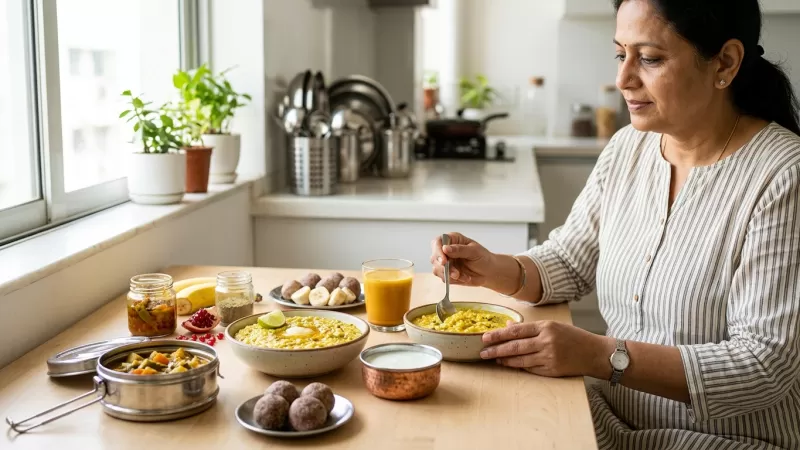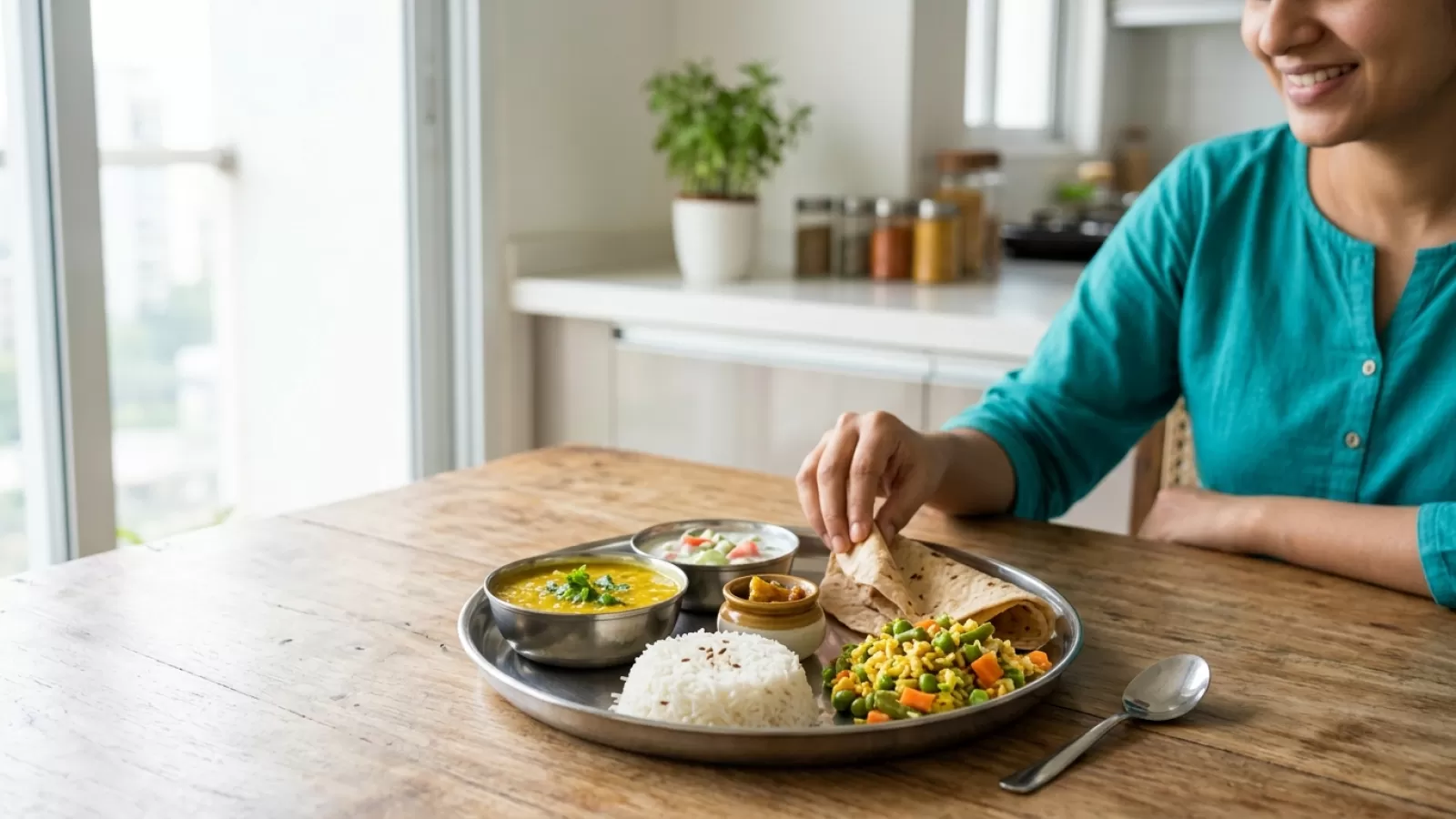
In many Indian homes, dinner is when everyone finally sits down together, even if it’s for just ten minutes. Some evenings, though—after a heavy lunch or a string of snacks through the day—nobody wants to face the usual dal, roti, sabzi spread. You want something gentle, not just another round of chai and biscuits. On such days, light Indian dinner ideas matter more than ever. They help you feel comfortable, avoid late-night hunger, and still bring a sense of proper mealtime.
Especially during humid summers or after a festival binge, families crave a simple Indian evening meal that’s easy on the stomach. These light dinners aren’t about eating less; they’re about picking foods that feel right for tired bodies and busy minds, while still being satisfying and—just for a moment—quietly joyful.
Why Light Dinners Are a Familiar Need in Indian Families
Many households, especially those with working parents or joint family setups, find themselves negotiating dinner every night. Some days, lunch runs late or ends up being heavier than usual—think weekend biryani, a wedding function, or even an office potluck that stretches past 3pm. By the time evening comes, nobody really wants a heavy meal, but skipping dinner entirely often leads to everyone rummaging for snacks, biscuits, or leftover sweets close to midnight.
Children might grumble about missing their favourite paratha, while elders may insist that something hot is needed for a good night’s sleep. In nuclear families, tired professionals might wish for a quick, easy light Indian dinner when exhausted, but also want to avoid waking up starving. The balance between not-too-heavy and not-too-light is a daily negotiation. That’s where light dinner India stomach-friendly meals come in—meals that give comfort without overload.
What Makes Some Evenings Demand a Lighter Meal?
There are a few patterns. One is the classic heavy lunch, especially on Sundays or after festivals. Another is the day when everyone has grazed through the afternoon—biscuits, samosas, fruit, chai—leaving no proper appetite by dinner. Sometimes, someone in the family feels low or queasy, and the idea of a rich curry or stuffed roti is unappealing.
Nutritionists who work with Indian families often find that many people worry about "skipping" a full dinner, but what their body really wants is rest and something easy to digest. In many homes, the need for light Indian dinner ideas surfaces during the change of seasons, after long commutes, or on evenings when everyone is simply too tired to cook a full meal but still wants to eat together. The tricky part is knowing how to make a simple Indian evening meal feel like a proper dinner, not just an afterthought.
Clues That Your Family Wants a Light Dinner Tonight
- Lingering Fullness: If lunch was heavy or late, and nobody seems interested in starting dinner prep, that’s a sign.
- Snacky Evenings: When the kitchen counter is scattered with fruit peels, half-eaten biscuits, or leftover samosas, it usually means the family has been grazing all afternoon.
- Low Energy for Cooking: If everyone is pushing dinner duty onto someone else, often it’s because the idea of a big meal feels overwhelming.
- Requests for Dahi or Khichdi: In many Indian homes, when someone says, “Just give me some dahi-chawal,” it’s a clue that the whole kitchen wants something soft, warm, and light.
- Late Night Munching: If skipping dinner has led to midnight biscuit raids before, you’ll know a light meal is better than none.
Simple Ideas to Make Light Dinners Satisfying
- Khichdi with Dahi and Papad: This is the classic easy light Indian dinner when exhausted. It’s soft, filling, and easy on the stomach. Add a little ghee or a side of pickle for taste. For extra nutrition, throw in a handful of chopped spinach or peas. Many families rely on khichdi during exams, after travel, or when someone feels under the weather.
- Curd Rice with Tempered Spices: Popular in South India, curd rice is a reliable simple Indian evening meal on warm nights. A quick tadka of mustard seeds, curry leaves, and grated carrot adds flavour and crunch. It’s gentle and cool for digestion.
- Vegetable Upma or Poha: Both are quick to make and can be loaded with vegetables. Upma with a bit of roasted peanuts or poha with boiled peas and lemon feels like a real meal, not a snack. These are light dinner India stomach-friendly options that don’t take much effort.
- Besan Chilla with Green Chutney: When you want something warm but not heavy, besan chilla comes together in minutes. Add chopped onions, tomatoes, and coriander. Serve with dahi or green chutney for a balanced plate.
- Moong Dal Soup with Toasted Roti: Not just “soup”—thick moong dal with cumin, ginger, and a little lemon is protein-rich and soothing. Tear up a roti for dipping and you have an easy, light Indian dinner that still feels like home food.
For families with children, adding a boiled egg or some steamed vegetables can help the meal feel more complete, without tipping it into heavy territory. The idea is to choose what feels right for your mood and energy, not what a “proper dinner” is supposed to look like.
How Light Dinners Fit Into Indian Daily Life
Most Indian families don’t plan their meals days in advance. Dinner often depends on what happened earlier—if lunch was light, dinner may be rich, and vice versa. On school nights, working parents might whip up upma or poha as a light dinner, especially if the evening has been packed with homework and online classes. In cities like Mumbai or Bengaluru, many professionals come home late, sweaty and drained, and only want something quick and light before bed.
Joint families sometimes have multiple dinner pots on the stove: khichdi for the elders, a few rotis for those who want something solid, and fruit or dahi for the rest. During summer, curd rice or phulkas with sabzi are often enough. Across India, many people have quietly discovered that a simple Indian evening meal can be both satisfying and restful, especially on days when nobody is truly hungry but everyone still wants to eat together.
Times When a Light Dinner Isn’t Enough—And What To Do
There are situations when a light dinner India stomach meal may not be right. If someone is recovering from illness, has specific dietary needs, or feels unusually weak, it’s safer to check in with a doctor or nutritionist. For children and pregnant women, very light meals shouldn’t become the default every night. When in doubt, a quick phone call to your family doctor can help clarify what’s best for your situation.
Common Questions
Many Indian families have their own little rules about dinner, but sometimes you need a fresh idea or a gentle reminder that light can still be satisfying. Here are a few questions that come up often when thinking about what to serve on nights when nobody wants a big meal.
What are the best light Indian dinner options that still feel like a proper meal?
On evenings when the family isn’t very hungry but still wants dinner together, options like khichdi, curd rice, vegetable upma, poha, besan chilla, and moong dal soup with toast work well. Many homes prepare a small thali of dahi, a little sabzi, and one roti. Adding papad, pickle, or a simple salad makes the meal feel more complete, even if the portions are small. The key is to keep it light but comforting—something warm and gentle on the stomach.
Is eating a very light dinner nutritionally adequate for Indian adults on most nights?
Most healthy Indian adults can have a light dinner a few times a week, especially after a heavy lunch. The body’s needs change day to day, and eating lightly can actually help with sleep and digestion. The tricky part is making sure the meal has some protein (dal, dahi, besan) and not just carbs. If you’re choosing light Indian dinner ideas regularly, try to include a mix of dal, vegetables, and curd for balance. If you feel tired or weak, it’s always okay to check with a doctor.
How do you make a light Indian dinner that is genuinely satisfying and not just a snack?
The difference is in the details: warm food, a little variety, and something to dip or crunch. Many families serve khichdi with dahi and papad, or upma with roasted peanuts and chutney. Even poha feels fuller with lemon and coriander. One small roti with a bowl of dal is often enough. Sitting together and serving the meal on a plate—not straight from the pot—helps it feel like dinner, not just a snack.
Which Indian foods are easiest to digest at night when the body is tired?
Soft, low-spice foods like moong dal khichdi, curd rice, plain dal with rice, vegetable upma, and poha are easy on the stomach. These meals are light dinner India stomach-friendly and won’t cause heaviness or discomfort. Avoiding oily, fried, or very spicy foods helps, especially in the evening. Many elders recommend a spoon of ghee on khichdi or rice for digestion, but keep the portion modest. Pairing with dahi or fresh chutney can make the meal cooling and gentle.
Can khichdi or upma really count as a complete dinner for the whole family?
In many Indian homes, khichdi or upma is a perfectly acceptable dinner, especially on tired nights. Both can be made more filling with vegetables, a little ghee, and sides like papad or dahi. For added nutrition, toss in green peas, carrots, or spinach. Children often enjoy these meals with a bit of pickle, while elders appreciate the easy digestion. The real test: nobody wakes up hungry in the middle of the night—so yes, these simple Indian evening meals do the job for most families.
A Kitchen in Nagpur at 6am: How Light Dinners Feel the Next Morning
The fan is spinning lazily as the sun creeps into the kitchen. Last night’s khichdi pot sits on the counter, clean except for a little dried rice at the bottom. Someone reheats water for chai, quietly grateful that dinner was light and easy. There’s no heaviness, no sleepiness—just a gentle start, a few birds outside, and the sense that sometimes, less really is enough.