By the time May arrives, the kitchen heat in many Indian homes feels as thick as the air outside. On days like these, Indian summer eating habits quietly shift—rice is made softer, dahi goes from a side to a main, and the idea of a hot, oily sabzi feels out of place. Nobody announces this change, but you feel it: the body just knows what it wants during the hottest weeks, and the kitchen responds almost instinctively.
These Indian summer eating habits are not just about comfort. They come from years of family wisdom, passed down through generations who have learned to cool the body from within using local foods and simple tweaks. The switch to lighter cooking, reliance on fresh curd, and a focus on hydration is something you’ll see in most Indian households, especially when the sun beats down hardest.
Indian Food Habits That Shift With the Summer Heat
In many homes, the arrival of peak summer brings more than just sweaty afternoons and restless nights—it changes the entire rhythm of eating. That familiar craving for steaming dal, thick rotis, and rich gravies fades. Instead, kitchens fill with the scent of buttermilk, the cool touch of soaked sabudana, and the gentle tartness of aam panna.
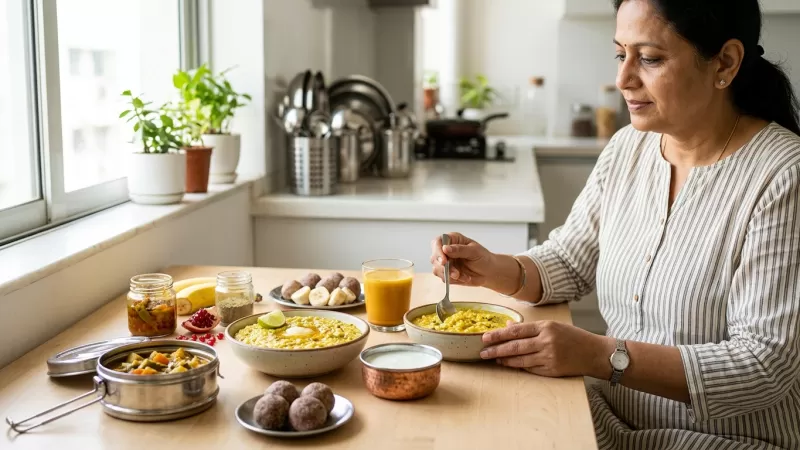
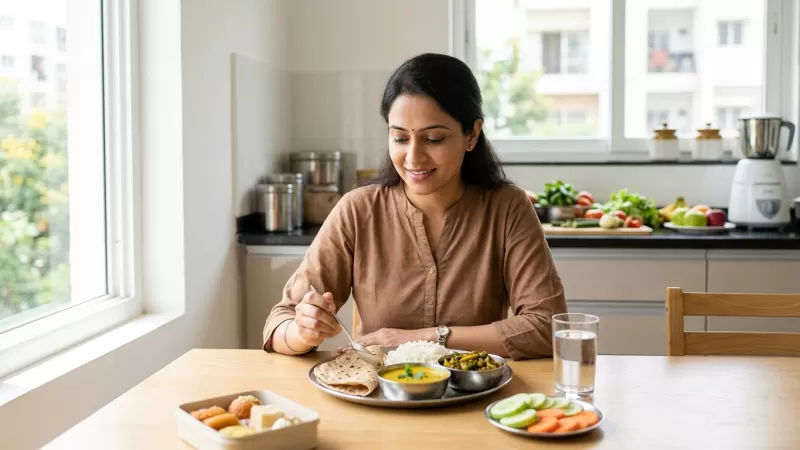
Eating during Indian summer heat often means that meals become smaller and lighter. Lunches are not as heavy—curd rice, poha, and khichdi replace the usual fare. Evenings see plates with sliced cucumber, watermelon, or papaya. For many, summer diet Indian adults follow is less about strict rules and more about listening to what the body naturally asks for.
There’s a reason so many Indian food for hot weather traditions have survived. From fermented drinks like kanji to raita and chaas, these foods are gentle on digestion and help keep energy steady through the day, even when the temperature outside pushes everyone to their limits.
How the Body Responds to Indian Summer Eating Habits
The tricky part is, appetite usually drops in the hottest weeks. On some days, you might notice you just don’t feel hungry—even at your usual meal time. This isn’t random. During summer, the body slows down digestion to avoid generating extra heat. Heavier foods take longer and require more energy to digest, which can make you feel sluggish or uncomfortable.
Nutritionists who work with Indian families often find that many people instinctively shift to lighter, water-rich foods as temperatures rise. It’s not about following a strict summer diet Indian adults read about online—it’s about tuning in to what feels right. Foods like dahi, sabja seeds, and pudina chutney are not just tasty, but also have genuine cooling and hydrating effects.
This natural drop in appetite is usually healthy to follow—forcing yourself to eat heavy meals in peak summer often backfires, leaving you bloated or overly tired. Instead, Indian summer eating habits encourage you to eat what feels comfortable, in smaller portions, and more often if needed.
Signs Your Summer Eating Habits Are Working (or Not)
- You wake up less thirsty. When your food is hydrating—think curd, watermelon, or cucumber—you don’t get as parched overnight.
- Midday fatigue is less intense. Those who shift to lighter lunches like poha or dahi rice often find energy levels stay steadier, even after the hottest part of the day.
- Digestion feels comfortable. If you’re not bloated or sluggish after meals, your summer food is likely suiting you. Heavy, oily meals tend to sit uncomfortably in the stomach during hot weather.
- You crave fresh foods. Many people start reaching for raw salads, fruit, or simple raita over fried snacks or sweets in summer. The body’s cues often become clearer in the heat.
- Reduced need for cold drinks. When your meals are already cooling, you’ll notice you reach less for ice-cold sodas or packaged juices.
Practical Summer Eating Steps in Indian Homes
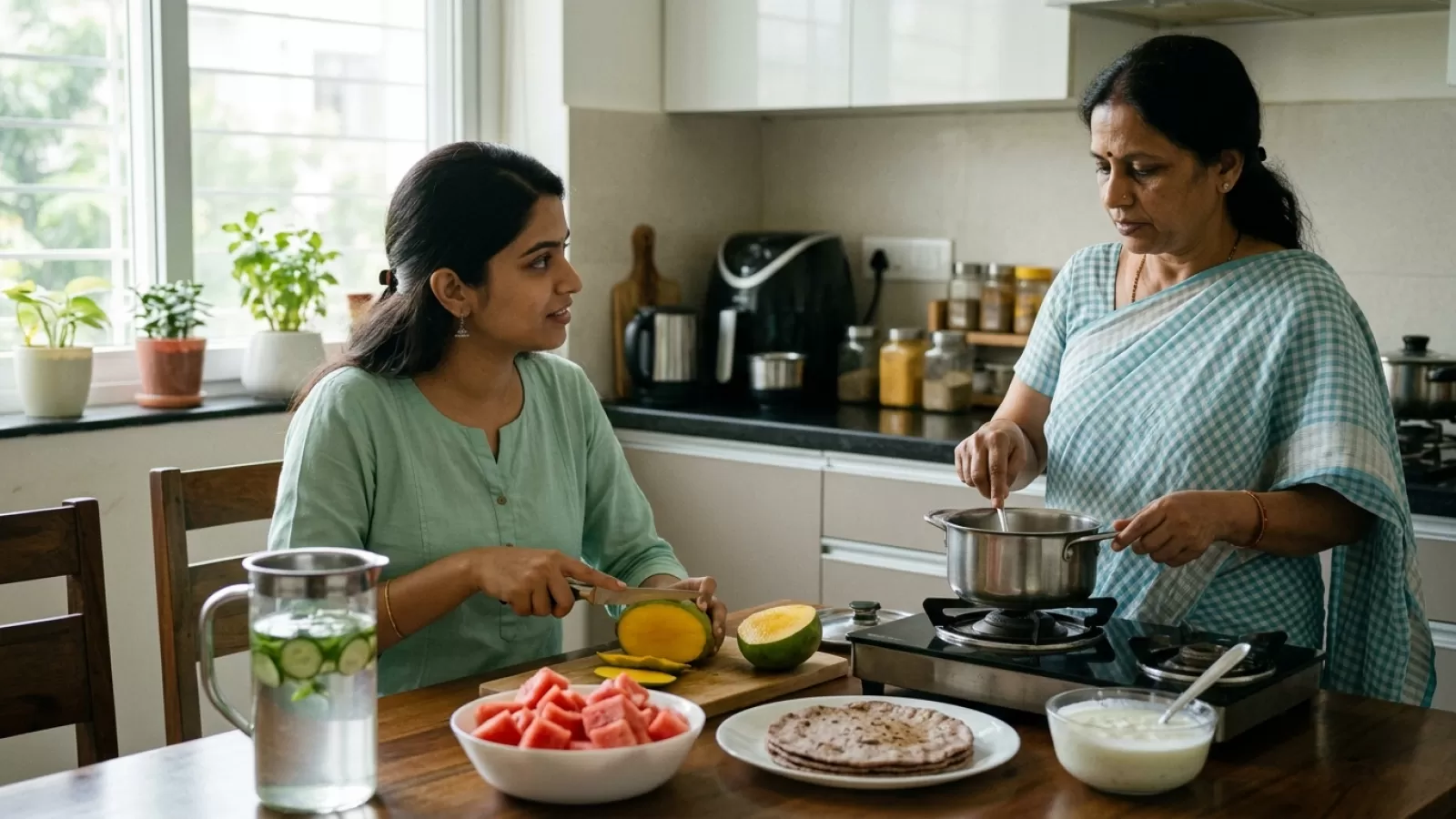
- Switch to water-rich foods. Adding cucumber, lauki, watermelon, or ash gourd to your meals can help maintain hydration. Many families keep a bowl of cut fruit or salad ready in the fridge.
- Include more curd and buttermilk. Dahi is not just for raita—curd rice, chaas, and even simple dahi with sugar become mainstays. These are gentle on the stomach and help cool the body from within.
- Go for lighter cooking methods. Steaming, boiling, and sautéing take the spotlight in many kitchens during peak summer. Deep frying is often avoided, as heavy foods make you feel hot and tired.
- Eat smaller, more frequent meals. It’s common for adults to split meals—maybe a bowl of poha or sprout salad mid-morning, and a light lunch later. This keeps energy up without overtaxing digestion.
- Make use of local summer produce. Mangoes (both raw and ripe), jamun, lychee, and kokum are not just seasonal treats—they offer vitamins and hydration. Many homes prepare aam panna or kokum sharbat in bulk to last through the week.
All these steps tend to feel like small changes, but together they help manage the demands of eating during Indian summer heat much more comfortably.
Everyday Patterns: How Summer Eating Habits Show Up Across Indian Homes
Most mornings in June, kitchens in cities like Hyderabad or Ahmedabad start with the low hum of a wet grinder churning soaked rice and dal for idlis or dosa batter—fermented foods that are lighter and easier to digest. In joint families, someone usually whips up a big vessel of chaas, pouring it into steel tumblers to keep in the fridge for the whole day.
Lunches get streamlined. A plate of curd rice with a side of cucumber slices, or phulkas with bottle gourd sabzi and a small bowl of dahi, becomes the norm. In many homes, the pressure cooker is used for khichdi, and heavy gravies are set aside for another season. Children returning from school often find fresh watermelon or chilled lemon water waiting.
Working professionals commuting in Bengaluru might carry a box of poha or sprouts salad—they know that heavy lunches lead to afternoon sleepiness in office. Seniors sitting on shaded verandas sip on homemade aam panna or nimbu pani, chatting as the heat slowly loosens its grip in the late evening.
The point is, summer diet Indian adults and families follow is less a written rule and more a shared understanding—passed along in the way meals are planned, snacks are chosen, and the fridge is stocked during the hottest months.
When a Doctor’s Advice Is Needed
Most of the time, adjusting Indian summer eating habits is enough to stay comfortable and energized. But if you or someone in your family feels persistently weak, dizzy, or unable to eat at all, it’s wise to check with a doctor. The same goes if dehydration or digestive troubles don’t ease up with these household tweaks. Summer heat can be tough, and sometimes a little extra guidance is needed.
Common Questions
Summer food changes can feel a bit mysterious—sometimes you find your kitchen running on autopilot, other times you wonder if you’re doing enough. Let’s talk through a few of the questions that often come up, using real examples from Indian homes. If you notice these moments, you’re not alone.
What are the most important Indian eating adjustments to make when the hot season arrives and temperatures are consistently high?
The biggest adjustments in Indian homes are shifting to water-rich vegetables, adding more curd and buttermilk, and going for lighter meals. In summer, families tend to reduce oily and spicy foods, swapping heavy curries for simple dal with lauki or tinda. Many also make batches of chaas or nimbu pani in the morning to sip through the day. These changes help manage heat and keep energy stable, especially when the afternoons get oppressive.
Why does Indian appetite naturally reduce during the hottest months and is this a healthy response to follow?
Most people find their appetite drops in peak summer—it’s the body’s way of avoiding excess heat from digestion. In a kitchen in Nagpur at 6am, breakfast might be delayed or lighter than usual, and nobody forces a heavy meal. This is usually a healthy response. Forcing yourself to eat large portions when you aren’t hungry can lead to tiredness and discomfort. Listening to these cues helps most people stay comfortable and hydrated in the heat.
Which traditional Indian summer foods have genuine cooling and hydrating properties that make them specifically appropriate in heat?
Foods like dahi (curd), chaas (buttermilk), aam panna, and kokum sherbet are genuinely cooling and hydrating. In many homes, sabja seeds (basil seeds) are soaked and added to drinks for a cooling effect. Water-rich fruits like watermelon, papaya, and cucumber are cut and served chilled. These are not just traditions—they really do help the body stay cool and maintain hydration during the worst of the summer heat.
How do Indian families maintain adequate nutrition when summer heat reduces appetite and changes what the body wants?
Most families work around smaller appetites by offering more frequent, lighter meals. A bowl of poha mid-morning, a plate of khichdi with dahi at lunch, and fruit snacks in the afternoon are common patterns. There’s also a focus on variety—rotating between different dals, seasonal vegetables, and fresh chutneys. Even when meals are simple, the range of local produce and fermented foods helps cover basic nutrition.
What Indian eating habits specifically help the body manage the energy demands of a very hot Indian summer?
Eating smaller portions more often, choosing foods with high water content, and including natural coolants like dahi and mint are key. In many homes, people avoid skipping breakfast but keep it light—idli, poha, or fruit. For those working outdoors or running errands, carrying a bottle of homemade nimbu pani or chaas is routine. These habits help maintain steady energy and prevent dehydration, even on the hottest days.