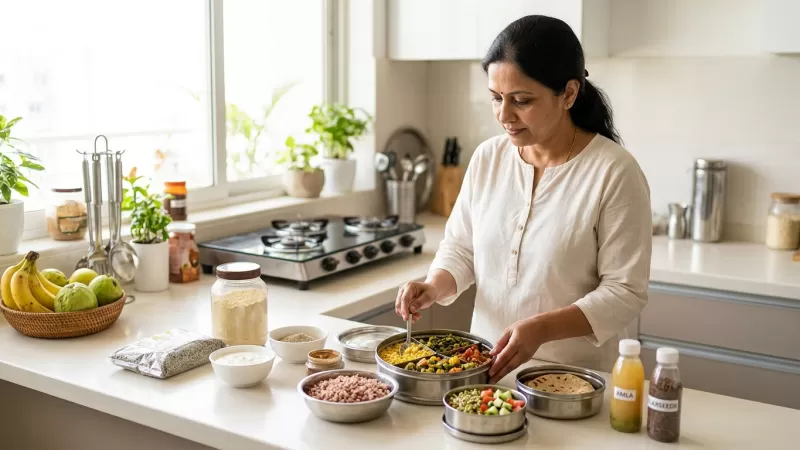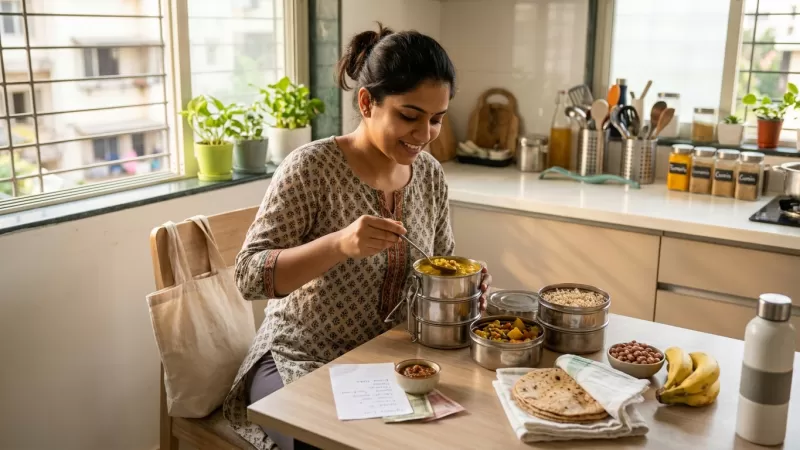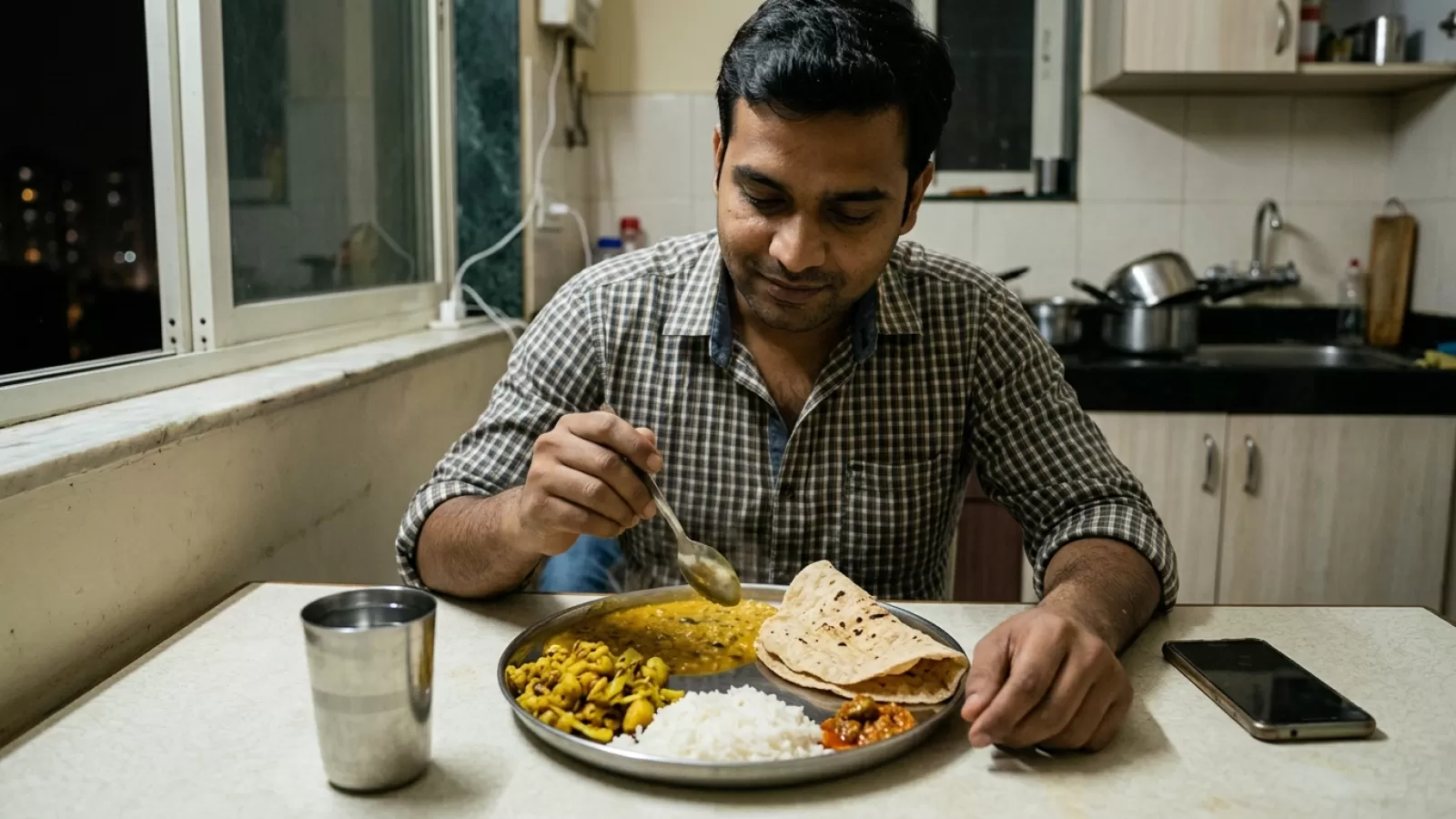
In many Indian homes, the glow of a laptop or the buzz of a phone is a familiar sight well past dinner time. Budget Indian food working late is not just about cost—it's about what you can actually eat, late at night, when your body and mind are both running on fumes and the fridge seems emptier than it is. Plenty of professionals have quietly figured out that a bowl of leftover curd rice, some roasted chana, or a quick khichdi can keep them sharp and comfortable without burning a hole in their pocket or their sleep.
The tricky part is, these days, late-night work has become routine for many. Long commutes, meetings with teams in different time zones, or just the never-ending to-do list often mean that dinner is delayed, quick, and needs to be easy on the stomach. Finding affordable Indian food late night work options isn’t about cutting corners—it's about making small, smart choices that help you finish work without feeling weighed down or spending extra.
How Late Work Changes Dinner in Indian Homes
Late-night work is hardly rare now. In cities like Bengaluru or Mumbai, it's common for working professionals to take a call at 9 pm, then scramble for a meal once the work is done. Even in smaller towns, with everyone sharing devices or bandwidth, the real quiet to work sometimes only comes after dinner hours. That said, most kitchens aren’t set up for elaborate cooking late at night, and ordering in every day isn’t realistic—or healthy.
So, the dinner routine shifts. Instead of a full spread, many families now keep quick, cheap Indian food for late work hours ready to go. Dahi, leftover rice, a handful of makhana, or even a bowl of poha made from the morning’s leftovers—these become the real dinner for those working late. It’s not just about what’s affordable, but what can be put together without much thought after a tiring day.
Why Affordable, Simple Food Becomes the Go-To for Late Workers
There are a few reasons why budget Indian food working late is so common. The first is energy—heavy meals, especially late at night, tend to make people sluggish or disrupt sleep. Light, simple foods like curd rice or khichdi offer enough energy for the final few hours of work, but don’t sit heavy on the stomach.
Another reason is practicality. After a long day, most people don’t want to spend 30 minutes in the kitchen. Foods that are quick to prepare or can be assembled from leftovers win here. Also, many Indian families run on tight schedules and budgets, so reheating dahi-bhaat or tossing together some poha is much more manageable (and cost-effective) than ordering out.
Dietitians who work with Indian professionals often find that most late-night meals at home are driven by what’s available and easy rather than any elaborate nutrition plan. The food that fits these late work hours tends to be whatever is already in the kitchen, doesn’t need much effort, and is gentle on the pocket as well as the body.
Clues Your Late-Night Eating Routine Isn’t Helping
- Waking up feeling heavy or groggy. Heavy, oily meals late at night can make mornings sluggish.
- Frequent late-night acidity or discomfort. Spicy or fried foods, common in takeout, often cause this.
- Difficulty falling asleep after eating. Meals that are too big or too rich can make it hard to wind down.
- Regular, mindless snacking on chips or biscuits during work. This often happens when you haven't planned a simple meal.
- Spending more than expected on food each week. Regular ordering quickly adds up, even when it feels like a small amount per day.
Making Late-Night Eating Easier and More Affordable
- Batch-cook simple staples: On weekends or lighter evenings, make extra dal or rice. These basics store well and can be reshaped into quick meals.
- Keep quick-assembly foods handy: Roasted chana, makhana, curd, or leftover sabzi become lifesavers. A bowl of dahi with some rice or poha takes five minutes to put together.
- Prep for next-day late work: If you know you’ll finish late, set aside a small portion before the main family dinner. This way, you always have a light, home-cooked meal ready for later hours.
- Rotate between a few reliable, cheap Indian food for late work hours: Khichdi, curd rice, poha, or even a simple vegetable upma—all use basic ingredients and are gentle on digestion.
- Avoid heavy curries and fried foods late at night: These may satisfy cravings but usually lead to discomfort and poor sleep.
Some families freeze extra portions of khichdi or dal chawal in small containers. On a late night, you just need to reheat. Others swear by keeping a box of roasted peanuts or murmura for a quick, light fix. These habits take a bit of planning, but soon become second nature.
Everyday Patterns: Late Work and Food in Indian Homes
Across Indian cities, a new pattern is quietly taking shape. Professionals working late often have a mini-meal—something like dahi-chawal, a bowl of poha, or just plain curd with a sprinkle of jeera and salt—after 10 pm, once the main family dinner is over. The rest of the family may have finished eating by 8:30, but the late worker’s food is set aside, waiting in the fridge.
In homes with joint families, someone might pack away a small bowl of dal or sabzi for the person still working. In WFH setups, the kitchen light flickers on at midnight, and a quiet plate of khichdi appears on the table. In all these moments, the goal is the same: something filling, light, and not expensive. This is the real face of Indian late night work eating budget choices—simple, practical, and built around the rhythms of a busy household.
When It’s Time To Reach Out for Help
If you notice that late-night eating is causing regular sleep trouble, ongoing stomach discomfort, or significant weight changes, it might be worth speaking to a doctor or nutritionist. Sometimes, a small change in timing or food choices can help. But if issues continue, professional advice is always a good idea.
Common Questions
Every household has its own way of managing late-night work and meals. Still, some questions pop up again and again, especially when you’re trying to juggle cost, health, and convenience. Here are a few practical answers drawn from real Indian home routines.
What are the best budget Indian food options for sustaining energy through late working hours?
Many families in Indian cities have quietly discovered that foods like curd rice, khichdi, poha, and upma are perfect for late-night work. These meals use basic ingredients—rice, dal, dahi, flattened rice, and a few spices. They’re quick to prepare, light on the stomach, and keep energy levels steady. Keeping roasted chana or makhana handy also helps when you need a small boost but don’t want to overeat.
How do you manage Indian nutrition on a tight budget when most of the eating happens late in the evening?
In many homes, planning ahead in small ways makes all the difference. Cooking a little extra dal or rice during the regular family meal and saving a portion for later is common. Using leftovers creatively—turning rice into curd rice, or yesterday’s sabzi into poha—means you get a nutritious meal without extra cost. These low-effort habits keep both nutrition and spending in check.
Which inexpensive Indian foods are most appropriate for the late-night work period in terms of providing energy without disrupting sleep?
The best options are usually light and easy to digest. Dahi-chawal, khichdi, poha, and vegetable upma are all good choices. They don’t rely on heavy masalas or oil, so they support work focus but also let you sleep comfortably after. Many working professionals also find that a bowl of plain dahi or a banana with some murmura is enough to get through a late night without discomfort.
How do budget-conscious Indian professionals ensure they do not compromise nutrition for cost when working hours extend into the late evening?
It’s mostly about routine. Setting aside a portion of the main meal, keeping a few healthy, cheap staples on hand, and avoiding the temptation to order in every night can help. Many people rely on dal, rice, curd, and simple vegetables—affordable and nutritious. Preparing quick meals in advance or keeping roasted chana and peanuts as backup snacks means you don’t have to skip nutrition for savings.
What is the most cost-effective approach for Indian professionals who regularly work past 10pm and need to eat affordably?
Batch-cooking and using leftovers wisely is the most practical, cost-effective habit. Many budget Indian food working late routines involve making extra khichdi or dal chawal and storing it in the fridge. When late work calls, you only need to reheat and eat. Keeping dahi, roasted chana, or a handful of makhana handy helps avoid expensive last-minute orders. It’s about finding what fits your routine and sticking to it.
A kitchen in Nagpur at 6am smells faintly of last night’s dinner—just a hint of jeera and rice in the air. A small steel dabba of leftover dal chawal sits in the fridge, ready for the next late night. The city is waking up, but for this home, the quiet preparation now means one less thing to worry about when work stretches past dinner again.