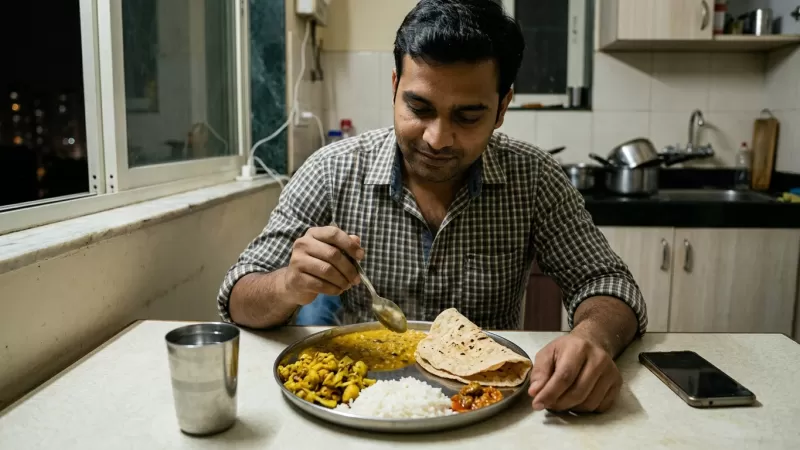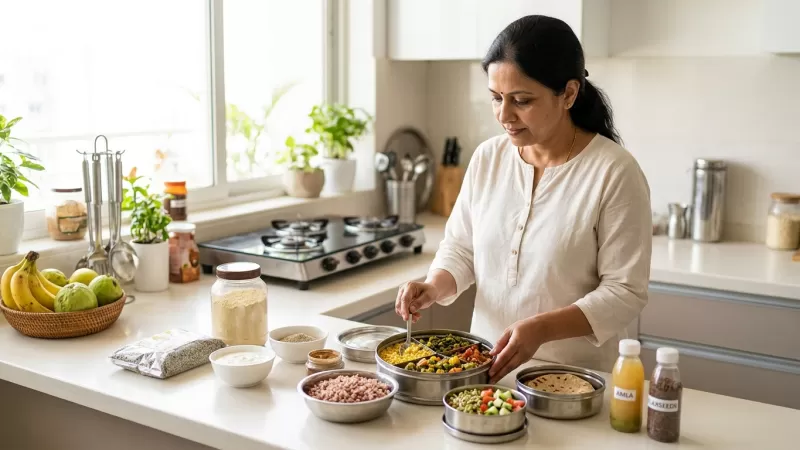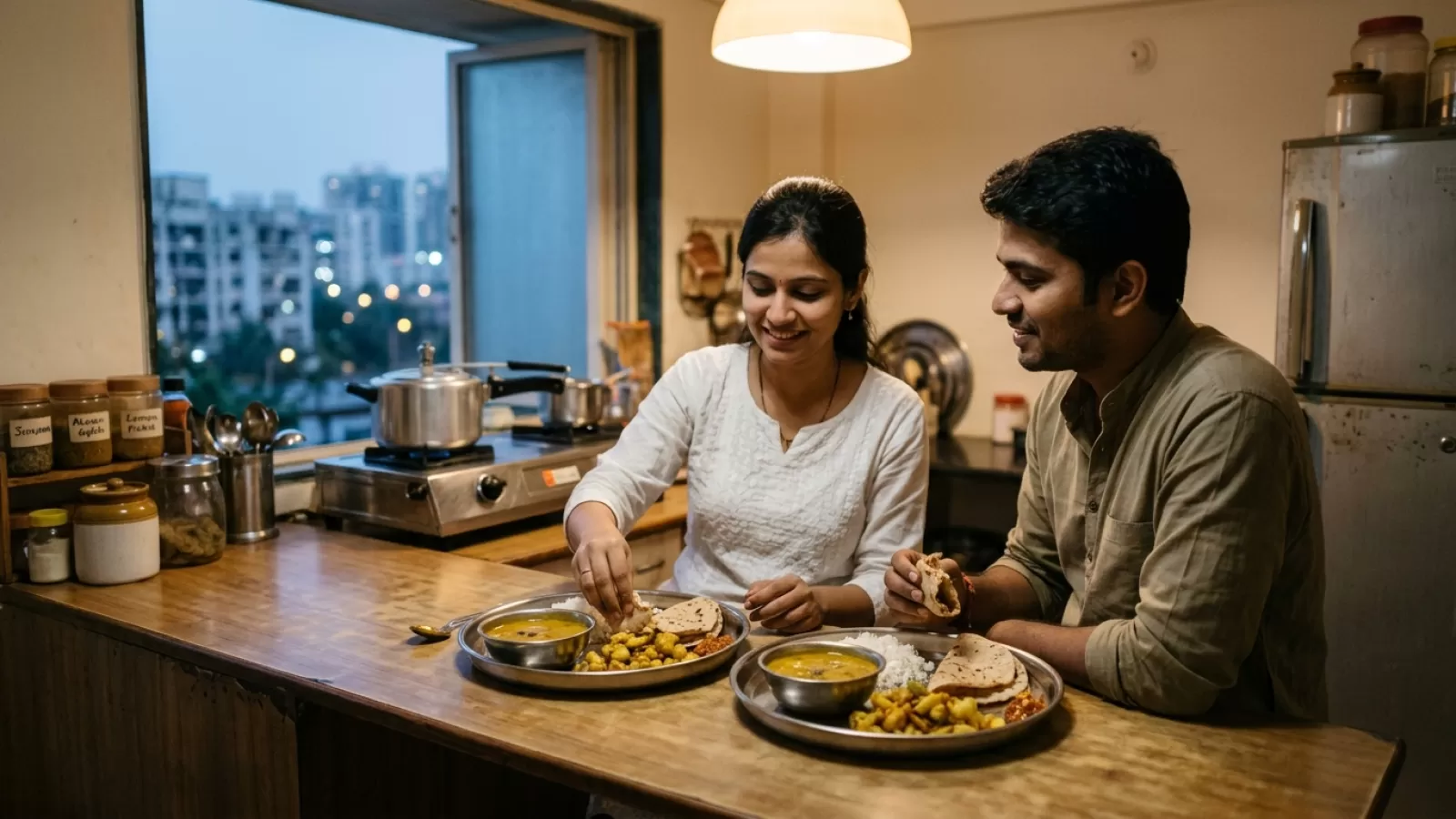
On many late evenings in Indian homes, the kitchen lights flicker on even after a long day, and the family’s focus quietly shifts to what’s left in the pantry. At the month’s end, or after a tiring workday, it’s often about making a simple, affordable Indian dinner that won’t upset sleep — and does not leave anyone feeling deprived. In most Indian kitchens, dal, rice, leftover sabzi, or even just a bowl of dahi with roti quietly come together for a meal that’s both gentle and nourishing.
The best affordable Indian dinner ideas for late evenings tend to be the ones built on these staples. A plate of khichdi with pickle, or a bowl of poha made from what’s left in the vegetable basket, is not only budget friendly but usually easier on the stomach when the hour is late. Many families have quietly discovered that these simple combinations, cooked from what’s already at home, can be more satisfying than any takeaway.
Why Late, Inexpensive Dinners Are So Common in Indian Homes
Across cities and small towns, the pattern repeats itself every month — the last stretch before payday, or the unexpectedly long workday, brings up the question of what to make for a cheap Indian late dinner. In joint families, adults often wait for everyone to return before starting dinner, so meals run late. In nuclear households, late-night work calls or traffic jams push dinner to odd hours. The fridge might be low on fresh produce, but there’s always a stash of rice, dal, and some pickles tucked away.
For many, the idea of skipping dinner feels wrong — both for energy and for routine. Even on a limited food budget, the expectation is that dinner should be warm, filling, and as close to a “proper” meal as possible. That’s where affordable Indian dinner ideas for late evenings shine: they lean on foods that are easy to assemble, digest, and share, without needing fancy ingredients or much money. This rhythm is so common that most adults can make a basic dinner for four from what’s already on the shelf — and no one goes to bed hungry.
Why These Situations Arise So Often
Long commutes, unpredictable office timings, and shared family routines all play a role. In many Indian homes, work and school timings don’t always match, so dinner gets delayed until everyone is home. Sometimes, a power cut in the evening can push all kitchen work later. And then there’s the household budget — in the second half of the month, most people start planning meals around what’s left, rather than what they feel like eating.
Nutritionists who work with Indian families often find that the default late-night meal tends to be built from pantry staples, not fresh produce or meats, simply because those items last longer and cost less. This is why khichdi, curd rice, poha, or upma remain go-to options. They’re not just easy — they’re what many of us grew up eating, and they’re trusted to fill you up without being too heavy on the stomach late at night.
Then there’s the question of digestion. Heavy, oily meals are usually avoided — especially when it’s late. Instead, light dals, plain rice, and simple sabzi are preferred, both for comfort and for how gently they let the body wind down for sleep. The trick is learning how to make these simple meals feel satisfying, even when they’re all that’s available.
How You Know Your Late Dinner Needs To Be Simple and Affordable
- The fridge is nearly empty, but you’re not ready to skip dinner. All that’s left is some dal, rice, maybe a little dahi or a few potatoes.
- You’re cooking well after 9pm. The urge to keep it light is strong because a heavy meal now means poor sleep.
- The family expects a “proper meal,” even if just with two or three components. Skipping dinner isn’t considered an option.
- The budget is tight, so every ingredient counts. There’s no scope for ordering food or making anything elaborate.
- Digestion matters. You notice that when you eat heavy, spicy food late, it’s hard to fall asleep or you wake up feeling unsettled.
Building Satisfying, Budget Friendly Indian Dinners with What You Have
- Lean on dal and rice. Dal-chawal is the classic affordable Indian dinner for late evenings. It comes together quickly, is easy to digest, and is almost always available. A little ghee or a spoon of pickle can make it feel complete. If you have a pressure cooker, the entire meal can be done in under 20 minutes.
- Khichdi is your friend. When the month is nearly over and the fridge is bare, khichdi can be made with just rice, dal, and a pinch of haldi. Add a handful of whatever vegetables you have or even just some chopped onion. Serve with dahi or pickle for a comforting, cheap Indian late dinner.
- Poha and upma from pantry staples. Flattened rice or semolina can be transformed into a quick meal with minimal oil and a few spices. If you have a carrot or peas, toss them in. Even without, poha with peanuts or upma with a tadka of mustard seeds feels homely and filling.
- Roti with leftover sabzi or dahi. When there’s just a couple of rotis and not much else, pair with plain dahi, a little salt, and a sprinkle of roasted jeera. This is often more satisfying than you’d expect, and it’s one of the most inexpensive Indian foods for late night dinner.
- Make it feel like a meal. Even when it’s simple, set the table, heat the food properly, and serve with a small side like pickle, papad, or even a few roasted makhana if you have them. These small touches turn a budget friendly Indian dinner idea into something that feels complete and cared for.
Everyday Patterns: How Indian Families Actually Handle Late, Budget Dinners
In many households, it’s the adult who knows how to turn dal and rice into a “full meal” who becomes quietly relied on during tight times. During summer, when the weather is humid and appetites are low, curd rice with a sprinkle of salt and roasted peanuts is the meal everyone shares after a long day. Working professionals commuting in Bengaluru might carry poha or upma in a dabba, knowing dinner will be late and the fridge is nearly empty by the time they reach home.
On evenings when the power comes back after a long cut, someone quickly puts on the pressure cooker for khichdi, because it’s the fastest, cheapest, and most forgiving Indian meal for late night dinner. In joint families, late arrivals mean reheating dal and rice multiple times, but the basics remain the same — filling, familiar, and not too heavy on the pocket or the stomach.
When To Consider Asking For Help
Most of the time, affordable Indian dinner ideas for late evenings work well, especially when you’re used to planning meals around pantry staples. But if you notice that these quick meals are becoming the norm every night, or if someone in the family is losing weight, feeling fatigued, or showing signs of digestive trouble, it’s wise to talk to a doctor or a nutritionist. They can help you spot any gaps and suggest small changes that fit your budget and routine. Sometimes, just changing up the types of dal or grains you buy can make a big difference without costing more.
Common Questions
Every Indian household finds its own rhythm with late, affordable dinners. Sometimes it’s about making the best of what’s left, other times it’s about sticking to foods that are gentle on the stomach. Here are answers to some of the most frequent worries and situations you might recognise from your own kitchen.
What are the most affordable Indian dinner options for late evenings that are still genuinely nutritious?
In most homes, khichdi, dal-chawal, poha, or curd rice top the list for affordable Indian dinner ideas late evenings. These meals use pantry staples like rice, dal, poha, and dahi — all of which are filling, provide protein and carbs, and are gentle on digestion. Even a simple roti with leftover sabzi or dahi can be both nutritious and comforting. Adding a small side of pickle or roasted peanuts can round out the meal without raising costs.
How do you make a budget Indian late dinner feel like a proper meal rather than a compromise?
Presentation and small sides make a big difference. Even if dinner is just dal and rice, serving it with a slice of lemon, pickle, or papad helps it feel complete. In many homes, reheating food properly, sitting together, and making a fresh tadka for dal can turn an inexpensive Indian food for late night dinner into something special. These small touches keep the meal from feeling like a fallback and make it worth looking forward to.
Which Indian pantry staples most reliably allow a quick affordable late dinner without fresh ingredients?
Rice, dal (any type), poha, semolina (for upma), atta for rotis, and dahi are the backbone. Jeera, mustard seeds, turmeric, and a few basic spices are usually all you need for flavour. Even when vegetables are low, these staples make it easy to whip up a budget friendly Indian dinner idea in no time. Keep roasted peanuts or makhana as a snack or side for extra crunch and protein.
How do budget-conscious Indian adults manage nutrition when the cheapest available food at late hours is typically processed or less nutritious?
Many working adults keep a small stash of dal, rice, and poha at home for such nights, so they don’t have to rely on instant noodles or processed snacks. Even if it’s just a basic dal-rice or poha with a handful of peanuts, it’s usually healthier and more filling than packaged options. When shopping, buying larger packs of these staples earlier in the month helps stretch the budget while keeping late dinners homemade and nutritious.
What is the most cost-effective Indian dinner that is also appropriate for eating late at night in terms of how easily it digests?
Khichdi is the winner for many families — it uses only rice, dal, and a touch of haldi, is quick to cook, gentle on the stomach, and very affordable. Curd rice is another favourite during hot weather. Both are soft, easy to digest, and unlikely to cause discomfort late at night. If you want something with a bit more bite, poha or upma can also be very light and cost-effective when made simply.