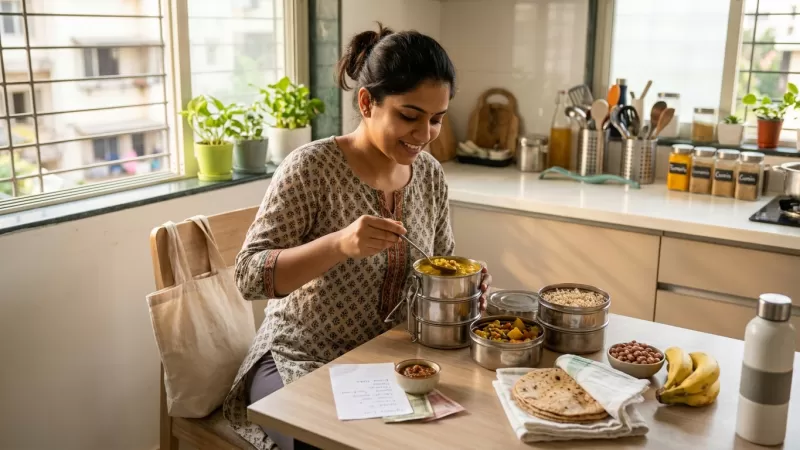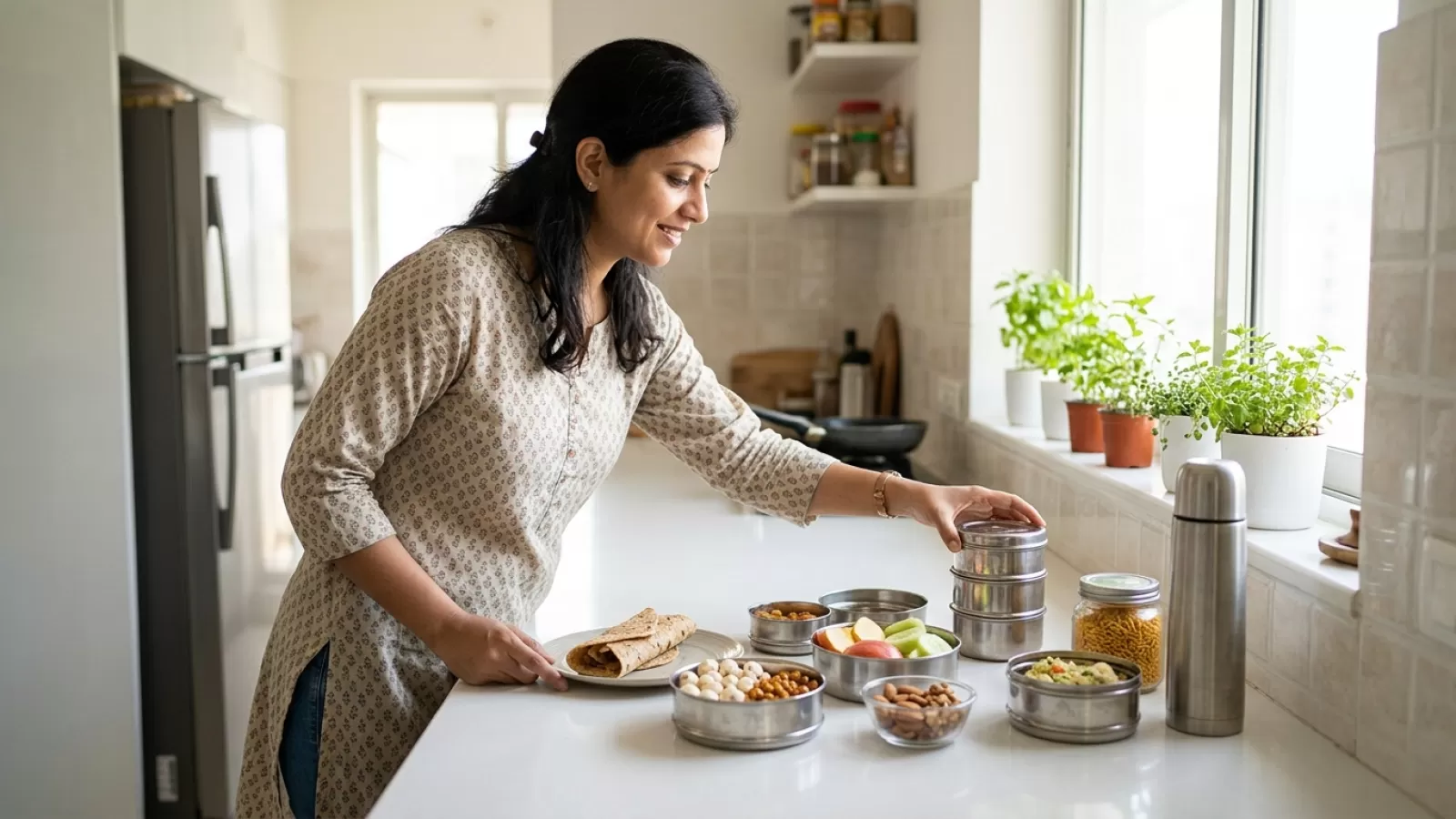
There are weeks when you wake up ravenous on Monday, polish off your poha before 8am, and still want a handful of makhana by mid-morning. Then Thursday arrives, and somehow, your appetite disappears — a couple of sips of chai are enough to carry you till lunch. In many Indian homes, these swings in hunger, and the flexible Indian snacking habits that follow, are not unusual. Appetite in Indian adults often changes not just from day to day, but sometimes from hour to hour, especially when you factor in stress, sleep, weather, and the daily pressures of home and work.
These days, with so many juggling WFH meetings, school drop-offs, and the unpredictability of power cuts, expecting a fixed appetite seems almost unrealistic. Indian snacking habits for fluctuating appetite are about making peace with change, rather than forcing yourself to eat — or not eat — by the clock. The snacks that work best are those that can sit quietly in the kitchen drawer or fridge, ready for all the odd moments you might need them, without being a rule you must follow.
Why Indian Adults Often Find Their Hunger All Over the Place
In many Indian households, it’s rare for appetite to stay steady across the week. One day, breakfast feels urgent and necessary; the next, lunch can be delayed without a problem. These shifts are not just about what you ate last night, but about stress, sleep cycles, weather, and routine changes. A working professional commuting in Bengaluru might find themselves hungrier after a tough office day but almost indifferent to food on a relaxed WFH afternoon. Or a homemaker in a joint family might nibble on snacks out of habit during long afternoons, even when not hungry, simply because the kitchen is always busy.
Variable appetite snacking in India is almost woven into the way our days unfold. There’s chai with biscuits during power cuts, roasted chana during cricket matches, and a sudden craving for dahi after spicy sabzi on summer afternoons. The tricky part is, these habits don’t always fit into a neat pattern. Some days, a snack feels comforting and necessary; other days, it just sits untouched on the table.
Common Reasons Behind Fluctuating Adult Appetite in Indian Homes
Appetite changes because life itself is rarely predictable here. Humid summers in Chennai can make you want only light snacks, while Delhi’s winter evenings bring cravings for ghee-soaked parathas or steaming chai. Stress from work deadlines, family responsibilities, or even the pressure of making three different sabzis for dinner can all mute or magnify hunger.
Sleep is another big player. After a restless night — maybe thanks to a buzzing mosquito or a child waking up — morning hunger can vanish entirely. Or, you might find yourself reaching for a quick bite late at night, just to feel a sense of comfort. Emotional hunger is real, too. Many Indian adults snack not out of true hunger, but because eating is a break, a distraction, or a way to share a moment with family. Nutritionists who work with Indian families often find that these appetite swings are more about daily pressures and less about what’s missing from the plate. The body responds to stress, rest, and routine more than to fixed mealtimes.
Everyday Signs That Your Snacking Patterns Are Linked to Appetite Changes
- Some days you hunt for snacks between meals, other days you forget about them entirely. This is quite common when work pressure or family needs change suddenly.
- Eating a snack sometimes makes you hungrier instead of satisfied. Especially when you’re tired or stressed — your body may be seeking comfort, not just calories.
- Late-night or early-morning munching appears at random. After a poor sleep, or during a family movie night, you might crave something extra.
- Snack choices swing with the weather. In summers, raw mango or dahi is tempting; in monsoon, it’s pakoras or hot chai.
- You notice a pattern linked to mood or routine disruptions. Emotional days or festival times often bring more irregular snacking, not always linked to physical hunger.
Flexible Snacking Ideas for Adults With Unpredictable Hunger
- Keep a mix of filling and light snacks handy. Roasted chana, makhana, murmura, curd with fruit, or a small bowl of poha are easy to adjust in size and effort. Some days a handful is enough; other days, you’ll want a full bowl.
- Choose snacks that don’t require appetite to be certain. Sliced cucumber, carrot sticks, or a fistful of peanuts can be left for later if you’re not really hungry. Indian snacks for changing hunger tend to be those that can be eaten slowly or shared, like khakhra or a fruit plate.
- Pause and check your signals before grabbing a snack. Sometimes, a glass of water, a short walk, or a cup of chai is all you need. If you’re still thinking about food after a few minutes, then go ahead and eat.
- Let go of the need for a ‘perfect’ snack time. In many homes, meals and snacks blur together. It’s normal to eat different amounts on different days. The goal is to notice what feels good, not to force a pattern.
- Make snacks visible but not central. Place a small box of nuts or roasted seeds in the living room, or keep cut fruits in the fridge. This helps you respond to unpredictable hunger without making snacks the main event.
The key is to stay gentle with yourself. Some days, appetite and mood will team up; other days, they’ll go in opposite directions.
How Fluctuating Appetite and Snacking Habits Play Out in Everyday Indian Life
Many families in Indian cities have quietly discovered that the "snack shelf" is more important than the main meal. During long afternoons in a joint family home, someone will always be found nibbling on murmura, picking at leftover sabzi with a roti piece, or sipping chai with a Marie biscuit. In homes where adults work late or juggle odd shifts, a bowl of dahi or a leftover piece of dhokla fills the gap between one meeting and the next.
On mornings when everything runs late — a child’s uniform missing, a pressure cooker whistle refusing to cooperate — breakfast might get skipped, but a quick snack is quietly packed in a steel dabba for later. During the monsoon, a plate of hot pakoras can bring the whole family together, even if no one was truly hungry before. The point is, Indian snacking habits for fluctuating appetite are flexible because life itself is rarely predictable here. Snacking adapts to mood, season, and the unpredictable hunger of Indian adults, without becoming a problem to solve.
When Should Fluctuating Appetite Be Tracked More Closely?
Most variable appetite snacking in India is normal and just a part of busy, changing days. But if you notice a persistent drop in appetite, sudden weight change, ongoing fatigue, or if eating feels stressful or overwhelming for many days in a row, it may be time to pay closer attention. Consistently unpredictable hunger in Indian adults can sometimes point to an underlying health concern, especially if other symptoms appear. If you feel worried or notice these patterns lasting weeks, it’s wise to check with a doctor. For most people, though, these swings are just a reflection of life’s ups and downs.
Common Questions
It’s completely normal to feel unsure about snacking, especially when your hunger isn’t predictable. Many Indian adults are surprised by how much appetite changes with seasons, moods, and the day’s stress. Let’s look at some everyday questions — and practical answers — about Indian snacking habits for fluctuating appetite.
Why does appetite fluctuate so significantly from day to day in Indian adult life even when the schedule is roughly similar?
In many Indian homes, appetite swings are linked to more than just meal timing. Stress from work, sleep that was interrupted by a power cut, or even weather changes — like hot, humid evenings that make heavy food unappetising — all play a role. Sometimes, the body just reacts differently to the same routine depending on what else is happening in your life. It’s not always about the food itself, but about the energy, mood, and comfort your body needs that day.
What Indian snacks are most suitable for adults who are not sure whether they are genuinely hungry or simply responding to habit or boredom?
When you’re not sure if it’s real hunger or just habit, choose light, easy snacks. Sliced fruit, a small bowl of dahi, roasted makhana, or cucumber sticks work well. These snacks are gentle and can be eaten slowly. Many families keep such options in the fridge or on the dining table, so if you start eating and realise you’re not actually hungry, you can stop without feeling wasteful.
Is it nutritionally acceptable to eat different amounts on different days based on actual appetite signals?
Yes, for most healthy adults, eating varied amounts in response to true hunger is normal. Many Indian adults find that some days require a big breakfast and others barely need a snack. The body’s needs shift with activity, sleep, stress, and even the weather. As long as you’re eating a variety of foods over time, this pattern is usually fine. If your appetite changes are sudden or last a long time, it’s wise to track them and, if needed, discuss with a doctor.
How do Indian adults distinguish between genuine hunger, thirst, emotional hunger, and habit-based snacking?
In Indian homes, this can be tricky. Often, a glass of water is tried first — if hunger remains, it’s likely real. Emotional hunger usually arrives suddenly and often asks for comfort foods like sweets or fried snacks. Habit-based snacking tends to happen at the same time each day, regardless of actual hunger. Many adults pause and check: “Am I bored, tired, or just following a routine?” If the desire for food fades after a few minutes or a small distraction, it probably wasn’t real hunger.
When does consistently fluctuating appetite in an Indian adult become something worth tracking more carefully?
If appetite changes are constant for weeks, and there are other signs like weight loss, ongoing tiredness, or food suddenly feeling unpleasant, it’s time to pay attention. For example, if a usually food-loving adult in a Mumbai flat barely eats during festivals or stops enjoying chai with family, that might be a sign to check in. Most day-to-day swings are normal, but persistent patterns, especially with other changes, deserve a closer look.