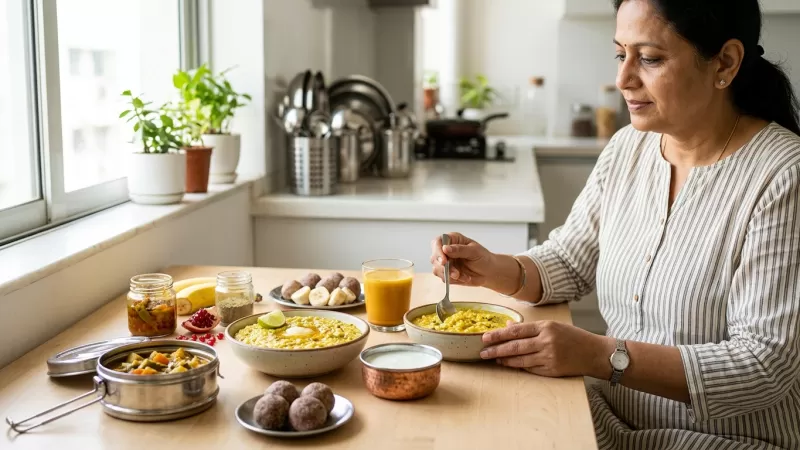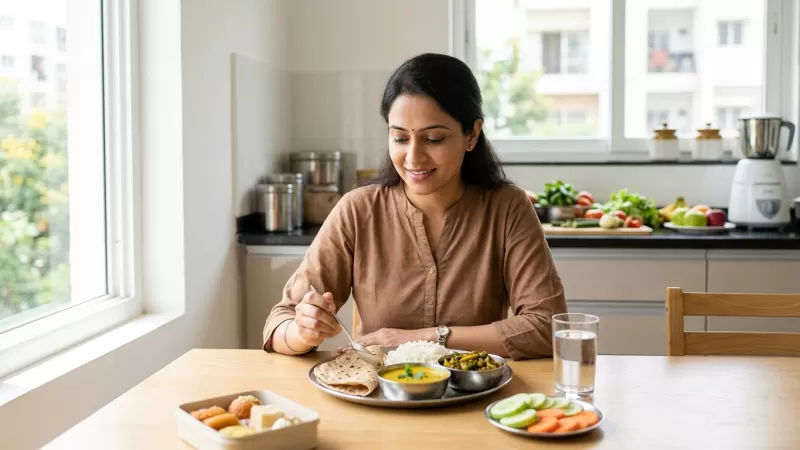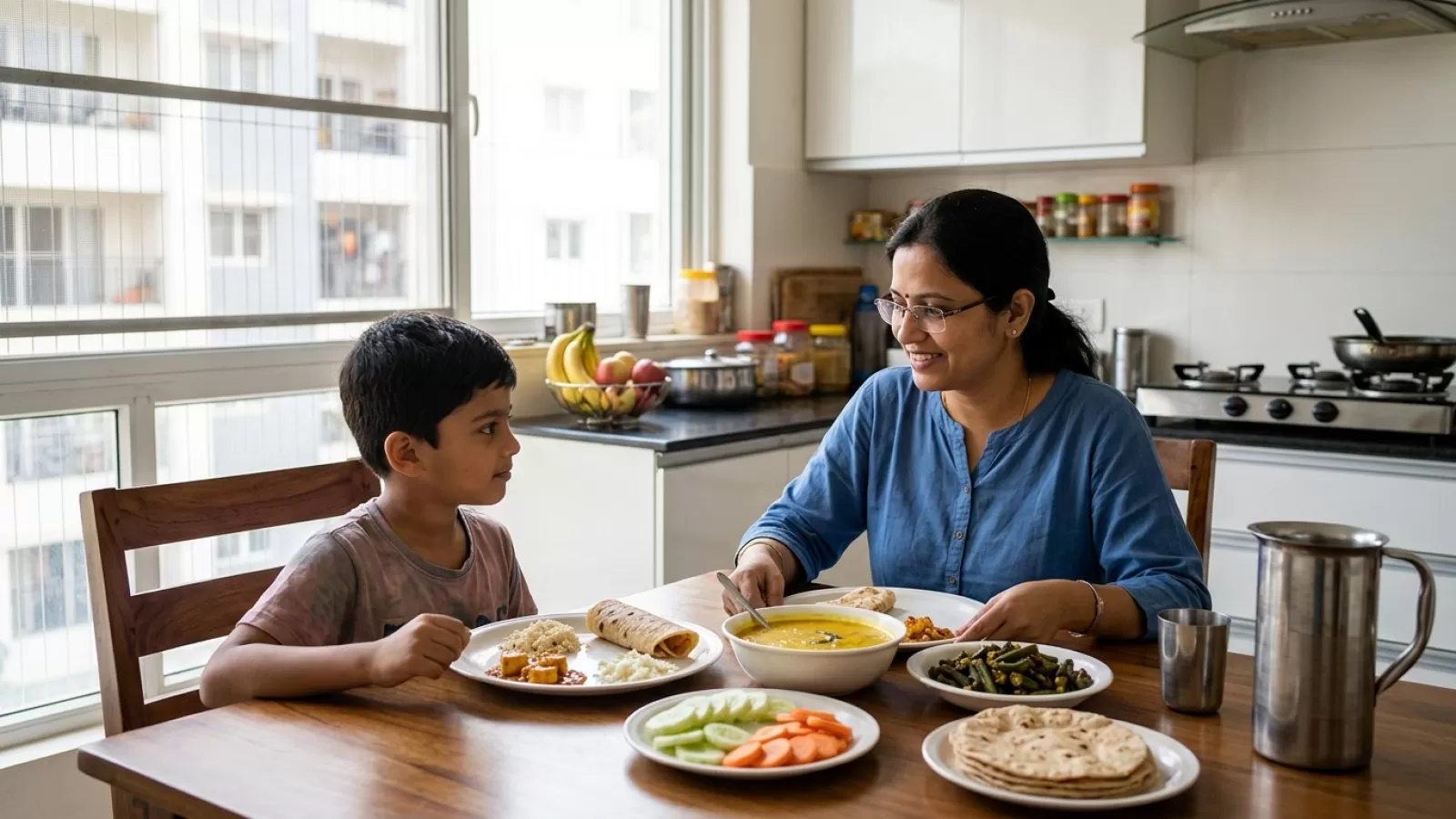
Evenings in many Indian homes can feel like a quiet tug-of-war. The kitchen is full of familiar smells—fresh tadka, soft rotis puffing up, maybe a sabzi sizzling away. But as plates are set and family gathers for a meal, there’s often one person, sometimes a child, sometimes even a grown-up, who pushes the same dal or bhindi to the side, insisting, “I don’t like this.” The rest of the table glances over, half amused, half exasperated—because making an Indian dinner for picky eaters is its own kind of daily puzzle.
Most families work around these mealtime standoffs in their own way. Some hide vegetables under a scoop of rice, others turn leftover sabzi into paratha fillings or blend them straight into gravies. The aim is not to give up on nutrition, but to find sneaky, gentle ways to serve an Indian family dinner everyone will eat without daily drama. It’s not about forcing anyone or cooking five separate meals; it’s about quietly reshaping what’s already on the table so no one goes to bed hungry—or feeling like mealtimes are a battleground.
Why Mealtime Battles Happen So Often in Indian Homes
Feeding picky family members in India is rarely about a lack of tasty food. With our variety—dal, sabzi, roti, rice, dahi, chutneys—there’s plenty to choose from. Yet, picky eating tends to show up in homes where food is tied closely to comfort, memories, or even just mood. Sometimes, it’s a toddler refusing anything green. Other times, it’s the teenager who only wants paneer, or the father-in-law who likes his khichdi a certain way.
In many joint families, compromise is a daily affair. Someone wants their dal thin, another thick; some like spicy, others avoid chilli altogether. The tricky part is, when one member is especially picky, it can throw off the rhythm for everyone else. You might notice the same sabzi being ignored by one person every night, or a child only eating plain rice and dahi no matter what’s served.
The thing is, Indian cooking offers lots of ways to adapt. Some clever parents turn lauki into koftas, or blend cooked carrots into tomato soup. Many families discover that changing the texture or the look of a dish is enough to get past a picky eater’s resistance—at least for a week or two, until the trick is discovered.
Why Picky Eating Is About More Than Taste
Picky eating in Indian households often has little to do with the actual taste of the food. It’s usually about texture (a mushy bhindi, a chunky dal), presentation (visible onions or green bits), or even just the memory of a past experience (“I was forced to eat karela in school, now I can’t stand it”). Associations run deep.
Nutritionists working with Indian families often find that food refusals are less about actual dislike and more about how a dish appears or feels. For example, a child who won’t touch palak sabzi may happily eat palak paratha if the greens are blended into the dough. Or, a family member who dislikes cooked carrots might be fine with grated carrot salad or a spoonful of gajar ka halwa.
Habits also play a big role. Some busy homes end up with the same quick meals on repeat (poha, upma, dal-chawal), making it harder for picky eaters to try new things. And, when mealtime becomes a struggle, everyone starts dreading it—even the person doing the cooking. Food becomes loaded with expectation and negotiation, rather than just being a time to sit together.
Signs Picky Eating Is Affecting Your Family Dinners
- Repeated refusals of the same dishes: You notice that certain foods—maybe tinda sabzi or mixed veg—always come back untouched or are quietly pushed to the edge of the plate.
- Tabletime negotiations: Dinner starts to involve a lot of bargaining (“Just two more bites and you’ll get dessert!”), or everyone waits for the picky eater to finish.
- Double cooking: You find yourself making a separate bowl of plain dal or an extra roti roll just to keep the peace.
- Hidden ingredients: Family members start blending or grating veggies into gravies, chutneys, or rolls—sometimes without telling the picky eater.
- Emotional tension around meals: The mood at dinner feels tense, with sighs, complaints, or frustrated silences. The person cooking may feel unappreciated or exhausted.
Practical Ways to Serve Indian Dinner for Picky Eaters
- Change the texture or presentation: If baingan bharta is refused for its mushy look, try making baingan slices roasted with a sprinkle of masala. Blend spinach into gravies or dough for parathas. Sometimes, just switching from a chunky sabzi to a smooth curry makes all the difference.
- Offer build-your-own options: Make a simple dal, keep a few toppings (fried onions, chopped coriander, grated carrot), and let everyone assemble their bowl. The same goes for wraps—fill chapatis with mixed sabzis, paneer, or even dal, and let each person roll their own.
- Rotate familiar favourites creatively: Use the same basic dal, but one night serve it as dal chawal, another as dal paratha filling, and the next with a tadka twist. For those who refuse plain vegetables, try sneaking them into cutlets, tikkis, or dosas.
- Keep side dishes simple: A bowl of dahi, plain rice, or a small salad can be a safety net for someone who won’t touch the main dish. This way, no one leaves the table hungry, but there’s still encouragement to try the main meal.
- Involve the picky eater in small ways: Ask them to choose a veggie at the market, help roll rotis, or stir the dal. When someone feels involved, they’re often more willing to taste what’s on the table.
These steps don’t guarantee a drama-free dinner every night. Still, many families in Indian cities have quietly discovered that small changes—blending, rolling, topping—add up to more peaceful meals.
How Indian Dinner for Picky Eaters Plays Out in Daily Life
In a kitchen in Nagpur at 6am, the pressure cooker hisses while someone kneads dough for rotis. It’s exam week. The youngest child has refused vegetables all week, so today’s plan is simple: leftover aloo-matar sabzi is mashed and stuffed into parathas for the lunchbox. A little ghee on top, curd on the side. No one mentions the word “aloo-matar.”
Later that evening, the same sabzi appears again—blended with tomatoes and turned into a smooth curry for dinner. The teenager, who never eats sabzi, rolls it up in a roti with cheese. The grandparents ask for the same curry, but with extra tadka. The parents, tired from work, just want everyone to eat without fuss.
This is how Indian family dinner everyone will eat gets made—quiet adjustments, a bit of patience, and a lot of repurposing. The menu may look the same, but the tricks behind it are always changing.
When to Seek Extra Help for Picky Eating
Most picky eating phases resolve with time and patience. If you notice your family member is losing weight, seems unusually tired, or is refusing whole food groups over months, it’s a good idea to check in with a doctor or a nutritionist. Sometimes, underlying issues like food allergies, sensory challenges, or stress can make picky eating worse. In these cases, getting a professional opinion can bring peace of mind and practical solutions.
Common Questions
When you’re managing Indian dinner for picky eaters, you’re definitely not alone. So many families go through this, quietly tweaking recipes, sharing tips with friends, or just sighing over the same old standoffs. Here are some questions that come up in many homes, with ideas you can try tonight.
What are the Indian dinner dishes that even the pickiest family members tend to accept?
In many Indian homes, dishes like dal-chawal, aloo paratha, poha, suji upma, or simple khichdi are usually accepted even by picky eaters. Items with soft textures, mild spices, and familiar flavours—like plain roti with dahi, or a small helping of paneer bhurji—often feel “safe.” Many parents find that making a simple vegetable pulao, with the veggies chopped small or blended in, can also work. When in doubt, a bowl of curd rice or a dosa with potato filling is rarely refused.
How do Indian parents get children to eat vegetables they previously refused without making mealtimes a battle?
Many parents quietly blend or grate vegetables into familiar foods—think lauki in dal, beetroot in cutlets, or spinach in paratha dough. Another common approach is to serve vegetables as part of a “fun” food—veggie frankie rolls, stuffed parathas, or even as tiny pakoras on the side. Instead of insisting a child finish a full serving, parents often start with a spoonful and encourage tasting, not finishing. This keeps the mood light and reduces resistance.
Which Indian cooking techniques make vegetables more acceptable to picky eaters?
Blending and grating are the most common techniques—pureed spinach, grated carrots, or mashed peas disappear easily in gravies or dough. Shallow frying or roasting (like tawa bhindi or aloo tikki) adds a crispy texture that many find appealing. Steaming and then seasoning veggies lightly before mixing them into rice or pasta also helps. Sometimes, just changing the shape—like vegetable cutlets or sabzi rolls—makes all the difference for a picky eater.
Is it nutritionally acceptable if a family member consistently refuses certain healthy Indian foods?
It’s quite normal for some family members to avoid certain foods—maybe someone dislikes baingan, or refuses palak. As long as the overall diet includes enough variety across the week—dal, different grains, a mix of vegetables, dairy, and some fruit—most people get what they need. If refusals become extreme or if you notice signs of poor health, it’s wise to check with a doctor or nutritionist for tailored advice specific to Indian diets.
How do you feed a family where one member needs spicy food and another cannot handle any heat at all?
This is very common in Indian families, especially with children or elders. Many homes make the main dish mild—dal, sabzi, or rice—and offer spicy sides like green chutney, pickles, or a quick tadka on the side for those who want more heat. Serving chopped green chillies, masala dahi, or spicy bhujia separately means everyone can adjust their plate. It’s not extra work—just a matter of keeping one or two small bowls on the table so everyone can enjoy dinner their way.