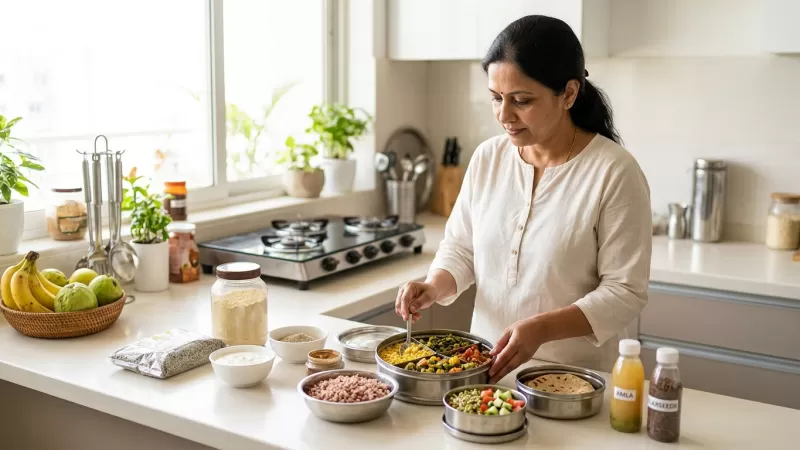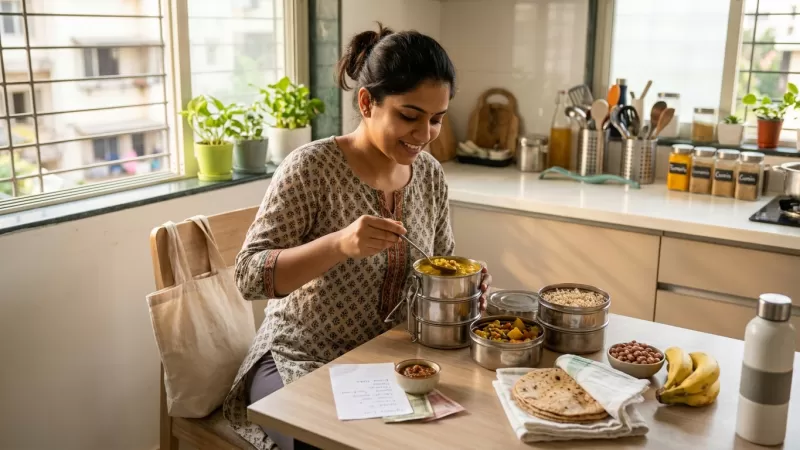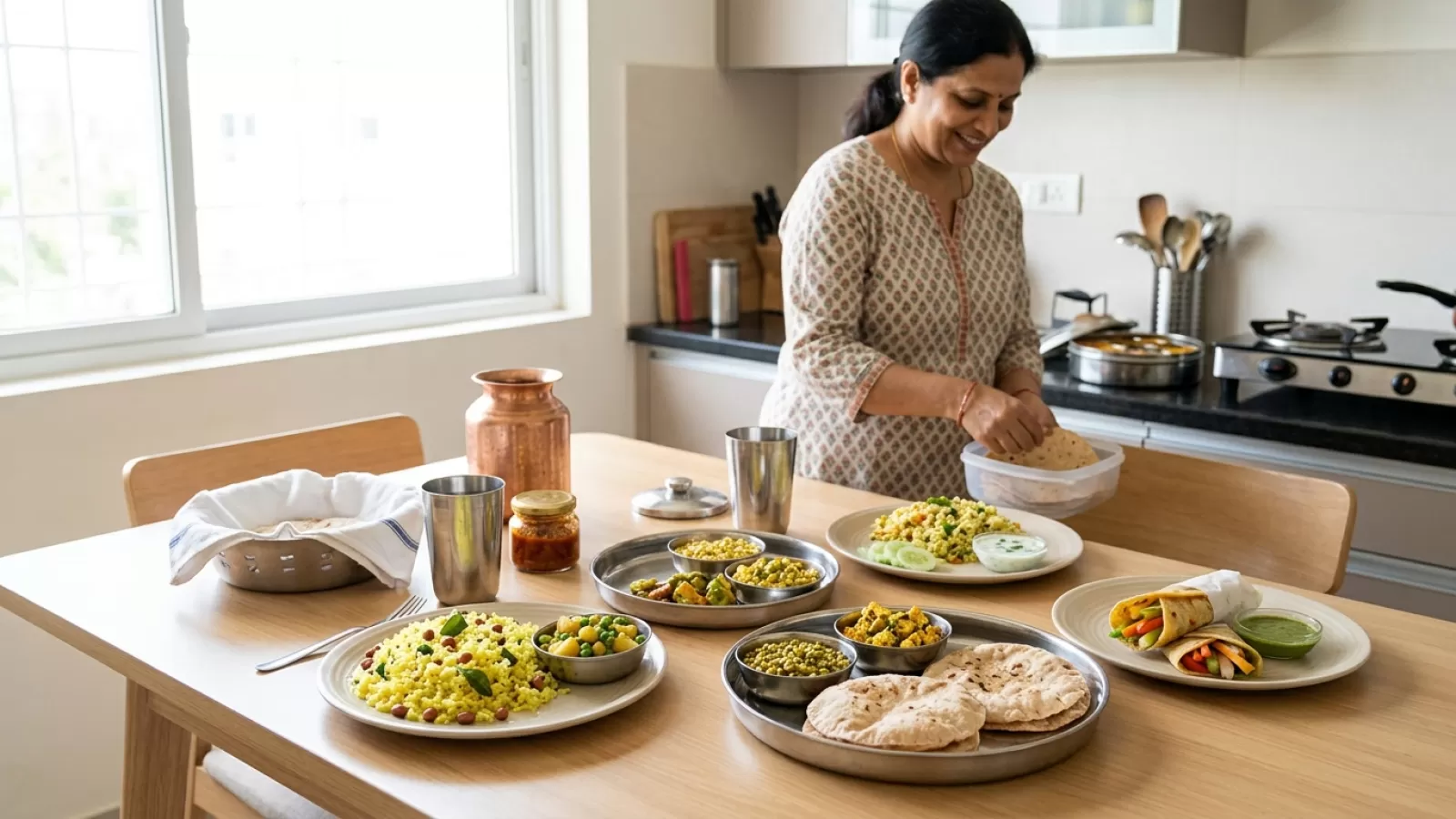
Lunch in many Indian homes is rarely just a meal—it’s a careful balancing act between old habits, shifting schedules, and the unpredictable tastes of family members. On a hot Wednesday in June, you might find the kitchen table scattered with a bowl of dal, a few leftover rotis, and a sabzi that one person loves and another quietly avoids. The easy Indian lunch ideas for families that everyone actually accepts? That’s a quiet art, learned over years of small negotiations and simple hacks, not big overhauls.
Most families develop their own workarounds for an Indian lunch for different tastes. One person may scoop up dal-chawal with papad, another tears off a roti, and the pickiest eater eats plain rice with dahi—everyone gets fed, and nobody has to cook three separate meals. These days, especially with long work-from-home hours or kids coming back at odd times, that flexibility matters more than ever.
Why Indian Family Lunches Often Feel Like a Standoff
In Indian households, the lunch standoff isn’t just about food—it’s about small daily power struggles, comfort, and care. One family member wants the simplicity of dal-rice, another insists on rotis with dry sabzi, and the youngest just wants something with potatoes or paneer. The cook (often still a homemaker or a multitasking professional) might end up eating in the kitchen, standing, because the table is full of half-eaten plates and different conversations.
Family lunch India without multiple meals is not about everyone eating the same thing, but about making one main dish work for many tastes. In many homes, this looks like keeping a basic pot of dal or khichdi and letting each eater adjust their own plate—some add achar, others sprinkle fresh coriander, and some just want a plain bowl. The key is flexibility, not perfection.
Why Everyone Wants Something Different at Lunch
There are a few quiet reasons why lunch becomes a negotiation in Indian homes. First, the rhythm of the day means everyone is hungry at different times—kids after online classes, adults after calls, seniors before the afternoon heat. Second, food preferences in Indian households can be fiercely individual. Some grew up with rice as comfort, others with roti, and some can’t stand anything green on their plate.
Nutritionists who work with Indian families often find that every home has its own set of non-negotiables—like one member who never eats brinjal, or another who insists on dahi with every meal. Then there’s the practical side: the person who cooks doesn’t want to make four separate lunches, nor do they want to eat leftovers forever. That said, the daily grind rarely allows for elaborate solutions. Small tweaks, like offering papad, chutney, or a different tadka, make it possible for everyone to find something they like from the same base dish.
Small Signs Lunch Isn’t Working for Everyone
- Rejected Sabzi or Roti: You find yourself wrapping up the same sabzi or roti and putting it back in the fridge, untouched by one or more family members.
- Standing Meals: The person who cooked ends up eating hurriedly in the kitchen, picking at leftovers, because everyone else’s plates look different.
- Special Requests: One child always asks for plain rice or khichdi, refusing anything with visible vegetables.
- Plate Customising: Family members quietly adjust their plates—adding more dahi, skipping the sabzi, piling on achar—to make the meal palatable.
- Frequent Complaints: You hear regular grumbling: “There’s nothing for me” or “Why do we have this again?” It often happens after busy mornings or when routines are disrupted.
Everyday Fixes for Family Lunch Without Extra Cooking
- Make a Flexible Base: Dishes like plain dal, khichdi, or a mild sabzi can be served as-is, then customised with sides like papad, chutney, or pickle. For example, plain moong dal can be spiced up for adults with extra tadka, while kids get it plain with ghee and rice.
- Side Additions for Variety: Keep small bowls of dahi, roasted makhana, or boiled potatoes handy. These can fill up a plate for someone who rejects the main sabzi.
- Batch Cooking with Add-Ons: When making poha or upma, keep some plain on the side before adding veggies or spices. That way, a picky eater can have their preferred version without extra work.
- One-Dish Meals with Multiple Options: Pav bhaji, chole, or rajma can be served with both rice and bread (roti, pav, or paratha). Each person can choose their base, and nobody feels left out.
- DIY Assembly Plates: Lay out roti, sabzi, dal, and rice on the table. Let each person build their plate as they wish. This approach, seen in many joint families, reduces complaints and gives everyone a sense of control.
These easy Indian lunch ideas for families rely on building blocks, not full separate meals. Most days, this is enough.
How Lunch Preferences Shape Household Routines
During summer holidays, you might notice lunch stretching over two hours. The first wave is the grandparent who eats early, then the child who wants only curd rice, followed by the parent who finally gets a break from calls and wants a quick bowl of dal chawal. The kitchen stays busy, but only one or two pots are used.
In many Indian homes, the ‘lunch standoff’ is a daily scene. Someone eyes the sabzi suspiciously, another sighs at the sight of rice, and the cook quietly puts extra ghee on their own plate. The trick is not to win everyone over but to offer choices within limits—enough that nobody feels forced, but not so many that the kitchen becomes a battlefield.
When It’s Time To Reach Out For Help
If you notice constant tension, mealtime tears, or persistent worries about whether children or elders are getting enough nutrition, it’s a good idea to speak gently with a doctor or a nutritionist. Sometimes, a fresh perspective helps you find a new approach—or just reassures you that you’re doing fine. Most of the time, the solutions are small and practical, not drastic.
Common Questions
Lunch in Indian families isn’t always a peaceful meal—it can be a gentle tug-of-war between tastes and routines. These questions come up in many homes, especially when everyone wants something different but there’s only so much time and energy in the day. Here are some common worries, answered with real-life Indian household scenarios in mind.
What are the easiest Indian lunches to make when family members all want something different?
In most homes, the easiest Indian lunch ideas for families involve making a plain base dish—like dal, khichdi, or simple pulao—and then serving it with sides such as dahi, papad, chutney, or a quick potato fry. This way, each person can adjust their plate to their liking. For example, one person eats dal-rice with achar, another has roti with the same dal, and a child just wants curd rice. Everyone gets fed, and the cook doesn’t have to juggle three pans at once.
How do Indian homemakers handle feeding picky eaters without cooking multiple separate dishes every day?
Most homemakers quietly adapt the main meal before serving. For example, before adding extra masala to the sabzi, they set aside a small portion for the child who wants it plain. Or, if a vegetable is likely to be rejected, a plain paratha or bowl of dahi is offered as a backup. This method works for an Indian lunch for different tastes, keeping things simple but flexible.
Which Indian dishes can be adapted most easily to different tastes from the same pot?
Dishes like khichdi, dal, poha, and upma are easy to adjust. You can leave some plain, then add veggies or tadka for others. Chole or rajma can be served with both rice and roti, so each person chooses what they want. These one-pot meals are a quiet favourite for family lunch India without multiple meals, especially during busy workdays or school breaks.
Is it nutritionally acceptable if family members eat slightly different versions of the same lunch?
Usually, yes. As long as everyone is getting a mix of carbs, protein, and some vegetables over the course of the day, slight variations at one meal are normal. For example, if one child skips sabzi at lunch but eats fruit or dal at another meal, it balances out. If you’re worried about nutrition for a picky eater, it’s always fine to check with a doctor, but most Indian households find that variety across meals keeps everyone healthy enough.
How do you make a shared Indian family lunch work when everyone eats at different times?
Many families have adapted by keeping lunch simple and easy to reheat. A pot of dal, a stack of rotis, or a small dabba of sabzi is left on the counter, so each person can help themselves when they’re ready. In homes with busy schedules, this approach means less stress and fewer complaints. Some even set up a tiny lunch thali for each person, ready to be microwaved or eaten cold, depending on when hunger strikes. It isn’t perfect, but it keeps everyone fed and the kitchen running.