Some afternoons during the monsoon, the sharp smell of frying oil and ajwain seeds drifts from kitchens across the neighbourhood. In many Indian homes, the rain outside seems to call for a plate of pakoras and adrak wali chai, no matter how many times we remind ourselves about healthy Indian eating habits for the monsoon. There’s a certain comfort in these rituals, even as you sense that your appetite and digestion just aren’t quite the same as during dry, sunny weather.
These days, as the skies pour and humidity lingers indoors, many find themselves reaching for lighter foods and warm bowls of dal or khichdi. The body often signals a need for simpler, gentler meals. Yet, balancing the joy of monsoon foods with health and safety becomes its own kind of household art.
Why Appetite and Digestion Change When the Rains Arrive
Across India, the monsoon brings welcome relief from scorching summer heat, but it also brings muggy air, muddy streets, and a shift in what our bodies seem to want. On humid days, heavy gravies or rich festive foods that felt fine in May now seem to sit uncomfortably after dinner. Indian food during rainy season tends to become simpler – more poha, dahi with salt, warm rice, and fewer elaborate fried or spicy dishes.
Many families notice that appetites shrink, especially in the late afternoon or after a hot, sticky commute. Children, who usually finish their tiffin quickly, might leave half-eaten roti on their plate. The digestion feels a bit slower. It’s not just in your head – these changes in hunger and digestion are tied to both the weather and our household habits.
During the monsoon months, kitchens also become battlegrounds for food safety. Moisture hangs in the air and makes it easier for food to spoil quickly. The risk of seasonal infections rises, especially when food sits out or isn’t cooked properly. So, monsoon eating tips in India usually revolve around not just what we eat, but how we cook and store it.
The Science and Culture Behind Monsoon Eating Patterns
There’s a reason why healthy Indian eating habits for the monsoon often look different from summer or winter. The body’s metabolism tends to slow down in humid weather, making it harder to digest food that is oily, heavy, or rich in masalas. Traditional wisdom in many households points toward eating freshly cooked, warm foods during rainy months.
Nutritionists who work with Indian families often find that most people naturally shift to lighter, soupy meals and warm drinks during this season. These choices aren’t just about comfort—they help the gut stay calm and support immunity. The risk of waterborne and foodborne infections is higher during the monsoon, especially in areas where drains overflow and power cuts make refrigeration less reliable.
There’s also a deep cultural pull: the link between weather and cravings. For many, the urge for pakoras and chai on a rainy day is as much about memory as it is about nutrition. That said, the trick is to find ways to honour these cravings without letting them take over every meal.
Clues That Your Monsoon Eating Habits Need Adjusting
- Heaviness after meals: If you often feel bloated or sluggish after your usual portions of rice and curry, your body might be struggling with digestion in the humidity.
- Decreased appetite: Many people find they just don’t feel as hungry, especially at odd times of the day. Skipping meals or eating less than usual is common.
- More stomach upsets: Loose motions, mild nausea, or unexplained discomfort after eating are signs that your gut may be reacting to either richer foods or to food that isn’t as fresh as it should be.
- Food spoiling faster: Dal left in the cooker overnight or dahi left on the counter may turn sour much sooner than during other seasons.
- Cravings for fried snacks: When it rains, the pull towards pakoras, samosas, or fried bhutta feels stronger than ever. While this is normal, it’s worth noticing if these cravings start replacing regular balanced meals.
Practical Ways to Support Your Body and Kitchen During Monsoon
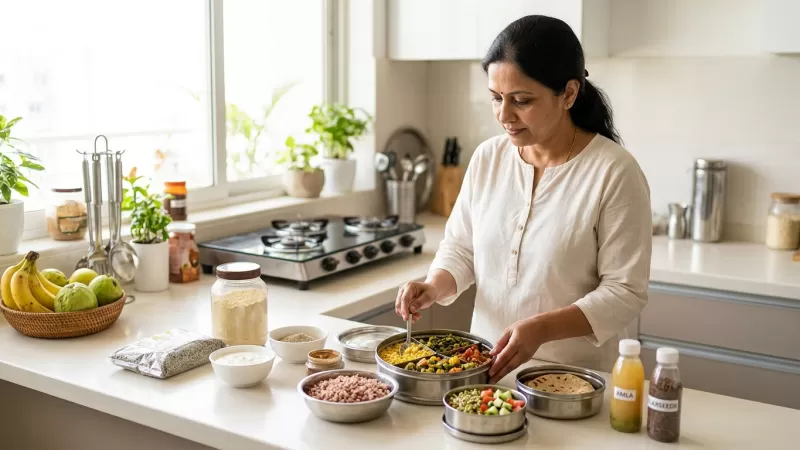
- Choose lighter, freshly cooked meals: Lean towards simple khichdi, moong dal, steamed sabzi, and phulkas. These are easier on the stomach and less likely to cause heaviness or indigestion, which is common in Indian homes during rainy season.
- Make use of warming spices: Ginger, black pepper, hing (asafoetida), and jeera (cumin) not only add flavour, they support digestion. A pinch of ajwain in your pakora batter or a little ginger in your chai goes a long way.
- Be vigilant about food hygiene: Try to eat food cooked the same day and keep leftovers refrigerated as soon as possible. Reheat only the portion you need. If the dahi smells off, don’t risk it.
- Limit raw salads and sprouts: During the monsoon, it’s safer to opt for cooked vegetables. If you do want salad, wash thoroughly with clean water and consider a quick blanch, especially if you’re in an area with frequent water contamination.
- Balance comfort foods with nutrition: If pakoras are a must on a rainy evening, pair them with warm tomato rasam, moong dal soup, or a bowl of dahi to add protein and aid digestion. This way, you don’t have to choose between joy and health.
Everyday Monsoon Eating Patterns in Indian Homes
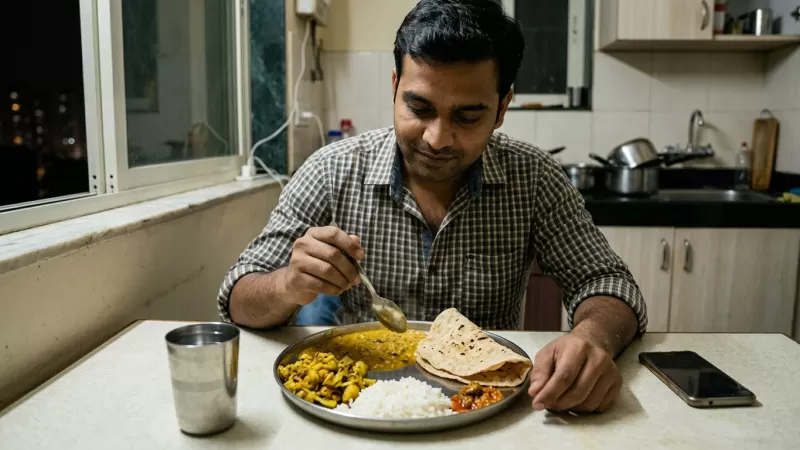
In many Indian households, monsoon mornings begin with hot chai and a plate of poha or upma, eaten as the windows fog up with outside rain. Children might snack on roasted makhana after school instead of biscuits, since fried snacks are reserved for weekends or special afternoons. A working professional commuting in Bengaluru might notice that lunchboxes come back half-finished, as heavy sabzi or paratha feels harder to eat after a humid bus ride.
Many families in Indian cities have quietly discovered that khichdi, dahi, and light sabzi dinners actually help everyone sleep better during the sticky monsoon nights. Power cuts mean that food safety becomes a part of dinner table conversations—how long can cooked rice be kept? Is the milk still good after the fridge turned off for three hours? Even those living in joint families find themselves negotiating fridge space and reminding each other to check leftovers before reheating.
When to Reach Out for Input Beyond the Kitchen
Sometimes, even the best monsoon eating tips in India don’t solve every problem. If you or someone in your home experiences persistent stomach upsets, high fever, or signs of dehydration, it’s wise to check in with a doctor rather than self-managing for too long. Children, seniors, and those with health conditions may need extra attention during this season.
Common Questions
Monsoon in India brings changes that every home feels—whether it’s what’s on the table, or how food is handled in the kitchen. Many of your questions about healthy Indian eating habits for the monsoon come up year after year, as families try to balance comfort, taste, and safety. Here are some practical answers drawn from everyday moments in Indian homes.
What are the most important Indian eating adjustments to make when the monsoon arrives?
Most families find that switching to lighter, freshly cooked meals helps. This means more khichdi, moong dal, and warm sabzi, and less of the heavy, oily curries that are fine during winter. In many homes, people also start eating earlier in the evening to help with digestion. Reducing raw foods, making sure leftovers are refrigerated quickly, and adding immune-supporting spices like ginger and pepper are common adjustments that support healthy Indian eating habits monsoon after monsoon.
Why do some Indian foods that are fine in summer become difficult to digest during the monsoon?
Humidity during the monsoon slows down digestion, so foods that felt light in summer—like stuffed parathas or rich gravies—can suddenly feel too heavy. Many notice this after festivals or family dinners. The gut becomes more sensitive, and oily, spicy, or very rich foods tend to linger, causing discomfort or bloating. This is why monsoon eating tips India always suggest lighter, less oily meals and more easy-to-digest options like dal, rice, and simple sabzi.
What Indian foods most support the immune system during the rainy season when infections are most active?
Traditional Indian foods like moong dal, rasam, curd with a pinch of black pepper, and lightly spiced soups are favourites during the monsoon. Freshly made chutneys with ginger or garlic, and warm drinks like adrak chai, also help. Many families mix a little turmeric into dal or milk for its supportive qualities. These foods are not only nourishing but also help the body stay resilient when seasonal infections are active.
How do Indian families balance the joy of monsoon comfort food with maintaining the nutrition standards that protect health during a vulnerable season?
In most homes, the solution is not to ban comfort foods, but to enjoy them in moderation and pair them with healthier sides. For example, a plate of onion pakoras might be served alongside tomato soup or a bowl of dahi. Families often reserve deep-fried treats for weekends or special rainy evenings, while keeping everyday meals simple and nourishing. This approach helps keep both traditions and health in balance.
What are the most important food safety habits for Indian households during the monsoon that go beyond just eating differently?
Food spoils faster in humid weather, so it’s crucial to refrigerate leftovers promptly and reheat only what you’ll eat. In many homes, special attention is given to boiling water, washing vegetables thoroughly, and using clean, dry utensils. Avoiding uncovered street food during heavy rains is common, but it’s just as important to check that homemade food hasn’t gone off, especially after power cuts or if it’s been sitting out. These habits help reduce the risk of infections that are more common during monsoon months.