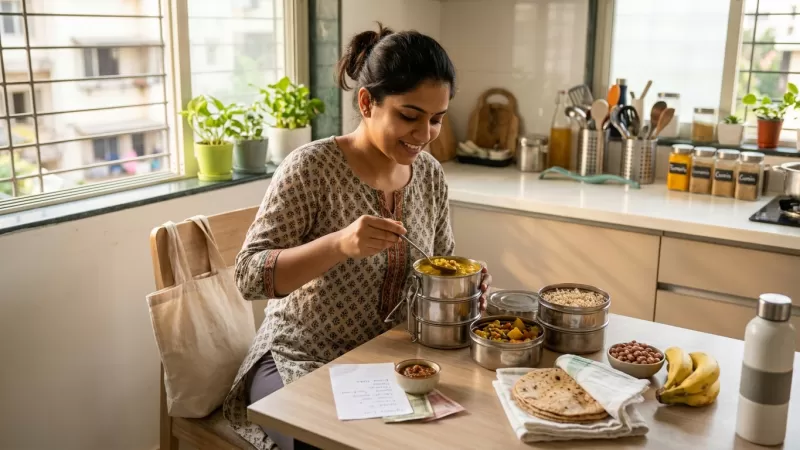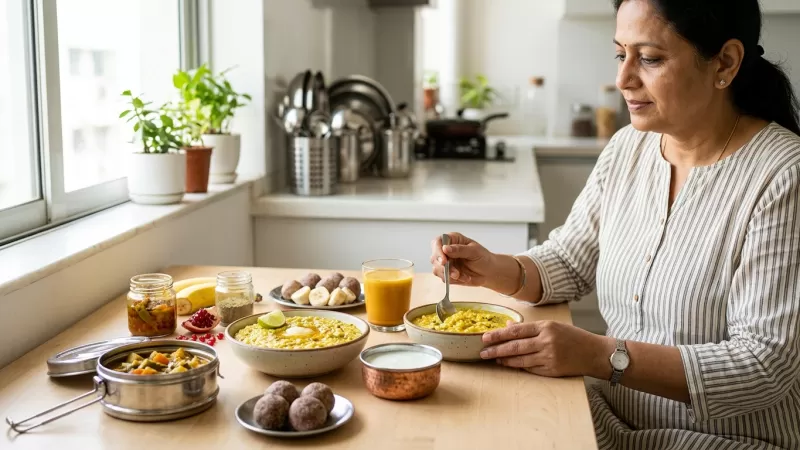
In many Indian homes, the first sound of the morning is the whistle of the pressure cooker, the clink of plates, and the shuffle of sleepy feet looking for that first bite before the day begins. Even on days when the wallet feels light—especially towards the end of the month—families still manage to pull together a healthy Indian breakfast on budget. It's not always about searching for those special, cheap ingredients; it's about noticing that the most nutritious options—poha, moong dal cheela, upma, chutney, and a simple boiled egg—are often the foods that have always been part of middle class Indian morning meals.
Many families quietly take pride in serving a nutritious Indian breakfast low cost, with no fuss, no imported ingredients, and nothing that requires a fancy store visit. There is something deeply reassuring in knowing that a filling plate of poha or a stack of idlis, even with rising food costs, can still keep everyone satisfied and energetic for the day ahead.
Why Nutritious Breakfasts Are Still Common in Middle Class Indian Homes
For most middle class Indian families, the rhythm of the morning revolves around affordable Indian breakfast ideas. Whether it's a quick masala oats upma, besan chilla, or leftover sabzi rolled into rotis, the focus is on foods that are familiar, filling, and don't stretch the monthly budget. In fact, these meals are often built from pantry staples—rice, wheat, lentils, and seasonal vegetables—that are among the most affordable foods in any Indian market.
On days when the fridge looks empty, many homemakers know how to stretch a handful of poha or a cup of dal into a meal for four. The skill lies in making the most of what's already available, rather than chasing recipes that require expensive ingredients. This is especially true during school exam weeks, when parents want to give children something hot and nourishing, but need to keep costs under control. A bowl of dahi, a banana, and a plate of upma can be just as comforting as any expensive breakfast cereal—usually more so, because it's warm, fresh, and familiar.
There's also a quiet sense of resourcefulness in Indian kitchens. Many families will use leftover sabzi in parathas, make idli batter last for two days, or turn stale bread into masala toast. These habits aren't just about saving money—they're about respecting food and making sure every meal, even the simplest, feels complete.
Why Budget-Friendly Indian Breakfasts Work
One reason affordable Indian breakfast ideas work so well is that many Indian staples are naturally nutritious and low cost. Pulses, millets, and local veggies are packed with protein, fiber, and vitamins. Unlike processed foods, these ingredients don't need much to shine—a little tadka, a squeeze of lemon, or a spoon of chutney is often enough.
Dietitians who work with Indian families often find that the healthiest morning meals are usually assembled from what’s already in the kitchen, not from special purchases. Budget constraints actually encourage creativity. For example, instead of buying a new box of cereal, a family might make moong dal cheela with leftover onion and coriander, or throw together a quick poha with peanuts and curry leaves. The tricky part is keeping everyone satisfied without feeling deprived, especially when advertisements push "healthier" imported or packaged options.
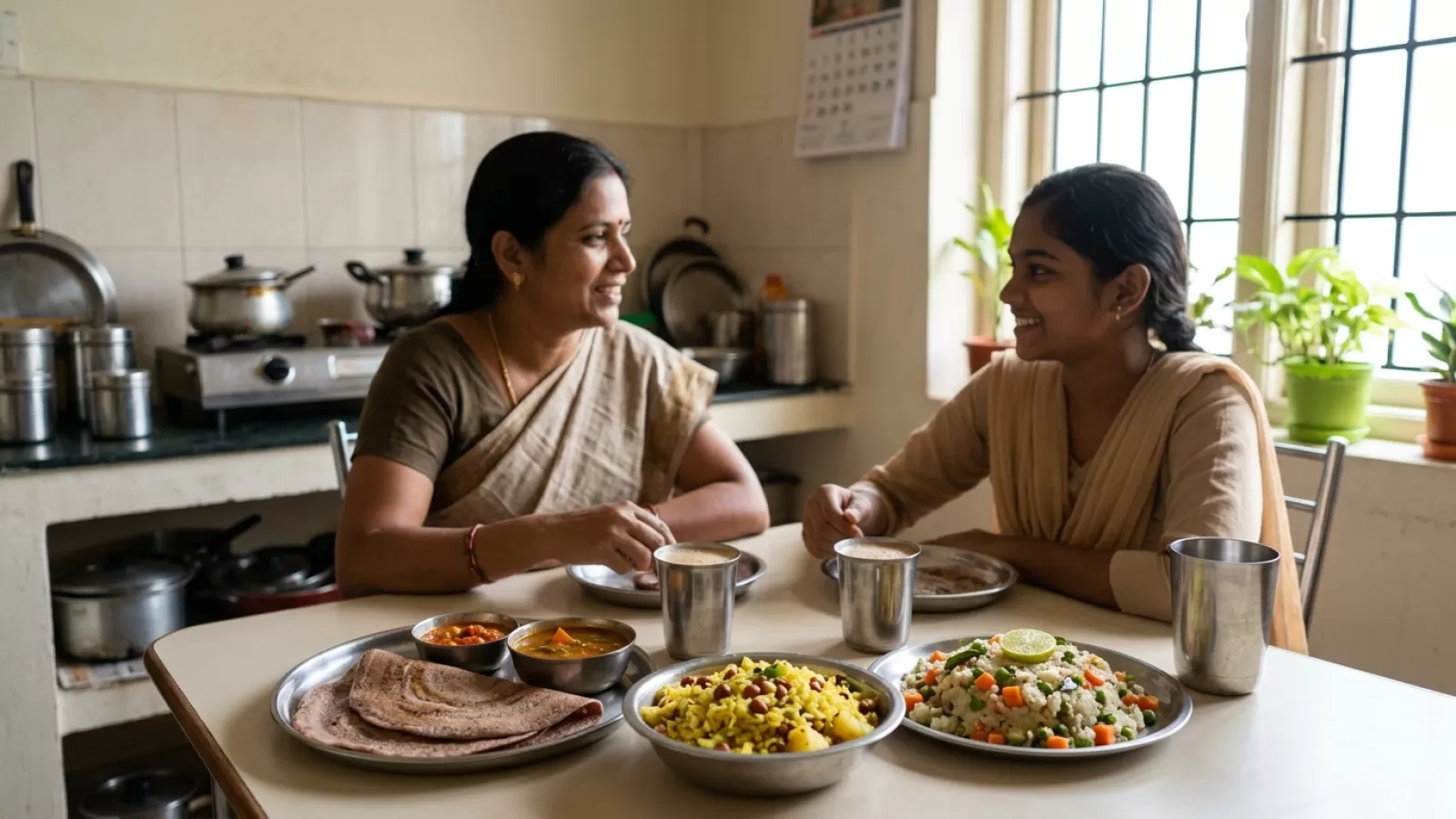
Another reason this approach works: breakfast in Indian homes is rarely eaten alone. Sharing a plate of parathas, idlis, or eggs brings everyone together at the start of the day. Even a rushed meal, eaten together, feels more nourishing. This sense of togetherness is a quiet strength of the middle class Indian morning meal, and it often makes simple food feel plentiful.
Clues Your Morning Meal Isn’t Working For You
- Hunger returns before mid-morning: If everyone is reaching for biscuits or tea by 10:30 am, breakfast might not be filling enough.
- Low energy or irritability: Children getting cranky before the first bell, or adults snapping during the commute, can be a sign that the meal was too light or too sugary.
- Skipping breakfast entirely: Happens often on days when mornings are rushed, or when nothing seems appealing or quick to cook.
- Reliance on packaged foods: If there's a growing stack of instant noodles, ready-to-eat packets, or sweetened cereals in the kitchen, it often means the family is struggling to keep up with morning demands.
- Feeling embarrassed about “simple” food: Some families worry their basic breakfast isn’t “fancy” enough, especially after seeing ads or social media posts. But healthy Indian breakfast on budget often looks humble—and that’s perfectly normal.
Small Habits That Make Affordable Breakfasts Nutritious
- Soak and prep the night before: Washing and soaking poha, dal, or rice before bed makes mornings smoother. For idli or dosa, fermenting the batter ahead is the real trick.
- Rotate between two or three staples: Many families keep a weekly rhythm—poha on Mondays, upma or suji cheela midweek, aloo paratha or besan chilla on weekends. This keeps meals interesting without needing to buy special items.
- Stretch with sides: A bowl of dahi, a banana, or a handful of roasted peanuts can turn a small serving into a complete meal. During mango season, a slice of fruit adds both nutrition and excitement.
- Use leftovers wisely: Leftover dal can become dal paratha, and yesterday’s sabzi can fill a sandwich or be mixed into upma. It’s not just frugal—it’s delicious.
- Portion control and timing: Serving breakfast early, before the morning rush, helps everyone eat calmly and feel full longer. Even a small plate, eaten peacefully, can be surprisingly satisfying.
Sometimes, the simplest trick is letting everyone add their own twist—a sprinkle of chaat masala, a squeeze of lemon, or a spoon of homemade chutney. These touches can make basic dishes feel special, even on a tight budget.
How Tight Budgets Shape Breakfast Routines
During the last week of the month, it’s common for Indian kitchens to run low on extras—no fancy cheese, no bakery bread, maybe not even enough milk for everyone to have a second cup of chai. Yet, most families still manage a healthy Indian breakfast on budget. In a typical flat in Pune or a house in Lucknow, you’ll see a mother or grandmother quietly boiling eggs, roasting makhana, or quickly tossing up a plate of poha with leftover vegetables. Children might grumble that there’s no jam for their toast, but they still eat their fill.
The pattern is familiar: weekday breakfasts are practical—paratha with dahi, suji upma, or simple dosas with coconut chutney. On Sundays, there might be a little extra—perhaps a sweet sheera or a batch of aloo puris if the budget allows. In joint families, the older members often guide the younger ones on how to stretch a sabzi, or how to make chutney last through two meals. This quiet sharing of know-how is as important as any recipe.
What you rarely see: skipping breakfast altogether, even if it’s just chai with a banana. The belief that “kuch toh khana chahiye” (something must be eaten) runs deep, and it’s a habit that keeps families going—physically and emotionally—through busy, unpredictable days.
When It’s Time To Seek Extra Support
Usually, families manage healthy Indian breakfast on budget without too much stress. But if you notice persistent fatigue, kids losing weight, or anyone regularly skipping meals because nothing is available, it may be time to check in with a doctor or a local nutritionist. Sometimes, a small tweak—like adding more protein or a seasonal fruit—can make a big difference. If you’re ever unsure, it’s always okay to ask for help.
Common Questions
Every home has its own way of making breakfast work, especially when money is tight. Here are some of the most common questions families ask about affordable Indian breakfast ideas—and some gentle, practical answers rooted in the real patterns of Indian kitchens.
What are the most nutritious Indian breakfast options that are also the most affordable?
In many homes, the most nutritious and affordable breakfasts are the ones passed down through generations: poha with peanuts, upma with mixed veggies, idli or dosa with chutney, moong dal cheela, besan chilla, and a simple bowl of dahi with fruit. Adding a boiled egg, roasted chana, or a handful of makhana boosts the protein without increasing costs too much. These meals use ingredients that are already in the kitchen, making them both practical and wholesome for middle class Indian morning meals.
How do middle-class Indian families eat a proper breakfast when food costs keep rising?
Many families tackle rising costs by planning ahead and using pantry staples creatively. For example, soaking dal at night for cheela, using leftover sabzi in parathas, or making upma with whatever vegetables are left in the fridge. Some homes stretch milk by mixing it with water for chai, or bulk up breakfast with seasonal fruits. Shared routines—like making idli batter that lasts several days—also help lower the weekly spend while keeping everyone well-fed.
Is it possible to serve a nutritious Indian family breakfast for under 20 rupees per person?
Yes, this is possible—though it depends on local prices and the number of people eating. A plate of poha with peanuts, a small bowl of dahi, or two idlis with chutney can all be made for under 20 rupees per person if you plan ahead and buy ingredients in bulk. Many families in Indian cities have quietly discovered that a healthy Indian breakfast on budget doesn’t need to be expensive, especially when using what’s already at home.
Which Indian breakfast foods give the best nutrition at the lowest cost?
Moong dal cheela, besan chilla, poha, upma, idli, dosa, and plain paratha with dahi are standouts for nutrition and cost. Eggs—if the budget allows—are also excellent. Adding seasonal fruits, roasted chana, or peanuts gives extra vitamins and protein. These dishes offer a balance of carbs, protein, and fiber, and they are made with ingredients found in most Indian kitchens, making them ideal for nutritious Indian breakfast low cost.
How do you make a tight morning budget feel like enough without everyone feeling they are eating poorly?
Often, it’s the little touches—like a homemade chutney, a squeeze of lemon, or a warm cup of chai—that make simple meals feel special. Letting each person add their favorite topping or side (like dahi, a banana, or chaat masala) can make even the most basic breakfast feel satisfying. Many Indian families find that eating together, even when the meal is modest, adds a sense of abundance and comfort that no packaged food can match.