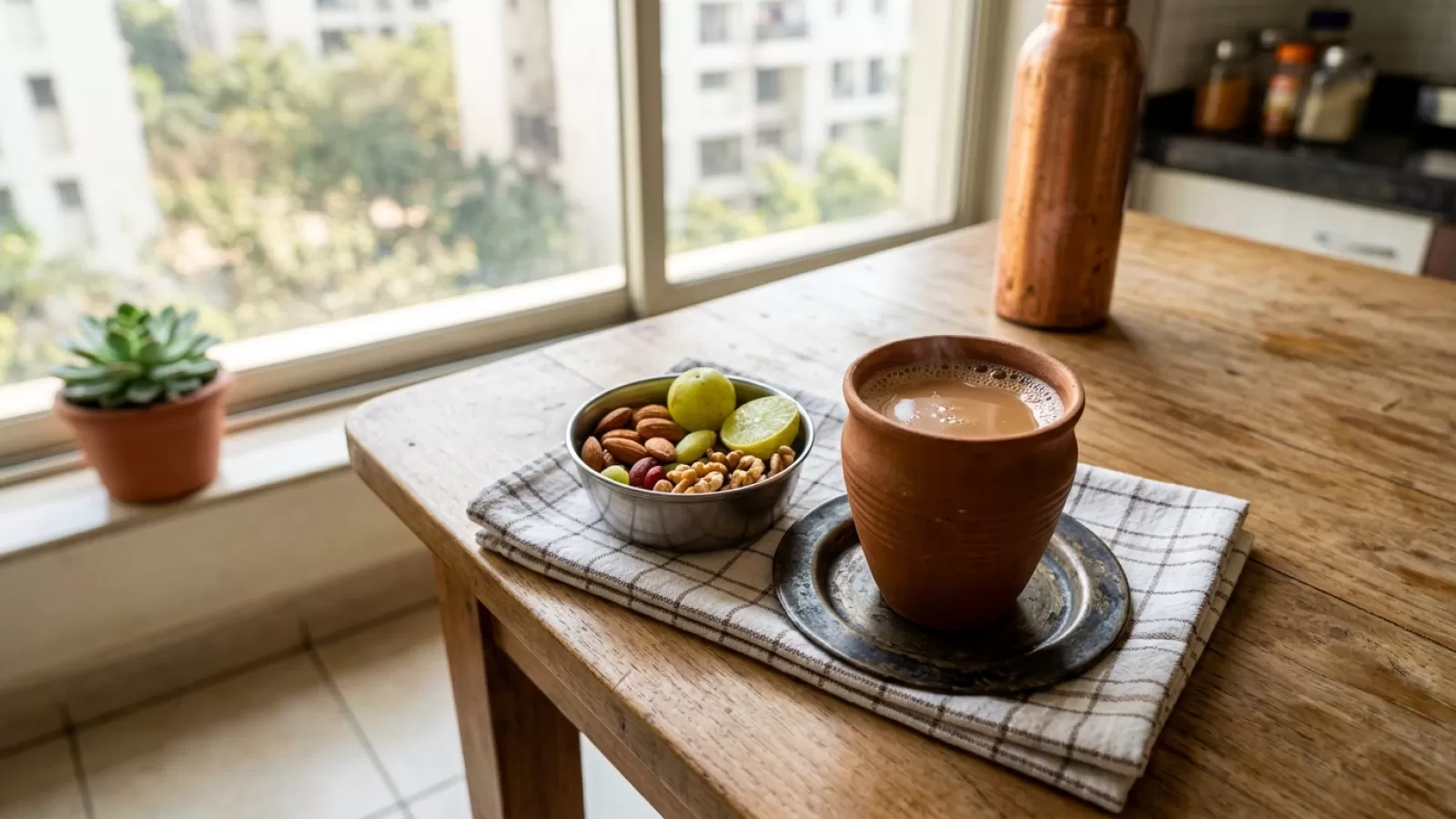
Most days in Indian homes move at their own gentle, steady rhythm – not a mad rush, yet not slow either. There’s the early morning shuffle for chai and tiffin, school runs, office log-ins, phone calls, sabzi shopping, lunch prep, and sometimes long, quiet afternoons. By evening, you might feel you’re running on fumes – not exactly tired, but not quite energetic either. This is where the idea of sustaining gentle energy throughout the day quietly matters.
Understanding Gentle Energy in Ordinary Life
Gentle energy isn’t about being supercharged or “powerful” all day. It’s more about feeling steady, not dragging your feet, and being able to enjoy daily tasks without that nagging heaviness or irritation. It’s the kind of energy that lets you get through a long day of work, a family pooja, or even a Sunday spent with relatives – with enough left over for yourself.
Unlike the quick jolt you get from a cup of strong filter coffee or a plate of jalebi, gentle energy tends to come from small habits, thoughtful routines, and an awareness of what your body and mind are asking for. In Indian homes, this might mean little pauses, familiar foods, and common-sense rituals that have quietly lasted for generations.
Many families don’t talk about it, but sustaining comfort and energy is often a balancing act – not just about what you eat, but about how you move through the day and what you allow yourself to notice or let go.
Morning Cues: Setting a Calm Foundation
Mornings can be noisy, especially with children getting ready, elders reading the news, and the pressure of early meetings. Yet, the first hour after waking tends to set the mood for how the rest of your day unfolds. It doesn’t have to be perfect, but a few mindful habits can make a surprising difference.
- Try not to reach for your phone immediately. Let your eyes adjust to sunlight or the soft glow of a tube light.
- Warm water (plain or with a slice of lemon) soothes the throat and gently wakes up your stomach. Many families quietly rely on this.
- Some stretch lightly or walk barefoot for a minute; others prefer a quiet cup of tea with no rush. Both can help.
Of course, some mornings are pure chaos. That’s normal. Even if you manage just one small calming ritual, it’s usually enough to anchor your day a little better.
Breakfast and Early Nourishment: Gentle Starts
In many Indian homes, breakfast is quick – a bowl of poha, a couple of rotis with leftover sabzi, or even just a banana and chai. The idea isn’t a heavy meal but something that sits comfortably and doesn’t leave you sleepy or edgy.
Gentle energy in the morning comes from foods that digest slowly and are familiar to your stomach. You’ve probably noticed how a spicy, oily breakfast can leave you sluggish by midmorning, while plain upma or idli tends to feel lighter.
- If you’re rushed, keep roasted chana, murmura, or a small box of dry fruits handy. They’re better than skipping breakfast entirely.
- Some prefer buttermilk or plain curd with breakfast, especially as the weather warms up.
- Try not to overdo tea or coffee first thing. If you can, have it after a little food.
There’s no “best” Indian breakfast, but listening to how your body feels after eating can quietly guide your choices over time.
Movement Through the Day: Small but Steady
The tricky part about gentle energy is that sitting for hours – whether at a desk, in the kitchen, or watching TV – tends to sap it. Most people can’t fit in a long walk or yoga class daily, but small, regular movement can help your body (and mind) feel less stiff and tired.
Sometimes it’s as simple as standing and stretching your arms, walking to the balcony for a minute, or carrying out household chores at a relaxed pace. Many homemakers already get a fair bit of movement this way, but for those working from home or in offices, you might need to remind yourself to move every hour.
- Put a glass of water in a different room so you have to get up to drink.
- Use TV ad breaks or phone calls as signals to get up and move.
- If possible, open a window or step outside for a short break – fresh air can gently lift your mood.
There are days when even these small movements feel like a chore. That’s alright. Do what you can, when you can.
Midday Awareness: The Power of Pausing
By afternoon, especially after lunch, many people feel a dip in energy. It’s common to want a nap or another cup of chai. While that’s not always possible, a short pause, even for a few minutes, can help you reset.
You don’t have to meditate or do anything special. Just sitting quietly, closing your eyes, or listening to a favourite song can be enough. In some homes, elders use this time for prayer or simple breathing. The point is not to “do” but to “be” for a bit.
One gentle opinion: try not to use this pause to catch up on news or social media. These tend to pull your mind in too many directions, often leaving you more drained.
Sometimes, you just sit and let your thoughts wander. That’s fine too.
Lunch and Afternoon Eating: Comfort Over Quantity
Lunch in Indian families is usually the main meal – dal, chawal, sabzi, maybe a roti or two. On busy days, it’s tempting to eat quickly or load up on heavier food for fear of getting hungry later. But eating too much, too fast, often leads to sleepiness and heaviness.
Here’s the catch: gentle energy after lunch often comes from eating in a relaxed way, chewing slowly, and stopping before you’re too full. Leftovers are fine; there’s no need to finish everything in one go.
- If you find yourself sleepy after lunch, try a small glass of chaas or nimbu pani instead of another tea.
- Include a little raw salad or cucumber if the weather is hot. It tends to feel refreshing.
- Some people like to end with a bit of jaggery or saunf – it’s a small tradition that aids comfort more than we realise.
And if you end up overeating once in a while, don’t be hard on yourself. It happens in most homes, especially during festivals or family gatherings.
Evening Transitions: Easing Between Roles
Evenings in Indian homes are a blend of winding down and gearing up – children return from tuition, working members finish meetings, and kitchens come alive with dinner prep. This in-between period can be surprisingly tiring, especially if you’ve been on your feet all day or working from a screen.
One helpful cue is to mark this transition, even for a few minutes. Some families light a diya, play soft music, or simply sit together for chai. Small rituals like these signal to your body and mind that the day is shifting gears.
If you’re feeling irritable or restless, it may help to step out to the balcony, water a plant, or just wash your face. Such actions often bring a gentle reset.
- Avoid jumping straight from work into household chores without a pause, if you can help it.
- Try a light snack – a fruit, a handful of nuts, or a small bowl of murmura – to keep hunger at bay until dinner.
- Let yourself laugh or talk with someone, even briefly. It can quietly ease the day’s fatigue.
Not every evening will feel peaceful, especially with children or elders needing attention. Sometimes, all you manage is a deep breath before moving on. That counts too.
Dinner and Late Night: Winding Down Gently
Dinner time varies – some families eat by 8, others much later. In recent years, with late meetings or online classes, dinners have shifted even further. Still, the main thing is to eat light, familiar foods that don’t upset your stomach or keep you awake.
Most people find that a simple dal-roti, khichdi, or vegetable pulao sits well at night. Heavy, spicy, or oily dishes can make sleep restless, which then affects your energy the next day.
- If you’re eating late, keep portions small and avoid cold, rich foods.
- Try to finish dinner at least an hour before bedtime, but don’t go to bed hungry either.
- A short walk after dinner, even inside your home, can help digestion.
Many families watch TV or chat after dinner. If you find yourself reaching for snacks out of habit, keep fresh fruit or a glass of water nearby instead of fried namkeen.
Some nights will be restless. Don’t fret. Gentle energy is about patterns over time, not perfection every day.
Awareness Cues and Listening to Yourself
The real thread running through gentle energy is awareness. Noticing when you feel sluggish, when you’re truly hungry, or when your mind is tired. It’s tempting to push through each day on autopilot, but the small act of checking in with yourself – even briefly – often makes the biggest difference.
You might find, for example, that certain foods or routines work better for you in summer than in winter. Or that your energy dips at the same hour daily, no matter what you eat. These patterns are your body’s way of communicating, and over time, they help you adjust your habits in ways that feel natural, not forced.
Gentle opinion: aim for a few routines that you genuinely enjoy, rather than a long list of things you “should” do. The more these habits feel like your own, the easier they are to sustain.
And if you find it hard to listen to yourself some days – that’s normal, too. Life in Indian homes is rarely silent or predictable. Even small, imperfect efforts count toward lasting comfort.