Some days, the worry about falling sick again feels never-ending, especially with how often fevers and coughs come and go in many Indian homes. It's no wonder so many families look for reliable ways to feel a little more protected, especially when every season seems to bring its own set of challenges. The good news? Supporting your natural immunity doesn't have to mean drastic changes or expensive solutions. Often, it's about gentle, everyday habits—many rooted in traditional Indian routines—that quietly help keep your body ready for what comes its way.
Understanding Immunity in Daily Life
You hear the word “immunity” so often, but in most homes, it just means not falling sick so easily, especially when weather changes or after visiting crowded places. Your immune system is working quietly in the background, using what you eat, how you sleep, and even how you relax.
In many Indian families, there's a general sense that eating home-cooked food, maintaining cleanliness, and keeping a regular routine are the basics for staying healthy. And usually, that’s true. The tricky part is, even with these habits, flu and fevers still visit. That’s why gentle, daily practices matter—they help your body build a sort of quiet strength over time.
You don’t have to chase every new trend. Sometimes, old habits are enough if you pay attention to them.
Gentle Food Habits That Support Immunity
Most Indian kitchens are full of foods that naturally support the body’s defenses. The idea isn’t to eat special “immunity-boosting” foods, but to nourish yourself regularly with what’s familiar and sensible.
- Balanced meals: A simple dal, some sabzi, and roti or rice, along with curd—this kind of thali gives you protein, vitamins, and gut-friendly bacteria.
- Seasonal fruits and vegetables: These days, it’s easy to skip fruits or just stick to potatoes and onions, but adding whatever is local and in season (like guava in winter or mango in summer) helps your body adjust to the weather.
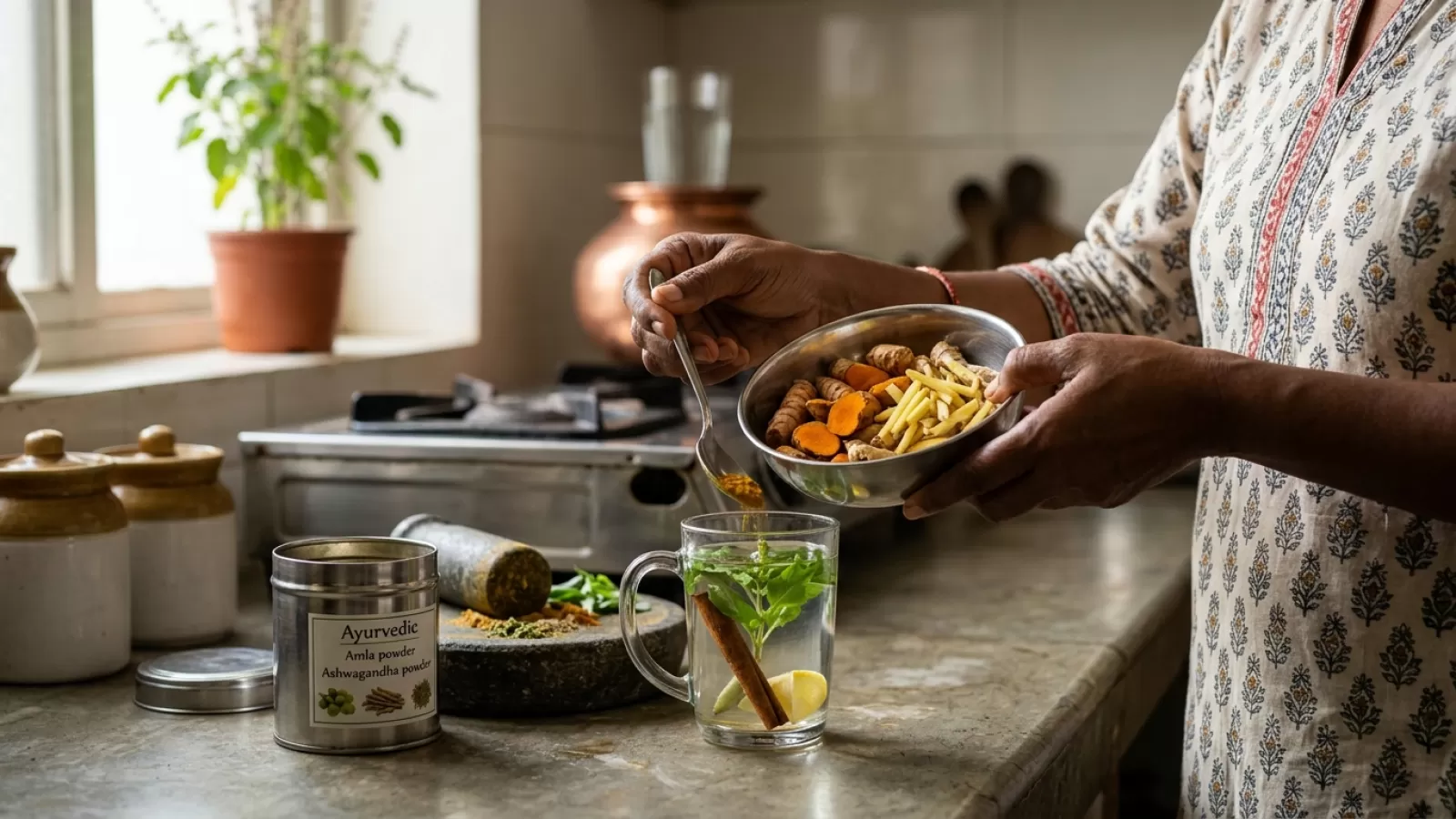
- Spices with a purpose: Turmeric, ginger, garlic, and black pepper are not just for taste. Many families quietly add these to curries and teas, and over time, they seem to offer a little extra support, especially during monsoon and winter.
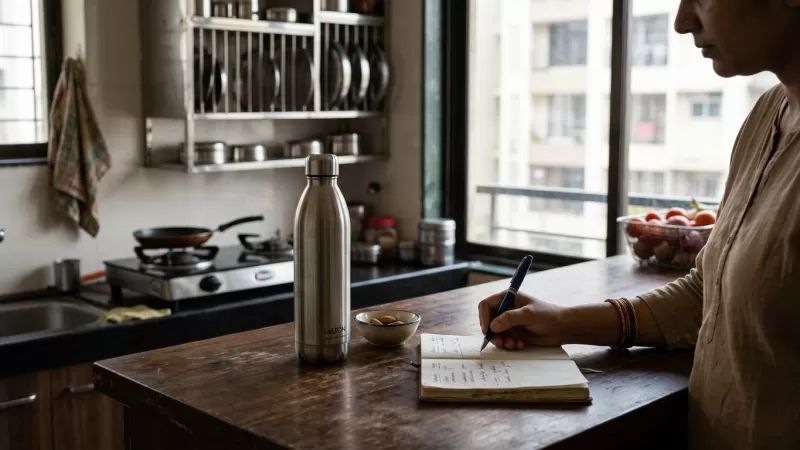
- Hydration: Water is easy to overlook, especially during busy days or in winter. But keeping your body hydrated (even a glass of warm water in the morning) keeps things moving well inside.
That said, eating well doesn’t mean perfection every day. Some evenings, instant noodles or restaurant food sneak in, and that’s fine—balance matters more than being strict.
Simple Routines for Everyday Movement
You don’t need to join a gym or follow fancy exercise plans just to keep your immunity in check. In many Indian homes, movement is woven naturally into the day, even if you don’t notice it.
Sweeping, mopping, climbing stairs, or a brisk walk to the local market—all these count. For those who sit long hours (work-from-home professionals or students), stretching every hour or two, or taking a short walk after meals, can help your body stay active.
Some families make time for yoga or pranayama in the morning. If you can, even ten minutes of gentle stretches or breathing exercises make a real difference in how fresh and steady you feel. The hard part, of course, is keeping it regular, especially when life gets busy or you’re just not in the mood.
Sleep Hygiene: The Quiet Foundation
In most Indian households, sleep routines get pushed around—late dinners, TV serials, family calls, or just the noise of the city. But the body repairs itself best during sleep, and this is when your natural immunity does much of its work.
Some gentle tips that actually help:
- Try to stick to a similar sleep time—even if it’s late, the regularity helps.
- Switch off screens (TV, phone) at least 15–30 minutes before bed; reading, chatting, or just sitting quietly can help your mind wind down.
- Keep your room a little dark and cool if possible; it helps signal your body to rest.
You’ve probably noticed: when you’re sleep-deprived, you catch colds and fevers more easily.
Mindful Cleanliness at Home
Cleanliness in Indian homes isn’t just about the floor or kitchen—it’s about small, regular actions. Washing hands before meals, cleaning fruits and vegetables, and airing out rooms are practices you’ve likely seen since childhood.
With so much attention on hygiene these days, it’s easy to go overboard with strong cleaners and sanitizers. A gentle approach—using plain soap, washing reusable masks, and keeping shoes outside—often works well enough. Over-scrubbing or using too many chemicals can be hard on your hands and breathing.
The main thing: simple, regular cleaning is more important than perfection. Most families quietly manage this balance in their own way.
Small Traditions That Still Work
Some old habits from Indian households, even if you don’t think about them, have real value for supporting your body’s defenses.
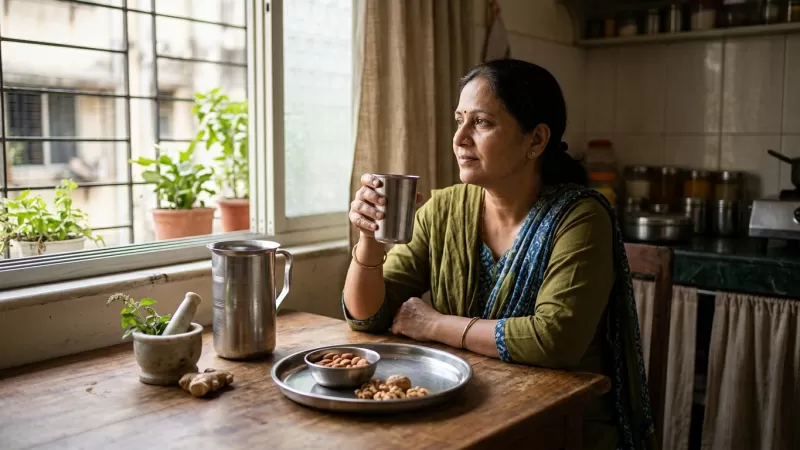
- Drinking warm water or herbal teas: Many elders suggest sipping tulsi, ginger, or ajwain tea during the rainy season or when feeling a little "off." There’s a quiet comfort in this, and it often soothes a scratchy throat or tired mind.
- Oil massage (abhyanga): This practice, especially during winter or before a bath, tends to help with circulation and leaves the skin less dry. Children and seniors especially seem to benefit.
- Lighting incense or dhoop: Beyond religious reasons, some families believe it helps keep the air fresh and insects away. Even if you’re not sure, the calming routine can be grounding.
Not every tradition fits modern routines, but picking and choosing what feels right for your family can still be helpful.
Managing Stress in Everyday Life
Life in Indian cities and towns is rarely stress-free. From traffic noise and work deadlines to exam pressure and family worries, stress finds a way in. The thing is, constant stress can quietly wear down your natural defenses.
Simple ways to keep it in check include:
- Talking to someone about how you feel—often, sharing with a family member or friend makes things lighter.
- Making small spaces of calm, even if it’s just five minutes with your morning chai or a slow walk on the terrace in the evening.
- Limiting news and social media, especially if it leaves you anxious or restless.
Of course, stress doesn’t disappear overnight. Sometimes, it’s just about finding one small habit that helps you breathe easier.
Making Gentle Adjustments Through the Seasons
Each season in India seems to bring a new set of worries—heat, dust, rains, cold, or pollution. Supporting your immunity year-round isn’t about big changes, but small tweaks.
During summer, lighter meals and cool drinks (like chaas or nimbu pani) help your body stay comfortable. In winter, warmer foods, extra blankets, and even a bit of sunlight in the morning make a difference. The monsoon is when extra handwashing and avoiding street food can quietly prevent many minor illnesses.
You don’t have to get everything right every season. Even one or two gentle adjustments can help your body feel supported as the weather changes.
When to Be More Watchful
Most of the time, these everyday routines are enough for general wellness. But sometimes, even with all your care, you or a family member might feel unusually tired, get frequent fevers, or notice something just feels "off." In such cases, it’s wise to pay attention and, if needed, talk to a healthcare provider. No home routine can replace proper care when your body signals for help.
Gentle daily practices aren’t about guarantees. They’re about giving your body steady support—so you feel more at ease facing whatever each season brings.