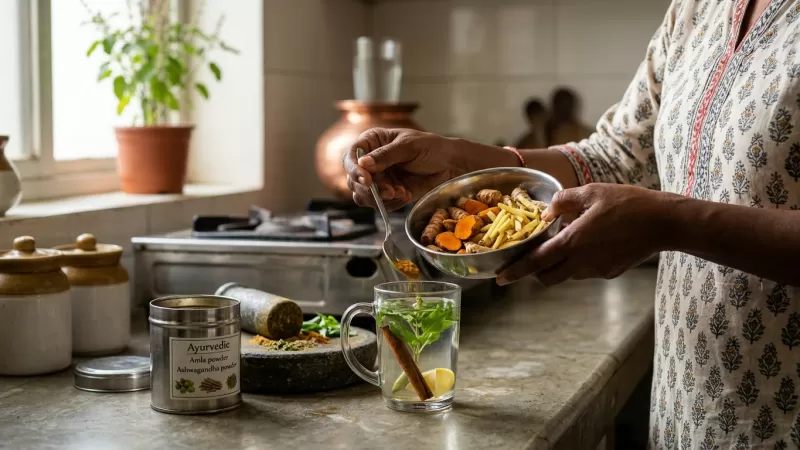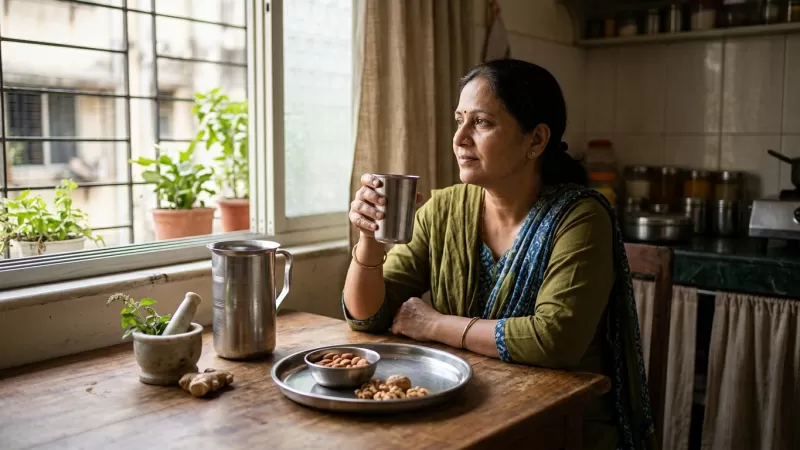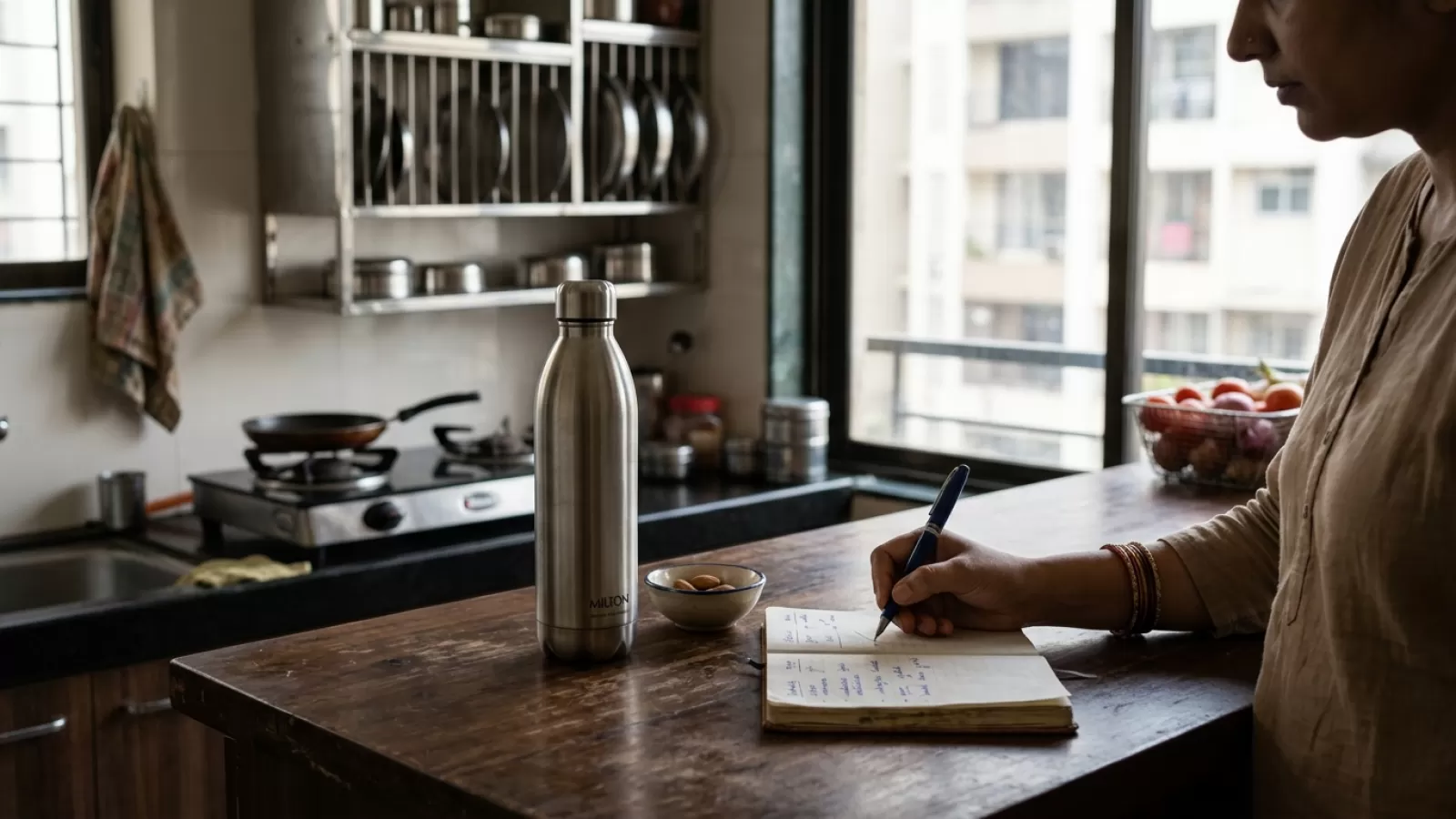
Most Indian homes run on the careful balancing act of someone quietly putting their own needs last. Maybe you’re the one who makes sure everyone else’s tiffin is packed, parents’ medicines are sorted, or that the house is at least somewhat tidy before bed. But in all this, what usually gets left behind? Your own health—sometimes not just physical, but emotional too. The problem is, ignoring your basic needs doesn’t end in a single day. It creeps up, quietly, until one day you realise even simple things like drinking enough water or sitting down for a meal have become rare events. The good news is, you don’t need a grand plan to change this. Most of it comes down to paying a little more attention to yourself, even in very small ways.
Why Your Needs Matter—Even in a Busy Indian Home
It’s not unusual in Indian families for someone (often homemakers, but not only them) to feel that their needs are less important than those of others. Whether it’s children, elderly parents, or even pets, their routines seem to take priority. After all, isn’t that what caring looks like?
But here’s the catch—when you keep giving from an empty cup, sooner or later it shows. You might notice more frequent headaches, irritability, or just a general feeling of being run down.
Many families quietly deal with this cycle until someone falls sick or finally decides, “Enough is enough.” But waiting for things to get that bad isn’t really necessary. In most cases, paying a little attention to your own needs doesn’t mean neglecting anyone else. It just helps you stay steady for the long run.
The Gentle Art of Daily Self-Check-Ins
One of the simplest tools you can use is a daily self-check-in. It’s not dramatic—just a quiet moment to notice how you’re feeling and what you need right now. Many people in India already do a version of this, often without calling it by a fancy name. Maybe it’s that pause with your morning chai or a slow walk to the balcony after a long day.
Here are a few quick cues you can mentally run through, ideally at the same time each day:
- Did you eat a proper meal, or did you just nibble leftovers?
- Have you had enough water today?
- Are you feeling tired or achy anywhere?
- When was the last time you sat down quietly—even for 5 minutes?
- Have you smiled or laughed today?
You don’t always have to fix everything at once. Even noticing is a good start.
Simple Tracking Tools for Busy Lives
Tracking sounds overwhelming at first—like something only very organised people do. But, honestly, even a scrap of paper or a kitchen blackboard works. The main thing is to keep it visible and simple.
Some families use wall calendars to track everyone’s activities. Why not add a tiny mark or sticker for your own self-care—maybe a star for every day you drink enough water, or a dot for each time you walk around your building?
Here are a few ways you can make tracking fit into your day:
- Use the back of your daily to-do list to jot down a small self-care win.
- Set a reminder on your phone to stretch or drink water—especially if you’re working from home.
- Stick a post-it note near your kitchen or bathroom as a gentle nudge.
It doesn’t have to be perfect. The idea is just to remind yourself that your needs count too.
Treating Meals as Non-Negotiable
Meals in Indian homes are often at the centre of family life, yet many people—especially the ones cooking—end up skipping meals or grabbing whatever is left after everyone else has finished. You’ve probably noticed that this becomes even more common during festivals or school exam times.
One simple habit that works for many is to serve your own plate along with everyone else’s. Even if you eat a little later, seeing your food set aside makes it much less likely you’ll skip it altogether.
Another gentle approach is to plan at least one meal in your day that’s entirely for yourself. Maybe it’s breakfast before everyone wakes up or a quiet cup of tea in the afternoon. It doesn’t have to be elaborate—sometimes even a hot roti with fresh sabzi can feel grounding if you eat it calmly.
Remember, eating with some attention is not a luxury. It’s basic care that keeps you steady for everyone who depends on you.
Hydration—The Forgotten Essential
In India, where summers are long and winters can be dry, it’s surprisingly easy to forget to drink enough water. Tea and coffee are everywhere, but plain water often gets neglected. The result? Headaches, fatigue, and that sluggish feeling that makes everything seem harder.
Here are a few practical ways to stay hydrated without having to think too much about it:
- Keep a bottle or glass of water visible wherever you spend most of your day.
- Add a squeeze of nimbu or a few tulsi leaves for a change in taste—it sometimes encourages you to drink more.
- Pair your water drinking with another regular habit, like having a glass before each meal or after your morning prayers.
It’s a small thing, but you’ll notice the difference in your energy, especially on busy or hot days.
Movement That Fits Your Routine
When people talk about exercise, it often brings up images of gyms or long walks in the park. But in reality, most Indian homes don’t have the time or space for all that. The good news is, movement doesn’t have to mean formal exercise. Ordinary chores—sweeping, mopping, climbing stairs, carrying groceries—count for a lot.
The tricky part is, these movements are often rushed through or done on autopilot. If you can, try to do one activity a little more mindfully. For example, stretch your arms and legs while waiting for the cooker’s whistle, or take an extra round of your building in the evening.
Even a few minutes of gentle stretching before bed can help your body unwind. It’s not about hitting a target; it’s about keeping the body comfortable and able to manage daily tasks.
Rest and Quiet—Making Space to Recharge
Finding quiet time can feel nearly impossible in a full house. Still, most people need at least a little break—especially after a long day or during stressful periods. This doesn’t always mean an afternoon nap. Sometimes, it’s just shutting the door for five minutes, listening to music, or even just standing by the window with your thoughts.
Some people find it helpful to announce their quiet time, especially in joint families—just a gentle word to others that you’ll be less available for a short while. In many homes, early mornings or late evenings are the only times you get this space.
It’s perfectly okay if you can’t manage this every day. The idea is to give yourself permission for a little downtime, even if it’s just once or twice a week.
Building Habits That Actually Stick
Here’s the thing about habits: they’re easier to build when they’re small and attached to things you already do. If you try to change everything at once, it’s overwhelming. So, start with one cue—maybe drinking water with every meal or taking a deep breath before you open the fridge.
In many Indian homes, routines are shaped by family needs, festivals, school schedules, and even the weather. So, adjust your self-care habits to fit these rhythms instead of fighting against them. For example, during summer holidays, your quiet time might shift to early mornings, while in winter, you might prefer a walk after lunch.
Remember, the goal isn’t to be perfect. It’s just to make sure your own care isn’t always the last thing on the list. Little by little, these cues turn into habits, and before you know it, looking after yourself feels as normal as making tea for everyone else.
Sometimes, you have to remind yourself: you matter too. Even small steps are worth taking, especially when life is busy and everyone’s needs seem endless.