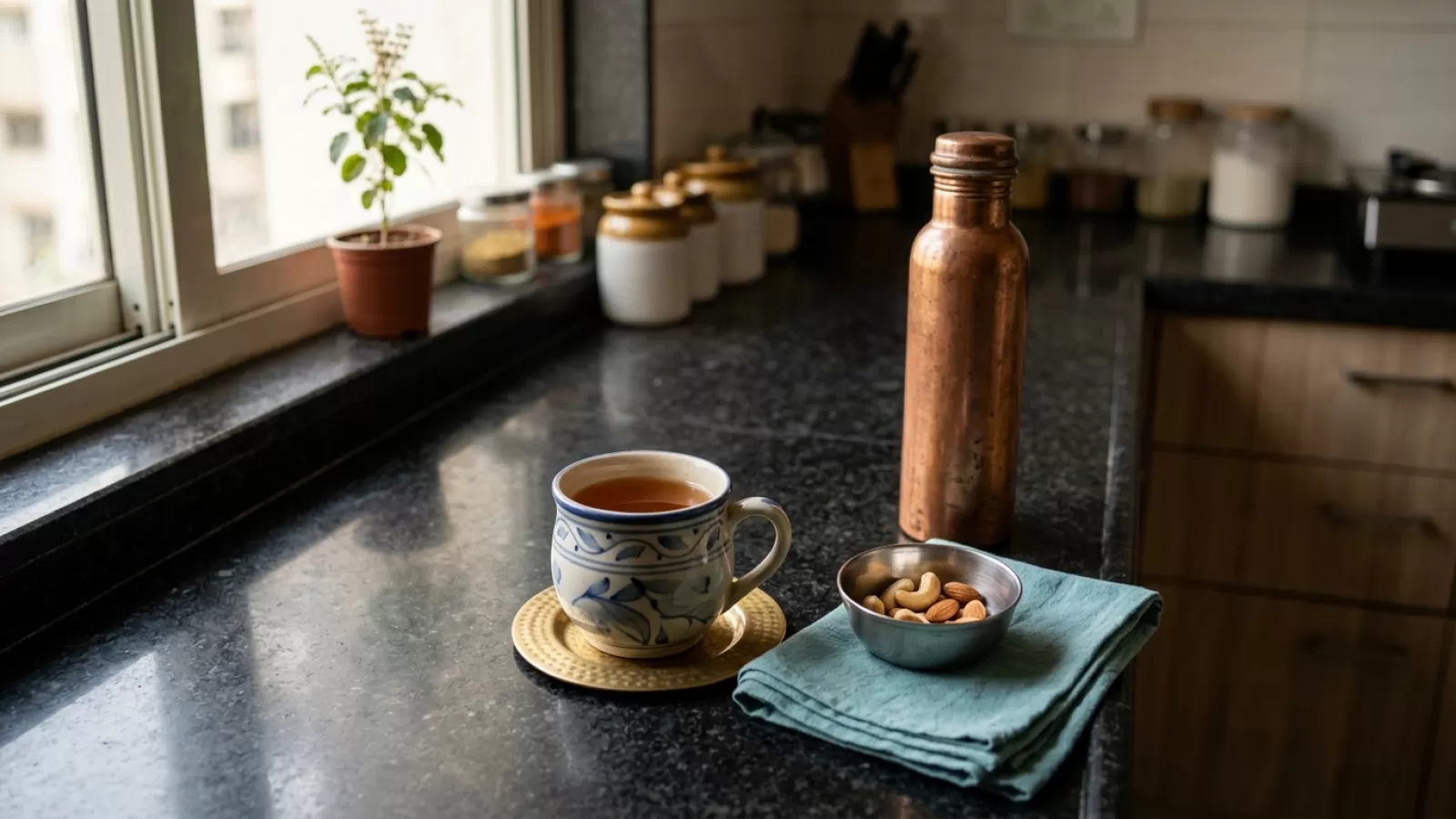
In many Indian homes, days often flow into each other with barely a pause—morning chaos runs into afternoon work, and before you know it, it’s time to think about dinner. For homemakers, busy professionals, and seniors alike, it’s easy to feel that life has become a series of back-to-back tasks. That’s why gentle transitions—those small, thoughtful habits that help us move from one part of the day to another—can quietly support our wellbeing. You might not always notice them, but these moments can make daily life feel less rushed, and a bit more connected.
What Are Day-to-Day Transitions?
Most people don’t really pause to think about the times when one part of the day ends and another begins. But they happen, whether we notice or not. Waking up, finishing work, winding down in the evening, even the moments between afternoon chai and evening chores—these are natural transitions.
In Indian families, daily rhythms are often tied to meal times, prayers, or simple routines like lighting a lamp at dusk. These small rituals—sometimes done almost automatically—can act as gentle cues that it’s time to shift gears. The awareness of these transitions isn’t about being rigid; it’s about bringing a little intention to moments that otherwise slip by.
The catch is, in today’s busy world, these cues can get lost. When that happens, days feel like a blur, and there’s no real sense of beginning or end. That’s where gentle wellness habits come in handy.
Morning Cues: Waking Up With Awareness
Mornings in Indian homes are often lively—pressure cookers, school uniforms, and everyone rushing around. But even on the busiest days, a few small habits can help you wake up with a little more care.
- Let in Morning Light: Opening a window or stepping out onto a balcony for a couple of minutes helps signal to your body that it’s a new day.
- Simple Stretch: Even if you’re not a yoga person, just stretching your arms and legs before getting out of bed can make a difference.
- Tuning Into the Senses: Splashing cool water on your face or noticing the smell of chai brewing—these old-fashioned cues gently nudge your mind awake.
You don’t have to set aside a special hour. Just a few mindful minutes, before the day sweeps you up, can set a calmer tone.
Midday Reset: Moving Between Morning and Afternoon
After a busy morning, especially if you’re working from home or handling errands, it’s easy to forget to pause. But that midday space—the time between finishing morning tasks and starting lunch or afternoon routines—can be a simple yet powerful transition.
Many families use lunch as a natural break. Sitting down for a proper meal, even if it’s just dal, rice, and sabzi, helps you slow down. For those who live alone or have a scattered schedule, even just stepping away from screens for ten minutes can help reset your energy.
- Drink a Glass of Water: It’s basic but grounding.
- Look Out the Window: Watching the trees or hearing street sounds reminds you there’s a world outside your tasks.
- Change Your Scenery: Move to a different room or sit in a sunny spot for a short while.
Small as they seem, these pauses can make afternoons feel less overwhelming.
Evening Unwind: Ending the Workday Gently
For many people, especially those working from home, it’s hard to know when the workday really ends. Computers stay open, WhatsApp pings keep coming—it’s endless. But having a small ritual, even a simple one, signals your mind that work is done for the day.
- Pack Up Your Work Things: Put your laptop away, tidy your desk, or stack your notebooks.
- Wash Your Face or Hands: This small act washes away the feel of work and freshens you up for the evening.
- Light a Lamp or Incense: In many homes, this is still a quiet way to mark the start of family time or prayer.
It’s not always easy to draw a line, but with a bit of practice, these habits help you switch off from work and reconnect with home life.
Mealtime as a Gentle Anchor
Meals, especially in Indian families, often serve as the backbone of daily routines. Whether it’s a quick breakfast or a leisurely Sunday lunch, these moments give a sense of structure and comfort.
Eating together—even if it’s just once a day—acts as a simple check-in with yourself or your family. You’ve probably noticed how everyone tends to relax a little, even during a regular roti-sabzi meal. For those living alone, preparing a fresh chapati or chopping some vegetables can become a mindful pause.
That said, not everyone can eat together every day. The key is to treat mealtime as a small, grounding event, not just another task to finish.
- Eat Without Screens: Even if it’s just for ten minutes, this helps you be present.
- Thankfulness: Saying a quiet thank you or pausing before eating can bring a sense of gratitude.
- Simple Table Ritual: A folded napkin, a favorite cup, or even lighting a candle can add a special touch.
These gentle anchors make daily transitions feel more meaningful.
Evening Wind-Down: Easing Into Night
The transition from evening to night is where many people stumble a bit, especially with late dinners and the temptation to keep scrolling on phones. Still, small habits can help signal your body and mind that it’s time to slow down.
- Dim the Lights: Using softer lighting after dinner helps your brain prepare for rest.
- Change Clothes: Shifting into comfortable nightwear tells your body it’s time to relax.
- Quiet Activities: Reading, listening to music, or even folding laundry can be calming if done slowly.
Here’s the tricky part—sometimes, family members have different routines, or there’s extra work to finish. That’s normal. Even one small habit, like making a cup of warm milk or chatting with a loved one before bed, can make a difference.
Seasonal and Festival Transitions
In India, seasons and festivals naturally mark the flow of time. Changing from summer to monsoon, or celebrating festivals like Diwali or Pongal, are transitions that bring the whole family together. These times often inspire a fresh start or a change in routines.
During festivals, you might notice that cleaning the house, preparing special foods, or lighting diyas creates a sense of renewal. Seasonal shifts, like switching from cool drinks in May to hot soups in December, also give your days a different rhythm.
While not every season or festival is a big event, you can use these changes as cues to update routines, declutter, or try a new habit. Even small things, like rearranging furniture before Holi or planting a new tulsi sapling in the rains, help mark time and add a sense of continuity.
Small Habits for Gentle Transitions: Putting It All Together
There’s no need for grand routines or strict schedules. In most families, it’s the small, regular habits that really support gentle transitions between the different parts of the day. Over time, these become second nature, and you might find yourself feeling a bit steadier, even on busy days.
- Notice Natural Cues: Sunlight, meal times, or family routines can all be gentle reminders.
- Use Simple Rituals: Lighting a lamp, playing soft music, or making a fresh cup of chai.
- Give Yourself Permission: It’s okay to pause for a moment, even when things are hectic.
- Be Flexible: Some days will go smoothly, others won’t. That’s just how life is.
Many families quietly deal with days that feel out of sync. The good news is, even one or two simple wellness habits can help you find a little more flow and comfort as you move from one part of the day to another.
When Transitions Feel Hard
No matter how much you try, there will be days when transitions feel rough or you just don’t have the energy to notice them. Maybe you’re caring for elders, dealing with small children, or just plain tired from work. On these days, it’s easy to feel like you’re falling behind.
It helps to remember that everyone has these moments. You don’t have to do everything perfectly. Sometimes, the most helpful thing is to simply acknowledge that the day’s been tough, and let yourself start again tomorrow.
Even the smallest effort—a deep breath before dinner, a few minutes of quiet after a busy afternoon—can start to create a sense of continuity. Over time, these gentle cues and habits become a quiet support, helping you move through your days with a little more ease.