Afternoons tend to slip into a softer pace, especially in Indian homes where the morning rush leaves behind a mix of tiredness and a longing for a little comfort. You may notice your energy dipping after lunch, or your mind wandering as the day heats up. Many people quietly go through this, especially those managing the house, working from home, or caring for elders and children. It's normal. Your body is simply asking for a pause, a gentle recovery that helps you move through the rest of the day without feeling drained. Small, familiar habits can make this time of day more restful, yet still practical, and you don’t need anything fancy to get started.
Understanding the Afternoon Slowdown
You've probably noticed that, in most Indian households, the hours after lunch carry a different mood. There's a reason for it. Our body's natural clock tends to slow us down between 2 pm and 5 pm, often making us feel sleepy or less focused. It's not just you—this happens to people of all ages, whether they’re at home or working elsewhere.
It’s common to feel guilty about wanting a break during this time, especially if your to-do list is still long. But bodies aren’t machines, and a little afternoon dip isn’t a flaw. In fact, many cultures—including ours—have traditions that honor this rhythm, like the afternoon chai break or even a short nap.
Rather than fighting against this natural slowdown, it can help to notice it and adjust your habits. That way, you’re not pushing through exhaustion, but moving with your body’s signals instead.
Light, Soothing Foods for Steady Comfort
After a typical Indian lunch—maybe dal, rice, and sabzi—it’s natural to feel heavy if you eat too much or too quickly. The trick is to keep the meal balanced and not overly oily or spicy, especially on hot afternoons. Rich, greasy foods can make you sluggish, while very spicy meals might leave you feeling unsettled.
Here are a few ideas that families often find useful after lunch or as an afternoon snack:
- Buttermilk (chaas) with a pinch of roasted cumin and salt for digestion.
- Fresh fruit like papaya, watermelon, or banana, which feels cooling and light.
- A handful of murmura (puffed rice) or roasted chana for a quick, non-heavy bite.
- Homemade lemon water with just a hint of salt and sugar to keep you refreshed.
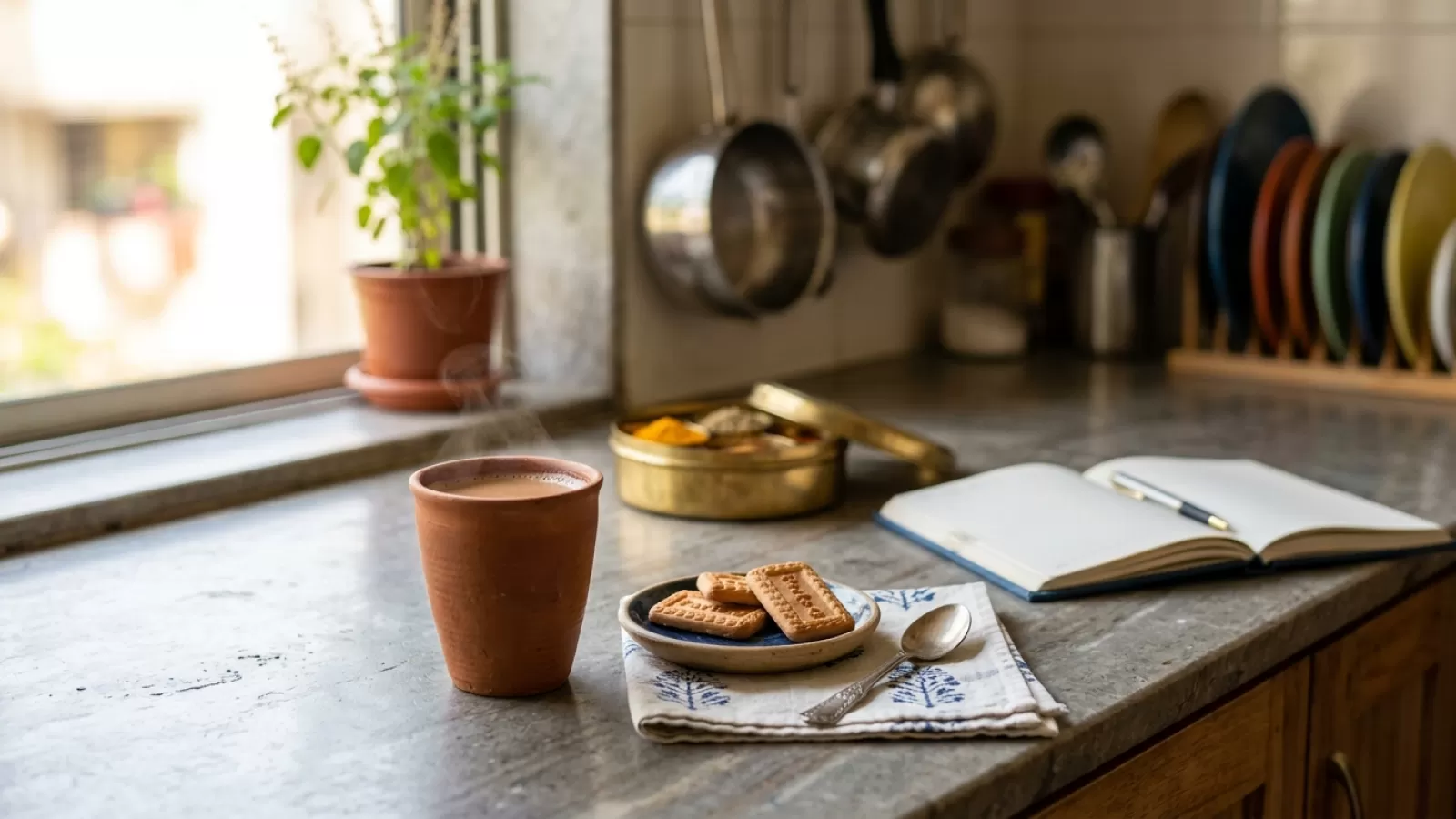
That said, some days you may crave a homemade biscuit or a sweet with your tea. That’s fine in moderation—comfort matters too, especially when it feels like a small treat during a slow afternoon.
Creating a Calming Pause (Even If Brief)
In many homes, a real nap isn’t always possible. Still, it helps to carve out a simple pause, even if it’s just 10 minutes between chores or work calls. The aim isn’t deep sleep—it’s just a chance for your body and mind to reset.
Try sitting by a window, closing your eyes, and letting your shoulders relax. You don’t need to meditate, but if you like, gentle music or the sound of a fan can help quiet racing thoughts. Some families keep a small corner with a floor cushion or even just a folded bedsheet for this purpose.
If you’re caring for elders or children, inviting them to sit quietly with you often helps everyone settle down. No pressure to talk or do anything—just a few minutes of shared calm.
Gentle Movement for Renewed Energy
It’s tempting to stay glued to a chair or sofa after lunch, especially if you’re feeling sleepy. But a little movement—nothing strenuous—can help clear away that heavy feeling without making you sweat.
Some practical ideas that work in small spaces:
- A slow walk around the house or balcony, perhaps watering plants or arranging cushions.
- Basic stretches for your arms, neck, and back. Even a few shoulder rolls or toe touches can loosen things up.
- If you’re up for it, simple household chores like folding clothes or tidying up a shelf count as gentle movement too.
The tricky part is starting—especially when you’re tired. But often, once you begin, your body thanks you with a little more energy to finish the day’s tasks.
Hydration and the Art of Slow Sipping
In the Indian summer, or even on a humid afternoon, it’s easy to forget about drinking water until you feel thirsty. But regular sips can make a surprising difference to comfort and focus. Many older adults and busy professionals tend to ignore this, then wonder why they feel tired or foggy.
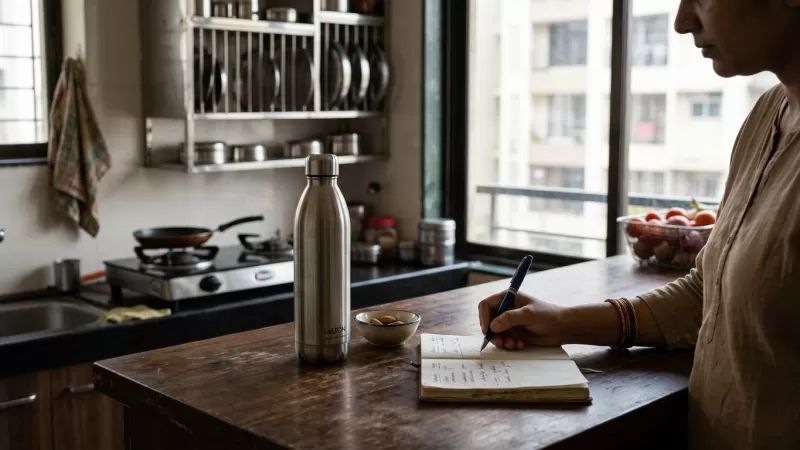
Keep a glass or bottle nearby—many keep it on the dining table, kitchen counter, or work desk. If plain water feels boring, try adding a slice of lemon, a few mint leaves, or a dash of jeera powder for variety.
Small sips are gentler on the stomach than gulping down a full glass at once, especially after a meal. And if you’re having chai or coffee, balance it out with an extra glass of water, since caffeine can dry you out a bit.
Screen Breaks and Resting Your Eyes
These days, screens are everywhere—phones, laptops, TV, even for children’s classes or elders’ news updates. After lunch, the eyes can feel particularly tired, especially if you’ve been staring at a screen for hours.
Try this simple habit: every 20–30 minutes, look away from your screen and gaze out the window or at something far away for a few seconds. It’s a small act, but it gives your eyes a needed rest and can help prevent headaches or that heavy, burning feeling.
If possible, dim the lights slightly or close the curtains for a few minutes during your break. It’s not always easy to remember, especially with distractions, but it does add up over time.
Gentle Mind Habits: Letting Go of Afternoon Guilt
There’s a quiet pressure in many homes to stay busy all day. Taking a break after lunch can feel like you’re being lazy, especially if others around you seem active. But the truth is, our minds also need gentle pacing—especially in the middle of busy routines.
If you find yourself worrying about unfinished tasks or feeling anxious about the evening rush, try making a small list of what truly needs to be done today, and what can wait. Sometimes, simply writing things down gives your mind permission to rest a little.
Many people find it helpful to do a short gratitude check in the afternoon—just thinking of one or two things going well, no matter how small. Over time, these mind habits can make the afternoon feel less like a struggle and more like a time of quiet support for yourself.
Adapting Habits to Your Household Rhythm
Every family’s schedule is different. In some homes, afternoons are busy with children’s classes or elders’ needs; in others, it may be the only quiet stretch of the day. The idea isn’t to force a new routine, but to notice what your body and household actually need, and adjust gently.
Maybe you take your tea break a little earlier, or you set aside a small tray with light snacks for anyone who gets peckish. Or perhaps you encourage family members to join you for a five-minute pause—even if it’s just sitting together quietly or enjoying music.
And if an afternoon doesn’t go as planned, that’s fine too. Some days, it’s enough to simply slow down your pace and breathe a little deeper when you can.
Afternoons ask for gentleness—from what you eat, to how you move, to how you treat your own mind. While every home and person is different, these simple habits can help your body recover quietly, making the rest of the day feel a little more manageable and comforting.