Some days, when the sun goes down and the house quiets a little, your body still feels heavy. You’ve finished your work—maybe you cooked dinner, helped the kids with homework, or wrapped up office calls at your desk—but even as you sit down, that tiredness just won’t let go. In many Indian homes, this is a familiar feeling, especially in summer when the heat drags on, or during festival seasons when routines get stretched. Instead of pushing yourself to "power through," it often helps to slow down with small, caring habits that let your mind and body unwind naturally, right in your own space.
Noticing the Lingering Tiredness
First, it’s good to just notice how your tiredness feels. In Indian families, evenings can stay busy even after work technically ends—there’s dinner to finish, school bags to pack, maybe a phone call from a relative. Sometimes, you might feel a dull ache in your legs, or a mental fog that makes simple decisions oddly hard. This tiredness is different from being sleepy; it’s more like your energy is stretched thin.
It’s not always dramatic. You may just find yourself sitting on the sofa, not wanting to get up to switch off the kitchen light, or scrolling your phone without really taking in anything. Many families quietly deal with this, especially those with young children or elderly parents at home.
The tricky part is, if you ignore this feeling and keep pushing, it tends to build up over the week. That’s when simple evening habits can make a difference—not by fixing everything, but by making space for your body to catch up with your mind.
Gentle Pacing: Slowing Down, Not Stopping
It’s tempting to keep going until every last thing is done, but evenings are often better when you let yourself slow down gradually. You don’t need to drop everything all at once. Instead, you can try a slower pace for the last hour before bed, even if it’s just in small ways.
- Dim the lights in your main rooms; soft lighting helps signal to your body that it’s time to wind down.
- Put your phone on silent or away from arm’s reach for a while. This can feel odd at first, but many people find their minds quieten a little without constant notifications.
- Swap out busy tasks for lighter ones—folding clothes, setting up for breakfast, or just chatting with family over chai.
Slowing down isn’t about laziness; it’s about giving your body a gentle message: the hard part of the day is over.
Simple Body Habits: Movement That Feels Kind
When you’re tired, the idea of exercise might sound impossible. That said, certain gentle movements can actually help you feel better, not worse. You don’t have to do a full yoga session or brisk walk. Sometimes, a few minutes of mindful stretching on the floor, or even sitting on your bed, can ease tightness and help your body settle.
- Shoulder rolls, neck circles, and slow forward bends are easy to do in a sari or kurta.
- If you sit a lot during the day, try standing and gently twisting side to side for a minute.
- Some people like to lie down with their legs up against the wall for a few minutes—it sounds odd, but it can feel surprisingly restful.
The key is to listen to your own comfort. If a movement feels good, linger with it. If it feels like too much, just rest. No need to push.
Evening Foods That Soothe, Not Overload
Late dinners are common in many Indian households, especially when family members come home at different times. On tired evenings, heavy or spicy meals can make it harder to relax. You’ve probably noticed that a big, oily meal at 10 p.m. can leave you feeling uncomfortable through the night.
Gentle opinion? Lighter meals—like dal and rice with a simple sabzi, or a bowl of curd with khichdi—tend to help the body unwind. Even a glass of warm milk with a pinch of turmeric is a familiar, soothing option for many.
- Try to eat at least an hour before lying down, if possible.
- If late dinners can’t be avoided, keep portions moderate and avoid too many fried or rich items.
- For dessert, a small piece of jaggery or fruit often feels satisfying without making you heavy.
Of course, every family’s tastes and routines are different, but gentle, familiar foods usually help more than complicated ones.
Creating Calming Spaces at Home
Most Indian homes don’t have dedicated relaxation corners, but small changes in your main rooms can make them feel more peaceful at night. You don’t need fancy décor or new furniture. Sometimes, just tidying up a bit, spreading a clean bedsheet, or lighting a mild incense stick can shift the evening mood.
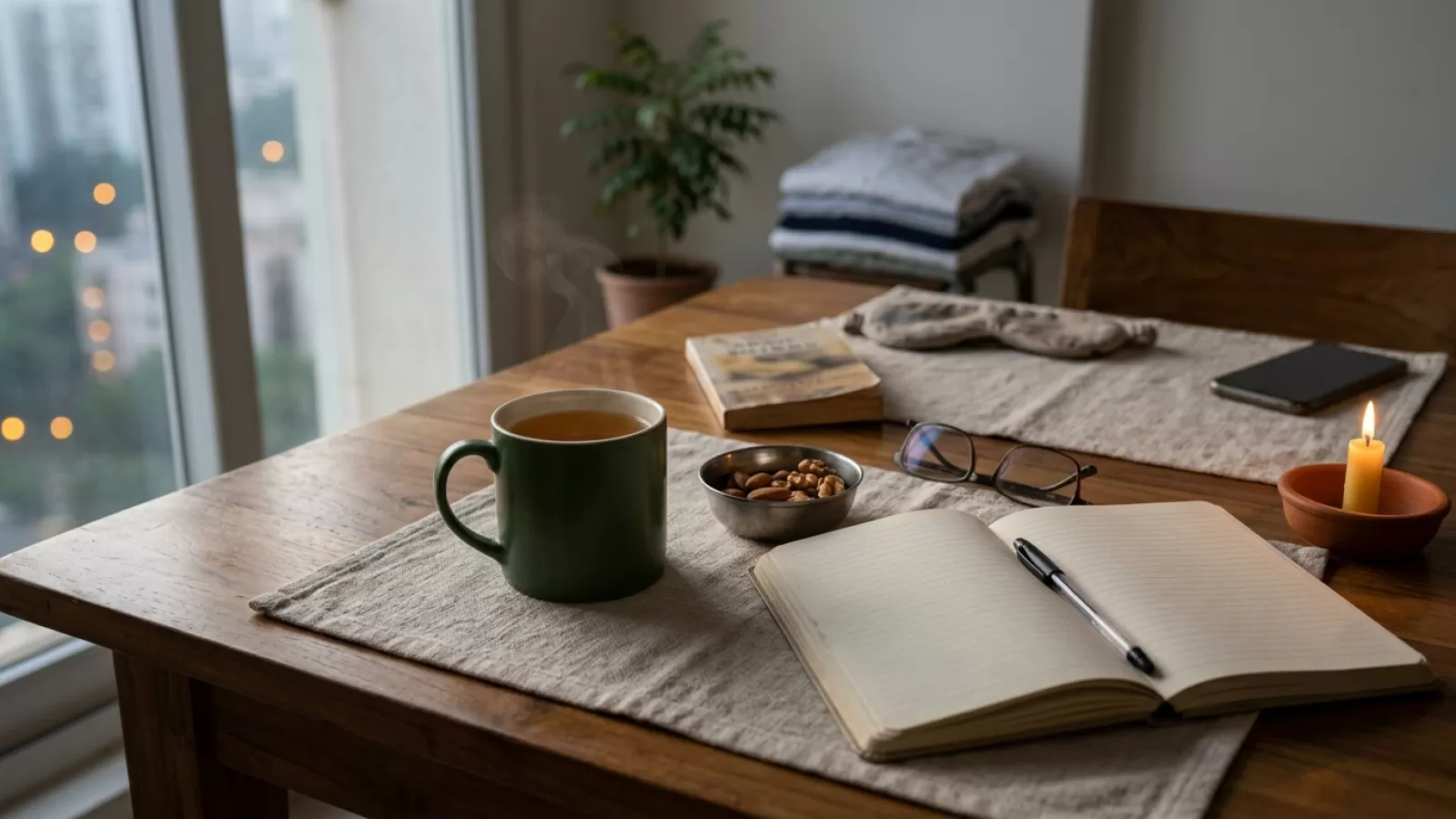
- Switch off harsh tube lights and use lamps or night lights instead.
- Open a window for a few minutes, especially during summer, to let in some fresh air.
- If you like, play soft music or bhajans at low volume while you finish up small chores.
These small touches don’t solve every problem, but they can make your space feel like a safe place to rest, especially on difficult days.
Unwinding the Mind: Letting Go of Mental Lists
It’s common to carry mental lists into the night—tomorrow’s groceries, bills to pay, pending WhatsApp replies. These thoughts keep your mind buzzing even when your body is begging for rest. Here’s the catch: fighting these thoughts often makes them louder.
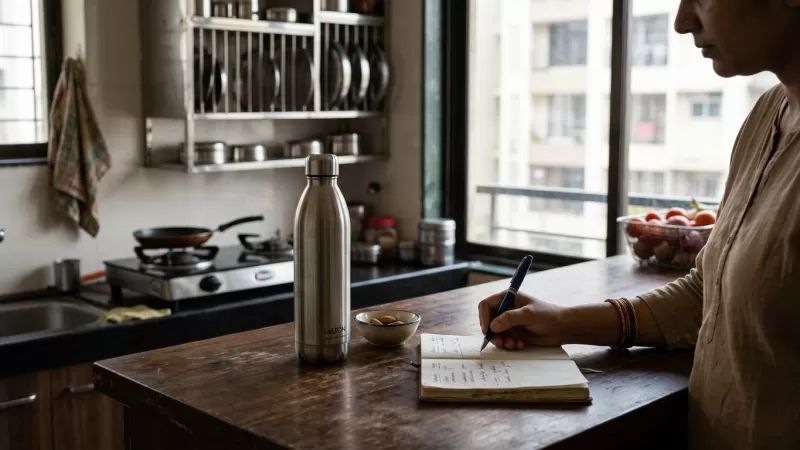
Many people find it helpful to jot down tomorrow’s urgent tasks in a small notebook, even if it’s just a few words. Once it’s on paper, it’s easier to let go for the night.
Another gentle habit is to give yourself permission not to finish every single thing. That’s not always easy, especially if you’re used to being the one who keeps the household running smoothly. But most things can wait till morning. Truly.
Family Rituals for Quiet Connection
Even in busy households, small rituals can signal that the day is winding down. In many Indian families, this might be gathering for evening prayer, sharing a short news update, or sitting together for five minutes after dinner without screens.
These rituals don’t have to be perfect or long. Even a shared laugh over silly TV ads, or a quick check-in with each family member, can help everyone feel more settled before bed.
- Some families light a diya or incense at the end of the day. The smell and the act itself can be grounding.
- Others might share a quick gratitude—one good thing from the day—before saying goodnight.
- If you live alone, a phone call with a friend or simply pausing to reflect can have a similar effect.
It’s less about what you do and more about the feeling of drawing a gentle line under the day.
Being Kind to Yourself About Fatigue
Finally, a gentle reminder: it’s normal to feel tired in the evenings, especially with the way daily life runs these days. Between work, family, and the constant noise of news and phones, most people have evenings when their energy feels stuck.
There’s no need to feel guilty about resting, or to compare yourself to others who seem endlessly energetic. You’re not alone in this. Most families quietly adjust their habits, sometimes without even realizing it, to suit their own rhythms and needs.
If all you can manage on a given evening is a quiet meal, a few minutes with your feet up, and lights off at a decent hour, that’s perfectly fine. Wellness at home isn’t about doing more; it’s about finding a pace that feels kind to you, especially on the tired days.