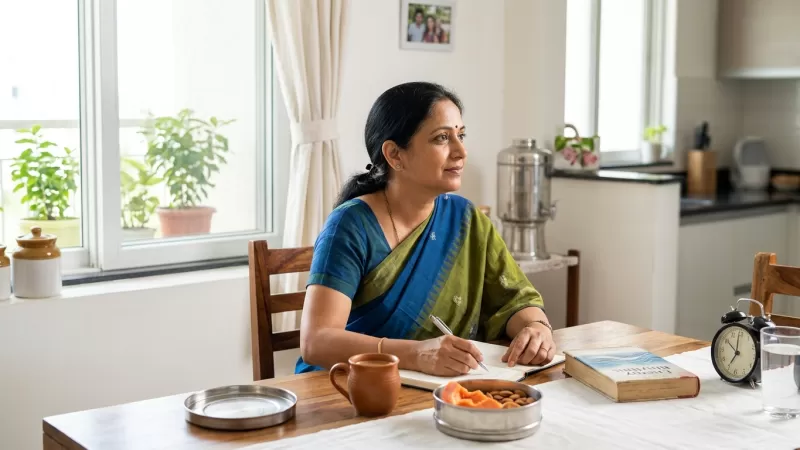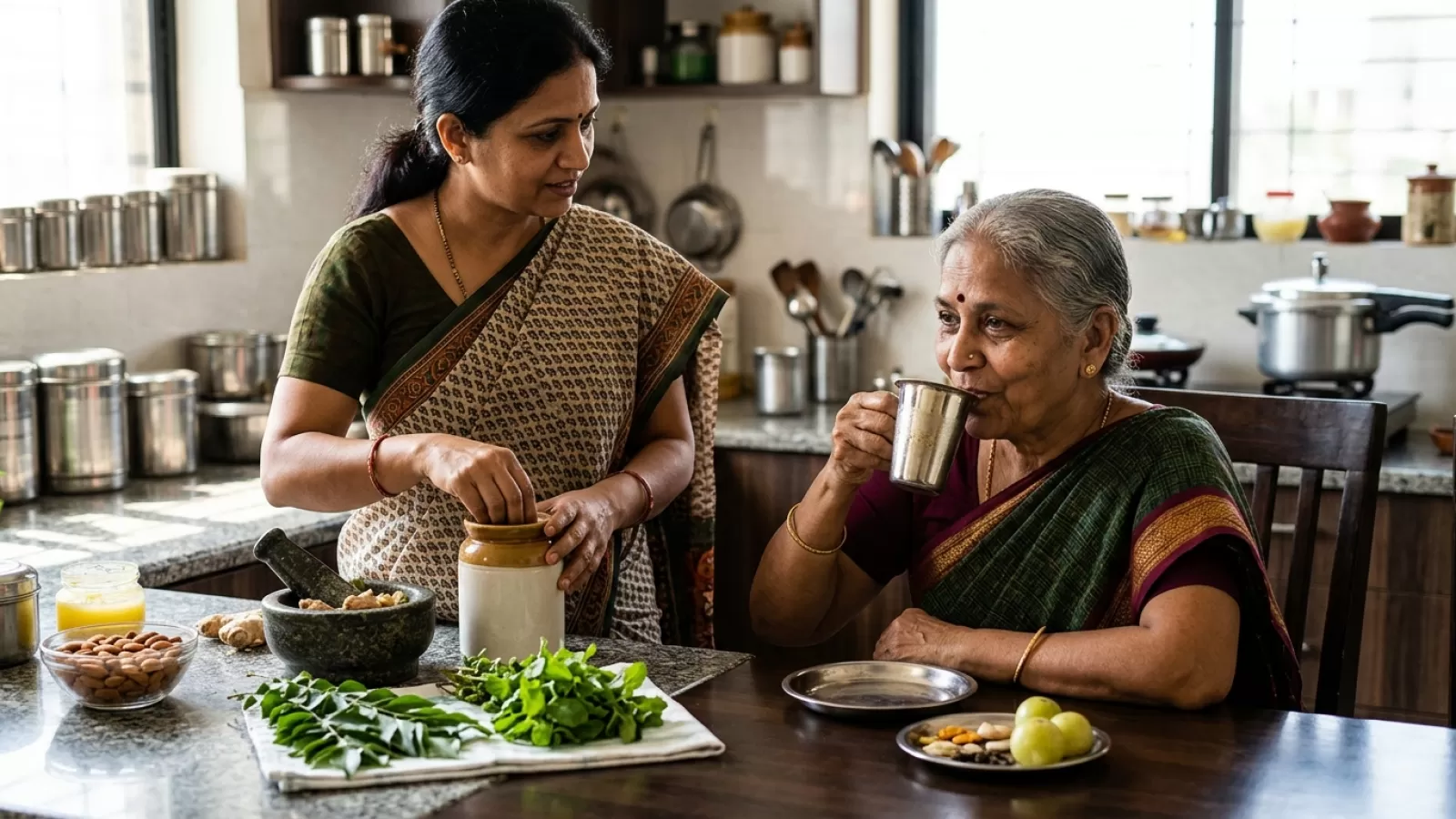
The whirring of ceiling fans, a sudden cool breeze through the window, and the sticky feeling that creeps in as the weather swings — these are signals many Indian adults have learned to read. Wellness habits during weather changes in India aren't new ideas; they are woven into the way you make chai a bit stronger before the first October chill, or how a pot of steaming rasam appears as soon as the monsoon clouds gather.
Most Indian households, whether in a high-rise in Pune or a ground-floor flat in Kolkata, quietly adjust their routines during Indian seasonal health transitions. You might not even notice it, but the dahi is left untouched on extra-humid days, or ginger finds its way into the evening chai when noses start to tingle. These small shifts — and the comfort foods that come with them — are usually your first line of defense against the sneaky fatigue and sore throats that follow season change wellness in India.
What Makes Seasonal Shifts So Tricky in Indian Homes
In many Indian homes, the start of the monsoon or the drop in temperature after Diwali brings a mix of relief and worry. The weather rarely changes quietly; it tends to arrive all at once, and your body often feels the shock before your mind catches up. Mornings can start off muggy and end with a chill that creeps in by bedtime. For adults juggling work, family, and home chores, these swings can leave you feeling a bit off — tired, sniffly, or just not yourself.
Most people in India don't have the luxury to pause life until the weather settles. You still need to get the kids ready, finish office calls, and chop sabzi for dinner. Managing health during Indian weather shifts is less about avoiding all illness and more about building small, steady habits that help your body cope. So, while it might seem like the sore throat or body ache always comes with the first rain or the cool December wind, the rhythms of the Indian kitchen and household routines are quietly set up to manage just these moments.
There's also a shared wisdom passed down — the idea that dal should be thinner in summer, sabzi cooked with extra ginger during the rains, and haldi-doodh made before bed in winter. These adjustments aren’t grand gestures. They are gentle, ongoing responses to what the season brings.
Why Indian Bodies React Strongly to Weather Transitions
Ask any group of Indian adults, and you’ll hear familiar complaints: a scratchy throat the week after the monsoon starts, stubborn coughs in January, or a tiredness that settles in during the first real summer heat. The tricky part is, Indian weather changes aren’t just about temperature; humidity, air quality, and allergens all shift together. Clothes go from light cotton to heavier layers, but the body sometimes lags behind.
Nutritionists who consult families often find that food routines in Indian homes are deeply tied to the seasons, but modern jobs and city living can disrupt these age-old patterns. Long commutes, late dinners, and air-conditioned spaces mean you’re sometimes eating and living in ways that don’t match the weather outside. It’s not just about catching a chill; it’s about the immune system, digestion, and energy levels having to adjust quickly — sometimes faster than they can manage.
There’s also the load of daily stress. The pressure to keep up with work deadlines, manage household budgets, or care for elders means you may ignore minor aches or sniffles, only to find yourself run-down when the weather turns sharply. That said, these patterns are not a failure of willpower. They’re a sign that season change wellness in India must work with your routine, not against it.
Everyday Signs the Season Is Changing — And Your Body Feels It
- Sore Throat or Sneezing: That familiar tickle in your throat, or sneezing fits that always seem to arrive with the first gusts of dusty wind or dampness.
- Sudden Fatigue: You might find yourself reaching for a nap, or feeling unusually tired after small tasks — even if you slept well.
- Digestive Upsets: Loose motions, mild acidity, or a sense of heaviness after meals often show up as the weather swings. This is especially common when hot, humid days turn to cool, wet evenings.
- Body Aches or Mild Fever: Not quite sick, but not entirely well either. Joints may ache more, or you may feel chilly even when the room is warm.
- Changes in Appetite: Many people notice they crave lighter or warmer foods, or lose interest in their usual meals during Indian seasonal health transitions.
These signs don’t always mean you’re ill. More often, they are your body’s way of asking for a slower pace or a small shift in routine as the season changes.
Small Wellness Habits That Help During Indian Weather Shifts
- Warm, Light Meals: When the weather swings, khichdi, thin dal, and lightly spiced sabzi are easy on digestion and comforting. Many families in Indian cities have quietly discovered that cutting down on heavy, oily foods during season change wellness in India can reduce that sluggish, fatigued feeling.
- Chai with Ginger or Tulsi: Adding ginger or tulsi to your morning or evening chai is an old habit that supports the throat and helps manage chills. It’s not a cure, but tends to soothe mild irritation.
- Ventilating the House: On dry January mornings or after the rain, opening windows for a bit helps clear out dampness and musty air. Just a few minutes often makes a difference — especially in joint families where closed spaces can feel stuffy.
- Keeping Feet Warm: Many Indian adults quietly reach for socks or wrap a shawl during sudden cool spells, even inside the house. It’s a simple step, but tends to prevent that creeping chill that can turn into a cold.
- Adjusting Bath Timing: During season change, shifting your bath to a warmer part of the day — or using slightly warmer water — helps your body transition more gently. This is especially useful for elders or those with joint pain.
Some people also keep a small box of roasted makhana or murmura handy for light snacking if appetite dips. The point isn’t to overhaul your routine, but to bring back habits that Indian kitchens have relied on for decades.
How Weather Transitions Shape Everyday Moments in Indian Life
A kitchen in Nagpur at 6am during the first week of July smells of wet earth and ajwain roasting in oil. On mornings like these, breakfast shifts from chilled dahi and fruit to warm poha with peanuts and a side of ginger tea. The family moves a little slower; the youngest complains of a sore throat, while the eldest brings out a light shawl for her shoulders. The daily WhatsApp group is full of messages about someone’s cold or someone else’s joint pain flaring up.
In many homes, laundry is brought in early to avoid the sudden rain, and power cuts mean ceiling fans stop just as the humidity rises. The rhythm of the house changes — windows opened wider during the day, doors shut early in the evening to keep out the damp. These everyday patterns are not always spoken about, but they are a gentle, collective way of managing health during Indian weather shifts.
When It’s Time to Seek Help
Most seasonal sniffles or fatigue pass in a few days with old family habits and rest. But if symptoms linger for more than a week, fever spikes, or if you feel unusually weak, it’s wise to check with a doctor. For those with chronic conditions like asthma, arthritis, or diabetes, any change in symptoms during Indian seasonal health transitions deserves a bit more attention. No need to wait until things get severe. Sometimes, just a quick call to your family doctor is enough for peace of mind.
Common Questions
Seasonal transitions can leave you with the same nagging questions year after year. If you’re wondering why your body reacts the way it does, or which habits actually help during these shifts, you’re not alone. Here are some answers grounded in familiar Indian routines and foods.
Why do so many Indian adults get sick or feel run-down at the same seasonal transitions every year?
In most Indian homes, weather changes happen quickly and bring shifts in humidity, dust, and temperature all at once. Many people keep up their usual pace — early work calls, late dinners, and busy weekends — without adjusting their routines. This can leave the immune system a bit overwhelmed, especially when combined with outside allergens or indoor dampness. The body often reacts with mild symptoms, like fatigue or a sore throat, as it tries to adapt. These are common signs that your routine might need a few seasonal tweaks.
What are the most effective Indian wellness habits for supporting the body during weather changes?
Many Indian families have found that small, steady habits make the biggest difference. Eating lighter meals (like dal-rice or khichdi), including ginger or tulsi in chai, and keeping the home ventilated all help your body adjust. Wrapping up earlier in the evening, adjusting bath timing, and avoiding heavy, fried foods for a few days can also ease the transition. These habits work best when they become part of your regular seasonal rhythm, not just a one-time fix.
Which Indian foods traditionally eaten during seasonal transitions actually have biological support for their benefits?
Some foods often eaten during season change wellness in India do have science on their side. Ginger, tulsi, and turmeric found in many Indian homes contain natural compounds that may support the immune system and soothe mild inflammation. Warm foods like khichdi or rasam are gentle on digestion, especially when appetite is low. While these foods are not cures, they tend to help the body manage minor symptoms linked with Indian seasonal health transitions.
How do you prepare the body for the Indian summer-to-monsoon transition rather than just managing the illness after it arrives?
During late summer, many households start to adjust meals — moving from dry, fried snacks to lighter, steamed foods. Using more ginger, ajwain, or black pepper in cooking can help the body handle increased dampness and humidity. Keeping windows open when possible reduces indoor mustiness. Once the first rains arrive, switching from cold drinks to warm teas and soups gives your body an easier transition, rather than waiting for a cold or cough to strike.
What is the single most important wellness habit for Indian adults during the most challenging seasonal transition of the year?
If you had to choose one, it’s usually the habit of listening to your body’s appetite and shifting to lighter, warmer meals as soon as the weather turns. Whether it’s a bowl of dal and rice, or simple sabzi with roti, making your food easier to digest helps the body focus on adapting to the new season. In many homes, this small step is what keeps minor symptoms from turning into bigger illnesses during Indian seasonal health transitions.