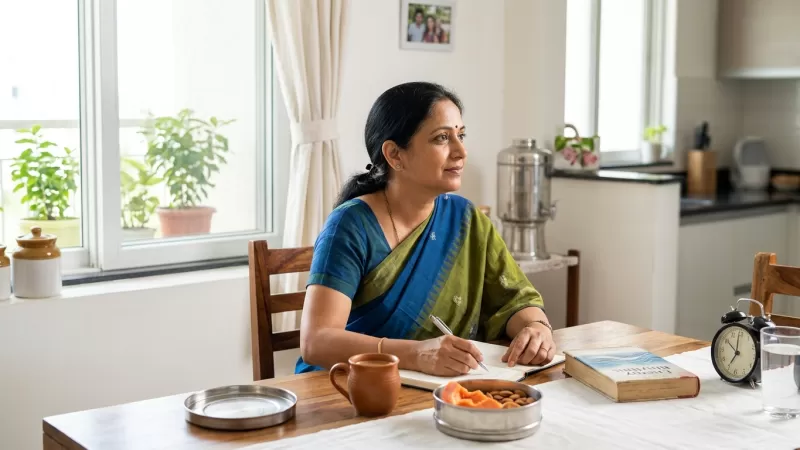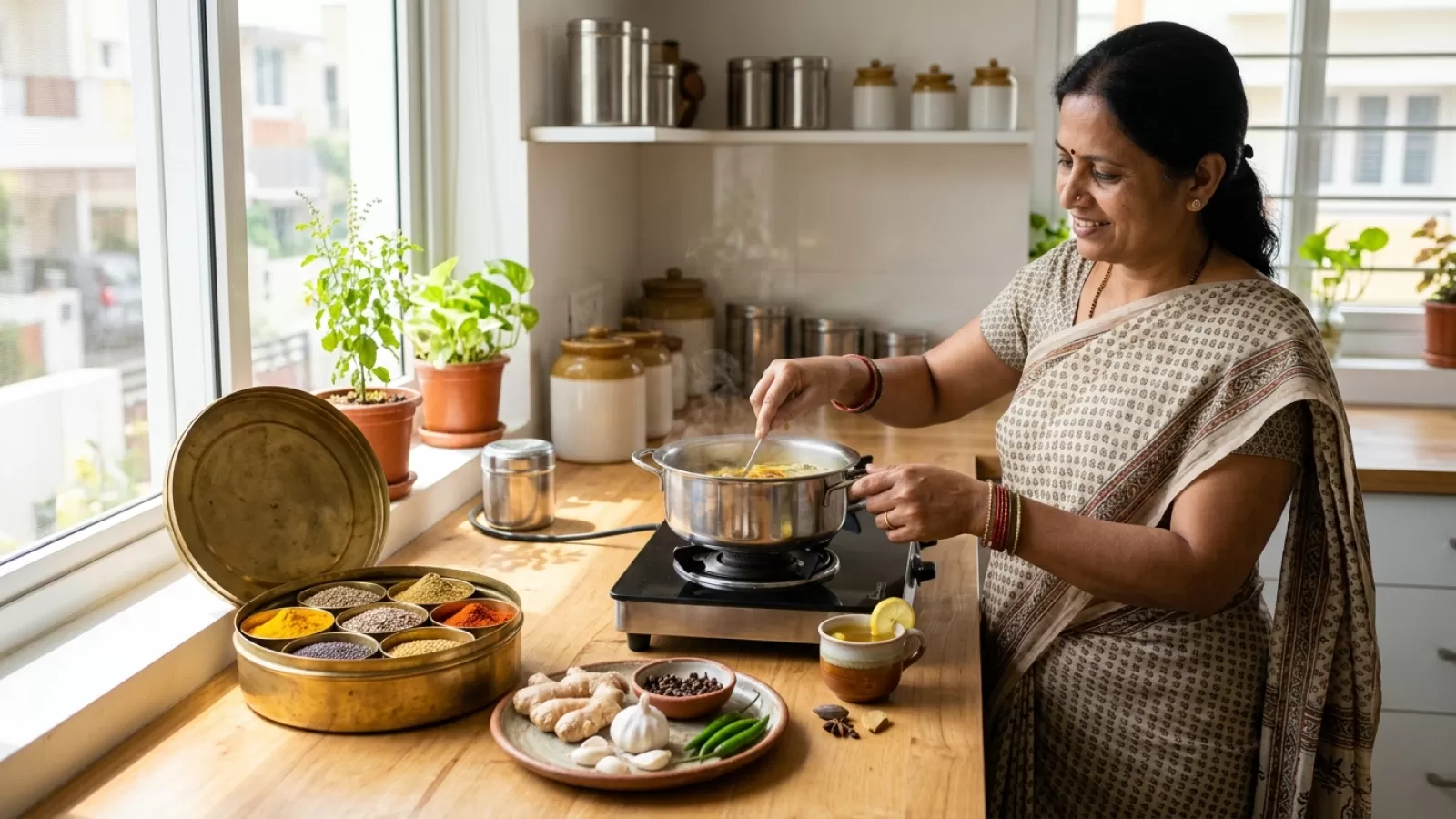
In many Indian homes, haldi goes into dal, sabzi, even a quick tadka for leftover rice — rarely as a conscious “health booster,” but because it’s the way things have always been done. Indian kitchen spices for immunity have a quiet, steady place in almost every meal, woven into the daily patterns of cooking and family tradition.
These familiar spices — haldi, jeera, ginger, and more — aren’t just for taste or colour. Generations have believed in their power to keep the body strong against changing seasons, dusty air, and everyday stress. The tricky part is, most people use them out of habit, not always knowing what each one does, but trusting that these small acts add up over time.
Why Every Indian Kitchen Has Spices That Do More Than Flavour
Whether you wake up to the aroma of adrak chai or end your evening with a pinch of ajwain in your roti dough, spices are everywhere in Indian homes. Families rarely discuss “immunity” at the dining table, but the kitchen itself often becomes a quiet pharmacy. For many elders, sprinkling haldi for immunity in India is not a conscious wellness strategy — it’s a habit passed down through everyday meals.
This pattern is especially strong in joint families, where grandmothers and mothers keep a mental list of which spice is added for taste and which for “settling the stomach” or “keeping the throat clear.” Even working professionals who rush through breakfast usually get some daily spices immunity support in India from a quick jeera-tempered poha or an evening masala chai.
There’s also the practical side. With the constant demands of work, studies, and household chores, many families prefer things that fit into regular routines. Spices are easy to add, work well with most Indian foods, and don’t require much planning or expense. That’s why, even as health trends come and go, the jar of haldi always sits near the stove, waiting for its daily pinch.
How Small Spice Habits Became Part of Everyday Cooking
Most people didn’t suddenly start using haldi for immunity because they read it in an article. Instead, the habit grew over generations, shaped by what worked during flu season, what helped with digestion, and what “felt right” during monsoon or winter. There’s a comfort in following what elders did — sprinkling jeera in tadka, adding ginger to morning chai, tossing pepper into rasam.
Nutritionists working with Indian families often find that the strongest immunity habits come from these quiet routines, not from drastic changes or expensive products. For example, making jeera ginger immunity Indian cooking a daily ritual — whether in sabzi, dal, or chai — helps the body consistently fight off minor infections and keeps digestion strong.
Part of the reason is trust. Many adults only start noticing the connection when they skip their usual masala for a few days and feel a little “off.” Or they remember their grandmother’s insistence on jeera water after heavy meals, realizing years later that it really does settle the stomach and reduce bloating. The habit sticks not because of hard science at first, but because life feels easier with it.
Everyday Signs That Spices Are Supporting Your Immunity
- Less frequent sniffles and sore throats. In many homes, those who regularly eat dishes spiced with haldi, ginger, or black pepper tend to bounce back faster from minor colds or avoid them altogether.
- Smoother digestion after rich or heavy meals. A little jeera or ajwain often means fewer complaints of gas or stomach ache, especially after festive foods or late-night dinners.
- Steady energy levels through the day. Some people notice they feel less sluggish when their meals include warming spices like ginger or a dash of cinnamon in their chai — especially during winter.
- Fewer skin flare-ups. Haldi and coriander, used daily, can sometimes mean calmer skin during the humid months, though this varies from person to person.
- Quick recovery from seasonal bugs. Many families quietly credit their quick bounce-back from coughs or fevers to the “regular masala” in their food, even if they can’t name which spice did what.
Simple Ways to Get Immunity Support from Daily Spices
- Add a pinch of haldi to most cooked dishes. Sambar, dal, sabzi, even khichdi — a little haldi for immunity India style is enough. Raw haldi is sometimes grated into milk, but the cooked form is easier for most families and still helpful.
- Start mornings with jeera water or adrak chai. Boiling a teaspoon of jeera or fresh ginger in water is a habit in many Indian homes. It’s not a miracle cure, but over weeks, people often notice lighter stomachs and better resistance to bugs.
- Temper dals and vegetables with a mix of spices. Most tadkas use jeera, hing, haldi, and sometimes black pepper. This classic combo covers a lot of ground for daily spices immunity support India needs — helping both taste and wellbeing.
- Include seasonal spice mixes. During monsoon, many families turn to “kaadha” — a boiled mix of tulsi, ginger, black pepper, and cinnamon. It’s usually sipped slowly, especially when coughs are going around or when the weather feels damp.
- Use ginger, garlic, and black pepper in chutneys and marinades. These add flavour and a gentle immune nudge. A garlic-ginger chutney with poha, or black pepper in curd rice, is a quiet way to bring these benefits into everyday meals.
A Kitchen in Nagpur at 6am: Spices at Work Before the Day Begins
The fan hums softly overhead. There’s the sharp, sweet scent of ginger being pounded on a stone slab. A kettle whistles and the first tadka sizzles: jeera, a pinch of haldi, and a single clove thrown into hot oil. The kitchen is still dark, except for the yellow glow of the stove.
In this quiet hour, daily spices immunity support India traditions are alive. A grandmother pours hot jeera water, not as a special “health drink,” but as a habit she’s kept for decades. Children’s tiffin boxes are filled with rotis brushed with ghee and sprinkled with haldi. It’s not a ritual anyone talks about — it’s just the way things are done, every single morning, in thousands of Indian homes.
Later, as everyone rushes out the door, the kitchen settles back into silence. But the work is done. The spices have found their way into breakfast, lunch, and even the chai that waits for the evening. Immunity, here, isn’t a big promise. It’s a quiet, daily act.
When Spices Alone Aren’t Enough for Immunity
While most Indian kitchen spices for immunity do offer genuine support, sometimes they aren’t enough — especially if you’re falling sick often or have a chronic condition. If you notice that even with regular use of haldi, jeera, ginger, and the usual home remedies, your immunity feels low or you’re always tired, it’s worth speaking to a doctor.
Spices can help build a stronger foundation, but they aren’t a replacement for medical care when it’s really needed. Trust your instincts and don’t hesitate to get professional advice if something feels off.
Common Questions
There’s always a little curiosity in Indian kitchens — do these old spice habits really make a difference? Many families wonder if they’re using the right spices, in the right way, for the best immunity support. Here are some answers to questions that come up often in Indian households.
Which Indian kitchen spices have the most scientifically supported immunity benefits when used in everyday cooking?
Many studies show that haldi (turmeric), jeera (cumin), ginger, garlic, and black pepper have compounds that help reduce inflammation and support the immune system. When used daily in Indian cooking, these spices can help the body fight off minor infections and keep digestion running smoothly. For example, jeera ginger immunity Indian cooking is supported by research showing both spices have positive effects on gut health and the body’s natural defences. Using a mix of these spices in everyday tadkas or chai is a simple, effective way to get their benefits.
How much haldi or ginger needs to be consumed daily for it to have a genuine effect on immunity?
You don’t need large amounts. In many Indian households, just half a teaspoon of haldi added to cooked dishes like dal or sabzi, or a small piece of ginger in morning chai, is enough for day-to-day support. The body absorbs these spices better with a little fat, like ghee or oil. If you’re unsure or have health conditions, it’s always best to check with your doctor before making big changes, but most traditional amounts used in home cooking are considered safe and helpful for immunity.
Are the immunity benefits of Indian spices reduced by cooking or are they preserved in cooked food?
Some compounds in spices can be sensitive to high heat, but most Indian kitchen spices for immunity are added during cooking in ways that preserve their benefits. For example, haldi is often added after the oil is hot but before the vegetables, allowing its curcumin to mix with fat and stay active. Ginger and garlic are usually sautéed gently, which keeps most of their helpful properties. In daily spices immunity support India-style, the way families use spices naturally balances flavour and health, so most benefits are kept in regular cooked meals.
How do Indian families ensure they are getting the benefit of spices consistently rather than only during illness?
Consistency is built into Indian cooking habits. Most families use haldi, jeera, and ginger in their daily tadkas, chai, or even snacks like poha and upma. Instead of waiting for someone to fall sick, these spices go into food as a matter of routine. Grandparents often remind younger members to “add a little extra haldi if it’s raining,” but the core habit remains the same every day. This steady use is what helps build up gentle, long-term immunity support instead of relying on sudden changes during illness.
What is the most effective daily Indian kitchen spice combination for general immunity support?
There’s no single “magic mix,” but a tadka of jeera, haldi, and black pepper is used in most Indian households and covers a lot of ground. Adding ginger to chai or sabzi, and garlic to dals or curries, boosts the effect. Many families find that using these five — haldi, jeera, ginger, garlic, and black pepper — in various combinations throughout the day is the simplest way to get broad immunity support. It’s less about one special recipe and more about steady, everyday use.