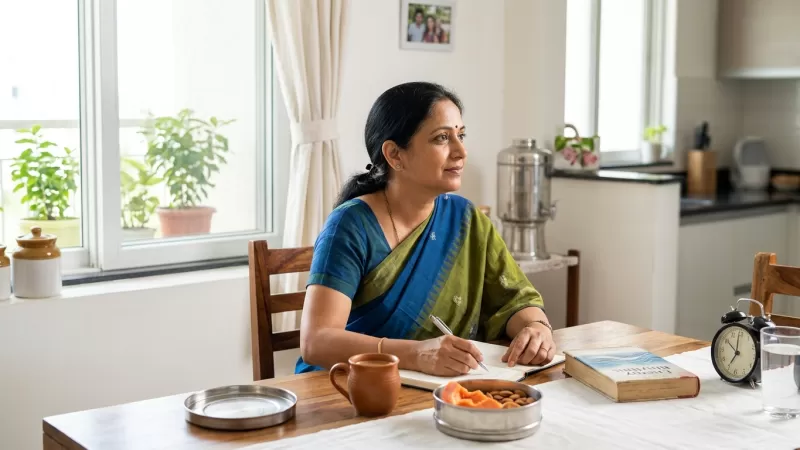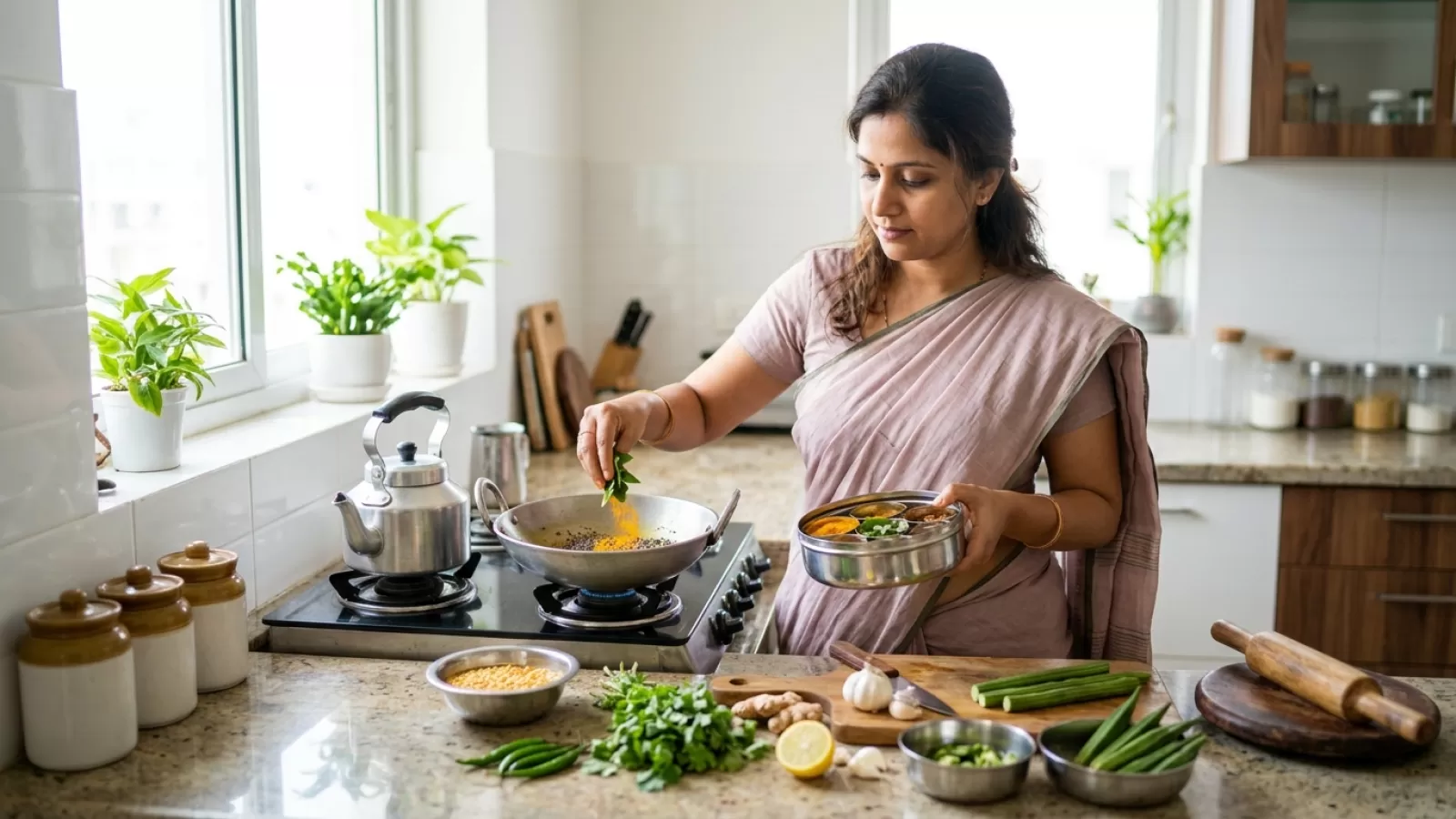
Even before anyone called it "immunity," most Indian kitchens were quietly building it every day. A pinch of haldi in the dal, the sourness of dahi on a hot afternoon, or the way ginger and jeera find their way into sabzi—these Indian kitchen habits for immunity don’t feel like big interventions. They’re just part of the rhythm, woven in by habit, not hype.
In many Indian homes, you’ll see these little moments: a mother stirring haldi into milk at night because her mother did; a senior insisting on lemon in their morning chai “for the throat,” or the quick, instinctive way seasonal vegetables become the sabzi of the week. The strongest natural immunity support Indian kitchen provides rarely feels special—it’s built into daily life, almost unnoticed.
Why Everyday Indian Kitchens Quietly Build Immunity
Most Indian kitchens aren’t built around chasing the latest “immunity booster.” Instead, natural immunity support in Indian kitchens happens through routines that have settled in over generations. From the way dal is tempered with haldi, to the habit of ending lunch with a spoonful of dahi, there’s an underlying wisdom—even if nobody is talking about “antioxidants” or “probiotics.”
These days, especially with everyone juggling long work hours, online classes, and family needs, it’s easy to forget that immunity isn’t something you add in—it’s something you keep up through consistency. The tricky part is, most families only notice these habits when someone falls sick and the ritual of ginger, tulsi, and honey is pulled out. But in reality, the most reliable daily immunity Indian cooking habits are the ones that just happen, rain or shine—like eating seasonal sabzi or soaking dal the night before so it’s easy to digest.
Many families have quietly discovered that their kitchen’s routines—soaking, fermenting, grinding fresh masala—do more for natural immunity than any single ingredient ever could. The catch is, these routines only work when they’re regular, not occasional.
Why These Habits Take Root in Indian Homes
There’s a reason Indian kitchen habits for immunity are so deeply rooted. Food is never just fuel in Indian homes. It’s comfort, it’s culture, it’s the way one generation looks after the next. Most kitchens, whether urban or semi-urban, keep to a basic rhythm: dal, roti, sabzi, dahi, something warm in winter, something cooling in summer.
Nutritionists who work with Indian families often find that the strongest natural immunity support Indian kitchen provides comes from these long-standing routines, not sudden changes. The idea is not to chase the newest trend, but to trust what has worked—like using spices that help digestion, or fermenting dahi fresh every other day.
Some habits have survived because they’re practical. Soaking grains overnight during summer, using jeera and ajwain for lighter digestion in monsoon, or making sure there’s always a bowl of curd on the table during peak heat—all these are shaped by season, taste, and what’s available. Even when busy workdays threaten these patterns, there’s usually a senior family member gently reminding everyone about “old ways.”
On weekends, when there’s a little more time, you might see pickling or grinding masalas for the week. These practices aren’t just about taste—they quietly support immunity by preserving nutrients and adding friendly bacteria (in the case of achaar and dahi). The catch is, younger generations often see these as old-fashioned, until they realise how much better their gut feels when they stick to them.
Clues That Everyday Kitchen Habits Are Supporting Immunity
- Meals rarely feel heavy or greasy. When dal, roti, sabzi, and dahi show up regularly, most people notice less bloating and more steady energy throughout the day.
- Seasonal changes happen in the menu. In many homes, you’ll find methi and sarson in winter, lauki and tinda in summer, and extra ginger in chai during the rains. These little shifts are quiet signs the kitchen is in sync with the environment.
- Fermented foods are part of the week. Whether it’s fresh dahi, idli batter, or a bit of homemade achaar, these foods bring in good bacteria that help the gut—and, in turn, natural immunity.
- Old “remedies” show up at the right time. When someone has a cough, the kitchen produces haldi doodh or ajwain water without fuss. It’s not dramatic—it’s just what’s always done.
- The kitchen runs on routines, not rules. Meals may look simple, but the underlying habits—like using whole spices, cooking at home, or sitting down to eat together—mean immunity gets built up over weeks and months, not overnight.
Everyday Steps That Make a Real Difference
- Keep haldi in the daily dal or sabzi. Instead of saving it for “when someone’s unwell,” make haldi a non-negotiable part of the tadka. It’s less about the quantity, more about the consistency.
- Serve fresh dahi with meals, especially in summer. Dahi is more than just a side—it cools the body, helps digestion, and brings in friendly bacteria. When it’s too hot for heavy food, a bowl of dahi with rice or poha feels right.
- Choose seasonal vegetables over imported or out-of-season ones. Many families in Indian cities have quietly switched back to lauki, tinda, kaddu, and bhindi when the weather gets humid. Eating what’s in season usually means the vegetables have travelled less and kept more nutrients.
- Let some foods ferment naturally. Even if it’s just idli batter or a bit of chaas, fermented foods tend to be easier on the stomach and give a gentle boost to daily immunity Indian cooking habits.
- Stick to homemade masalas and tadka when possible. The difference in taste is one thing, but the slow-cooked spices (jeera, hing, ginger, garlic) also release oils and flavors that help digestion and immunity. When time is short, batch-grinding masalas on the weekend can make weekday cooking easier.
How These Habits Play Out in Real Life
A kitchen in Nagpur at 6am, just before the sun turns the tiles warm underfoot. Someone’s already awake, rinsing soaked moong dal for cheela, while the pressure cooker hisses with morning dal. The smell of ginger and ajwain floats up from the tadka. There’s leftover dahi from yesterday, cool and thick, set in an old ceramic pot. In this house, breakfast is light but steady—cheela, dahi, and sometimes a spoon of homemade chutney. It’s not a special “immunity meal.” It’s just what happens, because it always has.
Across the country, similar moments repeat. A senior in Kolkata insists on raw mango chutney when the heat climbs, saying it “keeps the body cool.” In Bengaluru, a working professional commuting from Whitefield grabs a handful of roasted makhana and a cup of chaas before heading out. During the monsoon, kitchens in Mumbai quietly double the ginger in evening chai. These aren’t bold new habits—they’re old ways, holding steady, quietly supporting everyone through the seasons.
When To Ask For Extra Support
Most families rely on the kitchen’s quiet routines to keep everyone steady. That said, if someone is falling ill more often than usual, not recovering well, or if a child or elder seems especially low in energy, it’s a good idea to check with a doctor. Daily kitchen habits do a lot, but sometimes the body needs more help—especially if there’s a chronic health condition, or if someone’s diet has changed drastically.
Common Questions
Many Indian families wonder if their daily kitchen habits really matter for natural immunity, or if more is needed. Let’s look at some of the most common questions, with examples from real homes and kitchens across India.
Which everyday Indian kitchen habits and ingredients most reliably support natural immunity?
In most Indian homes, the daily use of haldi (turmeric) in dal or sabzi, the habit of eating fresh dahi or chaas, and the use of seasonal vegetables are the strongest supports for natural immunity. Slow-cooked curries with ginger, garlic, and jeera, along with regular intake of home-fermented foods like idli or dosa, quietly build up the body’s defences. The key is not which ingredient, but how consistently these kitchen habits are practiced, often without anyone thinking of them as a “remedy.”
Does the way Indian food is cooked — the spices used, the temperature, the time — affect its immunity-supporting properties?
Yes, very much. The way Indian food is cooked—using whole spices, slow roasting, and tempering (tadka)—tends to bring out both flavor and nutrients. For example, slow cooking dal with haldi and ginger helps release their natural compounds. Quick stir-fries with seasonal vegetables keep vitamins intact, while long-simmered stews extract more from spices. Most families discover that these traditional methods are not just about taste—they help with digestion and support daily immunity Indian cooking habits too.
How do Indian families maintain immunity-supporting kitchen habits during the festive season when eating patterns completely change?
Festive seasons in India usually mean richer, heavier foods and more sweets. Many families balance this by keeping some routines in place: serving dahi even with festive meals, adding ginger or ajwain to heavy foods, or starting the day with a lighter breakfast like poha or upma. One practical pattern is to include a simple dal or sabzi along with festive dishes, so the gut isn’t overloaded. Even when sweets and fried snacks are abundant, small daily immunity Indian cooking habits tend to sneak in.
Which traditional Indian kitchen practices for immunity are supported by what we understand about nutrition and which are simply cultural habits?
Practices like fermenting dahi and batter, using haldi and ginger in daily cooking, and eating seasonal vegetables are all supported by basic nutrition science—they help digestion, provide antioxidants, and support gut health. Some habits, like drinking warm water with ajwain or insisting on a particular chutney for “cooling,” are more cultural, but don’t usually do any harm. The strongest natural immunity support Indian kitchen provides comes from habits that combine taste, tradition, and practicality.
What is the single most impactful daily Indian kitchen habit for building immunity over time?
If you had to pick one, it would be making sure that meals include seasonal vegetables and a bit of dahi or other fermented food every day. This habit supports digestion, balances the gut, and works quietly in the background, no matter what else is happening. Many families find that even when everything else gets hectic, keeping this small routine makes a difference for everyone’s energy and immunity in the long run.