Weather in India has always played games with us, moving from hot to cold, dry to humid, sometimes all in the same week. These days, though, the shifts can feel sharper—one day you’re sweating in the afternoon, the next evening you’re reaching for a shawl. For many families, these swings unsettle daily routines, and you might notice your body feeling a bit off—maybe a scratchy throat, or just a general sense of tiredness. Instead of trying to control the weather (impossible, of course), you can shape gentle, everyday habits at home to help your body stay comfortable and steady. Let’s look at some of the soft, practical routines that usually work well, especially when the weather is being unpredictable.
Why Rapid Weather Changes Feel So Draining
It’s not your imagination that sudden changes in temperature, humidity, and air quality can leave you feeling worn out. Our bodies tend to adjust slowly to outside shifts, but when nature speeds up, it’s common to feel out of sorts. You might notice more sneezing, dry skin, or even aches that come and go. For many, sleep can get patchy at these times, and older family members often mention joint discomfort or headaches during these spells.
Children and seniors, in particular, may find these transitions harder. Their immunity isn’t always as quick to adapt, and you’ll sometimes spot a mild cold or cough making its way through the house. Here’s the tricky part—these symptoms are often mild, but they still disrupt comfort.
So, the goal isn’t to chase away every little sniffle or ache, but to build habits that help your body weather these changes more smoothly, without adding pressure or stress to your daily life.
Start With What You Eat: Familiar, Soothing Foods
It’s tempting to reach for fancy immunity-boosting foods during these times, but in most Indian homes, the simple recipes do the real work. When the weather swings, your body tends to crave foods that are gentle and easy to digest. Think of khichdi, dal-rice, lightly spiced sabzi, and roti—these are not just comfort foods, but also supportive for your system.
- Warm Meals: During sudden chills, freshly cooked meals (not leftovers from two days ago) help maintain steady digestion.
- Seasonal Vegetables: Watching what’s fresh in the local market is a simple way to stay in sync with the weather. Lauki, tinda, spinach in winter; cucumber, gourds, and mango in summer.
- Light Spices: Ginger, black pepper, and turmeric are old favorites for a reason—they usually help with minor throat irritation and support gentle warmth from within.
That said, overdoing spice or heavy fried foods during these transitions can sometimes make you feel sluggish or upset your stomach. It’s a good time to listen to your body’s signals.
Drinking Habits: Hydration Without Overdoing
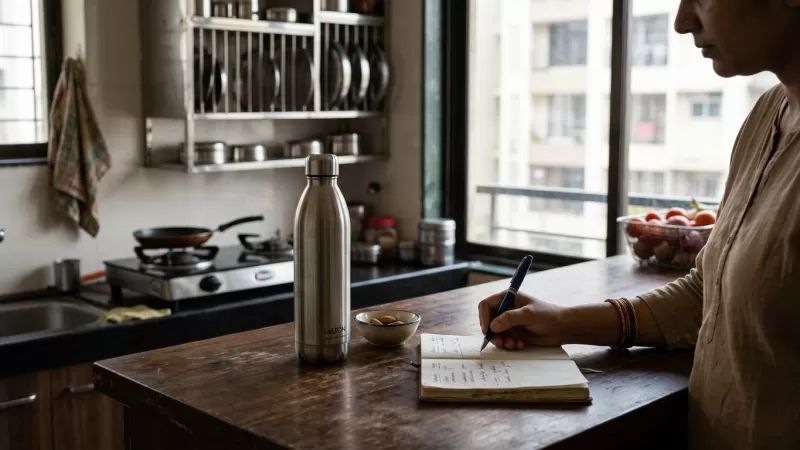
Many people start drinking extra water when it’s hot, but forget when the weather turns cool. The body’s thirst signals can get a bit confusing during these sudden swings. You’ve probably noticed that some days you barely touch your water bottle, and on others, you feel parched by noon.
There’s no magic number for glasses of water, but a few soft reminders help:
- Keep a small glass near your main work/study area, and finish it slowly over an hour or two.
- If you’re drinking chai or coffee, balance with plain water—tea and coffee can sometimes dry out your system.
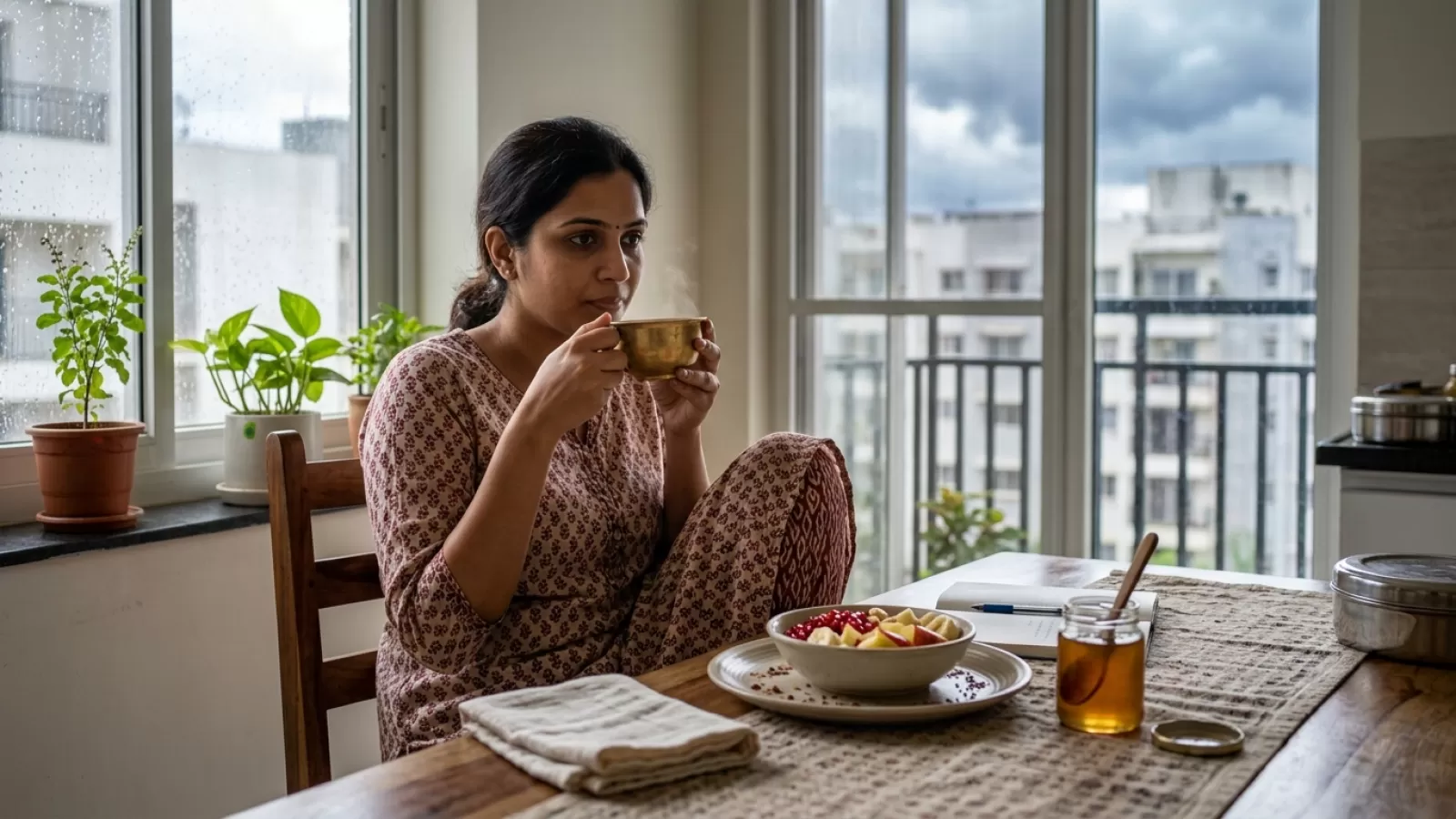
- Seasonal drinks like nimbu paani in summer or light herbal teas in winter (tulsi, ginger) can gently support hydration and comfort.
On very humid days, you might need a little salt or a few bites of fruit with your water. In cooler weather, sipping warm water or light soups often feels more soothing than cold drinks straight from the fridge.
Home Routines That Support Restful Sleep
When the weather jumps from hot to cool or back again, sleep can get disturbed. The body’s natural clock sometimes struggles to keep up, especially if you’re waking up sweaty at midnight and chilly by 4 a.m. Many families quietly deal with this, especially during pre-monsoon or after a sudden rain.
Some gentle routines that can help:
- Try to keep bedding simple—layering a thin cotton sheet with a light blanket works better than a heavy razai when nights are unpredictable.
- Avoid heavy or spicy dinners late at night, as digestion can disrupt sleep quality.
- Keep windows slightly open for fresh air, but close them if the breeze feels too sharp or brings dust—flexibility is key.
It’s not always possible to control all noises or lights, especially in busy neighborhoods, but a small eye mask or soft earplugs can help some people, especially seniors.
Gentle Movement: Adapt To The Day’s Mood
Most people find that sticking to a strict exercise plan is harder during these up-and-down weather days. Sweating it out in the afternoon when it’s muggy, or going for a walk when there’s a sudden chill or drizzle, can feel like too much. Honestly, it’s fine to adapt.
Short, gentle movements often work best—stretching your arms and legs in the morning, walking about the house while talking on the phone, or doing a few rounds of slow surya namaskar. If you’re caring for elders, even a few minutes of walking in the corridor or balcony counts. The main thing is not to be too hard on yourself if you miss a day or two.
Some days, just getting up to water the plants or folding laundry is enough for the body. The idea is to avoid being completely still for hours, as that can leave you feeling stiff or lethargic.
Clothing: Flexible Layers Are Your Friend
One of the most practical habits in Indian homes is layering clothing. It’s not always about wearing woolens or switching to shorts—the real trick is to keep a light shawl, stole, or cotton jacket handy. You might start the morning in a sweater and end the day in just a T-shirt.
Children, especially, benefit from this—school mornings can be chilly, but afternoons turn warm quickly. Seniors too, often feel more comfortable with a light layer they can remove or add as needed. During monsoon or sudden showers, a quick-drying towel and an extra pair of socks make a quiet difference.
Many people find synthetic fabrics less comfortable on these changing days. Natural fibers like cotton, linen, and thin wool usually breathe better and are easier on the skin.
Clean Air And Simple Home Care
During rapid weather changes, dust and pollen levels often rise, especially in cities and near construction sites. You might notice more sneezing, or the house feeling stuffier. Small steps can usually help ease this discomfort.
- Wipe surfaces with a damp cloth instead of dry dusting, to avoid swirling dust into the air.
- If possible, air out bedding and mattresses in the sun—just an hour or two helps reduce mustiness.
- Keep footwear outside the main living space, especially during monsoon or after a dusty day.
Some families use indoor plants for fresher air, or hang neem leaves near windows. These old habits often bring a bit of comfort, even if they aren’t perfect solutions.
Listen To Your Body—And Be Kind To Yourself
Perhaps the most important soft habit is just paying attention to how you feel, without judgement. Noticing when you’re tired, thirsty, or out of sorts is the first step to adjusting your routines. In many homes, there’s an urge to push through discomfort, especially during busy times or festivals. But these are precisely the moments when it’s okay to slow down a little.
If you need a nap, take one. If you’re not hungry, don’t force a heavy meal. Allow yourself lighter days when the body asks for it. And if the weather’s been particularly wild, remember—most bodies bounce back with time and gentle support.
So, when weather keeps surprising you, let these soft, homegrown routines be your steady support. They may not solve everything, but they go a long way in keeping you and your family comfortable, one gentle habit at a time.