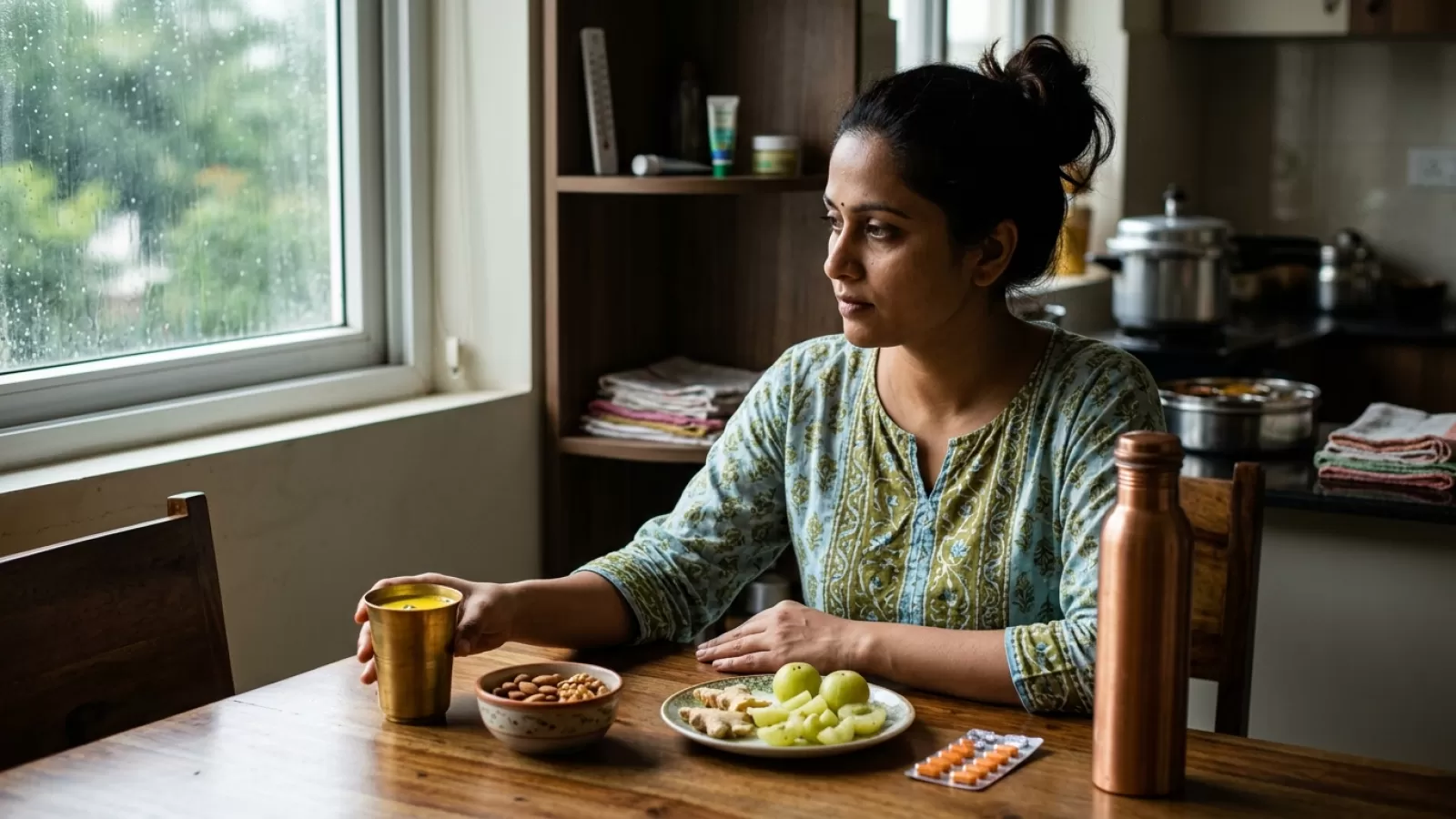
In many Indian homes, you can sense the changing weather not just outside your window, but right inside your body. One week, the sun feels like it’s baking the rooftops; the next, the air turns cool and heavy with rain. This swing between summer heat and monsoon downpours is familiar to most of us, and it tends to play tricks on our health—sometimes in ways that catch you by surprise. That said, with a little bit of daily attention and a few practical tweaks, you can ride out these changes without feeling completely knocked off balance.
Why Sudden Weather Changes Affect You More Than You Think
It’s not always obvious, but your body does a lot of adjusting during these weather swings. You’ve probably noticed how a sudden cold breeze after days of heat can leave you with a scratchy throat or a mild body ache. Sometimes, children start sneezing or elders in the family mention joint pain flaring up. In many homes, people quietly deal with these little troubles, brushing them off as “just the weather.”
But here’s the catch: when the temperature and humidity jump up and down, it can make it harder for your immune system to keep up. You may feel more tired, a bit moody, or just “off.” The good news is that small, sensible changes in your daily habits can help you stay steady, even when the weather isn’t.
Start with Simple Food Adjustments
During rapid weather changes, your regular dal, roti, and sabzi can continue to be the backbone of your meals. Still, little tweaks matter. In the peak of summer, lighter and cooling foods like curd, buttermilk, and seasonal fruits (like watermelon or cucumber) feel right. As soon as the rains start, though, these can sometimes lead to a heavy or uneasy stomach, especially if your digestion is sensitive.
When the humidity rises, many families quietly shift to more steamed or sautéed foods instead of deep-fried snacks. In these months, folks tend to choose:
- Light khichdi with a bit of ghee
- Simple soups using lauki or pumpkin
- Warm herbal teas (like tulsi or ginger), especially in the evening
- Less raw food and salads, as they might upset the stomach when it’s damp outside
These days, with so many ready-to-eat options available, it’s easy to lose track of what suits the weather. Trust your gut—literally. If something feels too heavy or cooling, switch to something warmer or simpler, at least for a few days.
Water: How Much and When?
It’s almost a running joke—everyone says “Drink more water!” But the tricky part is, your water needs genuinely change with the weather. During hot spells, you might feel thirsty all the time. Once the rain cools things down, you may not notice your thirst, but your body still needs hydration.
Some practical ways families keep up healthy hydration:
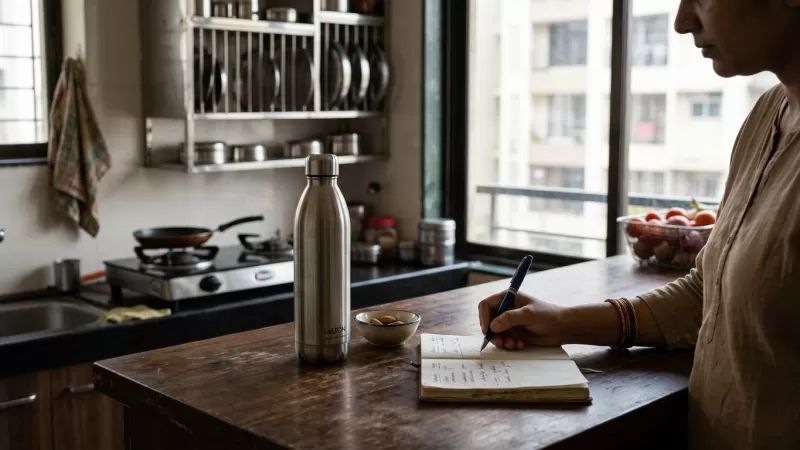
- Keeping a steel bottle or jug in the kitchen and refilling it as a habit
- Adding a squeeze of lemon or a few tulsi leaves for taste, especially if plain water feels boring
- Drinking warm water in the mornings, especially for elders or those prone to sore throats
On muggy monsoon afternoons, many find that sipping small amounts of water throughout the day is easier than gulping large glasses at once. It’s a small change, but it helps you avoid that bloated or uneasy feeling.
Clothing: Comfort Over Fashion During Weather Swings
Most Indian homes have a spot for drying clothes, and you’ve probably noticed how difficult it gets during monsoon. Damp clothes can feel chilly against the skin and often carry a musty smell.
In these months, it’s practical to choose light, quick-drying fabrics (like cotton) and to layer up with a thin shawl or scarf in the evenings. Many women keep a dupatta or light sweater handy, especially after sunset when the air turns unexpectedly cool. For children and elders, socks or slippers indoors can make a surprising difference in comfort.
It’s tempting to stick to the same daily routine, but swapping out heavy or synthetic clothes for something more breathable can help you avoid skin irritation or that sticky, uncomfortable feeling.
Managing Indoor Air and Dampness
With heavy rain, it’s common for homes to feel stuffy or develop patches of dampness. You might notice the smell when you open a cupboard or the bathroom feels slippery. This isn’t just about comfort—it can quietly affect your breathing or trigger mild allergies.
Some everyday habits that help:
- Opening windows for a short time when the rain pauses, even if it’s just for 10-15 minutes
- Putting a small bowl of salt or baking soda in cupboards to absorb excess moisture
- Using an old newspaper layer under the mattress or inside shoe racks during peak monsoon
It’s not always possible to keep everything dry, especially in smaller flats. But even small efforts—like airing out bedsheets or wiping down damp corners—can help your home feel fresher and reduce sniffles or that “heavy” feeling in the air.
Adjusting Your Daily Routine
When the weather changes rapidly, your usual energy levels may shift too. Many people notice that they feel sleepier on damp afternoons or have trouble getting up early when the mornings are suddenly cold. Children may become cranky or sluggish, and adults might feel less motivated to take that evening walk.
Rather than pushing yourself to stick to the exact same routine, it’s okay to bend a little. On days when the humidity is high, a shorter walk indoors or a few stretches in the living room are often enough. If you’re working from home, stand up every hour or so to stretch your legs and let in a bit of fresh air if you can.
Sometimes, families use this as an opportunity to spend a little more time together—playing a simple card game, listening to music, or just chatting over chai. These small moments tend to matter more than strict exercise routines, especially during unpredictable weather.
Protecting Your Immunity With Everyday Habits
Your immune system is quietly working all the time, but sudden weather shifts can make it feel a bit out of sync. While there’s a lot of talk about superfoods or miracle remedies, in most Indian homes, steady habits work best.
- Sticking to regular meal times as much as possible, even if dinner gets a bit late some nights
- Getting enough sleep, especially for elders and school-going children
- Washing hands with soap after coming in from outside, which is still one of the simplest ways to avoid getting sick
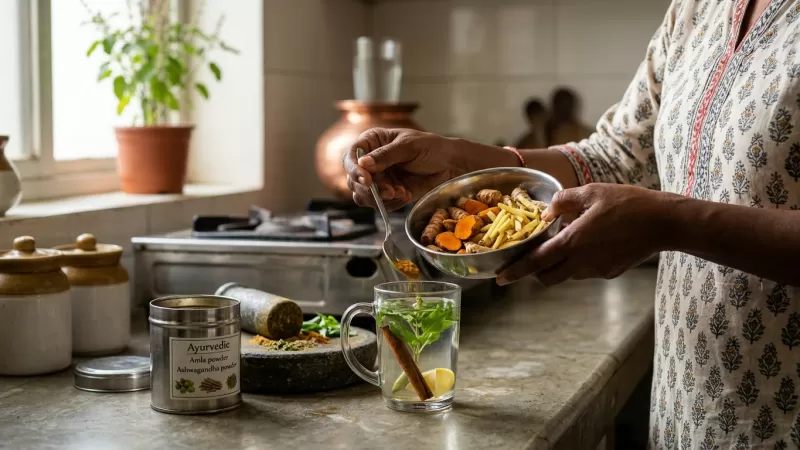
- Using basic kitchen spices—like turmeric, jeera, and black pepper—which have always been part of Indian cooking for good reason
There’s no need to overhaul your routine or add complicated steps. Usually, the habits you learned growing up—like warm milk at night or covering your head during sudden cool breezes—still hold up.
Watching Out for Signals From Your Body
When the weather jumps from hot to wet, your body will probably send small signals. A mild cough that lingers, a bit of tiredness, or a change in appetite. It’s easy to ignore these, especially when you’re busy juggling work, home, and family needs.
But tuning in to these signals, even for a few minutes at the end of the day, can help you adjust quickly. If you notice you’re feeling “off,” it’s usually wise to slow down a bit for a day or two. Simple steps—like an extra glass of warm water, a light dinner, or an earlier bedtime—make a bigger difference than you might expect.
Most families find their own rhythm over time. The main thing is to be gentle with yourself and those around you—no one feels perfectly energetic during these swings. And that’s completely normal.
When to Seek Extra Support
Most of the time, these practical tips help you get through the changing weather without much trouble. But if you or someone in your family feels unusually unwell—like persistent fever, sharp aches, or trouble breathing—it’s always sensible to check in with a doctor, especially for young children or elderly members.
Don’t feel guilty for resting more or for needing a bit of help. In most Indian families, quiet support and patience are what really help everyone get through the rainy days and hot spells safely.
After all, the weather will keep changing. Your small, steady efforts are what truly keep your family well through all of it.