It's easy these days to feel that being healthy is out of reach unless you can afford fancy gadgets, imported foods, or a shelf full of supplements. Turn on the TV or scroll your phone, and you'll see all sorts of products that claim to boost your immunity or make you feel younger. But here's the simple truth: So much of what supports real wellness is already around you, at home, costing nothing extra. In many Indian homes, good health habits have always depended more on daily choices than on expensive buys. If you're feeling discouraged about your wellness because of budget worries, you're definitely not alone—and you do have options.
Why Wellness Feels Expensive These Days
There's a strong feeling, especially in cities, that wellness is for those who can spend on gym memberships, organic groceries, and fancy teas. You've probably noticed social media posts about detox drinks, spa treatments, or imported health snacks. For many middle-class families, this can be discouraging, even if you know deep down that good health isn't for sale in a bottle.
The tricky part is, when wellness is marketed as something you have to buy, it's easy to give up on the basics that truly matter. Sometimes, just watching all the advertisements makes you want to do nothing at all—because it feels pointless unless you can do it perfectly or with the 'right' products. But most families in India have supported their health for generations using simple, free, and common-sense habits.
Wellness doesn’t have to be complicated or expensive. It can be as simple as a glass of water, a few minutes in the sun, or a regular bedtime. The basics still work.
Free Habits That Support Your Immune System
Your immune system is quietly at work all day, every day, helping you avoid falling sick. You don’t need a special supplement or imported food to help it along. Many daily routines, when done regularly, naturally support your immunity—and they cost nothing.
- Washing hands well before meals and after coming home. Soap and water are enough; you don’t need expensive sanitizers at home.
- Letting fresh air in—opening windows in the morning, even for a short while, helps clear out stale air and germs.
- Getting enough sleep. This is one of the most powerful, no-cost ways to support your body’s defences. Most adults need 6-8 hours, though it’s not always easy with busy routines or caring for family.
It’s not always possible to follow all these every single day, but even doing them most days makes a big difference over time.
The Power of Simple Indian Foods
There’s a lot of talk about exotic superfoods, but most Indian kitchens are already full of ingredients that quietly support health. Dal, roti, sabzi, and dahi—these are more than just comfort foods; they’re genuinely nourishing.
Many families worry that unless you add chia seeds, avocados, and quinoa to the grocery list, you’re missing out. But here’s the catch: Moong dal, masoor dal, spinach, and seasonal fruits (like guava or papaya) are packed with nutrients, often fresher and easier to digest than imported items.
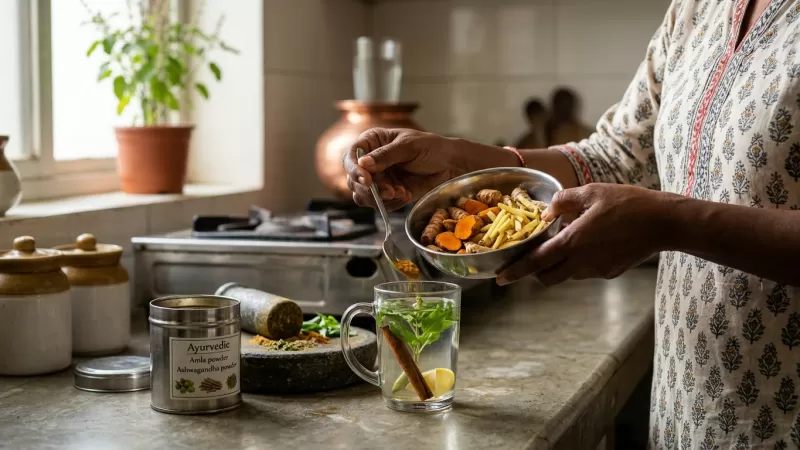
- Turmeric in your daily sabzi or dal supports the body quietly.
- Fresh coriander, curry leaves, and ginger—all common in Indian cooking—add more than just flavour.
- Seasonal vegetables are usually affordable and bring variety through the year, from lauki in summer to methi in winter.
Even if you’re tired or short on time, a simple dal-chawal meal is much better than skipping meals or relying on packaged snacks.
Movement at Home—No Equipment Needed
Exercise is another area where it often feels like you need to join a gym or buy expensive gear. But many forms of movement that support health don’t need any equipment and can be done right at home, even in a small flat.
Many homemakers actually get quite a bit of movement simply by handling daily chores—sweeping, mopping, washing clothes by hand, or gardening on a balcony. These activities keep the body flexible and active, especially if you make a habit of not sitting for long stretches.
- Try a few minutes of gentle stretching in the morning or before bed—shoulder rolls, neck stretches, or simple toe touches.
- During TV breaks, walk around the house or do ankle circles.
- Going up and down the stairs (if you have them) is a good way to get your heart rate up.
For seniors or those with joint pain, even light movements—raising arms, rotating wrists—can help circulation. No fancy tracksuits required.
Sleep Routines: The Most Overlooked Habit
In many Indian homes, bedtime is flexible, and late dinners are common, especially during festival seasons or after a long workday. But often, it’s the lack of a regular sleep routine that quietly wears down immunity and comfort.
It’s not about falling asleep at exactly 10 pm every night. What matters more is having a gentle routine that signals to your body it’s time to rest. This can be as simple as dimming lights, washing your face, or reading a book instead of scrolling on your phone before bed.
- Try to keep a fixed window for sleep—say, between 10:30 and 11:30 pm most nights.
- Avoid heavy meals or tea/coffee right before bed; a cup of warm milk or just water is better.
- Keep your bedding simple but comfortable; changing pillow covers often helps with comfort too.
When sleep improves, you’ll often notice better moods, fewer aches, and a calmer mind in the mornings.
Everyday Mind-Calming Habits
In recent years, stress has become a normal part of life for both working professionals and homemakers. Children’s studies, work-from-home pressures, and worries about elders—all these add up. You don’t need a meditation app or a yoga retreat to calm your mind, though.
Simple habits, repeated daily, often help more than you’d expect. Many families quietly deal with these pressures by using little rituals—like evening tea on the balcony, saying a short prayer together, or listening to old songs after dinner.
- Taking three slow breaths whenever you remember, especially during a stressful moment.
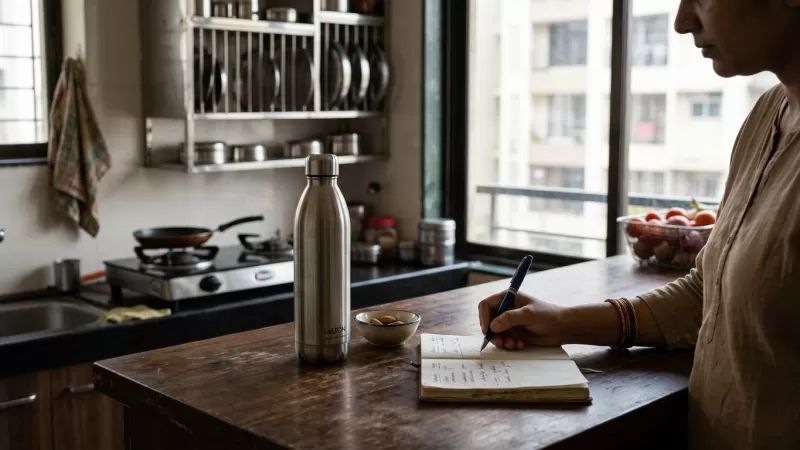
- Writing down worries in a notebook before sleeping (just a few lines can help).
- Sharing a joke or light chat with someone at home—laughter really does ease tension.
It’s okay if you don’t feel instantly calm. These routines build up slowly, like rain filling a well drop by drop.
Making the Most of Sunlight and Fresh Air
These days, with long hours indoors—whether for work, school, or chores—it’s common to forget about sunlight and fresh air. Yet, both are quietly powerful for your body and mind, and you don’t need to leave your home to benefit from them.
If you can, spend a few minutes each day near a window, on a balcony, or on the terrace during the morning or late afternoon. Sunlight supports your mood and helps your body stay strong in ways that scientists are still learning about.
- Open windows and doors for cross-ventilation, especially after cooking or during the afternoon.
- Let children play near natural light when possible; it helps with sleep and focus.
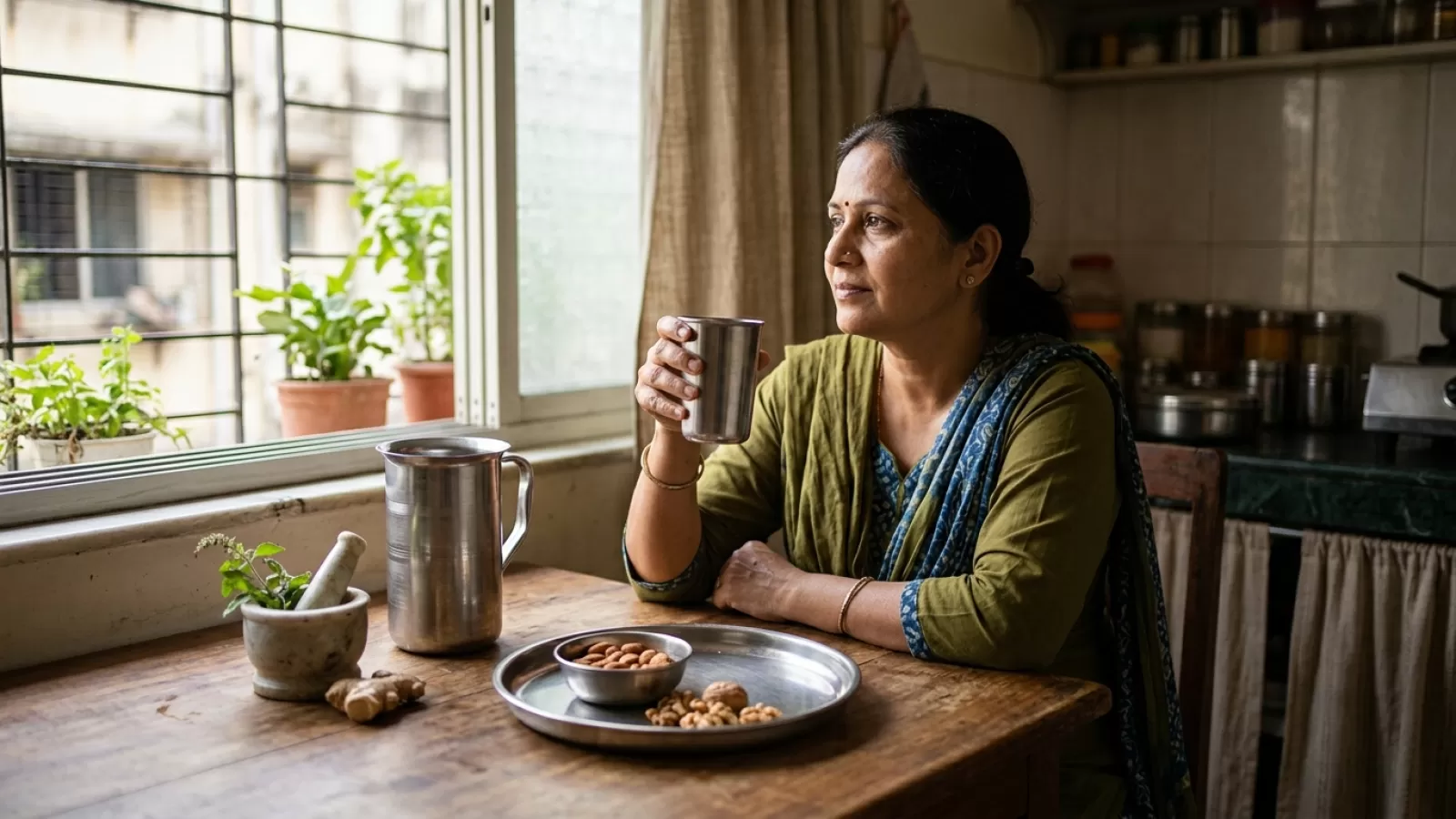
- Try sitting with your morning tea where the sun falls, even if just for five minutes.
Many seniors find their joints ache less, and their mood improves with these small sunlight breaks. The best part? It’s free and always available.
Building Consistency (Even When Life Gets Busy)
Here's the honest part—sticking to any habit, even a simple one, can feel impossible during busy weeks, exam times, or family emergencies. Many people feel guilty when they skip routines, but the truth is, wellness isn’t about being perfect every day.
Instead, try to make a few small habits so natural that you return to them after a busy patch: a glass of water on waking, walking barefoot at home, or a five-minute chat with a loved one. Over months, these become anchors, helping you feel balanced even when life is unpredictable.
- Keep routines simple and flexible—adjust them to suit your family’s schedule.
- Share habits with others at home; it’s easier to remember when you do it together.
- Forgive yourself for off days. Everyone has them.
In the end, wellness is a quiet daily effort, not a grand achievement. You don’t need to spend extra money or time you don’t have. The basics—rest, fresh food, movement, air, light, and gentle routines—are within reach in most Indian homes. That’s often enough to support your health, even on a tight budget.