Some days, comfort just seems to slip away quietly. You might start out feeling fine, but by late afternoon, a dull ache in your shoulders or tired heaviness in your legs starts creeping in. In many Indian homes, daily routines are packed and predictable—yet somehow, true physical ease feels a bit out of reach. The trick isn’t always in big changes, but in tuning in to the soft signals your body gives throughout the day. If you’re hoping to create a steady sense of comfort from morning chai to bedtime, it might help to look at the gentle cues and small habits that set the pace.
Understanding Physical Comfort: Not All-or-Nothing
Physical comfort isn’t about feeling perfect all day. Most people have little ups and downs—maybe your back nags after folding laundry, or your feet get sore after a trip to the market. The goal isn’t to chase away every bit of discomfort, but to notice what helps you settle into your day with less strain.
In many households, comfort is shaped by routines: the way you sit for meals, how often you move, even the shoes you wear indoors. These small things add up. It’s easy to ignore your body’s whispers until they become shouts, but you don’t need fancy gadgets or complicated routines to pay attention.
Sometimes, comfort is simply about not rushing. Even if life feels busy, responding to your body’s soft cues—like stretching when you yawn or pausing to uncross your legs—can be surprisingly powerful. You might not notice a difference in a single day, but over time, these moments add up.
The Role of Consistent Habits
There’s a quiet strength in daily habits. Just as dal-chawal for lunch or a quick evening walk brings predictability, certain wellness routines can gently support your body’s needs. The key is choosing habits that fit your real day—not some ideal schedule.
Here are some habits that many Indian families find helpful for steady comfort:
- Morning movement: A few minutes of stretching or slow walking after waking can loosen up stiff muscles.
- Regular hydration: Sipping water (not just at meals) keeps your energy steadier and helps prevent headaches.
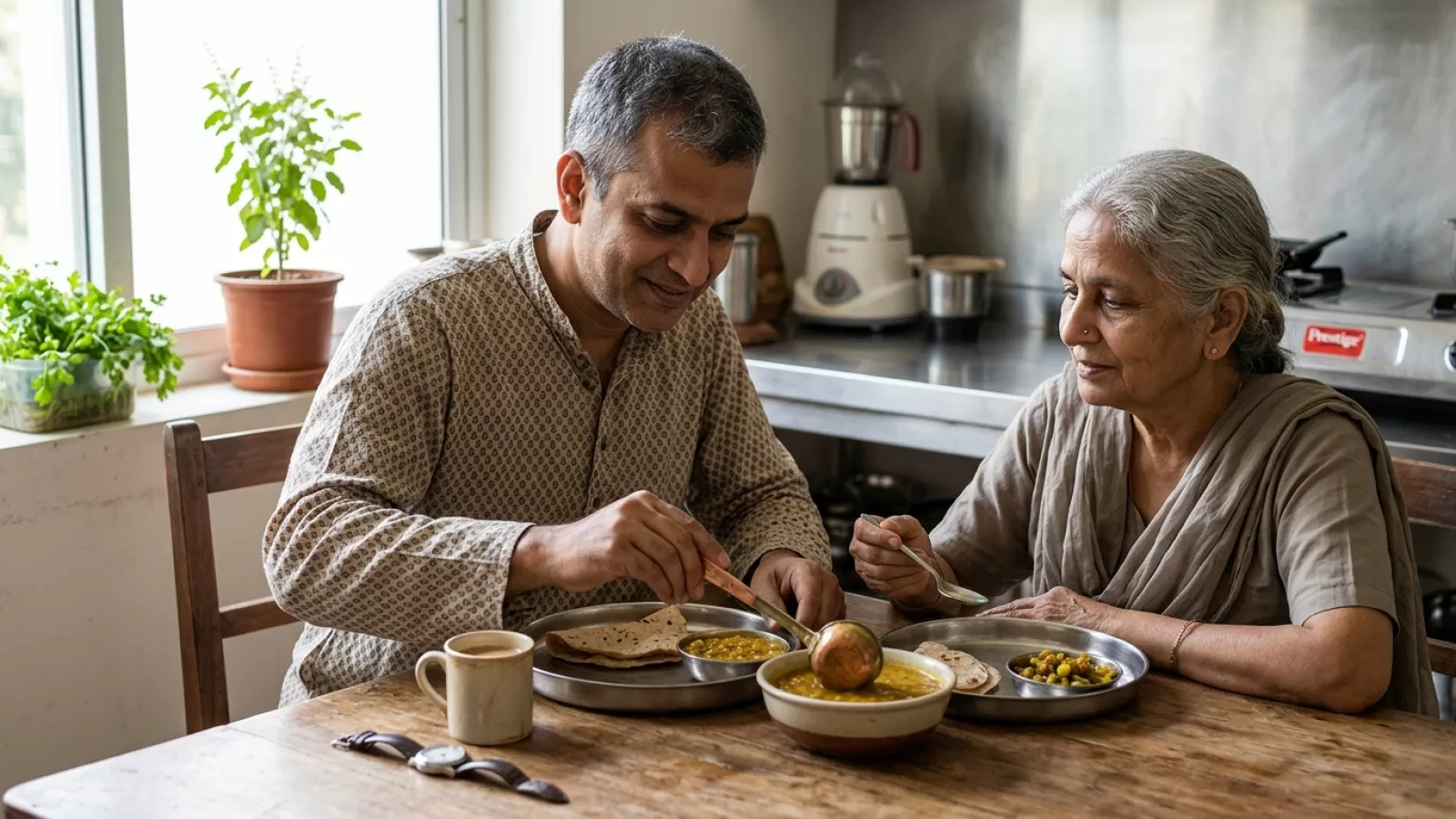
- Meal timing: Eating at roughly the same times each day helps your digestion stay calm—especially if your days are long or unpredictable.
- Simple self-care: Rubbing your shoulders, taking a warm bucket bath, or massaging your feet before bed often brings real relief.
That said, no one does everything perfectly every day. The idea is to weave these habits in wherever they fit, rather than forcing them into an already packed routine.
Listening to Soft Cues: What Are They?
Most people think of pain or exhaustion as clear signs to stop and rest. But your body actually sends many softer signals long before things get that uncomfortable. These soft cues can include:
- A gentle urge to shift your sitting position
- Dryness in your throat (a sign you might need water)
- Blinking more often or rubbing your eyes
- Noticing your breath has become shallow
- A faint sense of restlessness or fidgeting
These signals are easy to brush aside, especially when you’re busy with work, chores, or family. But responding to them—by standing up, sipping water, or even just pausing for a deep breath—can prevent bigger discomforts later. It’s less about discipline and more about quiet awareness.
You’ve probably noticed that children and elders tend to respond quickly to these cues. Adults, on the other hand, often push through—sometimes out of habit, sometimes out of necessity. Still, it’s worth making space for these small check-ins, even on the busiest days.
Calm Pacing: Why Rushing Rarely Helps
It’s tempting to move quickly from one task to the next, especially in homes where mornings are a blur of getting everyone ready, packing tiffins, and catching up on WhatsApp messages. But constant rushing tends to tighten your body and scatter your focus.
Here’s the catch: most things get done anyway, even if you slow your pace just a little. You might find that taking an extra minute to sit and savor your chai, or to stretch your back before starting on dinner, actually leaves you feeling more refreshed.
During festival times or family gatherings, it’s common to get swept up in the excitement and do too much. But even then, giving yourself tiny pauses—stepping outside for a breath of air, or just sitting down for a few minutes—often makes the day smoother.
Some families make a habit of having a short quiet moment before dinner or bedtime. This can be a good anchor, helping everyone settle after a busy day. It doesn’t need to be anything formal.
Small Ways to Support Physical Ease (At Home and Out)
Many people quietly deal with discomfort, especially when sitting for long hours—whether that’s at a work-from-home desk, in front of the TV, or even during long car rides. Sometimes, making a few small adjustments can make a big difference.
- Cushion your chair: Adding a folded towel or pillow to your seat can help your back and hips.
- Change positions often: Stand up, stretch, or walk around every hour—even for just a minute.
- Wear comfortable clothes: Loose cotton, especially in the summer, lets your body breathe and move more freely.
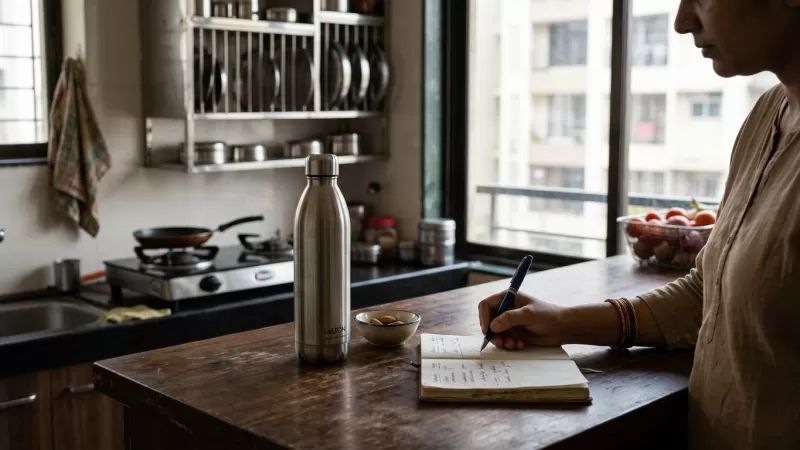
- Keep a water bottle nearby: You’ll be more likely to sip regularly if it’s within reach.
- Light movement breaks: A quick walk to the balcony, a round of the house, or just a few arm circles can ease stiffness.
No need to aim for perfection. Even a few of these changes can lighten the load, especially on long or stressful days.
Recognizing When to Slow Down
Busy routines are part of Indian life. But sometimes, your body’s cues become a little louder: nagging aches, irritability, or a heavy sense of fatigue. It’s easy to tell yourself you’ll rest “once everything is done,” but pushing through can leave you feeling worse the next day.
Here are some gentle signs that your body might need a change of pace:
- You start forgetting small things or making little mistakes
- Even after a meal, you don’t feel satisfied or energized
- Your mood feels low or you’re easily irritated
- Sleep feels shallow or you wake up tired
If you notice these signs, it often helps to let yourself slow down—even if just by five or ten minutes. Maybe you sit quietly after lunch, or leave some chores for tomorrow. In the long run, these small adjustments tend to create more comfort than pushing through every task.
Building Awareness Without Overthinking
Sometimes, advice about wellness can feel overwhelming—so many “shoulds” and “musts.” But awareness doesn’t have to be another item on your to-do list. It can be as simple as checking in with yourself before each meal, or noticing how your body feels after a walk.
Many people find that setting reminders (like a phone alarm or a sticky note) helps at first, but after a while, responding to soft cues becomes more natural. The main thing is to stay curious, not critical. If you miss a cue or have a tough day, that’s completely normal.
Some families even make a game of it, asking each other, “How are you feeling right now?”—it’s a small way to bring comfort into daily conversation.
And honestly, some days will still be tiring or sore. That’s just life. The goal is to give yourself a little more ease, not to chase away every discomfort.
Gentle Routines for Different Life Stages
Comfort looks a bit different for everyone. Homemakers often spend hours on their feet, while seniors might deal with stiffness or aches, and working professionals get stuck at screens for too long. Each group can pay attention to their own soft cues in slightly different ways.
- For homemakers: Take a quick stretch break after long periods in the kitchen. Rest your back by leaning against a wall or lying down for five minutes in the afternoon.
- For professionals: Try “micro-breaks” between meetings—stand up, roll your shoulders, or look away from the screen for a minute or two.
- For seniors: Keep movements gentle and slow, and use support (like a sturdy chair or railing) when needed. Light self-massage or warm compresses can help with stiffness.
It’s worth remembering that comfort isn’t only physical. A few minutes of listening to music, chatting with a friend, or simply watching the birds out the window can also soften the day’s edges.
Honoring Your Own Rhythm
There’s no single right way to maintain comfort all day. Your needs may shift with the seasons—what works in the dry winter might feel different in humid July. Family routines, work demands, and even your own energy levels change from week to week.
The best you can do is pay attention to your own pace, and respond to the soft cues your body gives. In many Indian homes, people have found that small, steady habits—combined with gentle awareness—do more for everyday comfort than any dramatic change.
So, the next time you catch yourself rushing or ignoring that quiet nudge to rest, let yourself slow down just a bit. It’s often the small shifts that make the biggest difference in how you feel—day after day.