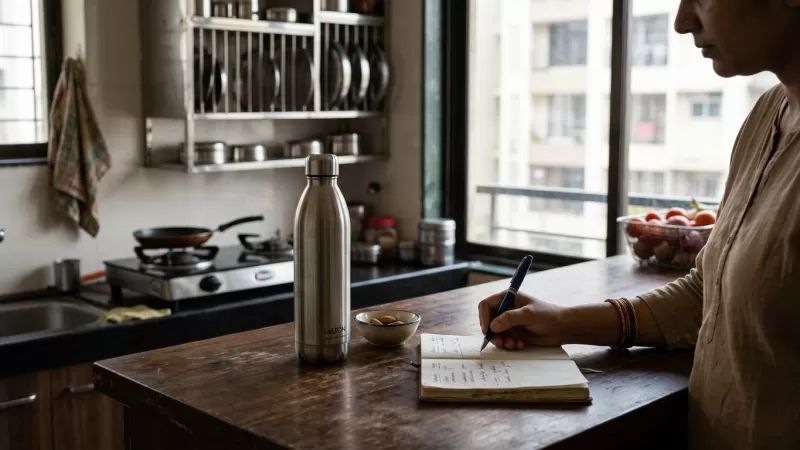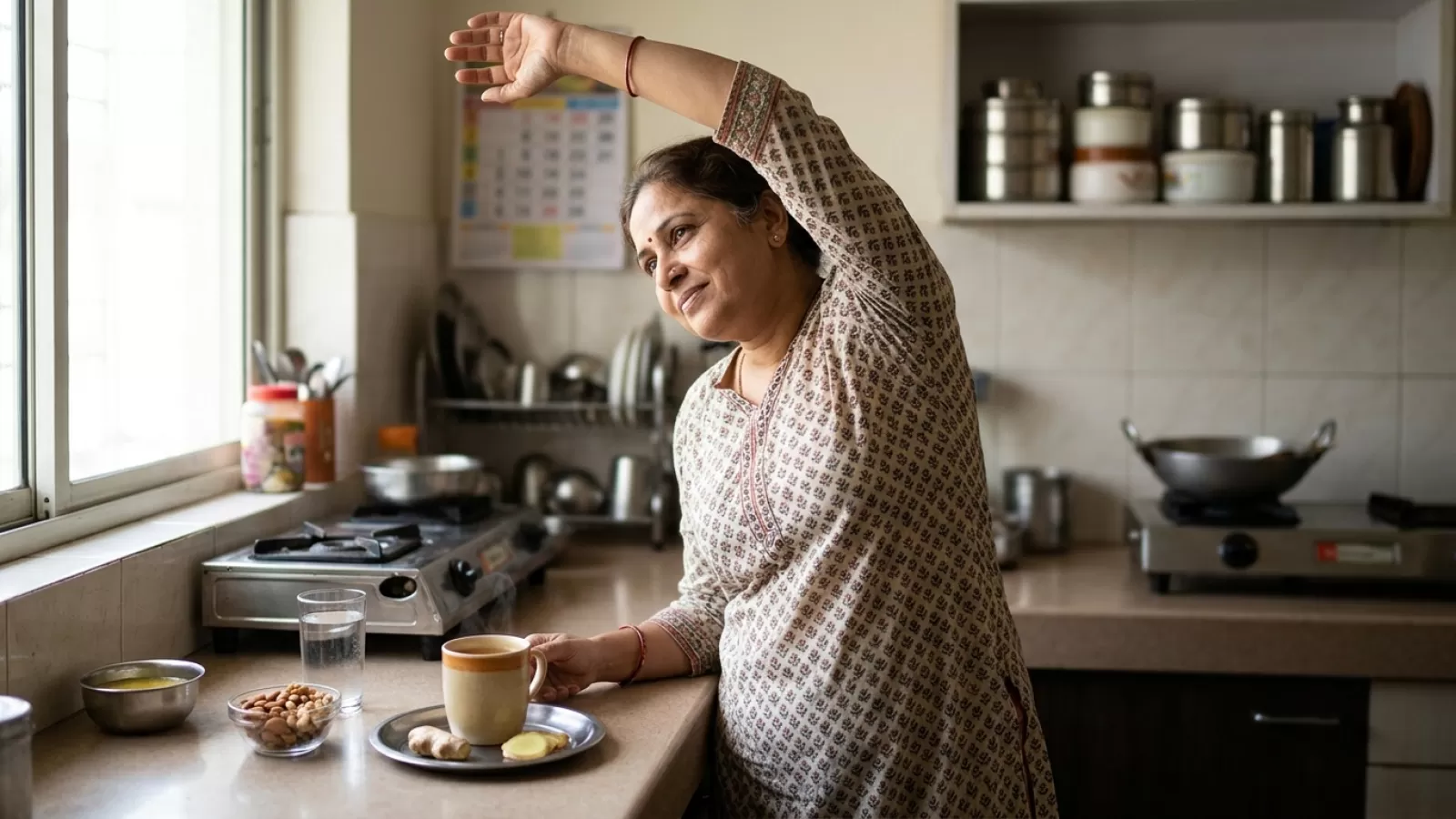
Waking up with a bit of stiffness is more common than you might think. It’s not always about age—sometimes it’s just the way we’ve slept, the weather outside, or even what we did the day before. In many Indian homes, people quietly deal with this morning discomfort, especially after a long day of chores or sitting at a desk for hours. The good news? You don’t have to jump into anything drastic. A few gentle habits, woven into your morning routine, can help you feel more comfortable as you start your day—whether you’re getting ready for the kitchen rush, sending the kids off to school, or simply taking a slow start after retirement.
Notice Your Body’s Morning Signals
Most people don’t leap out of bed feeling fresh every single morning. You might notice your knees feel a little stiff, your back’s tight, or your neck feels achy. Sometimes, it takes a minute or two to feel ready to move. That’s completely normal, especially as we get older or on cooler mornings.
The tricky part is, many of us tend to ignore these signals and immediately rush into daily tasks—making chai, packing tiffins, or checking WhatsApp. But giving yourself a short moment to tune in can actually save discomfort later. You’re not being lazy, just sensible.
Try this: pause before getting up. Notice which parts feel stiff or heavy. Is it your lower back, shoulders, or maybe your ankles? This little self-check can help you decide what needs a gentle stretch or extra care as you start moving.
Start With a Slow, Gentle Stretch in Bed
Here’s something often overlooked: you don’t have to jump straight out of bed. In fact, your body appreciates a slow, gentle wake-up. Most elders in Indian families used to say, “Don’t hurry in the morning.” Turns out, there’s wisdom here.
Before you get up, try these easy movements while lying down:
- Stretch your arms over your head and point your toes. Hold for a few seconds, then relax.
- Gently roll your ankles in circles, both ways.
- Bring your knees up (one by one) and hug them towards your chest for a moment.
Nothing fancy—just simple stretches to help your joints and muscles remember it’s time to start the day. You might find this makes getting out of bed a little easier, especially if you usually feel stiff.
Don’t Skip the First Glass of Water
After a full night’s sleep, your body is usually a bit dry. This dryness can add to that heavy, achy feeling. Many Indian homes have the habit of keeping a steel or copper lota by the bedside for a reason.
Start your day with a glass of room temperature water. If you like, add a slice of lemon or a few tulsi leaves. It doesn’t have to be warm or fancy. This small step can help you feel more awake and may make your joints feel less sluggish as you start moving.
You might notice that when you skip this, your mouth feels dry and your body just feels slower. It’s a small comfort, but on busy mornings, every bit helps.
Ease Into Standing and Moving
It’s tempting to stand up quickly, especially if you’re late or there’s a lot to do. But suddenly popping up can make your stiffness worse. Instead, give your body a minute.
Sit on the edge of the bed with your feet flat on the floor. Roll your shoulders gently, turn your head side to side, and circle your wrists. These small movements don’t take long, but they let your body adjust before you start walking around.
- If you notice dizziness when you stand, pause for a few breaths before walking.
- Let your first few steps be slow—no need to rush to the bathroom or kitchen immediately.
You’ll likely find that your stiffness eases up a bit just from this extra minute.
Use Warmth to Your Advantage
In many parts of India, mornings can be chilly, especially in winter or during the rainy season. Cold air tends to make joints and muscles feel stiffer. Even in summer, a fan or AC running all night can leave you feeling tight.
Simple warmth can make a real difference. Some people like to wrap a shawl around their shoulders or drape a dupatta over their knees as they sit for a few minutes. Others prefer to wash their face and hands with warm water first thing. You might have noticed elders in the family quietly doing this before starting morning prayers or chores.
If you have time, a brief bath with warm water can be comforting, but even just washing your face and feet can help. It’s an old trick, but it works.
Let Your First Movements Be Purposeful
It’s easy to get caught up in the morning rush—flipping rotis, getting kids dressed, or even just switching on your laptop if you work from home. But if you start with a few purposeful movements, you can often avoid that sudden jolt of pain or discomfort.
For example, if you need to bend down to pick something, squat gently instead of bending from your waist. If you’re washing up utensils, stand with your feet hip-width apart to avoid straining your lower back. Even when sweeping or mopping, switch hands occasionally so you’re not always twisting in one direction.
These are tiny adjustments, but over days and weeks, they can add up to a more comfortable body. Many busy homemakers say that once they started paying attention to these habits, their mornings felt smoother, even if only a little.
Adjust Your Morning Routine as Needed
Sometimes, the problem isn’t really your body—it’s the routine itself. If you’re always rushing or skipping breakfast, that stress can make your morning stiffness worse.
Try to build in a small buffer for yourself. It could be as simple as waking up ten minutes earlier or preparing lunchboxes the night before. If you’re retired, maybe give yourself permission to enjoy the morning sun for a few extra minutes before starting chores.
Of course, not every family situation allows for this. Kids’ schedules, office timings, and household demands can be relentless. But even a small adjustment—a few minutes for gentle stretching or a quick walk around the house—can help.
When to Take It Easy (And When to Ask for Help)
Some mornings, no matter what you do, the stiffness just doesn’t go away quickly. That’s quite normal after a late night, during monsoon, or if you’ve overexerted yourself the day before. You’re not alone in this; many families quietly deal with these days.
On such mornings, try to take it easy where you can. Maybe delegate a chore, ask for help, or decide that not every task needs to be done immediately. It’s okay to slow down sometimes.
However, if you notice that your stiffness is getting worse over many days, or it’s making it hard to do your normal tasks, it’s wise to speak with a trusted family member or doctor. Most of the time, though, a gentle and thoughtful start to the morning is enough to keep you comfortable and steady.
Small comforts do matter, especially in a busy Indian home. Waking up stiff isn’t always a sign that something’s wrong—sometimes it’s just your body’s gentle way of asking for a softer start to the day. With a few simple habits and a bit of patience, you may find your mornings becoming easier, one day at a time.