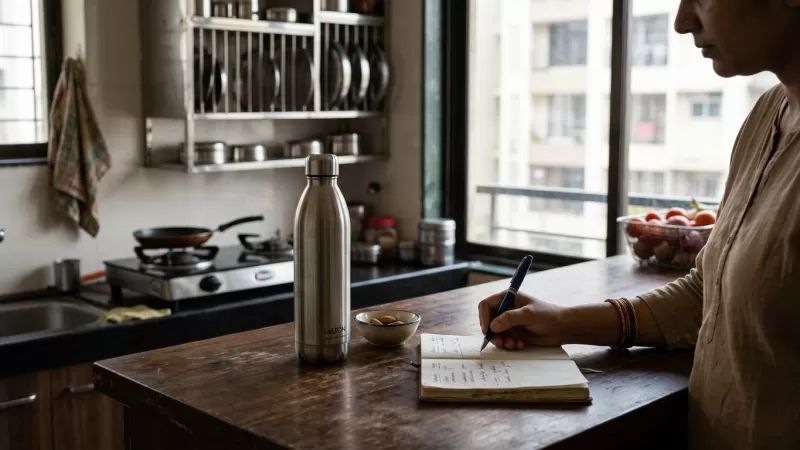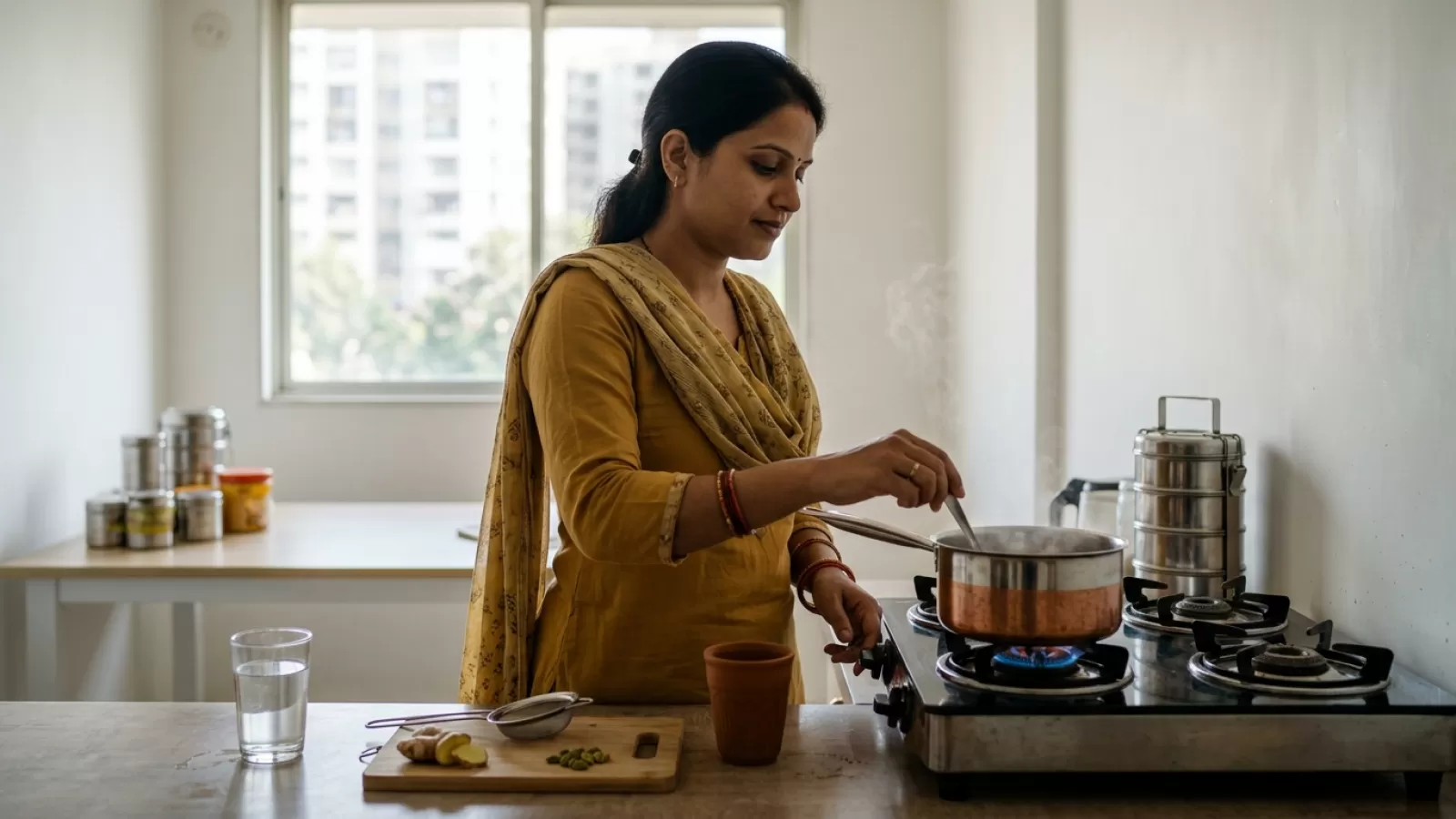
Most mornings in Indian homes are anything but slow and peaceful. The alarm rings, and before you know it, you’re out of bed, rushing through your routine: making chai, prepping tiffins, catching up on news, maybe even squeezing in a quick puja or supervising the kids. In the middle of all this, it’s common to feel groggy, irritable, or even a little lost as you start your day. Many families quietly deal with this, even if they don’t talk about it much.
But here’s the thing—how you spend the first few minutes after waking up can make a surprising difference to your mood and energy, not just in the morning, but well into the afternoon. You don’t need complicated rituals or expensive gadgets. Often, just a few gentle habits and small changes in awareness can help you start your day on a calmer, steadier note.
Why Rushed Mornings Make You Feel Worse Later
Let’s be honest—most of us don’t have the luxury of slow mornings. There’s school buses, office log-ins, and a never-ending list of chores waiting. But when you wake up and immediately jump into action, your body and mind don’t really get a chance to switch gears. You might notice you feel tired even after a full night’s sleep, or that you’re snapping at small things before breakfast.
This isn’t just about mood. When you rush, your body produces more stress hormones, which can leave you feeling jittery or heavy. By lunchtime, you might feel drained or even a little anxious. You've probably noticed that on days you start off in a hurry, the crankiness lasts all afternoon.
So, the goal isn’t to add another chore to your mornings, but to gently slip in small pauses that help your mind and body settle. A few minutes of calm, even with all the household noise, really do make a difference.
Waking Up: Gentle Awareness Instead of Instant Action
The tricky part is that most people reach for their phone or rush to the bathroom as soon as the alarm rings. But if you can give yourself even 30 seconds before you move, it can break the cycle of automatic rushing.
- Try this: When you first wake up, keep your eyes closed for a few seconds. Notice how your breath feels, the sounds in your home, or even just the softness of your bedsheet.
- If you’re able, sit up slowly instead of jumping out of bed. This small pause tends to help your body catch up with your mind.
- Some people find it helpful to stretch their arms and legs gently right in bed. No fancy yoga—just a relaxed stretch, almost like a yawn.
These tiny awareness cues can act as a buffer, especially after late-night TV or those nights when sleep wasn’t your best.
Light and Air: Small Changes for a Fresh Start
In many Indian homes, the first thing after waking up is opening the windows and letting in fresh air. There’s a reason this habit has stuck around for generations. Natural light and a bit of moving air can signal to your brain that it’s time to wake up.
If you live in an apartment or a city with pollution, even a few minutes of fresh air—by standing on a balcony or at a window—can help. Letting sunlight hit your skin, even for a short while, gently resets your body clock and makes you feel a bit more awake.
Some families light agarbatti, sprinkle water at the doorstep, or just take a moment to look outside at the trees or street. These are more than just traditions—they help your mind shift from sleep to wakefulness in a gentle way.
Chai, Water, or Something Simple: The First Sip Matters
For most Indians, the day doesn’t start without chai or coffee. But before you head to the kitchen, consider starting with a glass of plain water. After several hours of sleep, your body tends to be a little dehydrated, and this small step can wake up your system without any jolt.
- If you’re not used to drinking water in the morning, start with just a few sips. Room temperature is usually easiest on the stomach.
- Then go ahead with your tea or filter coffee. Try to sit down and enjoy those first few sips instead of gulping them on the go.
- Some people like warm water with a few drops of lemon, or a light herbal tea. But there’s no need for anything complicated—simple works just fine.
This isn’t about giving up your morning rituals, but about adding a gentle pause before you start your usual routine.
Movement that Feels Good, Not Forced
You might hear a lot about morning exercise, but honestly, not everyone has the time or energy for a full workout before work or school. That said, a little movement—even a few minutes—can help shake off that sluggish feeling.
Here are a few simple ways to add gentle movement into your mornings, even on busy days:
- While brushing your teeth, try rolling your shoulders or turning your neck gently side to side.
- After you get out of bed, stand up and reach for the ceiling, then drop your arms and shake them out. Nothing fancy.
- If you’re making chai, march in place or do a few ankle circles while you wait for the water to boil.
On weekends or holidays, you might enjoy a short walk on your terrace or in your lane. The key is to listen to your own body. If you’re feeling stiff or sore, a gentle stretch is enough.
Setting a Calm Tone: Tiny Rituals That Work
Some families begin the day with a quick prayer, lighting a diya, or even a moment of gratitude. It doesn’t have to be religious—just a quiet pause to set an intention for your day. These small rituals, especially if done regularly, can help anchor you before the daily rush starts.
If you’re spiritual, a shloka, a simple “thank you,” or just sitting quietly for a minute can act as a reset. If not, even playing a favorite song or listening to the birds outside can have the same effect.
What matters isn’t the exact ritual, but the feeling of calm it brings. There’s no need for strict rules—just consistency.
Making Breakfast Feel Less Stressful
In many homes, breakfast is the most chaotic meal, especially on school and office days. There’s pressure to make something nutritious, quick, and tasty—all at once. The catch is, when breakfast feels rushed, you’re more likely to skip it or grab something unhealthy.
Here are a few ways to keep breakfast simple, without extra stress:
- Plan the night before—soaking poha or dal, chopping some veggies, or even setting out the plates.
- Stick to familiar foods: upma, paratha, idli, or toast with an egg. There’s nothing wrong with repeating meals if it eases your workload.
- If mornings are truly hectic, a fruit and some nuts can be enough until you have time for a full meal.
Try to sit down, even if it’s just for five quiet minutes, while you eat. It’s not always possible, but on days you do, you’ll notice your mood feels steadier through the morning.
Gentle Reminders: Using Cues to Stay Aware
It’s easy to slip back into old habits, especially when everyone around you is rushing. That’s why using small reminders or cues can help you stay on track. Maybe it’s a sticky note on your mirror, a favorite song on your phone, or even a family member gently reminding you to slow down.
- Some people keep a glass of water by their bedside as a visual cue.
- Others set a soft, pleasant alarm instead of a jarring one.
- If you have kids, making morning routines a shared, relaxed activity (like folding blankets together) can help everyone ease into the day.
There will be days when nothing goes as planned, and that’s fine. The idea isn’t perfection, but progress—a few calm moments each morning, whenever possible, tend to add up over time.
When Things Don’t Go Smoothly (And That’s OK)
No morning routine works every single day. Sometimes you’ll oversleep, sometimes there’s an unexpected mess, or sometimes the mood just isn’t right for slow habits. That’s perfectly normal. Most families have days when everything is upside down.
On those mornings, it helps to accept the rush instead of fighting it. Even taking a deep breath while standing in the kitchen, or smiling at a family member, can make a tiny difference. You can always try again tomorrow.
The point of gentle morning habits isn’t to control your day, but to give yourself a better chance at feeling calm and steady, no matter what the day brings. Over time, you’ll find your own rhythm, and mornings might just become a little less of a struggle.