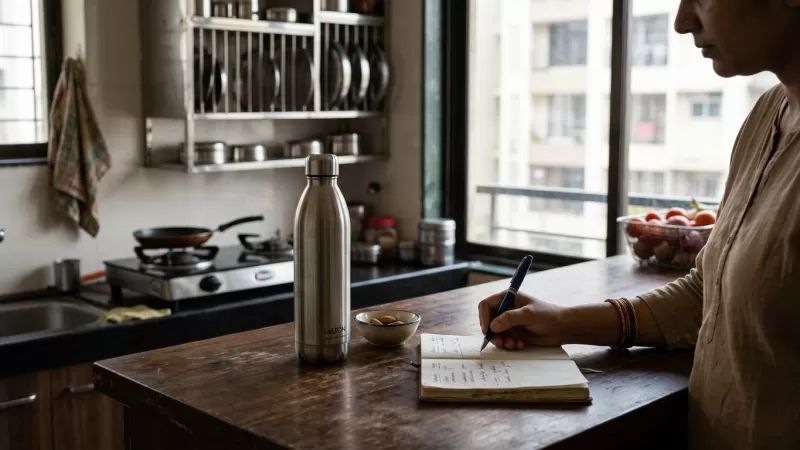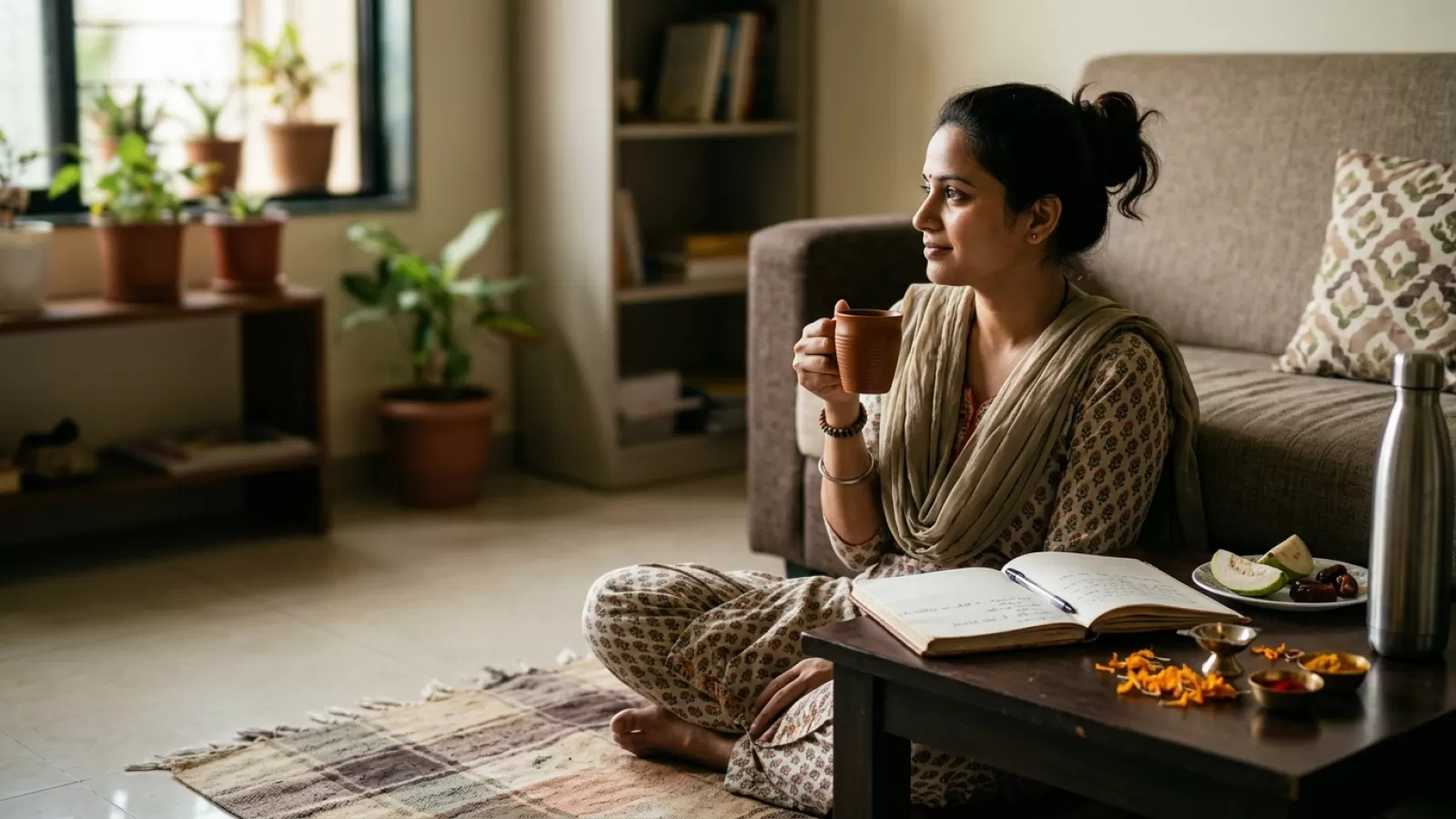
Some days move at a different pace. Maybe the weather is dull, maybe you’re not feeling your usual energy, or perhaps it’s one of those times when work is slow and there’s no rush for anything. In many Indian homes, these slower days can feel oddly empty or unsettling, especially when you’re used to a busy routine. The mind tends to wander, old worries can resurface, and comfort sometimes slips away quietly. But you can actually use these gentle pauses to care for yourself in simple, thoughtful ways—what you might call soft habits. These aren’t about strict schedules or chasing productivity, but about steadying yourself with small, comforting actions and gentle awareness. Let’s see how you can bring warmth and a bit of structure to even the slowest day at home.
Why Slow Days Can Feel Uncomfortable
Most of us are so used to going from task to task that sudden quiet can feel strange. You might notice this especially during monsoon afternoons or the long, humid stretches of summer when the outside world slows down and people spend more time indoors. On these days, there’s less noise and fewer distractions, which can make you more aware of little aches, worries, or even boredom.
It’s not uncommon to feel a bit restless or uneasy. Many families quietly deal with this, especially after finishing morning chores and before the evening gets busy again. Seniors sometimes mention feeling ‘off’ or young children might start getting cranky. It’s just part of how our minds react to changes in pace.
But here’s the thing—slower days are not wasted. They’re an opportunity to notice what you need, gently care for your mind and body, and bring a bit of comfort back.
Soft Habits: What They Really Mean
The idea of a soft habit is simple: it’s something kind you do for yourself that doesn’t require discipline or pressure. It could be as ordinary as making yourself a glass of nimbu pani, pausing to listen to your favorite old songs, or just sitting on the balcony watching birds.
Soft habits help anchor you, especially on quiet days. They’re about presence—being aware of small comforts and not expecting yourself to be busy or ‘productive’ all the time. You might not always notice their effect right away, but over time, these gentle routines make slow days feel less lonely or uncomfortable.
- Preparing a simple dal-chawal lunch and eating without screens.
- Washing your face and hands with cool water after a nap.
- Lighting a diya in the evening, even if there’s no special occasion.
- Letting yourself rest with a book, not just your phone.
None of these take much effort, but they give your day a gentle rhythm.
Small Anchors for Emotional Well-Being
When the day moves slowly, your emotions can sometimes feel louder. You might replay old conversations, worry about the future, or simply feel ‘blah’. It’s completely normal. Here’s the catch—ignoring these feelings rarely helps. Instead, placing a few small anchors throughout your day can bring back a sense of steadiness.
- Start the day by opening your windows and letting in some air, even if it’s just for a few minutes.
- Drink a cup of chai or coffee sitting down, not while rushing about.
- Keep a small, regular check-in with yourself: “How am I feeling right now?”
- Try to keep your favourite spot at home tidy—maybe the corner where you read or pray.
These actions remind you that you’re still caring for yourself, even if nothing ‘big’ is happening. It can be surprisingly soothing.
The Gentle Power of Routine
Many people find comfort in the everyday routines that shape Indian home life. These don’t have to be rigid timetables. It’s more about having a few fixed points in your day, like a morning prayer, a phone call with a loved one, or watering the tulsi plant in the evening.
On slow days, sticking to one or two familiar routines can help your mind feel anchored. You might notice that even if you skip everything else, just changing into fresh clothes after your bath or sitting down for a proper breakfast makes the day feel more ‘normal’.
It’s also okay to adjust routines gently. If you’re feeling tired, maybe make a simpler dinner—roti, sabzi, and dahi instead of a full spread. Your comfort matters more than perfection.
Moving Your Body, Kindly
When things are slow, it’s tempting to stay in bed or on the sofa for hours. That said, gentle movement can make a real difference—stiffness and heaviness tend to creep in otherwise, especially for seniors or anyone working from home.
You don’t need a formal exercise session. Try these instead:
- Walk around your home every hour or so, even if it’s just from the kitchen to the bedroom.
- Do a few simple stretches while waiting for the cooker whistle or the chai to boil.
- Sit on the floor for a while, then get up slowly—this can help with circulation.
Many people find that just a little movement helps clear the mind and brings back some energy, even on the quietest days.
Bringing Awareness to Small Pleasures
Slow days can actually be a chance to notice little joys that get lost in busier times. You might not feel like doing much, and that’s okay. Try focusing on small pleasures instead of waiting for something ‘exciting’ to happen.
- The smell of tadka as you prepare lunch.
- The softness of a fresh bedsheet.
- Watching the rain from your balcony or window.
- A phone call with a friend who makes you laugh.
- Even the sound of the pressure cooker can feel comforting when you pay attention.
Allow yourself to enjoy these moments fully, without judging them as ‘too small’ or ‘not important’. Over time, this gentle awareness can really change how you feel about slow days.
Dealing With Restlessness or Guilt
Here’s something many people won’t say out loud: it’s very common to feel guilty for not being productive, especially in households where everyone is usually busy. Sometimes, a quiet day brings up old worries about ‘wasting time’ or not doing enough. You’re not alone in this.
Try to remember that rest, comfort, and gentle routines are valuable in themselves. If you’re feeling restless, it may help to write down a few things you did manage—no matter how small. Even folding laundry or making a cup of tea counts for something.
It’s also perfectly fine to do nothing for a while. Your worth isn’t measured by your output, and slow days are part of life in every home—even the busiest ones.
Adjusting For Family Needs and Changing Seasons
Every family handles slow days differently. In joint families, there may still be a background hum of activity, while in smaller households, the quiet can feel more obvious. Children may get bored, elders may nap more, and working adults may feel stuck or distracted—especially with work-from-home setups.
During summer, you might find it helpful to keep rooms cool and meals light. In winter, soft blankets and warm drinks bring a different kind of comfort. Festivals or special days can break up the routine, but on regular days, it’s usually the small, repeated comforts that matter most.
If you live with others, you may want to gently invite them into a soft habit—maybe a shared snack in the evening or quiet time after lunch. No need to force togetherness, but a little company can sometimes lift the mood for everyone.
Letting Yourself Be: It’s Enough
At the end of the day, there’s no need to ‘fix’ a slow day. Sometimes, it’s enough to move through it with gentle awareness and the comfort of small, kind habits. You may not always feel peaceful, and that’s alright. Even when you simply show up for yourself in tiny ways—a tidy corner, a favorite song, a glass of cold water—you’re already doing more than you think.
These days pass, just like the busy ones. And with a bit of patience, you might even start looking forward to the next quiet stretch at home.