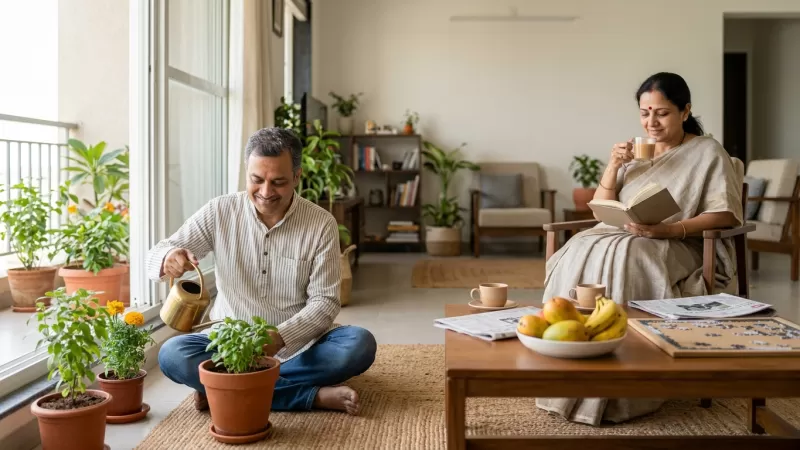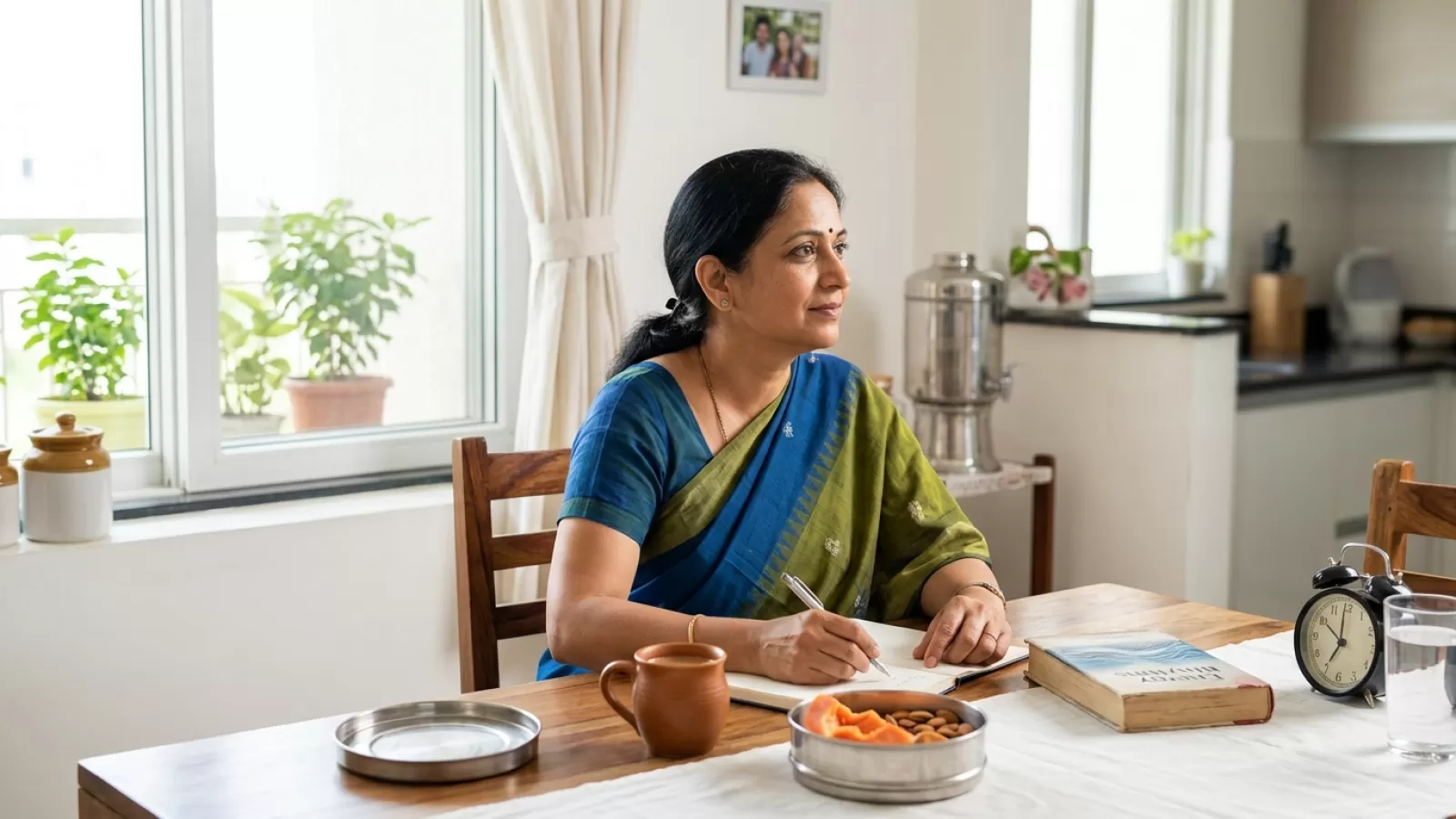
On most weekdays, the hum of a mixer grinder in a Bengaluru apartment at 7:30am blends with the clatter of lunchboxes and hurried footsteps. In these moments, every Indian adult in the house rides their own natural energy rhythm, though few ever call it that. For some, there’s a quiet sharpness after morning chai; for others, a gentle focus only settles in once the house empties out and the sun climbs higher.
Many working adults sense their best hours for deep thinking or focused work — even if they never write it down. That said, the real trick with natural energy rhythms Indian adults experience is not just noticing these patterns, but gently working with them instead of against them, especially when daily routines can feel relentless. Most people in busy Indian homes are already managing daily energy patterns India-style, often without realizing it.
Recognising Your Personal Energy Rhythm In An Indian Home
Natural energy rhythms Indian adults experience tend to show up as predictable cycles: a morning spark, a post-lunch dip, a late-evening burst, or a slow fade after dinner. In many homes, this pattern repeats itself quietly each day, shaped by meal timings, family demands, and even the season. Someone might always feel most alert just after breakfast, while another finds their focus in the stillness of late afternoon, long after the tiffins have been packed away.
Unlike the idea of powering through from sunrise to sunset, working with energy cycles India-style means accepting these ebbs and flows. In joint families, seniors often plan their chores around their best hours, while young professionals commuting in city traffic might do their best thinking on the metro before the day’s meetings begin. The expectation to keep going at full speed is strong, but the reality is, Indian adult energy management throughout day is usually about rhythm, not endless stamina.
Why Daily Patterns Shape Our Energy Peaks
There’s a certain predictability to how each day unfolds. For example, the timing of dal-chawal for lunch or that much-awaited afternoon chai break creates natural markers in the day. These routines anchor our energy, as do shared household responsibilities.
Nutritionists working with Indian families often find that energy slumps aren’t just about what you eat, but when you eat it. Skipping breakfast, heavy fried snacks, or late-night dinners can throw off your natural rhythm. The body tends to respond to familiar cues — the aroma of morning filter coffee, the sound of pressure cookers, the hush after lunch. And, of course, the heat in most Indian cities during summer can leave everyone a bit more drained in the afternoons, making managing daily energy patterns India-style a small art of its own.
Here is the catch: modern work schedules rarely match up with personal energy cycles. Many adults in India find themselves doing their most demanding work during their natural low periods, simply because that’s when meetings are scheduled or when the house is quiet. Those who quietly rearrange their toughest tasks to line up with energetic peaks — even if it’s just shifting a phone call to before lunch — often find the day feels a little smoother.
Clues Your Energy Rhythm Is Out Of Sync
- Consistent post-lunch fog: Many people find themselves struggling with focus or feeling sleepy after a big lunch of rice, dal, or sabzi. It’s not laziness — it’s a common natural dip.
- Best ideas coming outside office hours: If your most creative thoughts arrive while chopping onions at 8pm or during a morning walk, your true focus hours may not match your work schedule.
- Low patience in the early evening: In many homes, tempers flare around 6pm. This often signals an energy trough — especially if you haven’t had a snack or some downtime.
- Mechanical work feels easier during low periods: Many adults notice admin tasks, replying to emails, or folding laundry feels manageable even when they’re tired, while big decisions feel impossible.
- Feeling wired but not productive at night: Sometimes, after a late dinner or scrolling through the news, you feel alert but unable to focus. This ‘second wind’ is real, but rarely useful if it keeps you up too late for restful sleep.
Ways To Work With, Not Against, Your Rhythm
- Notice your best hours: Watch for patterns — when do you breeze through to-do lists? Is it before breakfast, after your second chai, or late at night when the house is quiet? Write down these times for a week. Many find their natural energy rhythms Indian adults experience are surprisingly consistent.
- Align important tasks with energy peaks: Try scheduling your most demanding work during your sharpest hours. If you always feel focused between 10am and noon, save big decisions for then. Managing daily energy patterns India-style sometimes means nudging less urgent chores to later.
- Use low periods for routine work: Reserve admin tasks, replying to WhatsApp groups, or prepping dinner ingredients for your slower hours. Working with energy cycles India means not forcing yourself to be creative or strategic when you feel drained.
- Anchor your day with familiar routines: Chai breaks, a quick stroll on the balcony, or a few minutes listening to music can help reset your energy. Many Indian adults find these routines act as natural signposts, gently lifting a low moment without forcing it.
- Plan meals that support your rhythm: Heavy, oily lunches tend to sap energy. Some have found that lighter meals — a small portion of rice, dal, dahi, and sabzi — help them avoid that 3pm slump. If you do feel sluggish, a handful of makhana or fruit can help steady you until dinner.
How Energy Cycles Shape Everyday Indian Life
In a Chennai home during the monsoon, the early morning buzz starts with someone grinding chutney while others quietly sip their first filter coffee. By 10am, the house is humming — school drop-offs done, the newspaper read, and early emails answered. Then, around 2pm, a hush falls. Even the ceiling fans seem to slow as the day’s heat peaks and everyone takes a breather after lunch. This is often when the energy trough hits hardest. Some working adults use this time for routine calls, while seniors nap or watch TV.
Later, as the sun drops and cooler air drifts in, energy perks up again. Children race through homework, someone kneads atta for rotis, and the kitchen fills with the scent of tadka. For many, the best conversations or creative moments come now, when the day’s rush has softened.
This rhythm repeats in countless ways across Indian cities and towns — shaped by household rhythms, traffic jams, power cuts, and even the cricket match schedule. Adjusting to these cycles is less about strict rules and more about gentle awareness: tuning in, adapting, and making small shifts that suit your natural energy rhythms Indian adults experience every single day.
When It’s Time To Ask For Help
If you find that your slumps are getting deeper, lasting longer, or making it hard to get through even simple tasks, it’s worth checking in with a doctor. Sometimes, constant tiredness can signal something more than a natural energy dip — especially if it’s new or doesn’t change with rest, food, or routine tweaks. Most of the time, small changes help, but it’s always okay to seek advice if your body feels off-kilter.
Common Questions
Natural energy rhythms Indian adults experience raise a lot of small, everyday questions. If you’re curious about whether your post-lunch slump is normal, or how meal timings affect your focus, you’re not alone. Here are some answers rooted in familiar Indian household routines.
What are the typical daily energy rhythms of Indian working adults and how do they differ between individuals?
In many Indian homes, adults notice a clear morning burst after chai or coffee, a slow dip post-lunch (especially if rice or heavy foods are involved), and a gentle rebound in the evening as the house settles. That said, some people feel their sharpest late at night, while others fade fast after sundown. The difference often comes from daily schedules, family demands, and meal habits. Managing daily energy patterns India-style means noticing your own cycle, even if it’s different from others in your home.
How do you identify your own personal energy pattern as an Indian adult?
Watch for when you feel focused or sluggish during the day. Many working adults jot quick notes for a week: “Felt alert after 9am chai,” or “Sleepy post-lunch, but fine by 4pm.” Fitness coaches who train working adults often find that most movement in Indian homes comes from daily tasks, not planned exercise. Over time, you’ll spot your peaks and dips — and can start working with energy cycles India-style.
What is the most effective way to align daily work and tasks with your personal energy peaks?
Try shifting your most demanding tasks — important calls, writing, problem-solving — to your sharpest hours. For many, this is mid-morning or just after breakfast. Routine work (emails, chores) can fit into low periods. Indian adult energy management throughout day is about gentle adjustments, not total overhauls. Even small shifts, like moving a meeting to the morning, can make a big difference.
How does the Indian daily schedule — meal times, chai culture, traffic patterns — interact with natural energy rhythms?
Indian schedules naturally create energy highs and lows. Chai breaks, lunch hour, and traffic jams all act as markers. Many people find their focus dips after lunch, especially with rice-heavy meals. Chai or coffee in the afternoon can perk you up, but too much late in the day might disrupt sleep. Managing daily energy patterns India-style means being aware of these routines and noticing how they shape your energy.
What daily habits help Indian adults strengthen their natural energy peaks rather than trying to sustain the same level all day?
Start with regular meal times, lighter lunches, and planned chai breaks. Short walks, a few minutes of stretching, or sitting quietly on the balcony can help reset energy. Many families have quietly discovered that even a quick chat or listening to music can lift a low spell. Working with energy cycles India-style is about gentle routines, not forcing yourself to be “on” from dawn to dusk.