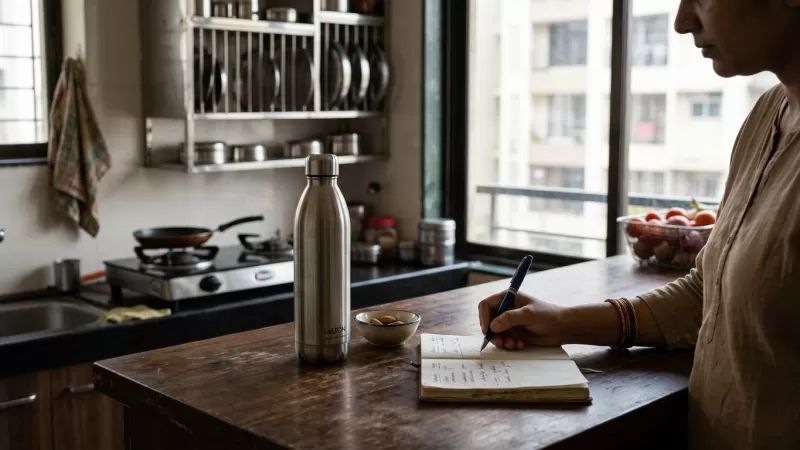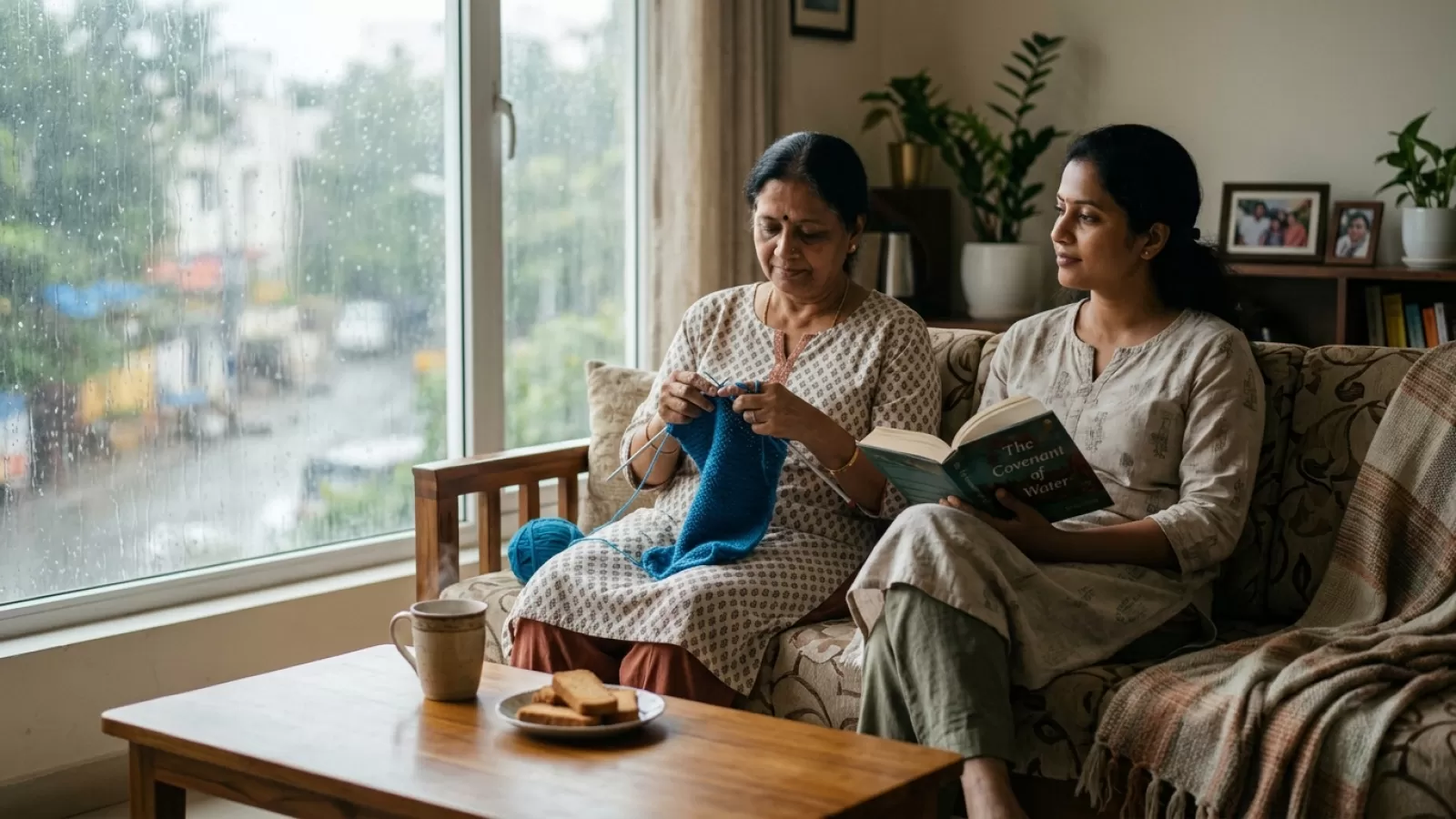
When the weather keeps you indoors for days—maybe heavy rains in July, a long Delhi winter fog, or even those sticky weeks before the monsoon—you start to notice small shifts. Sometimes, it’s the restless feeling after lunch, or the way everyone seems quieter during evening chai. Many families quietly deal with this: the sense of being cooped up, missing fresh air and a regular flow of outside errands, walks, or even just the noise of street life. If you’re finding your mood dipping or your body feeling a bit heavy, you’re not alone. The good news is, a few gentle changes inside your home can help you feel steadier, even when you can’t step out much.
Notice What's Different—And Accept It
First, it helps to simply acknowledge: being stuck indoors changes things. Your sleep patterns may shift, your energy can dip, and the house can feel smaller. This isn’t just in your head; it happens in many homes, especially when the weather drags on for days.
Try not to fight the feeling too hard. Instead, accept that you might not be as energetic or cheerful as usual. Some days, you’ll get less done. That’s actually normal. If you live with family, you might even notice more small arguments or tension during these stretches.
It’s alright to slow down a little. Sometimes, just putting a name to what you’re experiencing—cabin fever, boredom, or simply feeling off—helps you move through it more gently.
Keep a Gentle Structure to Your Day
When you’re indoors for many days, the usual outside signals—like the vegetable vendor’s call, school bus horns, or even sunlight patterns—aren’t as noticeable. This can leave you feeling a bit unanchored. One way to support steadiness is to keep a light, predictable routine.
- Try to wake up and sleep at similar times, even if it’s tempting to nap more or stay up late.
- Keep meal times steady. Even if you don’t feel hungry, sitting together for dal-chawal or roti-sabzi at regular times provides a sense of rhythm.
- Include at least one small chore or activity at the same time each day—watering plants, folding clothes, or even a short prayer or breathing pause.
It doesn’t have to be strict. The idea is to give your day a gentle shape, so hours don’t just melt into each other.
Let Natural Light and Air In—Even a Little
Here’s the catch: not every Indian home has large windows or balconies, and during harsh weather, you may need to keep things closed. Still, any bit of natural light or air makes a difference.
If it’s safe, open a window for a few minutes in the morning and evening, even if just a crack. Shift your chai or breakfast close to the brightest spot in your home. If you have a balcony, spend a few minutes there, even if you’re just watching the rain or listening to street sounds.
These small acts remind your body and mind that the world is still out there. And on gloomy days, switching on a few extra lights does help more than you’d expect.
Move in Small, Comfortable Ways
In many homes, long days indoors mean a lot of sitting—on the sofa, at the dining table, or in bed with the TV on. After a while, you might notice your back or knees feeling stiff, or a dull tiredness. The tricky part is, motivation drops when you’re cooped up.
Instead of formal exercise, try gentle movement you can do without changing clothes or making a big plan. For example:
- Stand and stretch your arms and back before every meal.
- Walk around your home during phone calls or while waiting for the cooker whistle.
- Do simple ankle or wrist rolls while watching TV or listening to music.
- For those with stairs, going up and down once or twice a day is usually enough.
Even these small movements break up the heaviness and support both mood and comfort. You don’t need to “work out”—just keep your body from staying in one position for too long.
Eat Familiar, Light Meals—But Add a Twist
When the weather keeps you inside, meal times can become the main event. Some people tend to overeat out of boredom; others lose their appetite. There’s no perfect answer, but sticking to familiar, light Indian meals often supports steadiness best.
Think simple dal, sabzi, curd rice, poha, or khichdi. These are easy to digest and don’t weigh you down. During cold spells, warm foods like upma, soups, or a little ghee on roti add comfort. In muggy weather, dahi, cucumber, or a squeeze of nimbu keeps things fresh.
If meals are starting to feel dull, consider small changes—fresh coriander, a squeeze of lemon, or a different sabzi. And, if everyone’s at home, try sitting together for at least one meal a day, even if it means adjusting schedules a bit. Shared meals quietly support emotional steadiness.
Make Space for Quiet Pleasures
Many people find that being indoors for long stretches can make everything feel a bit flat. The days blur, small annoyances grow, and even the TV starts to lose its charm. Here’s where it helps to gently create space for small, quiet pleasures you usually skip in busier weeks.
- Play your favourite old songs or bhajans for a few minutes each day.
- Bring out a board game or a deck of cards, even if it’s just for 10 minutes.
- Try a little handwork—knitting, folding old newspapers, or even sorting family photos.
- If you enjoy reading, keep a book or magazine handy and dip in for a few pages.
It’s less about keeping busy, more about making the indoors feel less like a waiting room and more like your own space again.
Stay Connected (But Allow for Quiet Time)
During long indoor spells, it’s easy to feel a bit cut off. In many Indian homes, the phone becomes a lifeline—WhatsApp groups, family calls, sharing recipes or jokes. These connections matter, especially for seniors or those living alone.
At the same time, constant news or chatter can sometimes feel overwhelming, especially if the weather itself is causing worry. It’s alright to gently limit screen time or mute noisy groups if you need a break. You can check in with loved ones once or twice a day—enough to feel connected, but not so much that it makes you restless.
Some families quietly use this time to talk more with each other, even if it’s just about what’s for dinner or laughing at an old memory. These small conversations add steadiness and warmth to the day.
Let Yourself Rest—And Don’t Feel Guilty
One thing often missed: being indoors for days is surprisingly tiring, even if you aren’t doing much. Many people, especially homemakers and seniors, feel guilty for wanting to nap, take things slow, or just sit quietly for a while.
Letting yourself rest—whether it’s a little afternoon nap, just lying down with your eyes closed, or simply sitting with a cup of chai—is not laziness. It’s a natural response to the body and mind adjusting to a closed-in world.
Some days, a little extra rest is just what you need to feel steady again. No need to judge yourself for it.
In the end, being stuck indoors doesn’t last forever. With a few small, gentle patterns, you can help yourself and your family feel a little more comfortable and steady, until you can step out again. Most homes, after all, find their own rhythm in time.