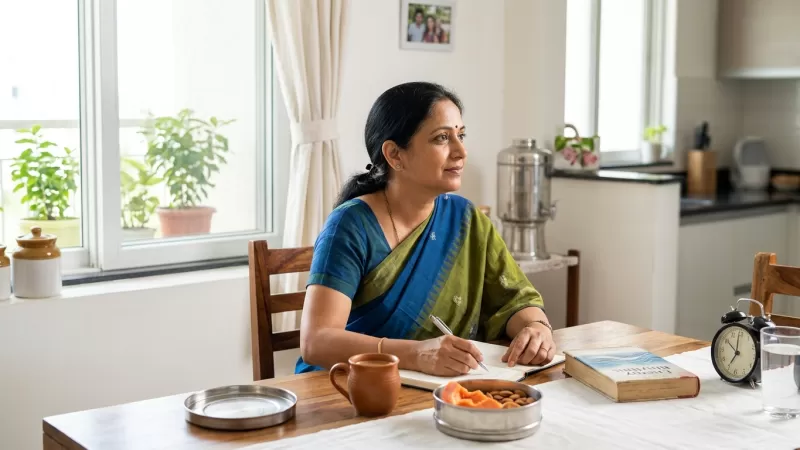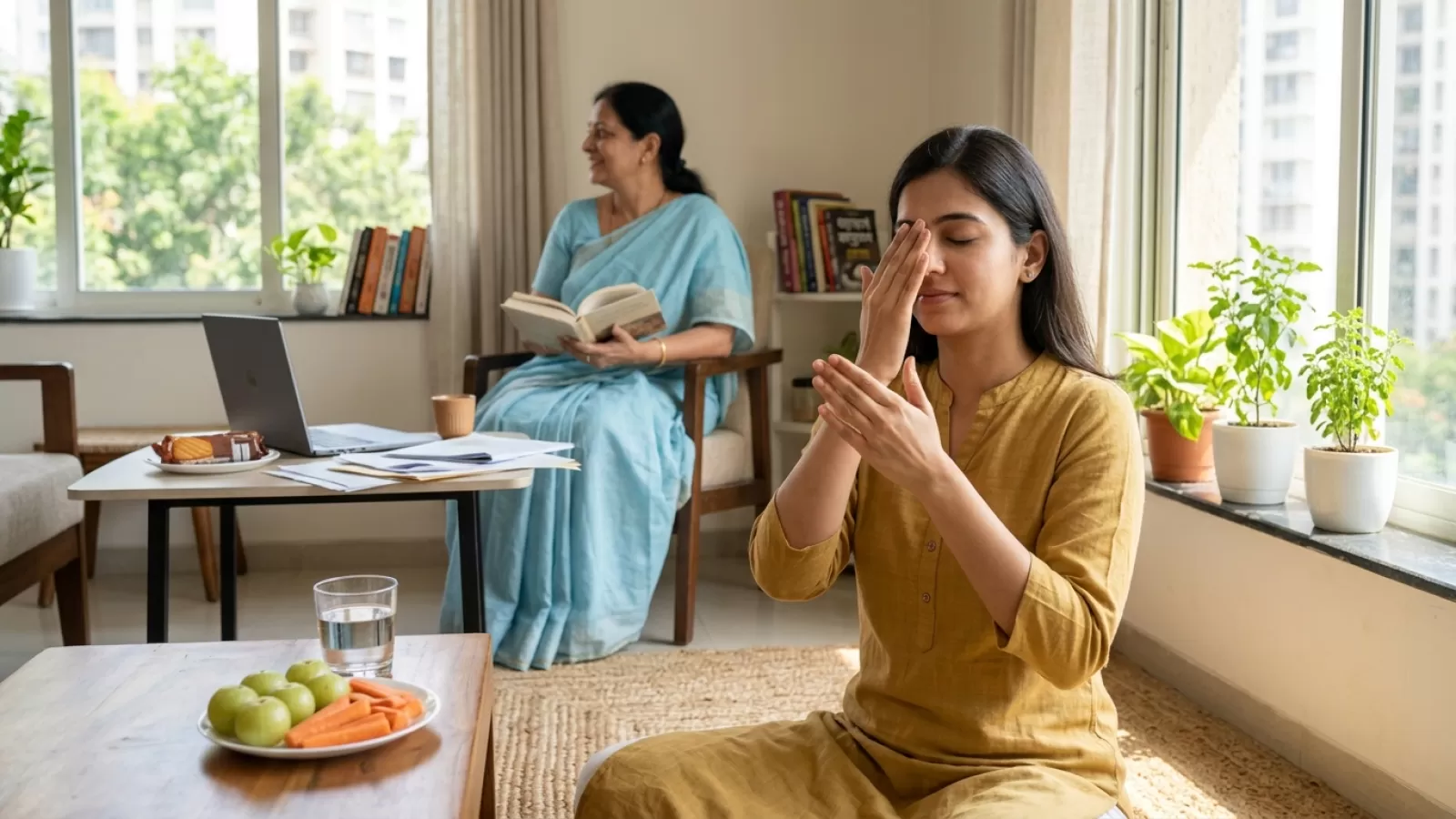
On a typical weekday afternoon in an Indian home, you might find someone rubbing their eyes after hours of video calls. The fan whirs, chai cools in a cup, and the laptop screen glows on. These days, eye health habits for Indian adults on screens are not just for the tech crowd—they matter for anyone whose work, shopping, or even catch-ups with family happen online.
It’s not just about tiredness. Many adults in Indian cities and towns are quietly noticing specific eye discomfort—heaviness, dryness, or that odd feeling of blurred vision after long stretches in front of screens. Simple daily routines can make a huge difference, and you don’t need fancy gadgets or expensive glasses to start.
Why Screen-Heavy Indian Days Leave Eyes Feeling Tired and Heavy
In many Indian households, the day starts early, with news on a phone while sipping morning chai, followed by hours on laptops, mobiles, or tablets. Office workers, teachers, and even homemakers planning meals on recipe apps—all spend significant time looking at screens. This extended screen exposure, especially without breaks, is a big reason why adults feel burning or blurred vision by late afternoon.
Unlike reading a book, screen use tends to be continuous and immersive. Many find themselves glued to work chats, online meetings, or scrolling through reels. The room might be dim during a power cut, or the only light may come from the screen itself. Over time, this creates a perfect recipe for eye strain. The tricky part is, it doesn’t matter if you’re in a Bengaluru high-rise or a two-bedroom flat in Nagpur—the pattern is the same: long hours on screens, very few breaks, and rarely looking away into the distance.
Children, teens, and adults are all affected, but working professionals—especially those who work from home—often feel it most acutely. The comfort of sitting at home also means the temptation to keep working, streaming, or scrolling without pause. And in many Indian families, late dinners and evening chores mean screen time stretches into the night. Over days and weeks, this can quietly undermine eye health for Indian professionals and homemakers alike.
What Really Happens: Why Screens Make Eyes Feel Worse Than Books
There is a catch when it comes to screens. It’s not just the light or the content—it’s how our eyes behave differently compared to reading paper. When you stare at a screen, your blink rate drops sharply. This means your eyes don’t get the moisture they need. The air from fans, ACs, or even dry summer winds can make things worse, especially if you’re working in a small room with limited ventilation.
Most screens are positioned closer to the eyes, and often at a slightly upward or downward angle, forcing your eye muscles to stay focused at one distance for too long. Over time, this leads to a feeling of heaviness or burning. Optometrists who work with Indian office workers often find that the actual discomfort is less about total hours on the screen and more about how uninterrupted those hours are, combined with poor blinking and never looking at distant objects.
Another factor unique to many Indian homes is shared space. Someone might be working at the dining table where the light is uneven, or in a bedroom with one window and a tube light. The combination of close-up work, infrequent breaks, and household lighting can quietly add up, leaving your eyes feeling worse than if you’d spent the same time with a physical book.
Clues Your Screen Habits Are Affecting Your Eyes
- Persistent dryness or burning: You often feel the need to rub your eyes or splash water after screen sessions.
- Heaviness or tiredness in the eyes: Especially in the late afternoon or after back-to-back meetings.
- Frequent headaches: These tend to build up on days with non-stop screen work, especially in hot weather or with poor lighting.
- Blurred vision that clears after resting: If distant objects look fuzzy after hours on the laptop but improve after a break, it’s usually a sign of eye strain.
- Needing to squint or move the screen closer: This can be a subtle clue that your eyes are struggling to focus, or that the screen brightness isn’t right for your space.
In many homes, these signs are brushed off as just being tired, but they are gentle nudges from your eyes to take a pause.
Everyday Habits That Reduce Eye Strain for Indian Adults on Screens
- Follow the 20-20-20 rule: Every 20 minutes, look at something 20 feet away for at least 20 seconds. This simple habit helps prevent your eyes from getting locked at one distance. Many Indian professionals who try this for a week find their eyes feel noticeably less tired by Friday.
- Consciously blink more often: On busy days, blinking slows down without you realizing it. Try to remind yourself to blink fully—especially during long calls or when reading fine text.
- Adjust your screen setup: Place your screen about an arm’s length away, with the top of the screen at or just below eye level. In homes where space is limited, even a small adjustment (propping up a laptop on books) can help.
- Use proper lighting: Don’t work in a dark room with just the screen for light. A tube light or lamp behind your screen, or sunlight coming from the side, usually helps reduce glare and eye fatigue.
- Take micro-breaks: Stand up, stretch, and look out of the window every hour. Even a minute or two of looking at distant trees, buildings, or the sky gives your eyes a welcome change.
- Wash your face and eyes gently: After screen-heavy sessions, rinsing your face with cool water can refresh tired eyes. Many Indian adults find this simple act calming, especially after a long day.
These daily eye care habits for Indian screen workers are not drastic changes. They tend to fit naturally into household rhythms—during tea breaks, after finishing a section of work, or while waiting for dal to boil in the kitchen.
How Eye Strain Shows Up in Indian Daily Routines
In a kitchen in Nagpur at 6am, the day begins with the sizzle of tadka for poha and a quick scroll through WhatsApp. By 10am, the same adult is on a work call, eyes fixed on a laptop. At 3pm, there’s a familiar heaviness or itching—sometimes leading to a splash of water on the face, or a hurried rub of the eyes. Others in the home may notice the same thing—teenagers with online classes, seniors watching videos, or homemakers managing family accounts online.
What’s interesting is how eye health for Indian professionals is shaped by the pace of the home. Late dinners push work later. Afternoon power cuts mean switching from laptop to mobile. Shared spaces mean settling for whatever light is available. Many families have quietly discovered that the days with the least discomfort are the ones where people step out onto the balcony, look at distant trees, or chat facing away from screens for a few minutes—simple, often accidental habits that allow the eyes to reset.
When It’s Time to Speak to an Eye Specialist
If you notice that your vision remains blurred even after a good night’s sleep, or if headaches and eye discomfort don’t improve with breaks or changes in routine, it’s wise to check with an eye doctor. Sudden changes in vision, pain, or seeing flashes of light are not typical signs of screen fatigue. In these cases, don’t wait—get professional advice. Most screen-related discomfort improves with better habits, but it’s always better to be careful, especially as we get older or if there’s a family history of vision problems.
Common Questions
Eye health habits for Indian adults on screens are shaped by real home routines, not just advice from experts. Many families find that small changes—made during busy days—can add up to lasting comfort. If you’re wondering what matters most, or how screen time differs from reading a book, you’re not alone. Here are some answers to common questions from Indian homes.
What are the most effective daily habits for protecting eye health in Indian adults who spend many hours on screens?
The simplest habits make the biggest difference. Make it a point to look away from your screen every 20 minutes and focus on something far away—like out of a window or across the balcony. Keep your screen at an arm’s length and adjust your seat so you aren’t straining your neck. During chai or tea breaks, gently splash your face and eyes with cool water. In many homes, families find that sitting together for meals, away from screens, gives everyone’s eyes a needed rest.
How does screen work specifically affect the eyes differently from reading a physical book for the same duration?
Screens cause your blink rate to drop and keep your eyes fixed at one distance, often closer than when reading a book. Many Indian adults notice their eyes feel drier, heavier, or more tired after screen work compared to reading for the same amount of time. Screens also emit light and can glare, which is less common with paper books. Reading a book in natural light or under a lamp tends to be easier on the eyes than hours on a mobile or laptop.
What are the most common early signs that an Indian adult's screen habits are affecting their eye health?
The earliest clues are usually dryness, burning, or heaviness in the eyes after long screen sessions. Many people also notice more frequent headaches, a need to squint, or blurred vision that clears after resting. In Indian homes, adults often catch themselves rubbing their eyes or feeling the urge to step out onto the balcony for a quick break. These are all signs that your eyes need more regular rest from screens.
Do blue-light filtering glasses genuinely help Indian screen workers or are there more effective interventions?
Blue-light filtering glasses are popular, but most eye specialists say they aren’t a magic fix for screen fatigue. In Indian homes, the biggest relief usually comes from regular breaks, conscious blinking, and adjusting lighting—rather than relying on special glasses. If you’re comfortable with your current routine, these glasses may not be necessary. But if you still have discomfort after trying daily eye care habits, you can discuss them with your eye doctor.
When does screen-related eye discomfort in an Indian adult indicate vision changes that need professional assessment?
If you notice persistent blurred vision, double vision, or headaches that don’t go away with rest or breaks, it’s a good idea to see an eye specialist. In Indian families, adults sometimes ignore these signs, thinking it’s just tiredness. But if discomfort continues even after you’ve tried changing your habits, or if you notice new symptoms like pain or sudden vision changes, it’s best to get checked. Early attention can prevent small problems from becoming bigger ones.