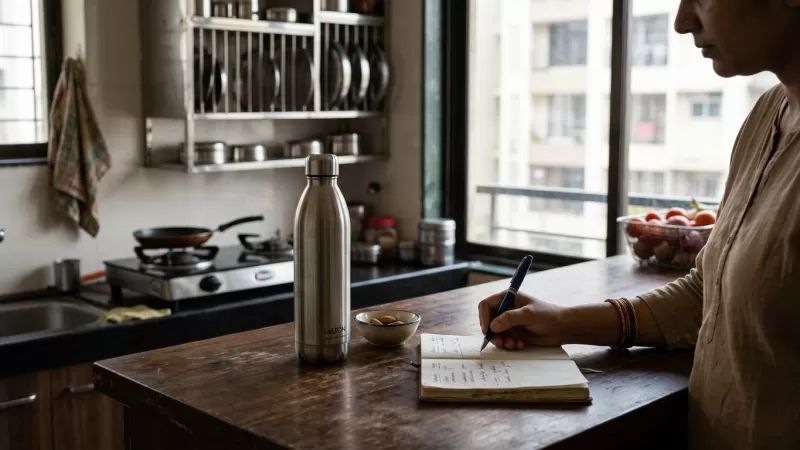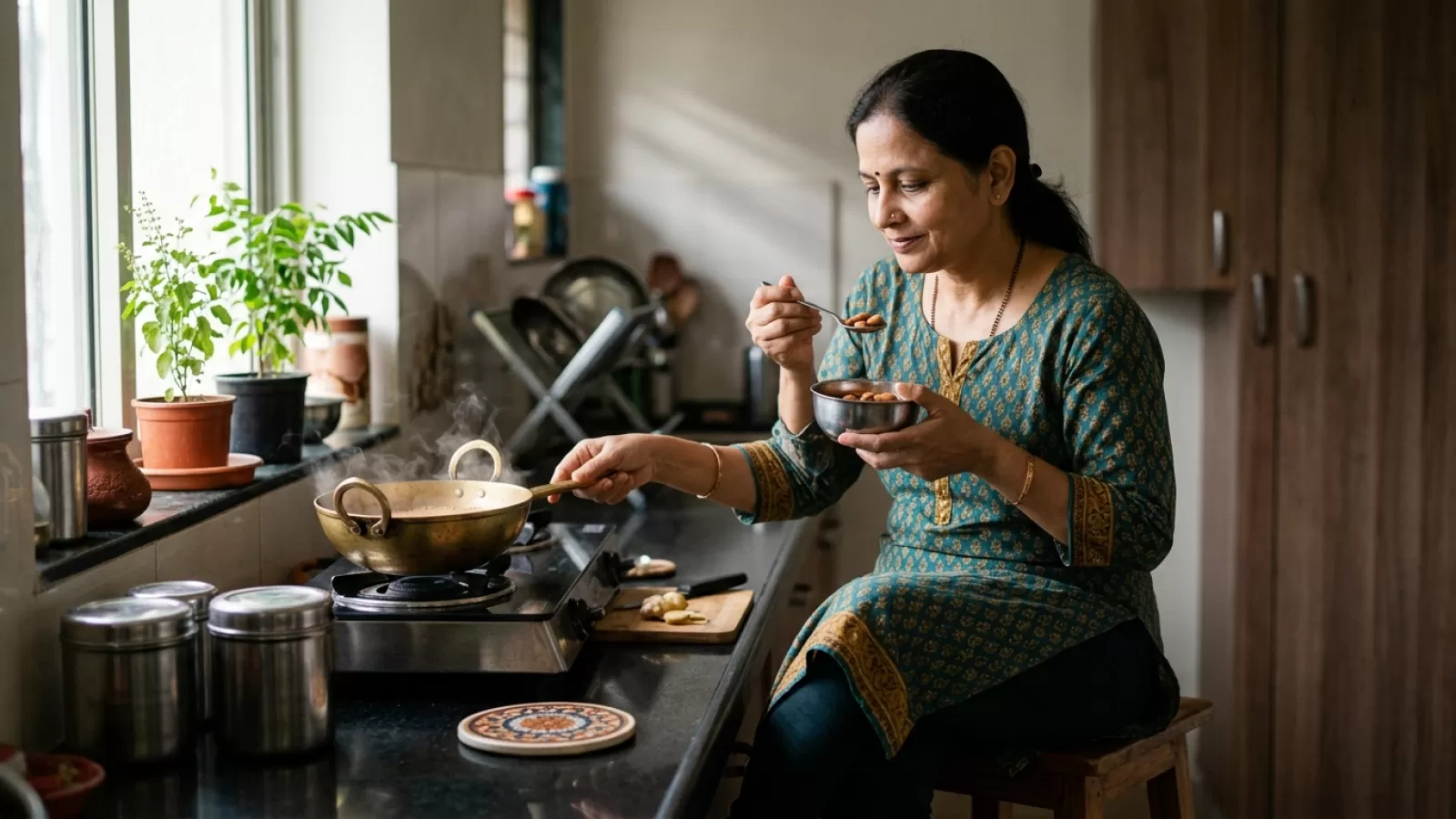
It’s a feeling that creeps in quietly for so many of us, especially when you’re the one keeping the home running—taking care of meals, laundry, school runs, work calls, aging parents, and sometimes, your own job too. By the time you finally sit down, the idea of “self-care” can sound almost like a joke. In many Indian families, looking after yourself tends to come last, after tending to everyone else’s needs. But here’s the catch: letting your wellness slip too far behind can slowly chip away at your energy, patience, and even your physical health. The good news? You might not need to carve out huge chunks of time or overhaul your life. Sometimes, it’s about gently weaving in tiny, practical moments of self-care right into your busy routine—without feeling guilty or overwhelmed.
Why Self-Care Feels So Impossible in Indian Homes
It’s not hard to see why so many homemakers and working professionals end up putting themselves last. Family expectations, social routines, and old habits all play a part. Many people grow up seeing mothers or grandmothers who rarely rested, always serving fresh food, keeping homes spotless, and barely sitting down to eat. That pattern just repeats, even as times change and schedules get busier.
These days, with double incomes and smaller families, the pressure hasn’t exactly gone down. Many women, and some men too, try to “do it all”—working late, helping with homework, running errands, and still feeling responsible for every cup of chai or plate of sabzi on the table. There’s often an unspoken guilt about putting your own needs before the family, especially for women. You may even feel embarrassed to admit you’re tired.
But the truth is, nobody wins when you’re running on empty. Even small, steady bits of self-care can help you cope better with daily stress, keep your energy up, and make you more patient with your loved ones. That said, here’s how you can gently fit wellness into your day without turning your life upside down.
Morning Minutes: Start on Your Terms (Even Briefly)
It’s rare to find a quiet, peaceful morning in most Indian homes. There’s usually a rush of alarms, tiffin packing, school uniforms, and quick breakfasts. Even so, there are ways to sneak in a couple of calm minutes before things get hectic.
- If you can, wake up just 10 minutes before the rest of the house. Use this time for a slow stretch, sipping water, or simply sitting by a window. No need for elaborate rituals.
- Some people keep their phone aside for the first 15 minutes, just to avoid that flood of WhatsApp messages and work emails. This helps you start the day on your own terms.
- If you’re religious or spiritual, even a short prayer or moment of quiet can ground you, especially when the day ahead looks packed.
Of course, not every morning will go according to plan. Some days you’ll oversleep or get pulled into early chores. Don’t be hard on yourself—just try again the next day.
Wellness in the Middle of Chores
This may sound strange, but some of your household tasks can quietly double up as wellness moments—if you pay gentle attention. Many families quietly deal with never-ending chores, but you don’t always have to rush through them on autopilot.
- When chopping vegetables for dal or sabzi, take a few slow, deep breaths. Notice the colors and smells. It’s a tiny way to stay present, especially if your mind keeps racing ahead.
- While sweeping or folding clothes, put on a favorite old song, or let yourself hum softly. Music can make even routine work a bit lighter.
- If you’re on your feet all day, occasionally roll your shoulders or stretch your neck while waiting for the cooker’s whistle. These micro-breaks help, especially if you tend to get stiff or achy.
It might feel silly at first, but over time, these mindful pauses add up. They don’t slow you down—they just help you breathe a little easier.
Eating Well Without Extra Work
Let’s be honest, most people don’t have time to make fancy salads or follow complicated diet plans. But you can still look after your nutrition with small tweaks to your existing meals.
- Try to add one extra vegetable—like a handful of spinach, some grated carrot, or a few beans—into your usual dal, sabzi, or upma. This boosts nutrition without extra cooking.
- If you tend to skip breakfast, keep simple options ready: a bowl of curd with fruit, poha, or even some soaked chana. You don’t have to eat a full meal to get going.
- During lunch, if possible, step away from your workspace or TV for even five minutes. Eating without distractions helps you feel more satisfied and prevents overeating.
And here’s something many people forget: it’s okay to eat the same dal-chawal or roti-subzi several times a week. Consistency matters more than variety, especially during busy periods.
Movement That Fits Into Your Actual Day
Not everyone has time (or the energy) for hour-long walks or yoga classes. But your body still needs some movement, especially when most of your day is spent sitting at a desk, in the kitchen, or on the sofa.
- Use waiting periods—like during the pressure cooker, or while water boils—to do gentle calf raises, arm stretches, or a short walk around the house.
- If you work from home, set an alarm to stand up and move every hour. Even a walk to the balcony or a few steps down the corridor helps.
- During phone calls, try standing or pacing rather than sitting. It sounds simple, but these tiny movements help keep your joints and mind flexible.
There’s no need to aim for 10,000 steps or perfect routines. The goal is just to avoid sitting in one position for too long—your back, knees, and neck will thank you.
Short Pauses for Your Mind
Here’s the tricky part: mental exhaustion can be harder to notice than physical tiredness. Many people feel guilty or restless if they stop to rest their minds. But even a few short pauses can make a real difference—especially on days when you’re juggling too much.
- Between tasks, close your eyes for one minute and focus on your breathing. It’s not meditation—just a pause.
- Step out to your balcony or an open window for two minutes, especially if you’re feeling stuck or irritable. Fresh air can help clear your head.
- In the evenings, after dinner, try to sit quietly for five minutes—no phone, no TV, just a cup of chai or a glass of water. Let your thoughts come and go without worrying about being “productive.”
It’s normal for your mind to wander. The point isn’t to empty your brain, but to give yourself a break from constant problem-solving.
Family Wellness: Involve Others (Without Lectures)
Trying to look after yourself shouldn’t feel like a lonely job. In many homes, people assume that “self-care” means shutting yourself away. But it can work better if you quietly involve your family—even in small ways.
- Invite your spouse or children to join you for a five-minute evening walk, or a quick round of stretching. No need to make a big deal out of it—just a gentle nudge.
- Share the load. Many hands do make lighter work, even if it’s just asking someone to chop onions or set the table. It’s not about making a statement—it’s about giving yourself breathing room.
- When you do find something that helps you feel better (like a song, a recipe, or a calming habit), share it with others. Sometimes, the smallest things catch on.
Remember, taking care of yourself isn’t selfish. When you look after your own wellness, you show your family that it’s okay for them to do the same.
Adapting Self-Care During Festivals and Busy Seasons
During festivals like Diwali, Durga Puja, or even family weddings, routines can go out the window. Meals get richer, sleep gets shorter, and there’s constant activity. In these times, self-care might look different—but it’s still possible.
- Try to snatch short breaks during the day—five minutes to yourself, even if it’s just a quick stretch behind a closed door.
- Don’t aim for “perfect” routines. Focus on the basics: staying hydrated, eating some fruit or salad along with festive food, and getting a few minutes of fresh air.
- If you’re feeling overwhelmed, say no to one extra chore or errand. Many families quietly respect these boundaries, even if nobody says it out loud.
Festivals are for joy and togetherness, not for burning out. Trust yourself to let go of perfection, just a little bit.
Gentle Reminders for the Overwhelmed
If you’re reading this and feeling that it all sounds nice but impossible, you’re not alone. So many people feel overwhelmed by the idea of adding “one more thing” to a crowded day. That’s completely normal.
Maybe you can only manage one wellness habit this week, or even just one moment a day. That’s more than enough. The aim is never to do everything “right”—just to remember that your needs matter, even in small ways.
Start wherever you are. Some days, just drinking enough water or sitting in the sun for five minutes is self-care. And that’s okay.
In the end, self-care isn’t about grand gestures or perfect routines. It’s about noticing your own needs, quietly and kindly, even when life is at its busiest. You deserve that much, at the very least.