Most Indian families know what it’s like when routines go out the window. A family wedding runs late, someone’s work-from-home call drags on, a child’s tuition class changes time, or the house help suddenly takes leave. Even the best-laid plans—meal times, exercise slots, sleep schedules—can get tossed about. So, if you’ve found it hard to stick to a fixed wellness routine, you’re not alone. The good news is, you don’t always need a strict schedule to take care of your health and peace of mind. Sometimes, a few flexible habits can be enough to keep you steady, even when the day keeps changing shape.
Why Routines Fall Apart in Indian Homes
Let’s be honest—life here rarely runs like clockwork. There are festival days, power cuts, guests dropping by, and even the weather playing spoilsport. Joint families deal with different generations’ rhythms, while nuclear families juggle everything from school runs to late-night work calls. Many homes run on a mix of tradition and modern chaos.
It’s easy to feel guilty when you read about perfect morning routines or see friends who always seem to fit in yoga. But for most of us, days are unpredictable. That doesn’t mean you can’t care for your health. It just means you might need to think about wellness a bit differently—less about strict routines, more about adaptable habits that fit in, no matter what’s happening.
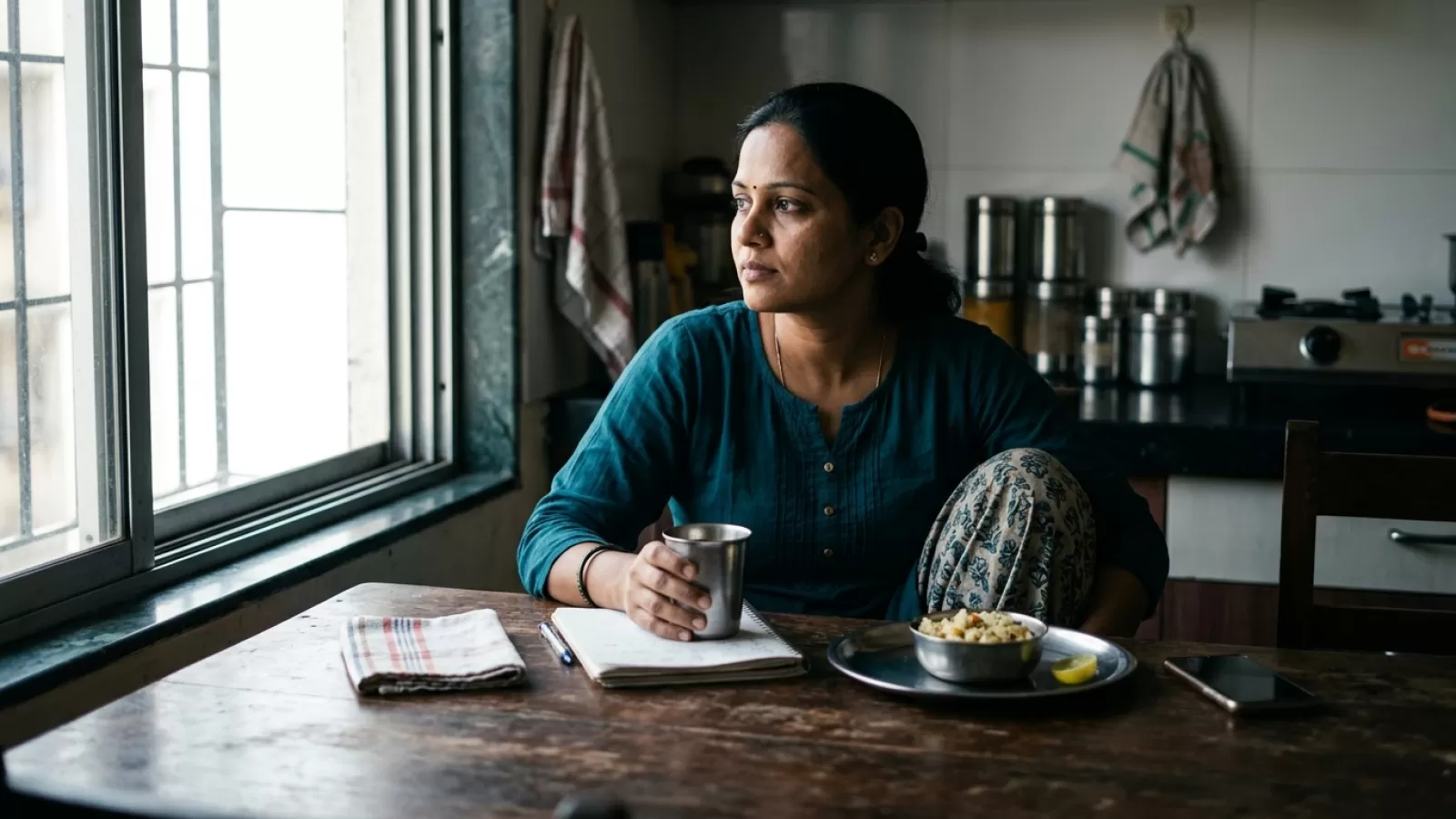
Some days you’ll manage a wholesome breakfast, other days it’s a quick cup of chai and a banana. That’s normal. The key is to find small, practical ways to keep yourself well, even if your timetable changes every week.
Flexible Eating: Making Meals Work Around You
In many Indian households, mealtimes shift depending on who’s home, office calls, or simply the day’s mood. You might eat early during summer, later after a festival gathering, or skip lunch because of a back-to-back meeting. It’s rarely picture-perfect.
Instead of aiming for strict meal timings, you can try focusing on:
- Keeping healthy staples handy: A box of roasted chana, fruit, soaked almonds, or homemade poha mixture can be a lifesaver when you miss a proper meal.
- Balancing your plate (whenever you eat): Try to include some dal or curd, a bit of sabzi, and a roti or rice. Even if it’s a late lunch or a quick dinner, this basic balance helps you stay steady.
- Listening to your hunger cues: Some days you might feel hungrier, especially after a tiring day or during changing seasons. It’s okay to eat a little extra, or to keep dinner light if you’re not very hungry.
The tricky part is not letting irregular timings push you towards packaged snacks or skipping meals altogether. If you keep things ready in the fridge—like some cooked dal, chopped veggies, or curd—it gets easier to throw together a quick, nourishing meal when you finally get a free moment.
Movement Without a Fixed Slot
Fitness in India can mean anything from a brisk morning walk to running up and down stairs carrying laundry. These days, with long hours sitting for work or school, many people worry about not squeezing in a proper workout. But exercise doesn’t have to be a fixed, uninterrupted hour.
Here are some ways to sneak in movement even when your day is unpredictable:
- Micro-movements: Stretch your arms and back while waiting for your tea to boil. Do a few squats while folding clothes. Many quietly fit these into daily routines.
- Family activity moments: Dance with your children, play catch with a pet, walk to the market instead of taking the scooter. These add up, even if it doesn’t feel like a ‘workout’.
- Stair climbing: Many apartment-dwellers use stairs instead of waiting for the lift. Just a few extra rounds can make a difference over a week.
If you miss a yoga session or walk, don’t let it become a reason to give up. Even a little movement is better than none. And some days, you just need to rest. That’s fine too.
Small Anchors: Moments of Calm in a Busy Day
When routines change, it’s easy to feel scattered or overwhelmed. Many homemakers and professionals find that tiny, repeated habits—no matter how small—help anchor the day. These don’t require much time or a quiet room.
Consider these calming practices:
- Deep breaths before meals: Take three slow breaths before starting your food, even if you’re eating standing up in the kitchen.
- Short gratitude pause: Before bed or after morning tea, think of one thing that went well that day. It can be as simple as a good phone call or a tasty sabzi.
- A moment with nature: Open the window, look at the sky, water your tulsi plant, or just stand on the balcony for a few minutes. These tiny pauses help, especially when the day feels rushed.
You’ve probably noticed that a few peaceful moments can make the rest of the day feel easier, even if everything else is unpredictable.
Managing Sleep When Nights Are Uncertain
Late dinners, noisy neighbors, power cuts, or a family member falling ill—many things disturb sleep in Indian homes. While everyone says 7–8 hours of sleep is best, it’s not always possible.
Here are some gentle ways to protect your rest, even if sleep time shifts:
- Try for a wind-down routine: Have a cup of warm milk, dim the lights, or listen to soft music as a signal to your body that it’s time to rest, even if you’re sleeping late.
- Daytime rest: If you couldn’t sleep well at night, a short afternoon nap (even 15–20 minutes) can help, especially for seniors or tired parents.
- Keep gadgets away: Many people watch videos on the phone late at night. If possible, put the phone aside half an hour before bed to help your mind settle down.
The main thing is not to worry too much if your sleep is broken for a day or two. Most people have periods of poor sleep, but the body often finds its rhythm again with a little care.
Hydration: The Quiet Habit That Helps Everything
In the rush of daily life, it’s easy to forget drinking enough water. With changing routines—especially in summer or during festivals when tea and cold drinks replace water—dehydration creeps up quietly. Many families quietly deal with headaches, tiredness, or acidity, not realizing the cause is often just not enough water.
Some practical reminders:
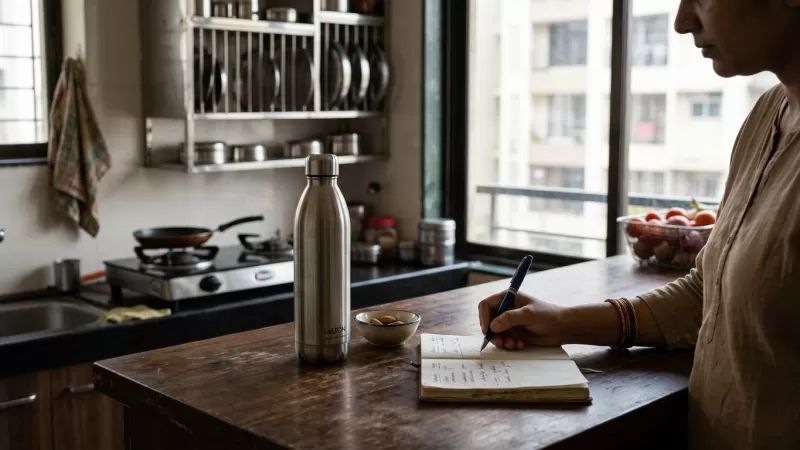
- Keep bottles visible: Place a water bottle on your work desk, beside the bed, or on the dining table. Out of sight is often out of mind.
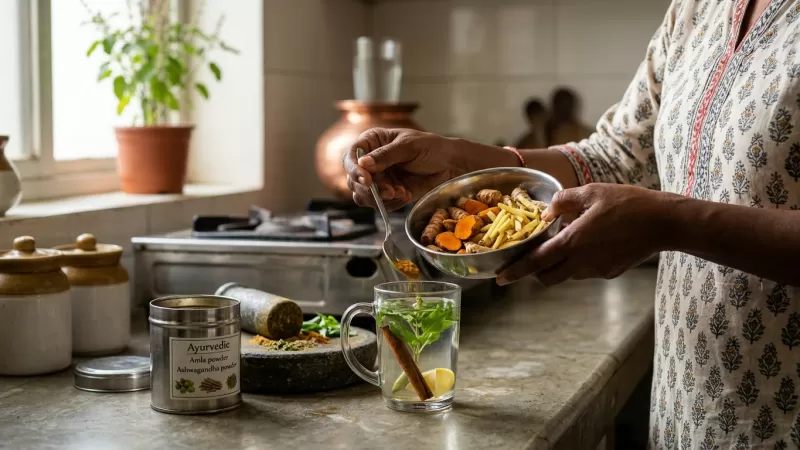
- Flavoured water: Adding a slice of lemon, tulsi, or a bit of jeera can make plain water more appealing, especially for children and seniors.
- Balance with chai and coffee: For every cup of tea or coffee, try to have a glass of water too, since these drinks can sometimes leave you more thirsty.
It’s a simple thing, but being mindful of hydration can quietly support your energy and mood, even on the busiest days.
Gentle Mindset Shifts for Peace of Mind
When schedules keep changing, it’s natural to feel irritated or even discouraged. Many people quietly blame themselves for not being more disciplined. But Indian homes are full of surprises, and expecting perfection is just unfair.
It can help to gently shift your thinking:
- Do what you can, when you can. Small steps still count. Eating one healthy meal, going for one walk, or pausing for a few deep breaths all add up.
- Let go of all-or-nothing thinking. You don’t have to give up a healthy habit just because you missed it once. Every day is a fresh start.
- Notice what’s working. Even on tough days, there’s usually something you managed—a quick walk, a good laugh, or a call to a friend. Allow yourself to notice these wins.
Here’s the catch: Life will always throw surprises. If you can be a little kind to yourself, it gets easier to keep going, no matter how often routines shift.
Simple Wellness Anchors for Every Indian Home
While everyone’s situation is unique, there are a few wellness habits that tend to fit into most Indian lifestyles, no matter how unpredictable things get. These can become your steady supports, even when everything else changes:
- Drink water before every meal.
- Have at least one serving of dal, curd, or a seasonal fruit daily.
- Move your body in some way—walk, stretch, or even just tidy up your room.
- Take a few minutes for quiet—whether it’s prayer, meditation, or just sitting in silence.
- Notice small joys—a tasty meal, a cool breeze, a favourite song.
None of these require a fixed time or fancy equipment. They quietly work in the background of family life, no matter how busy or unpredictable the day becomes.
There will be days when nothing goes as planned. That’s just how life is sometimes. But with a few flexible, practical habits, you can support your health and comfort—gently, without pressure, and in your own way.