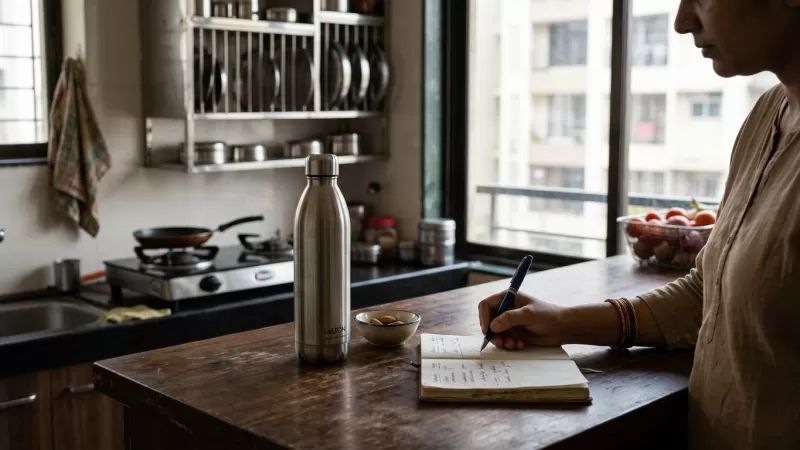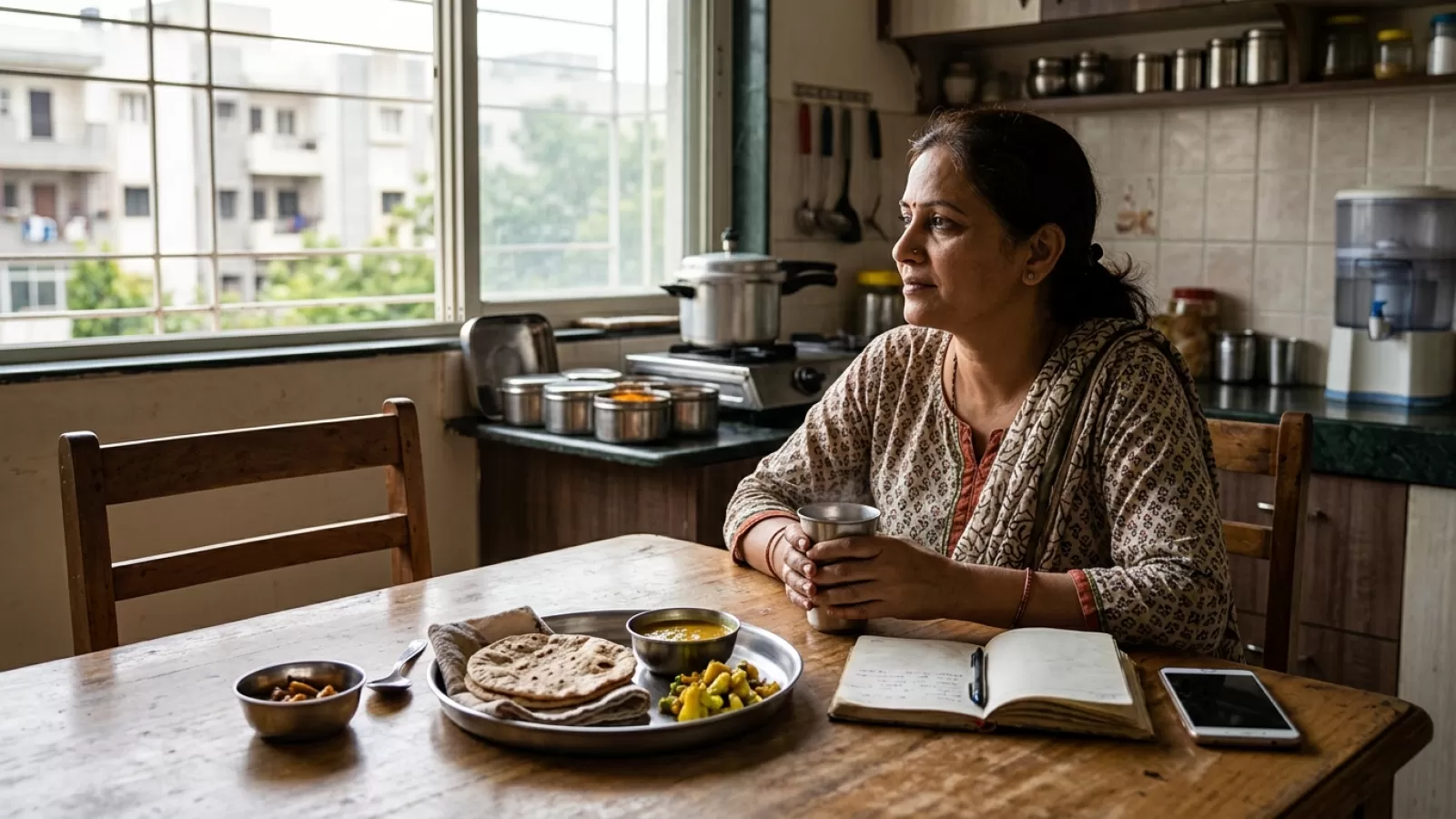
Life in most Indian homes rarely goes exactly as planned. One minute you’re setting out atta for rotis, the next you’re running to help a neighbour or taking an unexpected work call that stretches into dinner time. Schedules shift, plans fall through, and routines get interrupted—sometimes more often than we’d like. It’s easy to feel unsettled when your usual rhythm breaks, especially if you’re trying to look after your health or keep everyone comfortable at home. But there are ways to support yourself and your family, even when your day takes a sharp turn. You don’t need a perfect routine or any fancy tools—just a little flexibility and some old-fashioned common sense.
Embracing the Messy Middle
Many people try to stick to routines—morning walks, set meal times, or evening tea rituals. They help, but what happens when that routine is thrown off? Maybe a child falls sick, relatives show up suddenly, or you’re working late. Suddenly, the day looks nothing like you pictured it.
Instead of feeling guilty or frustrated, it’s sometimes better to accept that life in Indian households is rarely picture-perfect. There’s a certain comfort in letting go of the idea that everything must run on time. Messy days happen to everyone. In fact, many families quietly adjust their routines without making a big deal out of it.
Here’s the thing: comfort doesn’t come only from routines, but from how gently you treat yourself (and others) when things go sideways.
Flexible Food: Nourishment Without Fuss
Food is the heart of most Indian homes. When schedules change, meal planning can feel impossible. But you can still make sure everyone gets something warm and nourishing, even if it’s not what you’d planned.
- Keep a few basics handy: dal, rice, potatoes, and curd are usually life-savers. Even a simple dal-chawal meal can bring comfort after a chaotic day.
- If there’s no time for full sabzi-roti, try quick fixes: curd rice, upma, or a leftover pulao. Chutneys and pickles can fill in the flavor gaps.
- Some families keep boiled eggs or roasted peanuts around for those days when hunger hits but energy is low.
It’s okay if dinner is late or breakfast is just chai and toast. What matters is that you eat something that feels comforting, not perfect.
Small Movements and Quiet Moments
Fitness routines can be the first casualty of a schedule change. If your morning walk gets cancelled or you can’t fit in yoga, you might feel disappointed. But movement doesn’t have to look like exercise.
Try sprinkling small movements through your day instead of one big session. You might:
- Stretch lightly while waiting for tea to boil.
- Walk around your home during a phone call.
- Do a few ankle rolls or shoulder circles after sitting for long.
Even two minutes of gentle stretching or deep breathing, perhaps before bed or while standing by the window, can help your body settle. These small things add up, especially on unpredictable days.
Soothing Your Senses: Quick Comforts
When plans go awry, your nerves can feel frayed. A little comfort goes a long way, and it doesn’t always require time or planning.
In many Indian homes, simple sensory comforts are woven into daily life. A warm bath, fresh bedsheets, the smell of tadka in the kitchen, or a few drops of coconut oil massaged onto the scalp—these small rituals have a calming effect, even if your day is still swirling.
- Lighting a diya or incense stick during evening prayer can bring a sense of pause.
- Listening to old songs or bhajans, even for a few minutes, can be surprisingly soothing.
- Just sitting quietly by a window or balcony, watching the street below, can give your mind a break.
Some days, comfort is found in these tiny, familiar gestures rather than in big routines.
Staying Connected Without Pressure
When your schedule is upside down, it’s easy to feel isolated—especially for homemakers or seniors who spend long hours at home. But connection doesn’t always mean a lengthy phone call or a planned visit.
Sometimes, just sending a quick message to a friend (“Busy day, thinking of you”) or sharing a cup of chai with a family member can be enough. It’s the small check-ins that matter, not the perfect catch-ups.
During festivals or family occasions, things can get overwhelming. It’s fine to step away for a few quiet minutes or skip a call if you’re too tired. People understand more than we think, especially when life gets busy.
Letting Go of the Perfect Day
Many of us have a picture in our mind of the “right” day—everything ticking along, meals on time, everyone relaxed. But real life, especially in Indian homes, is full of interruptions—doorbells, power cuts, sudden errands, and endless WhatsApp messages.
It’s helpful to gently remind yourself that missing a morning prayer or skipping an evening walk does not undo all the good you do the rest of the time. The tricky part is not letting a small disruption make you give up on comfort for the whole day.
Try to focus on what went well: Maybe you still managed a five-minute chat with your spouse, or you got everyone to eat something warm. These things count, even if they don’t look like your idea of “wellness.”
Preparing for Unpredictability
While you can’t plan for every change, a little preparation makes it easier to bounce back. Many Indian families keep a few things ready for “emergency” days:
- Extra packets of milk, bread, or fruits for quick snacks.
- A few easy-to-make recipes stuck on the fridge.
- Some feel-good music or a favourite film ready to play when you need a mood lift.
It’s not about being perfectly prepared—it’s about making things just a bit easier when life gets hectic. Over time, you’ll find your own tricks that work for your family.
Remembering to Breathe
When your day unravels, it’s tempting to race through, fixing everything. But sometimes, the best you can do is pause for a breath. Just a few slow inhales and exhales—maybe while standing at the sink or before bed—can help your mind and body reset, even if only briefly.
These days, many people feel overwhelmed, especially with work-from-home, school-from-home, and the constant noise of modern life. It’s okay to feel tired. It’s okay to not have all the answers.
Comfort, at its heart, comes from treating yourself kindly when things don’t go to plan. That’s something you can offer yourself, no matter how your schedule shifts.