If you've ever tried to overhaul your daily routine—maybe after watching a YouTube video, reading a magazine, or talking to a well-meaning relative—you probably know the feeling: enthusiasm for a few days, followed by missed steps, then guilt, and finally giving up. In many Indian homes, especially with busy mornings and unpredictable evenings, these "perfect routines" just don't seem to fit. The good news? Lasting habits rarely come from strict, complicated schedules. Instead, they usually grow quietly from small, easy changes—and at a pace that feels almost effortless.
Why Complicated Routines Often Don't Stick
It's tempting to think that planning every hour of your day will bring order and success. Social media is full of colorful planners, bullet journals, and "5 a.m. miracle mornings." But in most Indian households, life rarely follows the script. School buses run late, relatives drop by unannounced, power cuts happen, and sometimes you just want to sit quietly with chai after dinner.
The tricky part is, when you try to force yourself into a rigid routine, even small slip-ups feel like failures. One skipped walk, one late meal, and suddenly the whole plan collapses. Many people quietly feel they're just not "disciplined enough"—but honestly, the problem is often the plan itself, not you.
So, what actually works for real families?
Start Smaller Than You Think
Here's something that surprises many people: the habits that stick are usually the ones that feel almost too easy at the start. If you're used to thinking "go big or go home," this might sound odd. But consider this—after a long workday or managing children, are you really going to jump into an hour-long workout or cook a complicated new dish?
Instead, pick something you could do even on a tired or busy day. For example:
- Want to walk more? Try just 5 minutes after lunch or dinner.
- Hoping to eat healthier? Add one extra spoon of sabzi and a little less fried food at lunch.
- Trying to keep the house tidier? Tidy just one shelf or corner while waiting for your dal to boil.
These changes might seem too small, but that's the point—they're almost too easy to skip.
Link Habits to What You're Already Doing
In busy homes, it's hard to create new routines out of thin air. But most days already have reliable anchors—morning chai, evening TV time, or the daily phone call with your mother. Linking a new habit to something you already do is gentler on the mind and much easier to remember.
Some examples that work in Indian homes:
- Stretch for two minutes while the tea boils in the morning.
- Drink a glass of water just before each meal—easy to remember, and helps with hydration.
- Do light breathing exercises right after you switch off the TV at night.
You've probably noticed that these "add-ons" feel less forced and more natural over time.
Adjust for Your Family's Rhythm
Every household has its own pace, and it changes with seasons, school timings, and family events. What works in summer holidays may fall apart during busy school weeks or festival seasons. Sometimes, routines need to bend a little, not break.
If you live with elders, young kids, or a partner who works odd hours, try to build habits that don't depend on strict timing. For example, instead of "evening walk at 6:30 sharp," try "walk after dinner, whenever that happens."
It's also okay if routines look different during Diwali or when relatives are visiting. Flexibility is a strength, not a weakness, especially in Indian homes where every week can bring surprises.
Use Gentle Reminders, Not Guilt
Here's the catch with habit-building: forgetting is normal. Even the most organized people lose track, especially when life gets busy. Instead of scolding yourself, try using simple reminders.
Some quiet, practical nudges many families use:
- Leave your walking shoes near the main door as a visual cue.
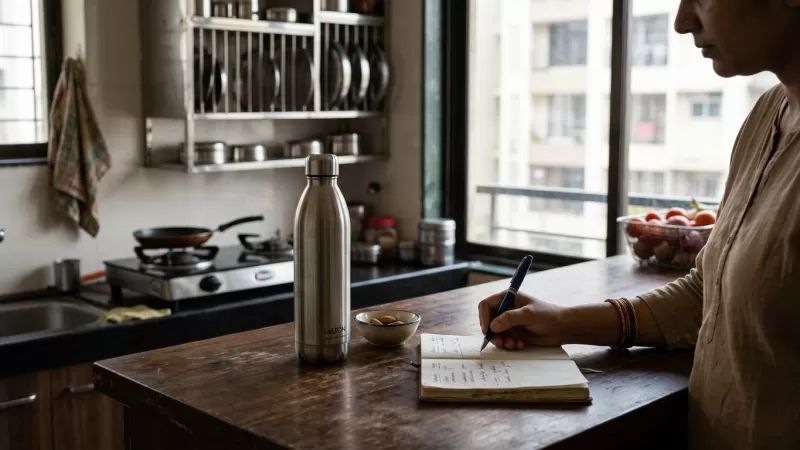
- Keep a bottle of water on your work desk or next to your bed.
- Put a sticky note near the kitchen for your daily phone call or gratitude moment.
Try not to turn reminders into another source of pressure. If you miss a day (or three), just start again. Most habits survive a few missed steps if you return calmly, without guilt.
Pace Yourself: Why Slow Habits Last Longer
Modern life often pushes for quick results—"Lose 5 kg in a month," "30 days to perfect skin." But real change, especially in Indian families with so much happening around, is rarely quick. Small, slow habits may not bring dramatic results overnight, but they tend to stick quietly in the background.
Think of it like planting a tulsi pot: you water it a little every day, and over weeks it becomes part of your morning, without needing reminders. The same goes for gentle habits—whether it's a five-minute walk or 10 minutes of quiet time before bed.
It's perfectly normal to feel impatient. But when you see a routine quietly become second nature—without fanfare—it's far more satisfying than any quick-fix plan.
Make Adjustments, Not Excuses
Sometimes, life gets in the way—illness, festivals, travel, or just plain fatigue. Many people quietly drop new habits at the first sign of trouble, thinking it's a failure. But in most Indian homes, routines need to bend and adjust, not break completely.
If you can't fit in your walk, maybe just stretch. If you miss your early morning meditation, squeeze in five quiet minutes before lunch or after dinner. The key is to make tiny adjustments rather than give up entirely.
You'll notice that over time, these small acts of flexibility build more confidence. You aren't "cheating"—you're living real life, with all its ups and downs. And that's okay.
Celebrate Small Wins (But Quietly)
In many Indian families, especially for homemakers and older adults, big achievements are rare and daily efforts often go unnoticed. But that doesn't mean your small wins aren't important. When you manage to stick to a new habit—even if it's just drinking more water or adding a fruit to your breakfast—give yourself a quiet moment of credit.
Some gentle ways to acknowledge progress:
- Share your success with a friend or family member who understands.
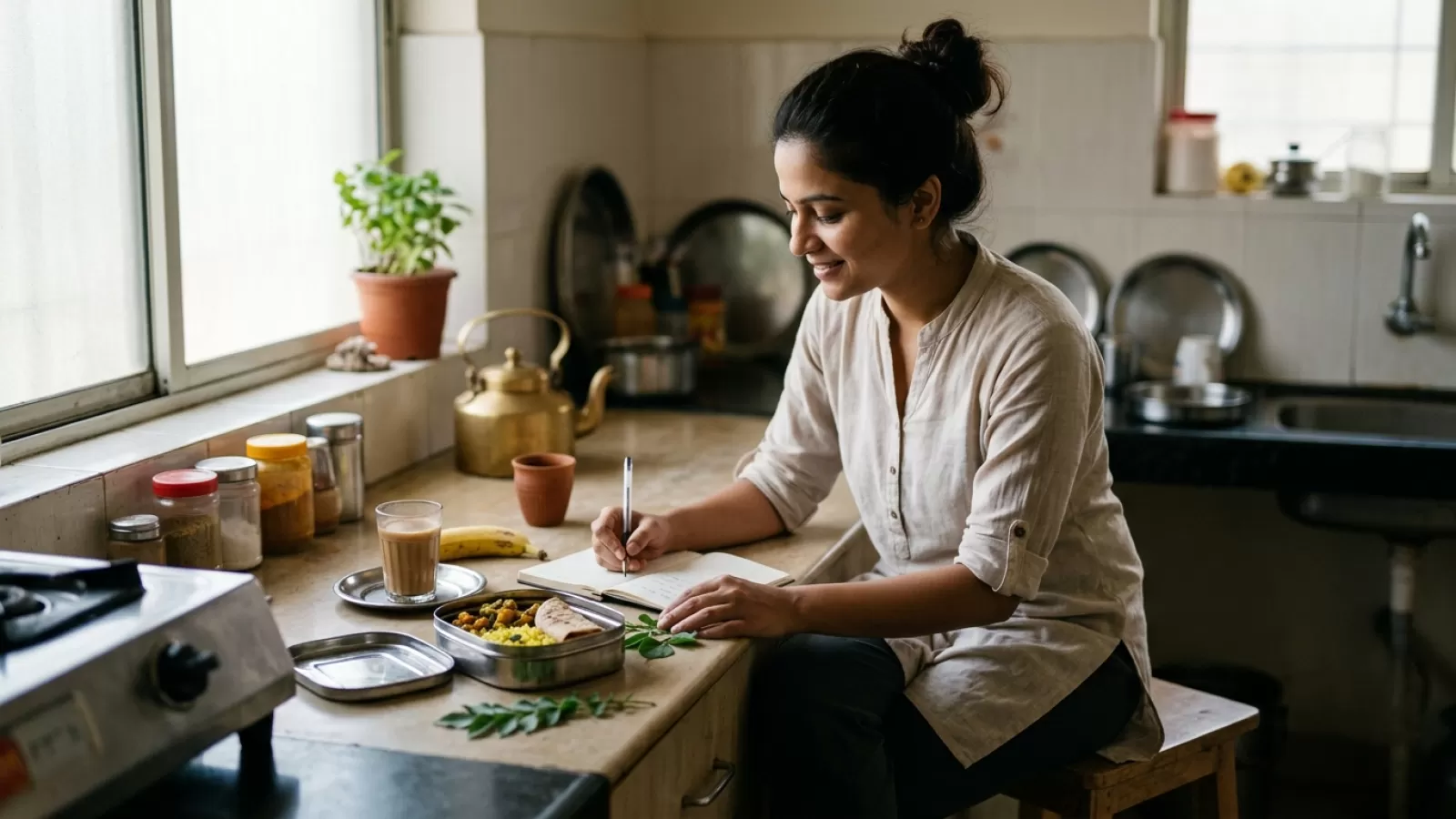
- Mark small milestones on a calendar—just a tick or a smiley face.
- Let yourself enjoy the good feeling that comes from keeping a promise to yourself.
There's no need for big celebrations or social media posts (unless you enjoy that sort of thing)—just a private sense of "I'm managing well, in my own way."
When to Revisit or Let Go
Sometimes, a habit that seemed like a good idea just doesn't fit your life, no matter how hard you try. Maybe the evening yoga class is too far, or the elaborate meal prep is too tiring after a full day. It's not a failure to let go or change direction.
Every few weeks, take a quiet look at your habits. Does this still feel helpful? Does it add a bit of ease or joy to your day? If not, adjust or drop it—without guilt. Your routines should serve you, not the other way around.
At the end of the day, the best habits are the ones that feel like a natural part of you—growing gently, lasting longer, and making life at home just a bit easier and brighter.