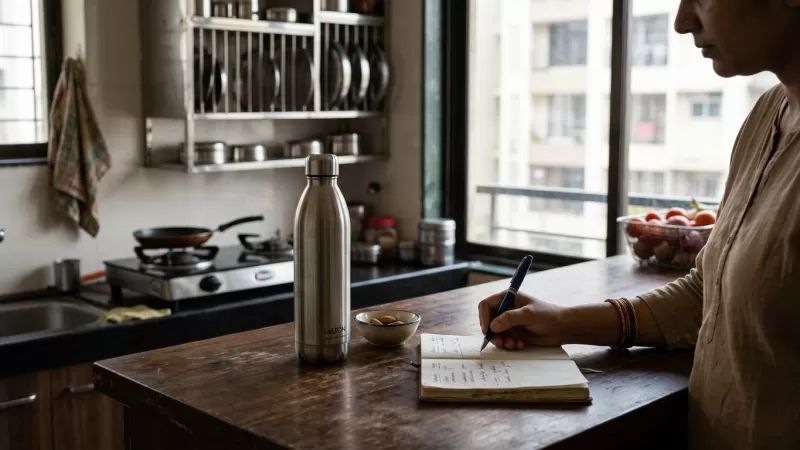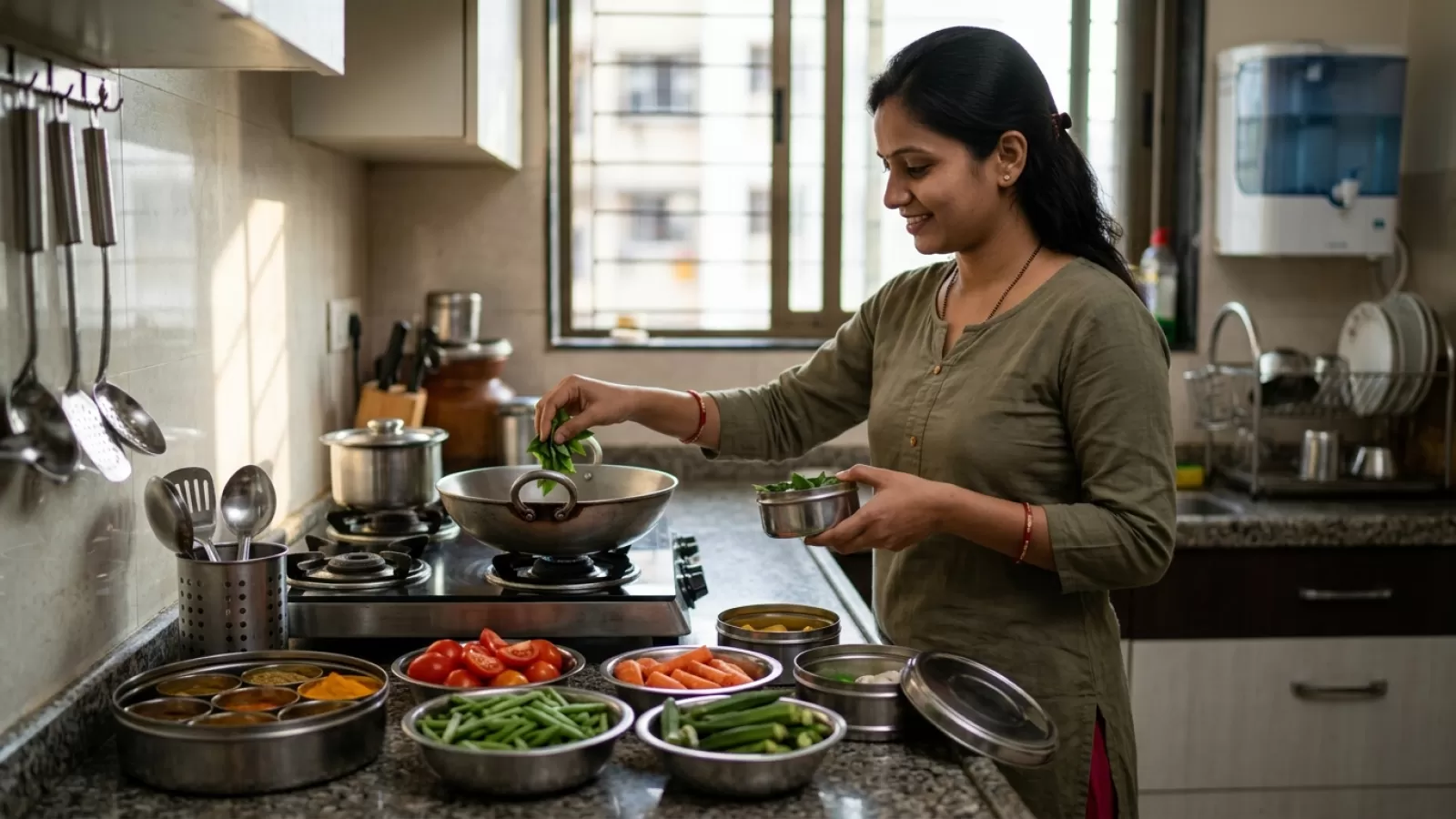
These days, it almost feels like the only thing constant in life is change itself. In many Indian homes — whether you’re raising school-going children, working late hours, or helping elders — daily routines can shift at the drop of a hat. One week you’re waking up early for a conference call; the next, you’re at a cousin’s wedding, and suddenly, your usual meal or walk time is nowhere to be found. Many people quietly worry: "With such a topsy-turvy schedule, how can anyone actually stay healthy?" The good news is, it’s possible to care for your body and mind, even if your timetable never looks the same two weeks in a row. Let’s talk about how.
Understanding Why Routines Fall Apart
You’ve probably noticed that, in real life, even the best-laid plans get disrupted — a last-minute office deadline, a sick child, or a festival that runs late into the night. In India, family needs, unpredictable power cuts, or even a neighbour dropping by for chai can throw off any schedule. That said, it’s not always about poor planning or lack of willpower. It’s simply how things work in many households.
Sometimes, hearing about strict wellness routines — like waking up at 5 am for yoga every single day — can feel discouraging if your mornings start at a different hour each day. But here’s the catch: wellness isn’t about perfection. It’s about finding steady, small habits that can thrive even when everything else is in flux.
It’s perfectly normal to feel a bit lost when your days don’t look like those magazine schedules. You’re not alone in this.
Making Peace With Irregularity
First things first: try not to beat yourself up for not having a fixed timetable. Life in most Indian homes is rarely predictable. Accepting that your days will vary is the first step toward building habits that actually last.
It helps to shift your thinking from “I must do this at 7 am every day” to “I will fit this in, whenever I reasonably can.” This mindset may sound simple, but it gives you room to breathe and adapt without feeling like you’ve failed.
Think of it as working with your life, not against it. Adaptable wellness is more practical than a rigid schedule, especially in homes where everyone’s needs pull you in different directions.
Anchor Habits: Your Flexible Foundation
Anchor habits are small, healthy actions you link to things that always happen, even on the busiest days. For example, you may not eat lunch at the same hour daily, but you likely brush your teeth, make chai, or check your phone each morning. These can become your “anchors.”
- Drink a glass of water right after brushing, no matter what time you get up.
- Do a few stretches while waiting for your tea to boil.
- Take three deep breaths before checking WhatsApp in the morning.
Over time, these small actions become steady points in your day — not tied to the clock, but to your own routines, however irregular they may be.
Flexible Meal Patterns That Work
One of the trickiest parts of shifting schedules is meal timing. In many homes, breakfast might be at 7 am on one day, and 10 am the next, depending on everyone’s plans. The idea isn’t to force yourself into set meal times, but to aim for some gentle steadiness in how you eat, even if the timing moves.
- Try to include something filling — like dal, roti, or poha — when you sit down for your first meal, whether it’s early or late.
- If lunch is running late, a small fruit or some roasted chana can keep you going without spoiling your appetite.
- On festival or wedding days, enjoy the special foods, but balance with plenty of water and a light meal when things calm down.
It’s less about precision, more about making the next reasonable choice with what’s available in your kitchen.
Movement That Fits Into Real Life
Exercise can feel impossible when your day starts and ends at unpredictable times. But staying active doesn’t need to mean a set hour of cardio or a gym membership. Many people find that weaving movement into the day, in bits and pieces, actually adds up.
Some practical ideas:
- Do a few squats or stretches while waiting for dal to cook or the geyser to heat up.
- Take a short walk inside the house during phone calls.
- Put on music and dance for five minutes — even kids and elders often join in.
On busy days, even a short burst of movement is better than nothing. Some weeks, all you can manage is walking to the local shop or sweeping the floor. That still counts.
Simple Sleep Rituals, Even Without a Fixed Bedtime
For many families, bedtime shifts with work calls, school projects, or visiting relatives. While fixed sleep hours are ideal, they’re not always possible. What helps is having a gentle wind-down ritual, whatever the hour.
- Wash your face and feet before bed — it’s a small act that signals winding down.
- Switch off bright lights and put phones away 10–15 minutes before lying down.
- A few slow, deep breaths or a quiet prayer can help your mind let go of the day.
These small rituals can soothe your body into rest, even if the clock says 11:30 pm one night and 9:45 pm the next.
Dealing With Guilt and Frustration
Here’s something many families quietly deal with: feeling guilty about not having a “healthy” routine. It’s easy to feel you’re not doing enough if you don’t follow what you see on TV or read in magazines. But, honestly, most homes juggle far more than meets the eye.
If you miss a walk or end up eating late because of work or unexpected guests, it doesn’t undo all your efforts. What matters more is returning to your small, flexible habits whenever possible. Progress isn’t erased by a bad week or two.
Gentle self-talk helps. Remind yourself: "I’m doing what I can, given my life right now." That’s more than enough most days.
Family Support and Sharing the Load
Trying to manage everything alone can feel overwhelming, especially when time is short and everyone’s schedules clash. In Indian families, sharing small wellness habits can help everyone feel involved — and sometimes, it even makes things easier.
- Encourage a family walk after dinner, even if it’s just around the building.
- Ask children to help with salad or fruit chopping; it’s a healthy habit and a shared task.
- Let elders lead simple breathing exercises before bed or after evening tea.
It’s not always possible, but sometimes, doing things together — even in a small way — makes the habit stick better. And when everyone’s on board, there’s less pressure on one person to keep things perfect.
Staying Steady in a Shifting World
There’s no single formula that fits every home, especially when routines change so often. The trick is to look for the few things you can do, most days, even when everything else is up in the air. It could be a glass of water at waking, a 5-minute stretch, or simply sitting quietly for a moment before bed.
No need to chase perfection. Small, steady choices — made again and again, at whatever hour life allows — go a long way toward keeping you well, even when your timetable isn’t fixed. After all, adaptability is a kind of strength too, and in Indian homes, it’s often the key to lasting wellness.