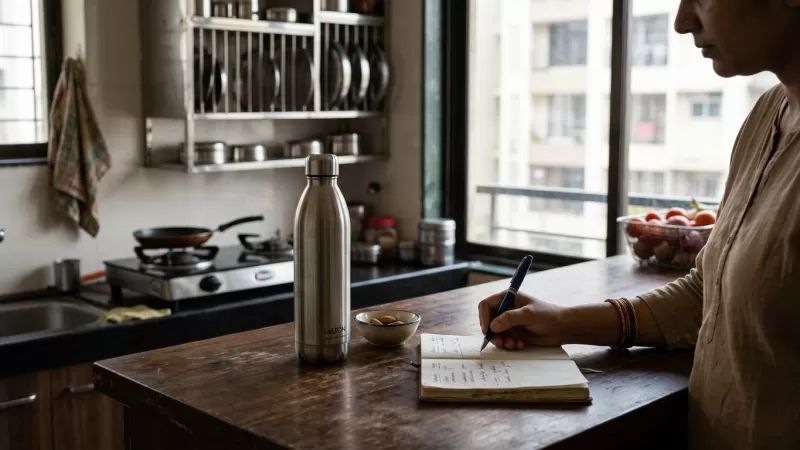
When your body feels heavy and tired after a long day—whether it’s from standing in the kitchen, hustling through the city, or just keeping up with your family’s needs—it’s tempting to ignore the aches and push through. But over time, that kind of weariness lingers, making even the simplest routines feel harder. A gentle recovery in the evening can make a surprising difference. It’s not about drastic changes or fancy products. Often, it’s the small, familiar habits that bring comfort and help your body slowly unwind before bed.
Understanding Physical Tiredness in Everyday Life
Physical tiredness isn’t always about big exertions. Sometimes, it’s the quiet, steady demands of life: sweeping floors, carrying groceries, climbing stairs, or just being on your feet for hours. Many Indian homes see this daily, especially with multi-generational families under one roof and shared responsibilities. You might find that your legs ache, your back feels stiff, or your arms are sore by the time the evening rolls around.
In recent years, with busier work-from-home routines and less outside help, the tiredness seems to build up even more. And yet, most people don’t talk about it much. It’s just there, under the surface. Some days, it might be mild, but on others, it can feel like you’re carrying extra weight.
Here’s the catch: physical tiredness doesn’t always go away with just rest. Gentle, thoughtful evening habits can help your body feel supported and cared for, making the next morning a little easier.
Setting the Right Environment for Recovery
After dinner, the house can feel a bit chaotic—dishes to wash, kids to settle, maybe some last-minute work. But carving out even 20 minutes for yourself isn’t selfish. It’s a kind of quiet investment in your own well-being.
Soft lighting helps create a calming mood. Many families use a dim lamp or leave just the corridor light on. A slightly cool room, especially during summer, feels more inviting for tired muscles. If you live in a noisy area, closing the windows or using a fan for gentle background sound can make a difference.
- Keep your phone away, or at least put it on silent for this short time.
- Wear loose, comfortable clothing—an old kurta or a soft nightdress is often best.
- Consider lighting an agarbatti or a diya if that feels comforting; these small rituals signal to your mind that it’s time to slow down.
These are simple steps. But they lay the groundwork for relaxation, which is often half the battle.
Soothing Your Body with Warmth
Warmth has a way of softening tension. In many Indian homes, you’ll notice elders still reach for a hot water bag when their knees ache or they’re feeling run down. The tradition has lasted for good reason—it works for many people.
If your back or legs feel heavy, a warm compress (like a towel dipped in hot water and wrung out) can be placed over the sore area for 10–15 minutes. During winter, just sitting with your feet in a bucket of warm water feels deeply soothing. You can even add a little bit of salt for tired feet—a habit that’s quietly passed down in many families.
This isn’t about fancy gadgets. It’s just about giving your body permission to pause and absorb comfort.
Gentle Movement and Stretching
It sounds strange, but sometimes, a little movement helps you feel less tired. Not exercise, but gentle stretching. After a day spent sitting at a desk or managing the house, your muscles get stiff. Simple stretches can help loosen things up before bed.
- Rotate your ankles and wrists slowly, a few times each way.
- Reach your arms overhead and stretch gently, breathing out as you lower them.
- If you can, sit on the floor and stretch your legs out, flexing and pointing your toes.
- Roll your shoulders backward and forward, letting your breath relax.
You don’t have to do a full routine. Even five minutes, with slow, steady movements, can be enough. You’ve probably noticed how much better you feel after a long yawn and stretch—this is much the same, just a bit more intentional.
Simple Self-Massage Rituals
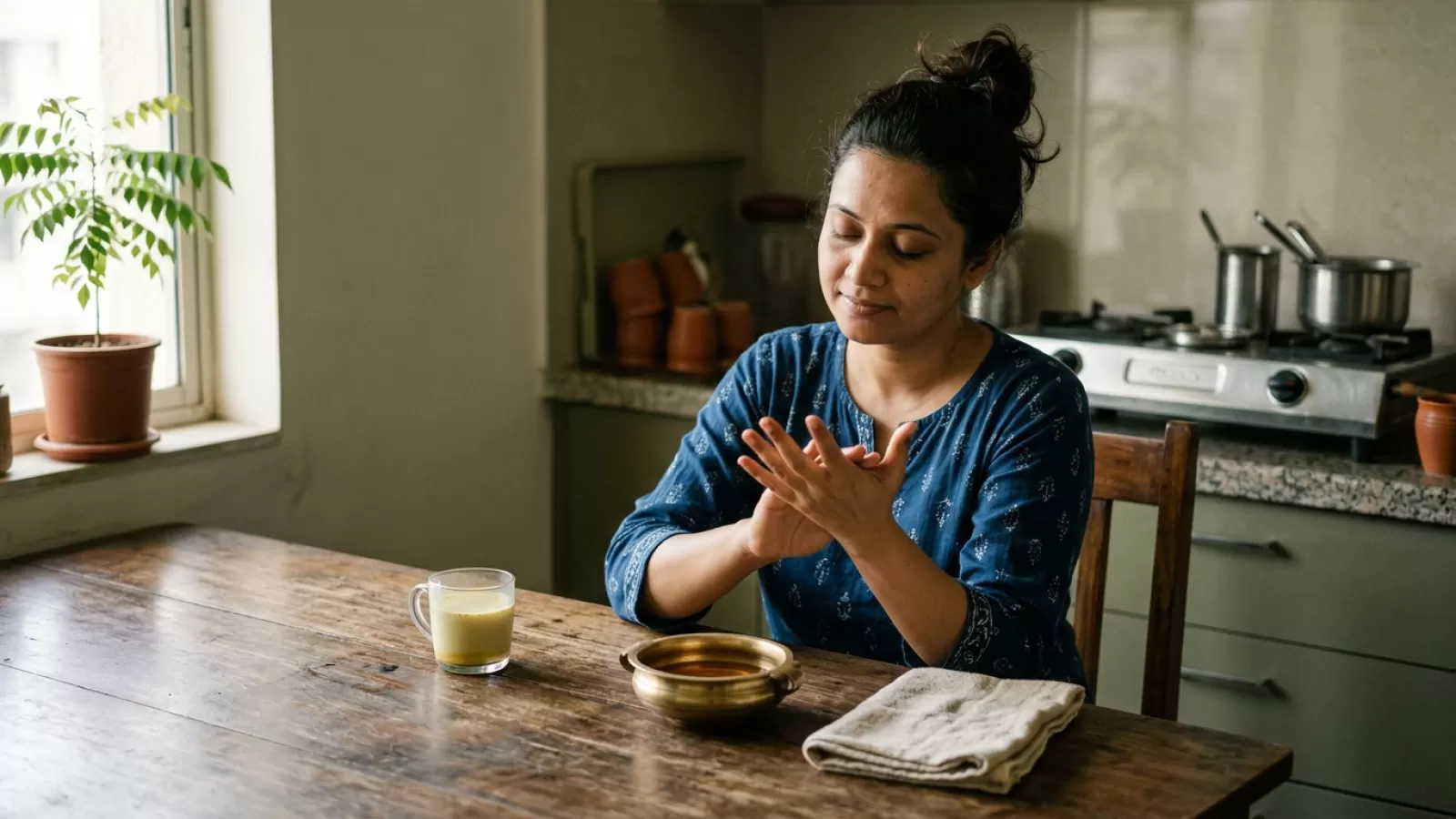
There’s something quietly comforting about massaging your own hands, feet, or neck at the end of the day. You don’t need any expensive oils or tools. Even a little coconut or mustard oil, gently warmed in your palms, works well in most homes.
Start with your feet. Rub the soles with your thumbs, press gently into the arches, and circle around your ankles. Move up to your calves if they’re aching. If your hands are sore—from chopping, typing, or carrying—massage each finger, and gently knead the base of the thumb. Many people find this helps their hands relax before sleep.
If your neck and shoulders feel tight, use your fingertips to make small circles at the base of your skull and down the sides of your neck. It’s not professional massage, but it’s surprisingly effective for everyday tiredness.
Comforting Evening Foods and Drinks
Heavy meals late at night can leave you feeling even more sluggish. After a physically tiring day, light, familiar foods usually sit best. Many families like a small bowl of warm dal, a bit of soft rice, or even a glass of warm milk with a pinch of turmeric. These foods are gentle on the stomach and tend to help with sleep.
If you’re feeling a bit dehydrated after running around all day, sip some warm water or herbal tea (like tulsi or chamomile, if you have it). Avoid too much chai or coffee in the evening, as it can make it harder to fall asleep.
- Don’t skip dinner, but keep it simple—khichdi, curd rice, or moong dal are all good options.
- Listen to your body’s signals; eat slowly and stop when you feel satisfied, not stuffed.
- If you’re used to having something sweet, try a small piece of jaggery or a date instead of heavy desserts.
Food habits at night can quietly set the tone for how refreshed (or heavy) you feel the next morning.
Unwinding the Mind for Better Body Rest
Physical tiredness and mental restlessness often go hand in hand. It’s hard to relax your body if your mind is still running through tomorrow’s to-do list or replaying the day’s stress. Many people quietly struggle with this, especially when work and home life blend into each other.
Try setting aside a few minutes to simply sit and breathe deeply. Some people like to listen to a gentle bhajan or soft instrumental music. Others prefer silence. If you enjoy reading, a few pages from a light book or magazine (not the news, which can be agitating) works well for many.
It’s okay if your mind wanders. The idea isn’t to force relaxation, but to give yourself permission to slow down. Over time, these small rituals help signal to your body that it’s time to let go of the day’s effort.
Preparing for Sleep—The Last Gentle Steps
As you get ready for bed, keep things as simple and soft as possible. Change into clean night clothes. Wash your face and hands—something about the cool water helps mark the end of the day. If you share a bed, try to keep the conversation light, or just sit together quietly for a few moments.
Keep your phone away from the pillow. Many people find that scrolling late at night makes it harder to sleep and can even leave them feeling more tired in the morning. Instead, focus on the feeling of the sheets, the softness of your pillow, or the gentle sound of a ceiling fan.
Some nights will be better than others. That’s normal. The main thing is to build a habit of small, caring steps for your body, so that physical tiredness doesn’t carry over into the next day.
Being Gentle with Yourself—Every Night is Different
The truth is, evening recovery isn’t about chasing perfection. Some days you’ll have more time, other days barely any. There will be evenings when the tiredness is too much, and you just want to fall into bed—and that’s okay.
On most nights, though, even a small effort to care for your body and mind can help you feel more settled. Try not to compare your routine with others. What works for you is what matters most. If you live in a joint family, you might find comfort in shared rituals—maybe everyone sits together for a few minutes, or someone tells a funny story before lights out.
Gentle, realistic habits—tailored to your own life—are more likely to last. And over time, they quietly add up, making each evening a little easier, and each morning a bit lighter.