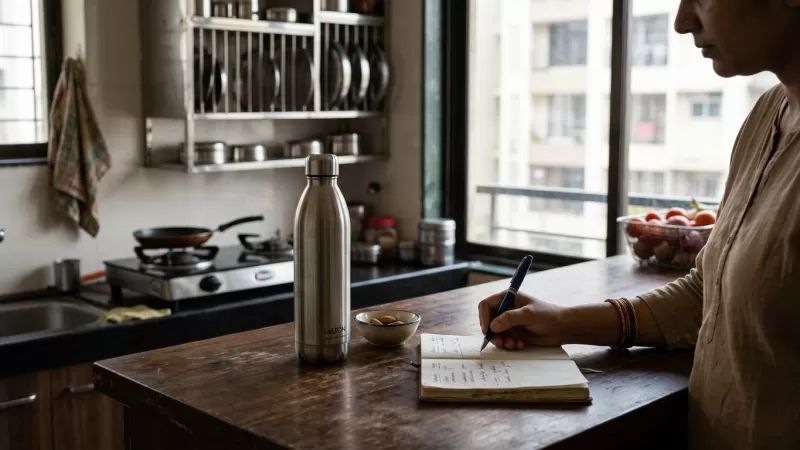
In many Indian homes, personal care often takes a backseat when life gets busy. Maybe you’re juggling work deadlines, helping kids with schoolwork, caring for elders, or just managing the daily rush of cooking, cleaning, and errands. It’s easy to skip those small self-care routines – the ones that seem unimportant at first glance. But over time, neglecting these basics can quietly chip away at your sense of wellbeing and even your self-worth. The good news is, supporting your wellness doesn’t have to be complicated or time-consuming. Sometimes, the simplest routines – like washing your face, changing into fresh clothes, or just taking a moment to breathe – can make a surprising difference.
Why Basic Personal Care Matters (Even When You’re Busy)
When your schedule is packed, it’s tempting to let go of basic self-care – skipping a shower, eating whatever’s quick, or just ignoring your tiredness. These short cuts sometimes feel harmless, but after a few days, most people start to notice a dip in energy or mood. You may not feel like yourself. In some cases, even simple things like brushing your hair or changing clothes can start to feel like chores.
Here’s the thing: Keeping up with personal care isn’t about looking perfect or impressing anyone. It’s more about giving yourself small moments of comfort and dignity throughout the day. Over the long run, these habits quietly support your physical health and help you feel more grounded, especially during stressful periods.
Many families quietly deal with these ups and downs, especially during exam seasons, festival preparations, or when work-from-home blurs the lines between rest and routine. You’re not alone if you’ve felt your energy dip when basic care slips.
The Impact on Self-Worth and Mood
You’ve probably noticed: On days when you put in a little extra effort – washing your face after a long commute, applying a soothing oil after a shower, or even wearing a fresh kurta – something shifts inside. It’s not always dramatic, but there’s a quiet sense of being cared for, even if it’s by your own hands. These small acts add up over time.
On the other hand, when self-care is neglected for too long, it can start to affect how you see yourself. Some people feel less motivated, more irritable, or even a bit invisible in their own homes. That said, everyone has those weeks when things slip. The goal isn’t to be perfect, but to gently return to these routines when you notice you’ve lost touch with them.
It’s also common, especially for homemakers or seniors living alone, to feel that personal care is low priority. But maintaining these routines is a simple way to remind yourself that your wellbeing is just as important as everyone else’s in the family.
Simple Hygiene Habits That Make a Big Difference
Personal care doesn’t have to involve expensive products or long routines. In most Indian homes, the basics are already there – a bucket bath, a clean towel, a bar of soap, and some coconut oil. The trick is to keep these habits going, even when you’re pressed for time.
- Daily Bathing: Even a quick bucket bath helps remove sweat, dust, and fatigue. In summer, it cools you down; in winter, it refreshes your mood.
- Washing Hands and Feet: Especially after coming home from outside, before meals, and after handling vegetables or groceries.
- Changing Into Fresh Clothes: It’s a small thing, but changing out of your work or outside clothes (even if you’re just at home) signals a mental shift and helps you relax.
- Dental Care: Brushing twice daily and rinsing your mouth after meals prevents discomfort and keeps you feeling fresher through long days.
- Hair Care: Brushing or combing your hair, oiling it once or twice a week, and keeping your scalp clean goes a long way.
It’s common to cut corners on these when you’re tired or overwhelmed. Just remember, these aren’t luxuries – they’re gentle ways to support yourself through the week.
Comfort Practices for Physical Wellbeing
Physical comfort isn’t only about hygiene. It’s also about giving your body small signals of rest and care throughout the day. This can be easy to overlook, especially if you’re running around from morning chai to late-night dinner clean-up.
- Comfortable Clothing: After a long workday or when you’re at home, changing into soft, loose clothes (a cotton kurta, old t-shirt, or nightie) helps your body relax.
- Resting Your Feet: Sitting down with your feet up for a few minutes, especially after a heavy day of chores or errands, can ease tiredness more than you’d expect.
- Simple Stretches: A few gentle stretches in the morning or evening – neck rolls, shoulder shrugs, ankle rotations – can reduce stiffness.
- Drinking Water: Many people forget to hydrate when they’re busy. Keeping a water bottle nearby and sipping often is a quiet act of care for your body.
It’s easy to dismiss these as “not important,” but over time, they help you avoid aches, dryness, and that sluggish feeling that creeps in.
Quick Routines for Mental Steadiness
Mental steadiness is a gentle thing. It’s not about being always calm or cheerful, but about coming back to yourself, especially when life feels scattered. During back-to-back meetings or noisy housework, your mind can feel pulled in too many directions. Little routines can help you reset.
- Breathing Breaks: Taking a minute to sit quietly, close your eyes, and take a few deep breaths can steady your mind – no special setup needed.
- Small Tea Breaks: Many people find peace in the ritual of making chai or coffee. Use these moments to pause, not just gulp down your drink while doing something else.
- Short Walks: Even walking around your balcony, courtyard, or inside the house for five minutes can clear your head.
- Listening to Old Songs: Playing a favorite song while folding clothes or cooking can lift your spirits.
The tricky part is remembering to take these pauses without feeling guilty. You’re not wasting time – you’re giving your mind a chance to breathe.
Prioritising Yourself Without Guilt
Many Indian families put a lot of value on looking after others – children, parents, guests, even the family pet. While this is a beautiful part of our culture, it sometimes means your own needs come last. Over time, this can leave you feeling drained or invisible.
Here’s the catch: Taking a few minutes for yourself each day isn’t selfish. It’s simply practical. When you feel better, you’re more patient, kinder, and able to give more to those you love. And you don’t have to set aside an hour – even ten minutes is a good start.
If you feel guilty, remind yourself: Small self-care moments are signs of self-respect, not luxury. Many people quietly struggle with this, especially during busy periods. You’re not alone if you find it hard at first.
Adapting Care Routines to Indian Lifestyles
Indian routines are unique. Sometimes, the day starts before sunrise with chai and ends late after dinner and TV. Meals are often shared, and bathrooms may be shared too. Maybe your family has a joint system, or perhaps you live alone. Your self-care routines need to fit your situation, not someone else’s idea of what’s ideal.
- Shared Bathrooms: Try to set a fixed time for your bath or grooming, so you don’t always end up last.
- Busy Mornings: If mornings are rushed, move small rituals (like oiling your hair or a face wash) to the evening when things are quieter.
- Work-from-Home Days: Change out of nightwear, comb your hair, and take a short walk before starting work. It signals a mental shift, even if you’re not leaving the house.
- Joint Families: If you can, team up with someone (a sibling, cousin, or spouse) and remind each other about self-care routines. It helps make these habits stick.
Remember, there’s no perfect routine – just what works for your home and your body.
Gentle Ways to Return to Self-Care When You’ve Slipped
Some weeks, everything falls apart. Maybe there’s illness, a family emergency, or just too much on your plate. You skip baths, forget to eat on time, or live in the same clothes for days. It happens, more often than most people admit.
What matters is how you come back. Don’t try to fix everything at once. Pick one small thing – a short bath, a fresh change of clothes, or a few minutes of quiet tea. Give yourself credit for each step, no matter how small.
It’s easy to judge yourself harshly, but that rarely helps. Instead, treat yourself as you would a friend or a child – gently, and with patience. Slowly, that sense of comfort and steadiness will return.
Personal care is not about perfection. It’s about steady, gentle support for your own wellbeing, even in the busiest of Indian homes. And that’s worth making time for.